 RU
RUДИЛЕР
44 890 €ДИЛЕР
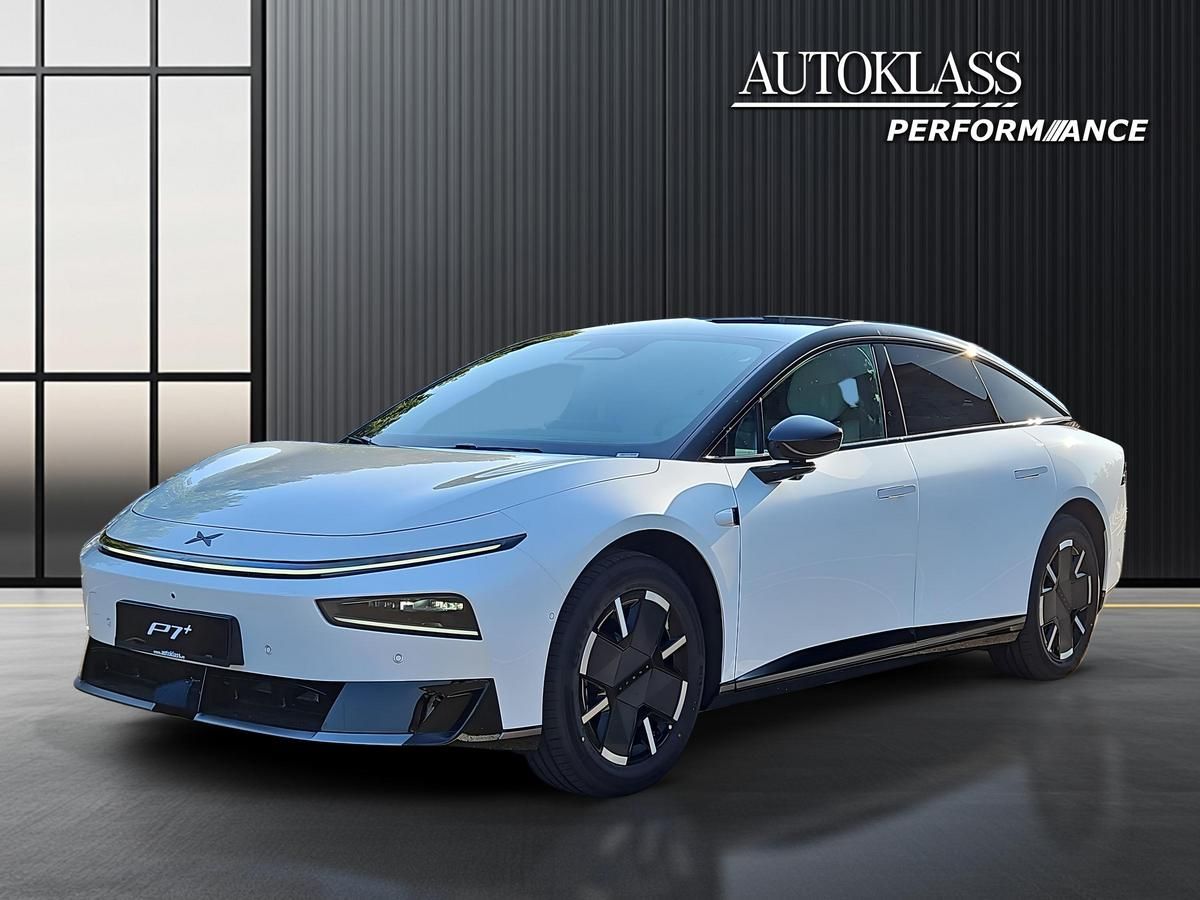
2026, electric, automatic, 115 km, liftback, Rear Wheels Drive, 245 hp, white, China

AutoKlass.ro
 Sector 1, Romania
 Sector 1, Romania
If you are shopping for an Xpeng P7+, the smartest move is not to start with the badge or the headline spec list. Start with the listing quality. On a model that may still be relatively rare in the European market, the difference between a serious offer and a vague one matters more than usual. A clean-looking ad is not enough. You want to know whether the seller understands the car, whether the paperwork matches the story, and whether the price logic holds up once you compare mileage, condition, equipment, and ownership details.
With an Xpeng P7+, buyers are often dealing with a newer name in the market rather than a model with years of familiar used-car patterns behind it. That changes the search process. You may not have a long row of nearly identical cars for sale to benchmark in the usual way, so each offer deserves a slower read. Look beyond the basic ad copy and compare the essentials: registration status, visible condition, battery-related documentation if available, service notes, charging accessories included with the car, and how clearly the seller explains the car’s origin.
That last point is more important than many buyers admit. When a seller writes very little, avoids specifics, or uses generic language copied from other ads, it becomes harder to judge whether the Xpeng P7+ has been properly documented or simply listed quickly to test the market. In Europe, where buyers may compare imported and locally registered vehicles side by side, that difference can decide whether a listing is worth a call at all.
A good Xpeng P7+ listing usually gives itself away in small ways. The photos are not glamorous, but useful: both keys shown, charging cable pictured, close-ups of wheels, seats, screens, ports, and any visible cosmetic marks. Serious sellers often photograph documents selectively too, not to overshare private data, but to prove they have them. A weak ad tends to hide behind distant angles, filtered images, or a dozen nearly identical exterior shots with no evidence of everyday condition.
The wording tells you just as much. If the seller can explain where the car came from, what service or software history is available, how it has been charged, and what is included in the sale, you are probably dealing with someone who expects informed questions. If the ad says little more than “full options” or “perfect condition” without support, treat that as a prompt to verify everything yourself. On a model like the Xpeng P7+, response style matters too. Fast answers are nice, but precise answers are better. Ask one or two detailed questions early and notice whether the seller responds directly or slides past them.
One useful trick: ask for one extra photo that is awkward to fake but easy to provide, such as the charging equipment laid out, the tire condition, the driver’s seat bolster, or the instrument display after startup. Serious sellers usually send it. Evasive ones often talk around it.
Before arranging a meeting, line up the obvious comparisons. Is this Xpeng P7+ being sold with a clear maintenance history, or is the service story thin? Does the description mention accident repairs, paintwork, replaced glass, or wheel damage? Are the photos consistent with the stated mileage? Does the cabin wear make sense? If the ad includes only polished exterior shots and skips the details buyers actually live with, that is not a style choice; it may be a signal.
Equipment can also distort value. Two Xpeng P7+ listings can look similar in a search result but feel very different once you examine comfort features, driver-assistance equipment, wheel condition, interior trim, or included charging accessories. Don’t compare ads by headline price alone. Compare what you would truly be buying on day one, and what you may need to sort out immediately after purchase.
A less obvious point in the EU market: some buyers get too excited just because the car is uncommon. Rarity can make a listing feel special, but it can also reduce your ability to benchmark a fair offer. When that happens, your discipline matters more. The weaker the market reference, the more you should rely on documents, condition evidence, and seller transparency.
You do not need a long interrogation. A few sharp questions can reveal a lot. Ask how long the seller has owned the Xpeng P7+ and why it is being sold now. Ask what service records are available and whether there are invoices, inspection reports, or digital history records. Ask whether any repairs, paintwork, or parts replacements should be disclosed. Ask what charging equipment comes with the car and whether all keys are present. If registration or import history is relevant, ask for a clear explanation rather than hints.
Then listen to how the answers arrive. A careful private owner usually gives context. A professional seller with proper stock usually gives structure. The risky middle ground is the ad with confident claims but blurry support.
A promising Xpeng P7+ offer is not necessarily the cheapest or the prettiest. It is the one where the story, photos, documents, and seller behavior line up. If the seller is open about flaws, provides usable details, and does not get defensive when you ask normal buyer questions, that is often a better sign than a shiny ad with perfect language and no substance.
Walk away, or at least slow down, if the seller avoids document questions, refuses basic condition photos, changes the ownership story, or pushes urgency before you have enough information. In a thinner market, buyers sometimes compromise too early because they worry another Xpeng P7+ will not appear soon. That fear creates bad purchases. A rare listing is not automatically a good listing.
The right way to buy an Xpeng P7+ in Europe is simple: compare patiently, verify calmly, and treat seller quality as part of the car’s value. When the listing is honest and the answers are clear, the viewing becomes much more useful. When the ad is vague from the start, believe that signal early and save yourself the trip.
 В избранные источникиБольше материалов zvelta в Google Поиске В избранные источники