RU
RU

Вопросы и ответы
Electrification has opened the market to new competitors, and brands such as BYD, Chery, MG, Geely, Leapmotor, Xpeng and Hongqi are offering electric SUVs, plug-in hybrids, modern technology, attractive equipment levels, warranties and competitive prices.
Price, battery and EV technology, software, charging performance, warranties, dealer networks, local production and the availability of affordable electric cars are becoming increasingly important alongside traditional engineering and brand loyalty.
The article says buyers should consider real range, warranty coverage, dealer support, charging speed, resale value, spare-parts access and software reliability, rather than looking only at the badge.
For decades, the European car market had a familiar rhythm. Volkswagen, Renault, Peugeot, Fiat, BMW, Mercedes-Benz, Ford and other established brands shaped the roads, the showrooms and the expectations of millions of drivers. Buyers knew what to expect: German engineering, French comfort, Italian design, practical family cars, premium sedans and trusted dealer networks.
But that old order is no longer as stable as it once seemed.
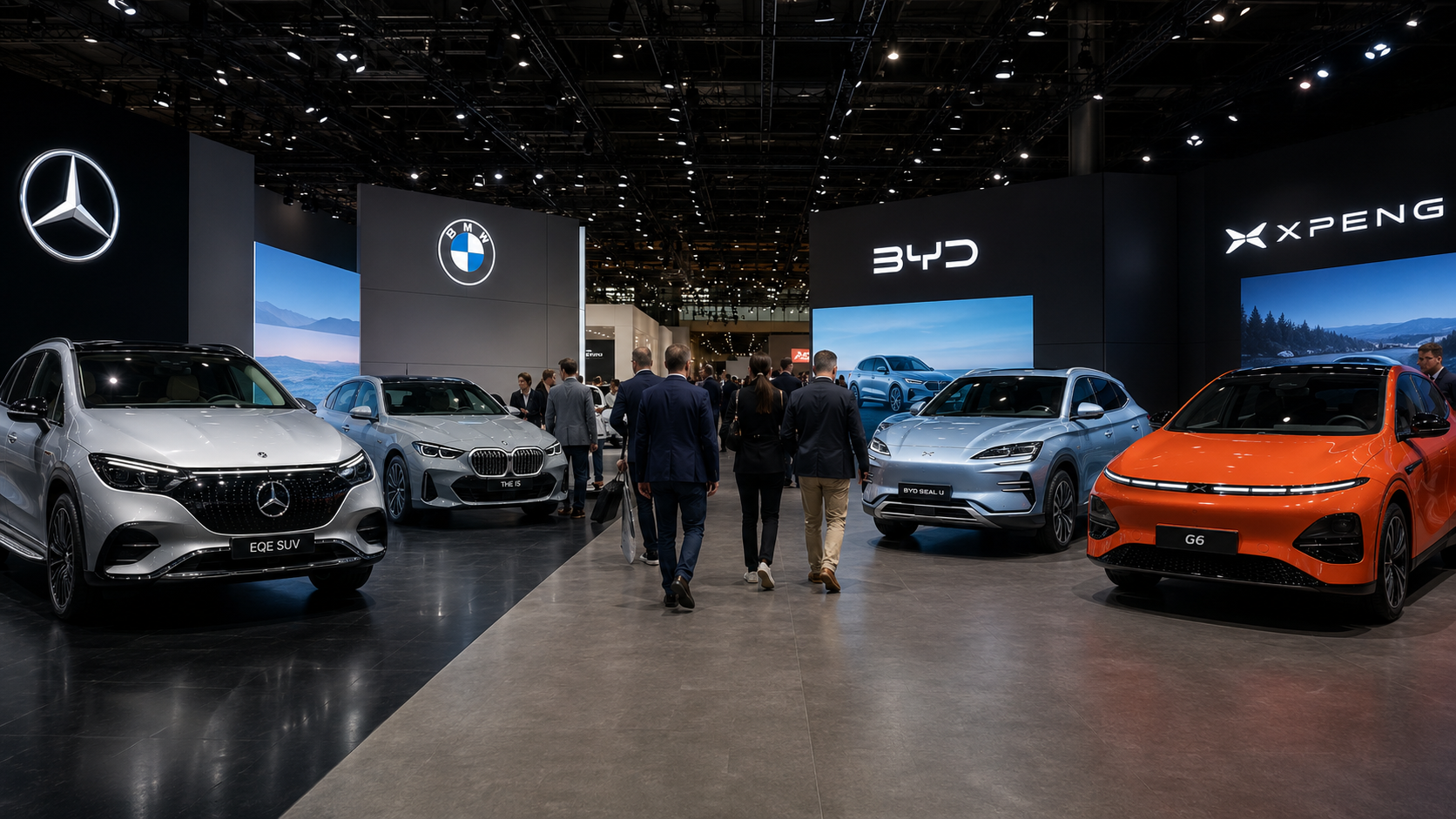
Europe is entering a new phase of intense automotive competition. Traditional manufacturers are no longer fighting only among themselves. They are now facing a new generation of ambitious Chinese brands that arrive with aggressive pricing, modern technology, electric platforms, extended warranties and a clear desire to win European customers.
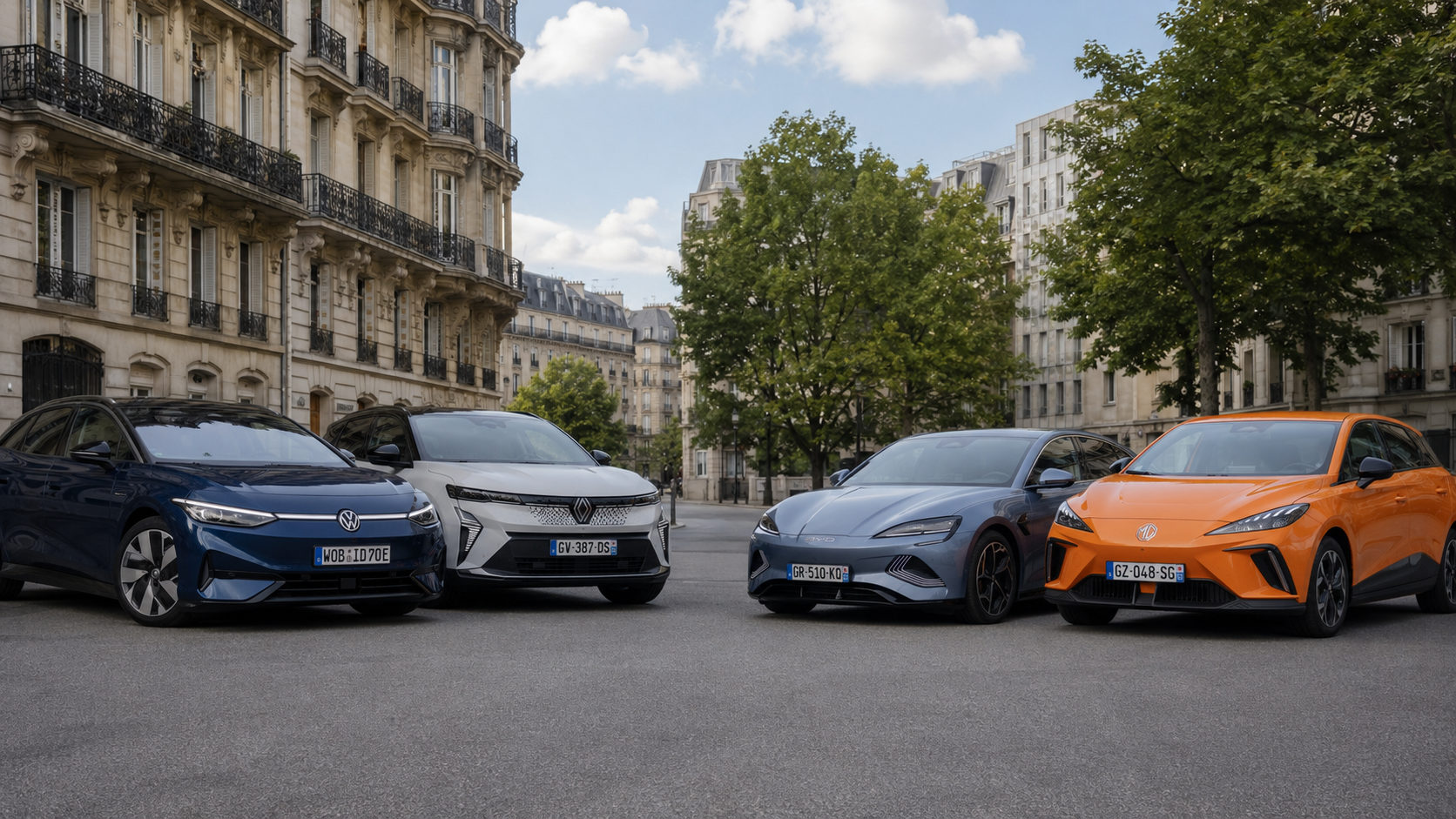
Names such as BYD, Chery, MG, Geely, Leapmotor, Xpeng and Hongqi are no longer distant outsiders. They are becoming visible on European streets, in dealer networks, in EV rankings and in the strategic plans of local factories.
This is not just a market shift. It is a cultural change. European buyers are beginning to ask a question that would have sounded strange a decade ago: should the next family car, electric SUV or affordable city EV come from China?
Europe Is No Longer a Closed Playground for Legacy Brands
The European automotive industry has always been one of the strongest in the world. It built cars that became symbols of quality, prestige and identity. Volkswagen became almost synonymous with practical engineering. Renault and Peugeot shaped the compact and family car segments. BMW and Mercedes-Benz defined premium mobility. Ford built generations of accessible cars for everyday drivers.
Yet the market has changed dramatically. Electrification has opened the door for new competitors. Software, batteries, charging speed, digital interfaces and price now matter as much as traditional engine refinement or badge loyalty.
Why the balance is changing?
European brands are still powerful, but they are under pressure from several directions:
electric vehicles require huge investment;
battery costs remain a major challenge;
consumers want lower prices;
Chinese brands are moving faster in EV development;
buyers are becoming less loyal to old badges;
governments are pushing emissions targets;
production costs in Europe remain high.
This combination creates one of the toughest competitive moments the industry has faced in decades.
The Rise of Chinese Carmakers in Europe
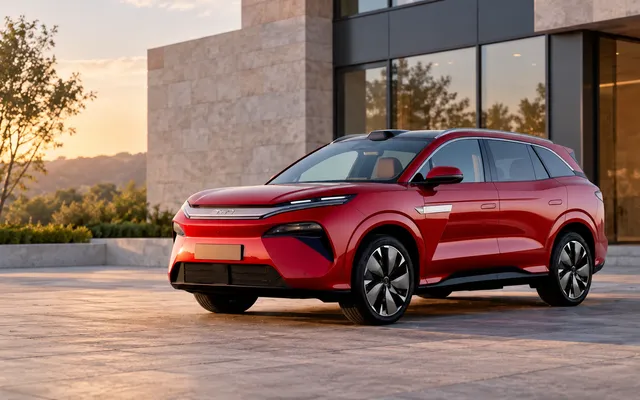
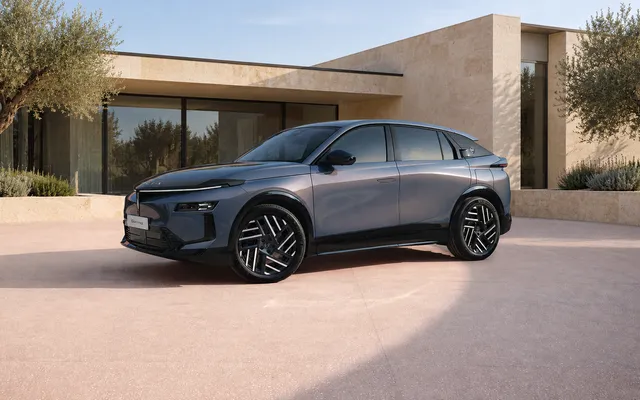
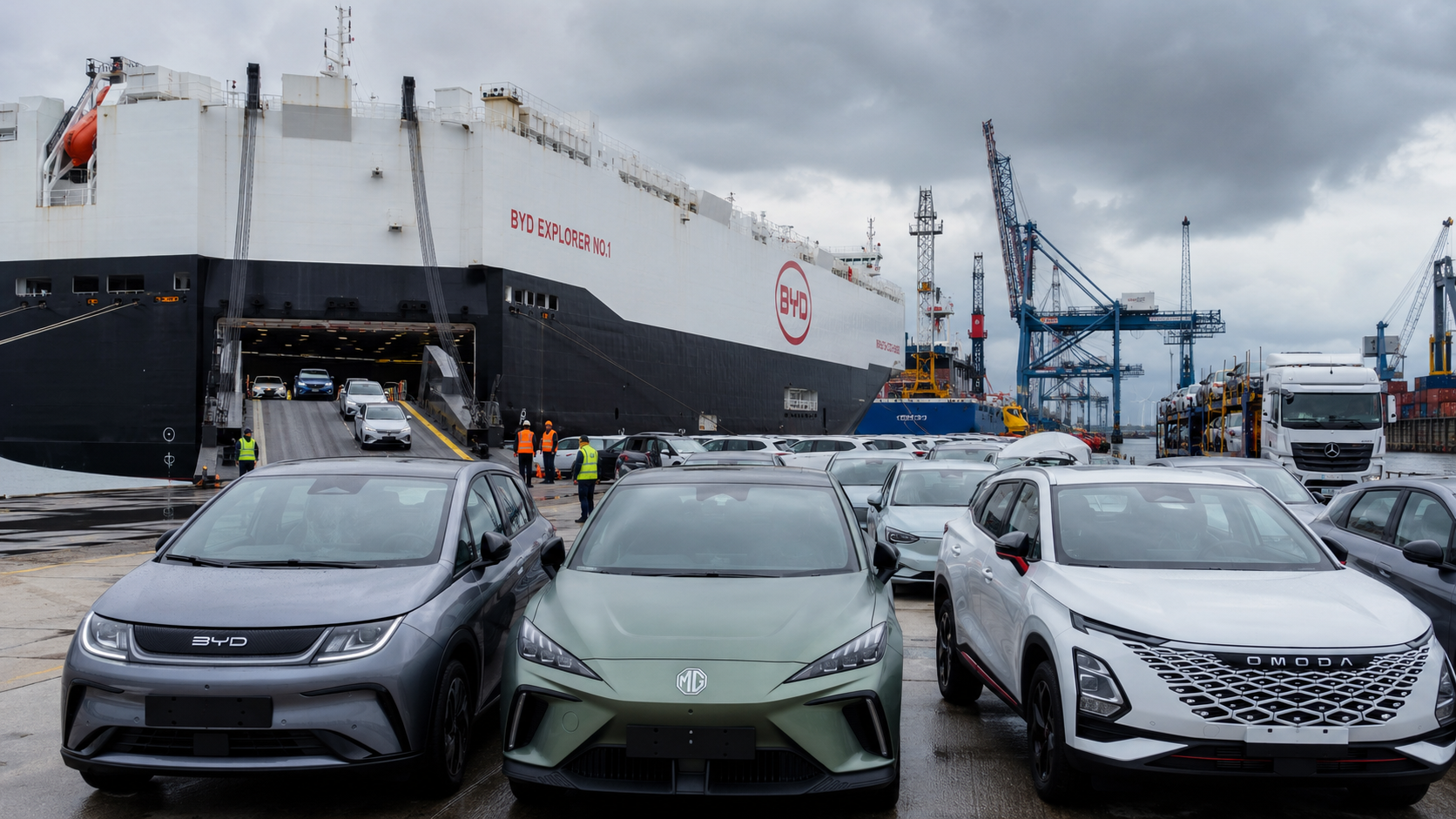
Chinese manufacturers are entering Europe with confidence. Their strategy is no longer based only on cheap cars. Today, they bring electric SUVs, plug-in hybrids, modern interiors, large screens, advanced driver assistance systems and attractive equipment levels.
BYD is one of the strongest examples. It has become a global electric vehicle giant and is rapidly building its European presence. Chery is expanding through brands such as Omoda and Jaecoo. MG, owned by SAIC, has already become familiar to many European buyers. Geely is present through several brands and investments, while Xpeng and Leapmotor are trying to attract customers looking for technology-focused electric cars.
The new formula: price, technology and confidence
Chinese brands understand one simple truth: many European buyers want an electric car, but they do not want to pay a premium price for it.
That is where the challenge becomes serious for traditional carmakers. If a Chinese SUV offers good range, modern design, a long warranty and a lower price than a European alternative, many buyers will at least consider it.
The decision is no longer emotional only. It is practical.
Price Will Be One of the Biggest Weapons
In the new European car market, price is becoming a decisive factor. For years, electric cars were often seen as expensive products for early adopters. But the next phase of EV adoption depends on affordability.
A family that needs a practical car will not choose only based on brand history. It will compare monthly payments, range, charging time, warranty, equipment and resale value.
Why affordability matters so much?
The average buyer is under pressure. Living costs have risen, financing is more expensive, and many households are more careful with big purchases. In this environment, an affordable electric or hybrid car becomes extremely attractive.
Chinese brands are using this opportunity. They often offer:
more equipment as standard;
competitive starting prices;
long warranty packages;
fast product launches;
strong EV and hybrid technology;
modern infotainment systems.
European brands cannot ignore this. If they remain too expensive, they risk losing younger buyers and families looking for value.
Technology Is the New Battlefield
In the past, carmakers competed through engines, gearbox refinement, chassis tuning and build quality. These things still matter, but the modern customer also looks at software, battery efficiency, connected services and charging performance.
A car is now judged by its digital experience as much as by the way it drives.
What buyers now expect?
Modern European buyers increasingly expect:
clean digital interfaces;
fast charging;
reliable battery range;
smartphone integration;
over-the-air updates;
advanced safety systems;
efficient hybrid or electric drivetrains;
intuitive driver assistance features.
This is an area where many Chinese brands are strong. They come from a highly digital domestic market, where customers expect rapid innovation and high levels of technology even in relatively affordable cars.
European brands still have deep engineering experience, but they must accelerate their software and EV development if they want to protect their market positions.
Local Production Becomes a Strategic Advantage
The next stage of competition will not be only about importing cars into Europe. It will be about producing cars in Europe.
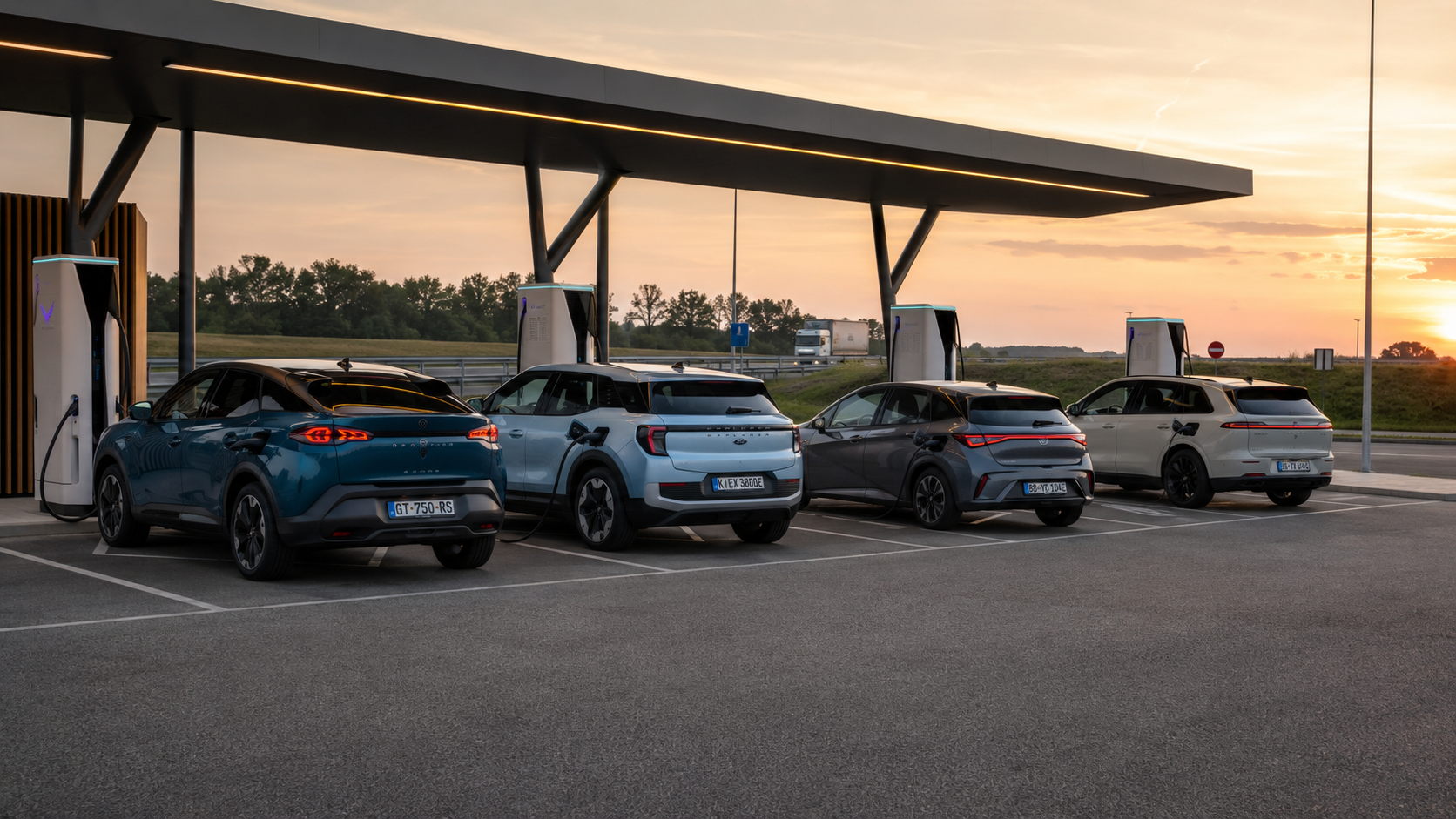
Chinese manufacturers know that local production can help them reduce trade risks, improve logistics, build trust and become part of the European industrial landscape. Several companies are already planning or exploring manufacturing partnerships, factory investments or local assembly.
Why local production matters?
For Chinese brands, local production can bring several advantages:
lower exposure to import tariffs;
faster delivery times;
better political acceptance;
stronger dealer confidence;
local job creation;
improved brand credibility.
For Europe, this creates a complicated situation. On one hand, local production by foreign brands can support jobs and factories. On the other hand, it increases pressure on traditional manufacturers that already operate in a difficult cost environment.
European Carmakers Are Fighting Back
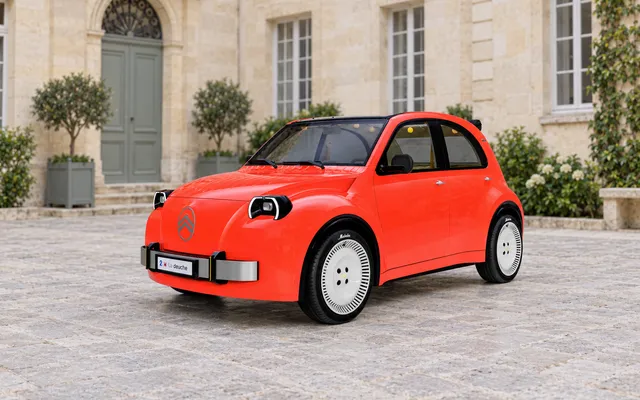
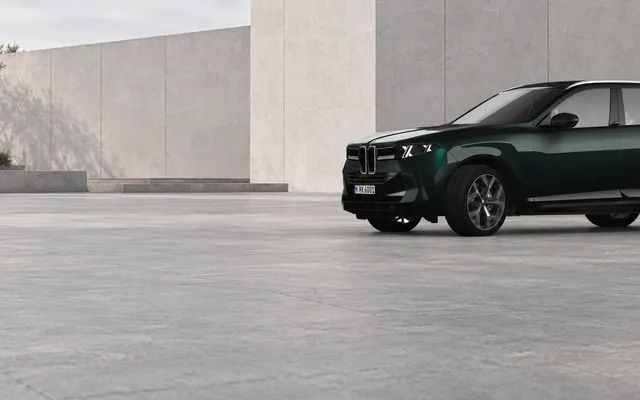
The old brands are not standing still. Volkswagen, Renault, Stellantis, BMW, Mercedes-Benz and Ford all understand the seriousness of the moment. They are investing in new electric platforms, cheaper EVs, battery partnerships, software development and cost reduction.
Renault is pushing hard with compact electric models. Volkswagen is working on more affordable EVs. Stellantis is trying to protect volume segments with multiple brands. BMW and Mercedes-Benz are focusing on premium electric technology, while Ford is restructuring its European strategy around electrification and commercial vehicles.
The challenge for traditional brands
The problem is not that European brands cannot build good cars. They can. The problem is speed and cost.
Chinese competitors often move faster from concept to production. They update models quickly, offer aggressive pricing and use their domestic EV scale to compete internationally. European companies, with older industrial structures and higher costs, must find a way to respond without losing quality or identity.
Warranties and Trust Will Matter More Than Ever
For many European customers, the biggest question around new Chinese brands is not only price. It is trust.
Will the service network be reliable? Will spare parts be available? Will resale values hold? Will the brand still be present in five or ten years?
These are serious questions. Buying a car is not like buying a phone. A vehicle must be serviced, repaired, insured and eventually resold. That is why warranties, dealer networks and aftersales support will be crucial.
Trust is built after the sale
A good price can bring a customer into the showroom. But long-term trust is built after the purchase.
Chinese brands that want to succeed in Europe must prove that they can support customers properly. European brands, meanwhile, must use their established networks as a strength — but without becoming complacent.
The winner will not simply be the brand with the lowest price. It will be the brand that offers the best balance between price, quality, service and confidence.
Electric Cars Will Decide the Future
The real battle is in electric vehicles. Europe’s emissions rules, city restrictions and long-term climate targets are pushing the market toward zero-emission mobility. But EV adoption depends on one key factor: accessible models.
Premium electric cars already exist. What Europe needs now are affordable, practical and desirable EVs for ordinary buyers.
The affordable EV problem
This is where the pressure becomes intense. If European manufacturers cannot deliver affordable electric cars quickly enough, Chinese brands will fill the gap.
The next winners in Europe will be companies that can offer:
good range;
reasonable prices;
fast charging;
strong warranty;
local availability;
modern design;
efficient production.
This is not only about technology. It is about timing. The brand that reaches the mass buyer first may gain loyalty for years.
The Emotional Side of This Competition
Behind all these numbers and strategies, there is a human story.
For many Europeans, cars are deeply personal. A first Volkswagen Golf, a family Renault, a company Ford, a dream BMW or a Mercedes-Benz kept for years — these are not just machines. They are memories, routines, road trips, family moments and personal milestones.
That is why this new competition feels emotional. It is not only about companies fighting for market share. It is about whether old automotive identities can survive in a world where batteries, software and price are rewriting the rules.
A buyer who once automatically chose a European brand may now pause, compare and think again. That moment of hesitation is where the market is changing.
What This Means for Consumers?
For consumers, stronger competition can be a good thing. It can bring better prices, more technology, longer warranties and faster innovation.
But it also requires more attention. Buyers must look beyond the badge and ask practical questions:
What is the real range?
How good is the warranty?
Is there a strong dealer network?
How fast does the car charge?
What will the resale value be?
Are spare parts easy to access?
Is the software reliable?
The market is offering more choice than ever. But more choice also means more responsibility.
What This Means for Europe?
For Europe, the challenge is bigger than car sales. The automotive industry supports millions of jobs, suppliers, factories and local economies. If European carmakers lose too much ground, the impact will go far beyond showrooms.
At the same time, competition can force transformation. It can push legacy brands to become faster, leaner and more innovative. It can also encourage new partnerships, local production and better products for customers.
The next few years may define the future of Europe’s automotive strength.
Conclusion
Europe is entering a new automotive era. The market is no longer dominated only by traditional brands. Volkswagen, Renault, Stellantis, BMW, Mercedes-Benz and Ford now face serious competition from BYD, Chery, MG, Geely, Leapmotor, Xpeng, Hongqi and other ambitious newcomers.
The difference will be made by price, technology, local production, warranties and the ability to deliver affordable electric cars that ordinary people actually want to buy.
This competition will be uncomfortable for many established manufacturers. But for buyers, it may bring the most exciting period in years: more choices, better value and faster innovation.
The European car market is not collapsing. It is being rewritten.
And the brands that understand this change fastest will be the ones that shape the roads of tomorrow.