RU
RU

Вопросы и ответы
The naturally aspirated V12 remained, but Lamborghini changed its fuel delivery, displacement, layout and drivetrain. Carburettors gave way to electronic fuel injection, all-wheel drive was introduced, and the Revuelto added three electric motors.
The Aventador introduced a new naturally aspirated 6.5-litre V12 in 2011, replacing the earlier engine design developed through the Miura, Countach, Diablo and Murciélago.
The Revuelto’s V12 produces 825 CV. The complete hybrid system, including its three electric motors, produces 1015 CV.
On October 3, 2026, automotive media published a comparison of six V12-powered Lamborghinis: the Miura, Countach, Diablo, Murciélago, Aventador and Revuelto. The carwow team brought them together for drag races, but the differences between the cars are more interesting than the result itself. This sequence of models reflects changes in engine layout, fuel delivery, transmission and drivetrain.
2026 marks 60 years since the Miura made its debut. During that time, the V12 retained its naturally aspirated design, while almost everything around it changed: carburettors gave way to electronic fuel injection, all-wheel drive appeared, and in the Revuelto the petrol engine works together with three electric motors.
Miura: Twelve Cylinders Across the Body
On March 10, 1966, Lamborghini unveiled the Miura at the Geneva Motor Show. The V12 was mounted behind the passenger compartment, ahead of the rear axle, and positioned transversely across the body. This layout helped shorten the wheelbase, but it required the engine and gearbox to be connected within a compact arrangement.
The original Miura P400 produced 350 CV at 7000 rpm. It was followed by the 370-CV P400 S and the 385-CV SV. In its official Miura history, Lamborghini also describes the other changes introduced for the 1971 SV: wider rear tyres, a strengthened chassis, revised suspension and a separate gearbox lubrication system.
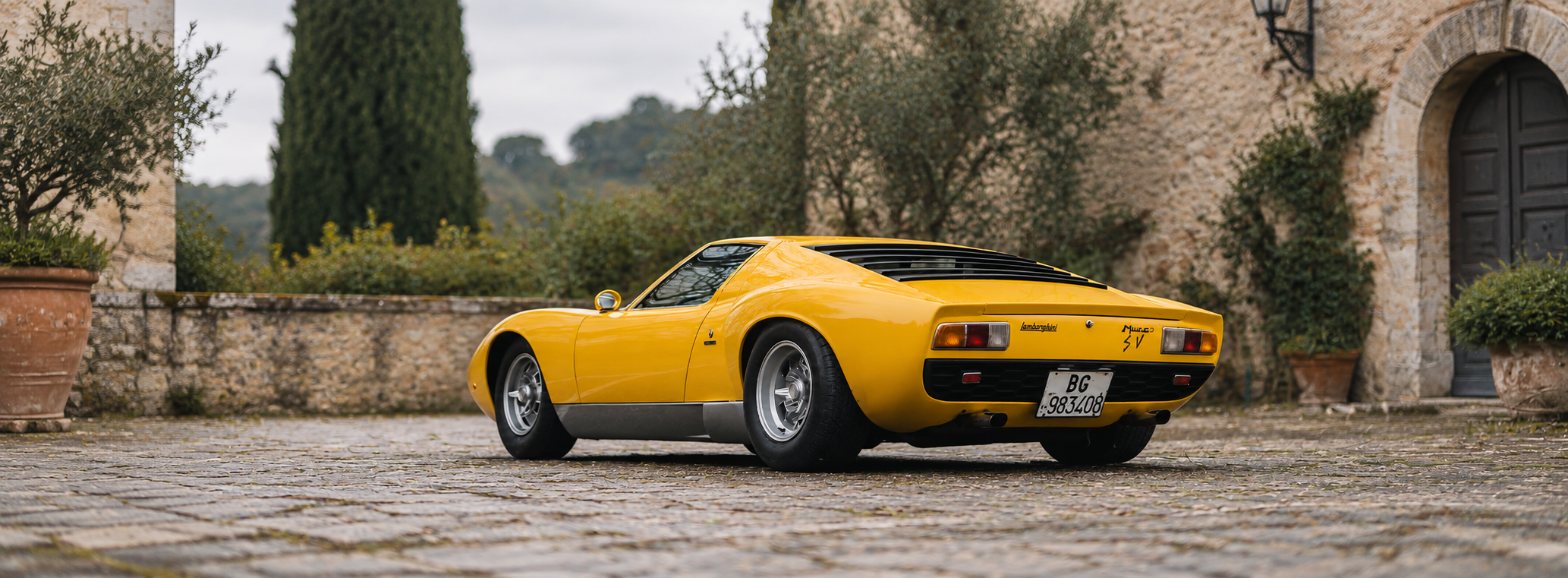
This is a good example of why a model’s development cannot be judged by power alone. The increase from the first P400 to the SV was 35 CV, but the changes also affected how the car transferred its power to the road and how its mechanical components were arranged.
Countach: The Engine Turned Lengthways and the Gearbox Moved Forward
The Countach LP500 prototype was shown in Geneva in March 1971, while the production LP400 arrived in 1974. Instead of the Miura’s transverse layout, the engine was mounted longitudinally. The gearbox was positioned ahead of the V12, almost between the seats.
The first LP400 used a four-litre engine producing 375 CV. The displacement was later increased: the Countach 5000S reached 4.8 litres, while the Quattrovalvole used 5.2 litres. The latter received cylinder heads with four valves per cylinder; the carburetted version produced 455 CV.
The name Quattrovalvole refers directly to those four valves. The new designation represented a specific engine redesign, not merely a different body or equipment package.
Where Is the Gearbox Located?
The Countach has its engine behind the passenger compartment, but its gearbox is ahead of the engine. This means that the term “mid-engined layout” does not fully describe the position of every major component. The Miura’s V12 is mounted transversely, the Countach’s longitudinally, while the Revuelto’s gearbox sits behind the engine and is also mounted transversely. The transmission layout changed as the car’s requirements evolved, even though the engine remained behind the driver and passenger.
Diablo and Murciélago: Fuel Injection and All-Wheel Drive
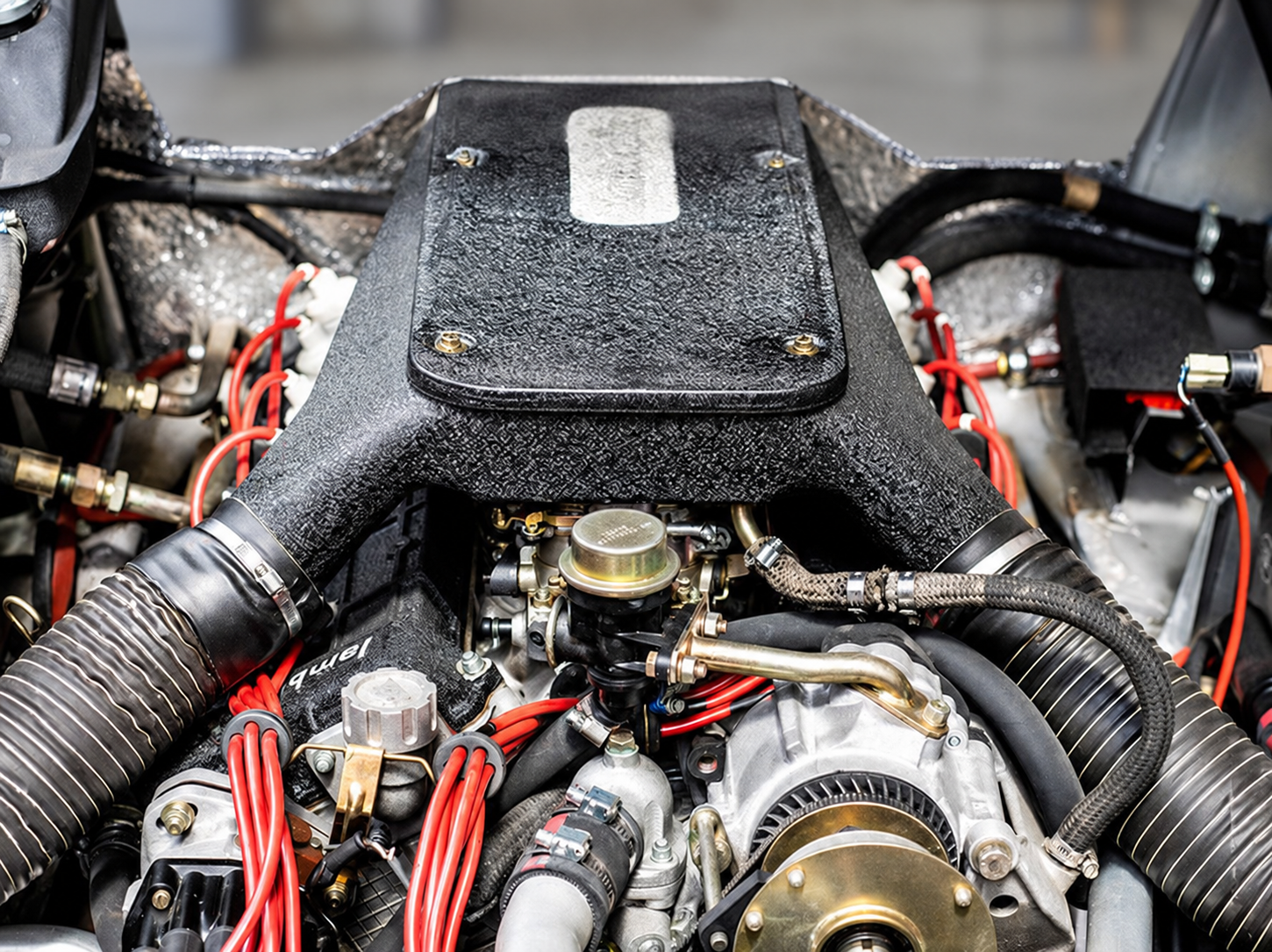
Lamborghini unveiled the Diablo on January 21, 1990. Its 5.7-litre V12 produced 492 CV and used electronic fuel injection. The engine was still based on a design that had evolved from earlier Lamborghini V12s, but fuel metering no longer depended on carburettors.
The first Diablo was rear-wheel drive. In 1993, the all-wheel-drive Diablo VT arrived; a viscous coupling allowed part of the torque to be sent to the front wheels. As a result, two Diablo versions can differ significantly in their transmission hardware even when they look broadly similar.
The Murciélago debuted at the Frankfurt Motor Show in September 2001. Its initial 6.2-litre V12 produced 580 CV, and all-wheel drive was part of the model’s design from the beginning. The range eventually reached 670 CV in the LP 670-4 SV.
At this stage, Lamborghini was increasing more than just engine output. Drivetrain development expanded the ways power could be delivered to the road: the front wheels joined the rear wheels as driven wheels, and traction management became more complex.
Aventador: A New V12 Instead of Further Developing the Old One
In 2011, Lamborghini introduced the Aventador LP 700-4. It was developed around a new naturally aspirated 6.5-litre V12 producing 700 CV. The car also received a carbon-fibre monocoque and all-wheel drive.
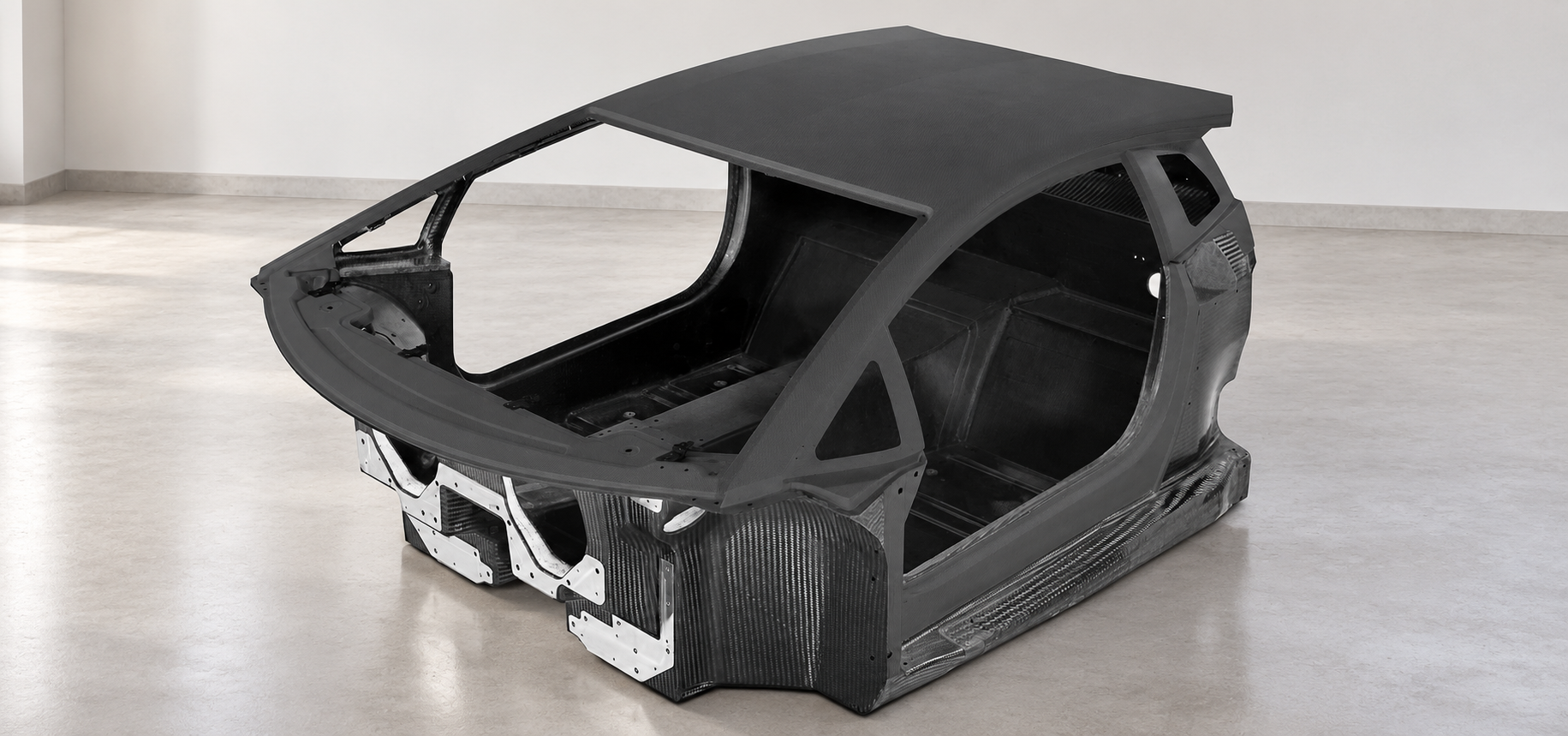
This marks an important dividing line in the engine’s history. The Miura, Countach, Diablo and Murciélago were linked by the development of Lamborghini’s original V12 design; the Aventador opened the next chapter with a new engine. Sharing twelve cylinders does not mean that every generation used the same engine with a larger displacement.
The Aventador engine was refined further over time. In the SVJ, for example, output reached 770 CV. Even that version had no electric motors: its petrol V12 provided the powertrain’s drive on its own.
Six Generations: How Power Increased
The table lists the original production versions of the models. This makes it possible to follow the development of each generation without mixing the base Miura with the later Aventador SVJ or a special Revuelto version.
Model | Version debut year | Nominal V12 displacement | V12 output | Key change |
|---|---|---|---|---|
Miura P400 | 1966 | 4.0 l | 350 CV | Transverse engine behind the passenger compartment |
Countach LP400 | 1974 | 4.0 l | 375 CV | Longitudinal engine, gearbox ahead of it |
Diablo | 1990 | 5.7 l | 492 CV | Electronic fuel injection; all-wheel drive added later on the VT |
Murciélago | 2001 | 6.2 l | 580 CV | All-wheel drive from the start of production |
Aventador LP 700-4 | 2011 | 6.5 l | 700 CV | New V12 and carbon-fibre monocoque |
Revuelto | 2023 | 6.5 l | 825 CV | Three electric motors; 1015 CV for the complete system |
Displacement is shown using the manufacturer’s rounded designations. Power is given in metric horsepower, which Lamborghini designates as CV. The versions in the recent carwow race differ from some of the cars in the table: for example, the race featured a Miura SV rather than the original P400.
Revuelto: The V12 Becomes Part of a Hybrid System
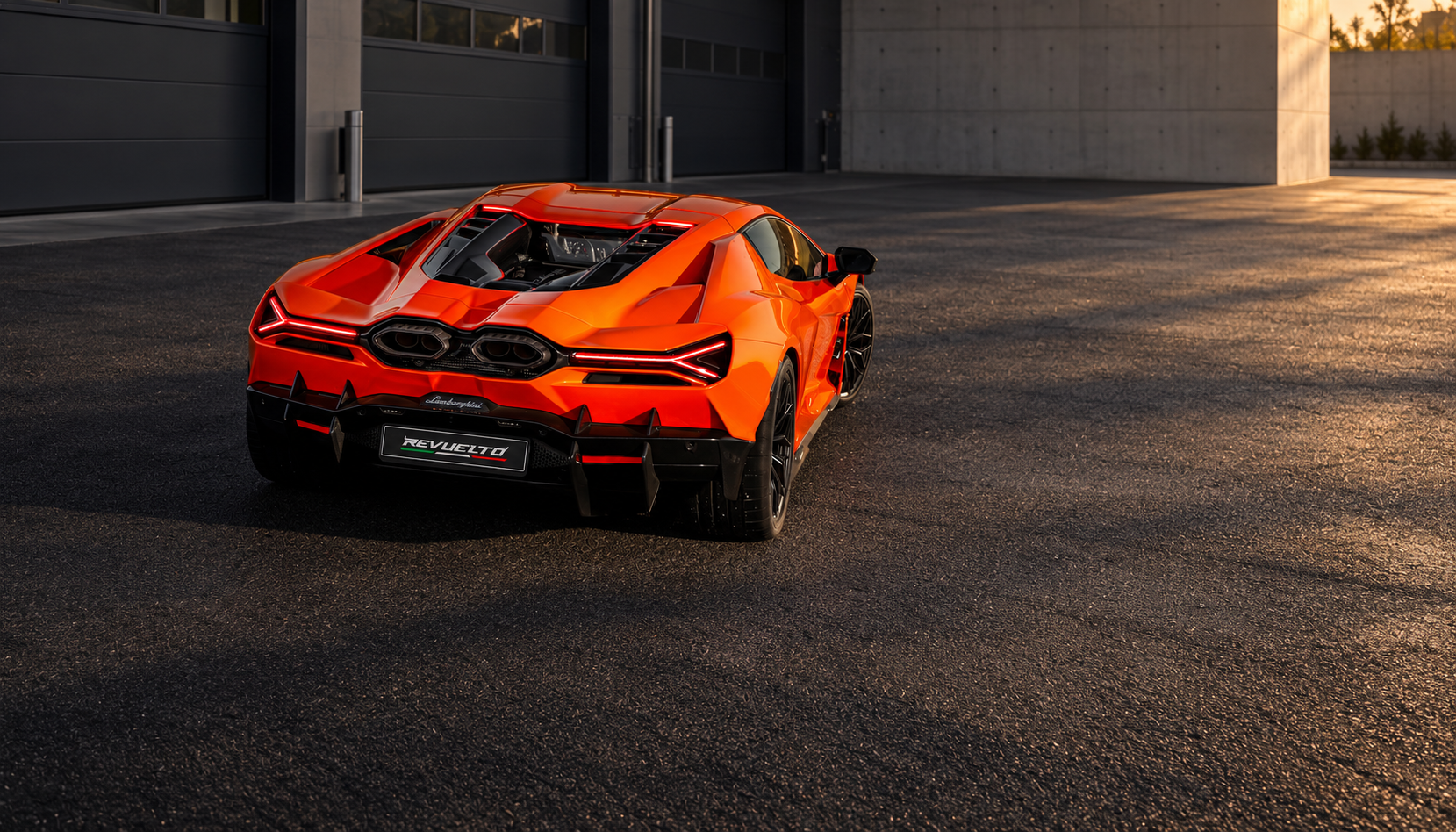
On March 29, 2023, Lamborghini unveiled the Revuelto, a production plug-in hybrid with a V12. Its naturally aspirated 6.5-litre engine produces 825 CV at 9250 rpm. Together with three electric motors, the powertrain delivers 1015 CV.
Two electric motors are mounted at the front, while the third is connected to the rear transmission. The eight-speed dual-clutch gearbox is mounted transversely behind the V12. The lithium-ion battery occupies the central tunnel, a space previously used for the mechanical connection to the front axle.
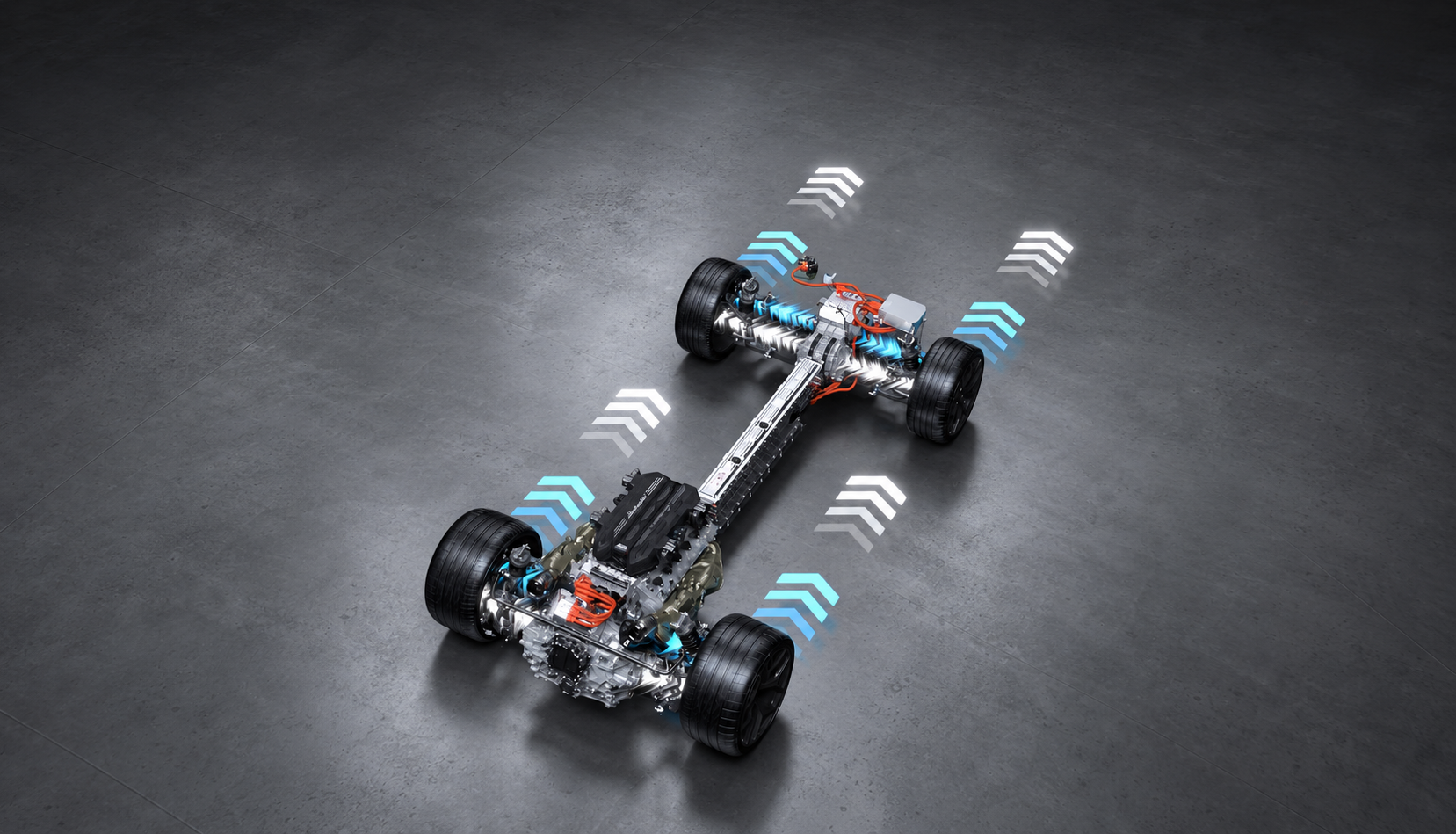
The powertrain layout can be examined on the official Revuelto page. By retaining a naturally aspirated engine, Lamborghini changed the way its all-wheel drive is arranged: the front wheels are driven by electric motors.
825 or 1015 CV: What Should Be Compared with the Miura?
1015 CV is the output of the complete hybrid system, not the V12 alone. To compare petrol engines, the relevant figures are the Revuelto’s 825 CV and the original Miura’s 350 CV. To compare the cars as a whole, electric motors, weight, tyres, drivetrain and transmission must also be considered. Lamborghini lists the engine output separately in the Revuelto technical brochure.
What a Race Between Old and New Lamborghinis Shows
In the carwow comparison, the latest Revuelto finished ahead of the Aventador and Murciélago. Among the classic cars, the results also depended on the launch method: some races were rolling starts to protect the clutches. These are observations from one specific test, not factory acceleration figures or a universal ranking of every Lamborghini version.
For readers, the race is useful as a visual comparison of different engineering approaches. In the classic cars, the driver operates the clutch and gears directly; the modern hybrid distributes torque between several motors. Having the same number of cylinders does not make the cars behave in the same way.
Over 60 years, not only the V12 changed, but also the way its power was used. The Miura required a large engine to be packaged compactly, the Countach introduced a different layout, and the Diablo and Murciélago brought new fuel-delivery and drivetrain systems. The Aventador received a new engine, while the Revuelto combined a naturally aspirated V12 with electric drive. These changes explain the differences between the generations more clearly than a single horsepower figure.