 EN
ENDEALER
€15,574DEALER
€16,032
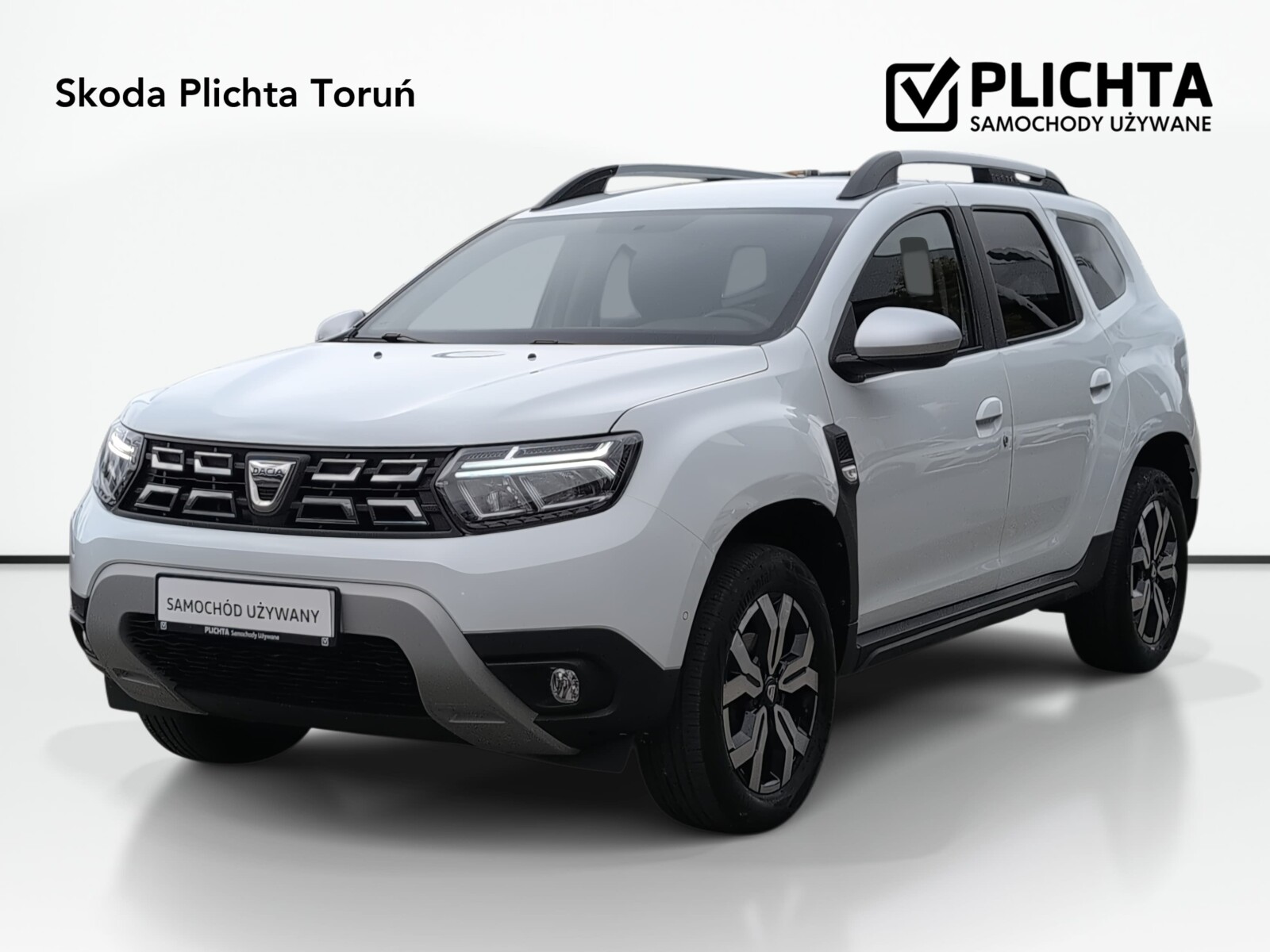
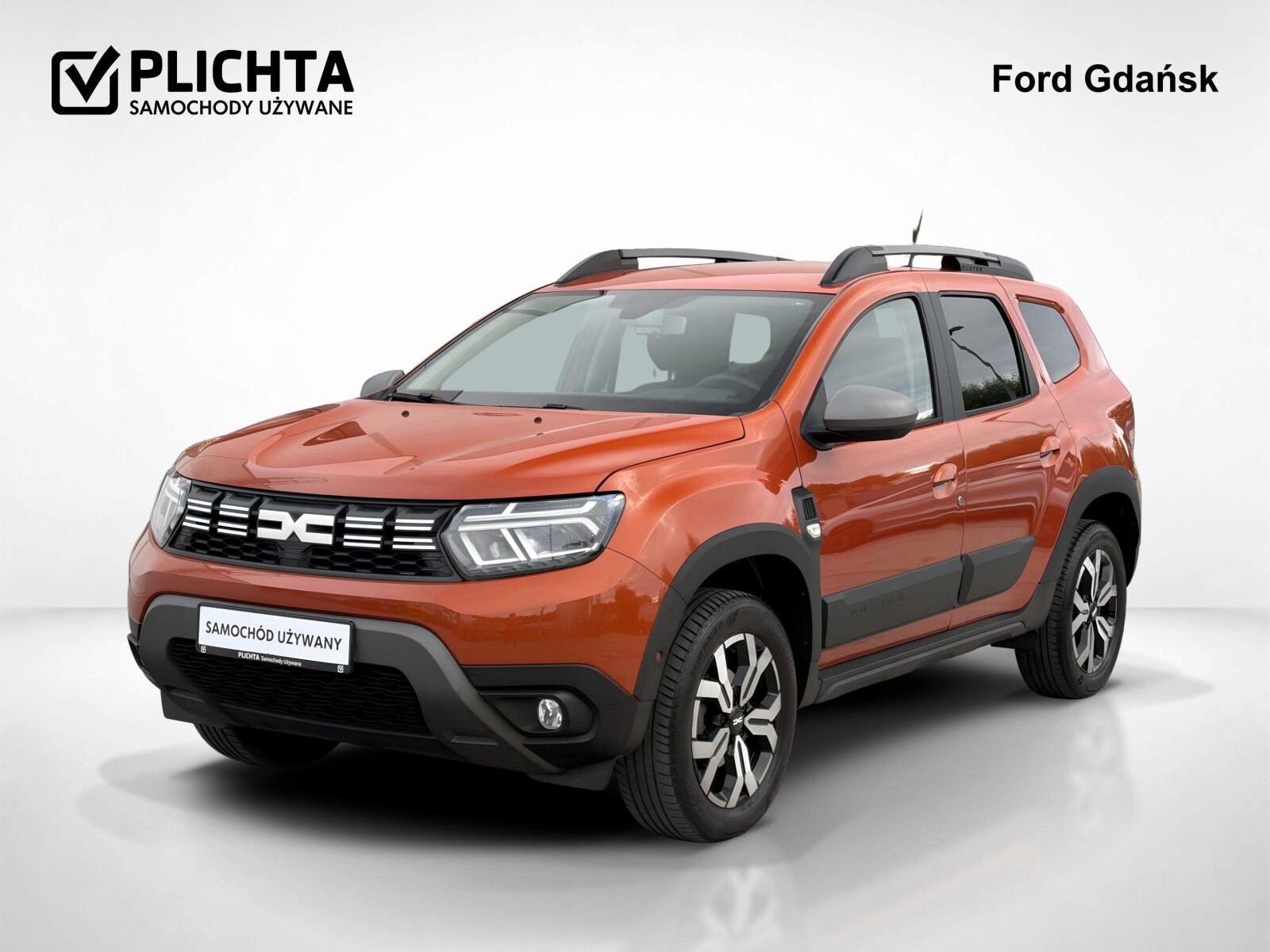
Dacia: Duster, 2023, gasoline, manual, 30K km, SUV, Front Wheels Drive, 1,332 cm3, 130 hp, orange, Used condition, Europa

plichta.com.pl
 Szadółki, Poland
 Szadółki, PolandBielawy, Poland
 Poland
The Dacia Duster stands out as a practical and budget-friendly SUV choice for buyers in Poland who want space, reliability, and a low total cost of ownership. If you’re considering a new or used Duster, you’ll want to understand the available generations, typical fuel options, body styles, and how mileage and price segments translate into real value in Polish cities like Warsaw, Kraków, and Gdańsk. Here is a concise guide to help you compare models, assess condition, and make a smart purchase.
The Duster offers ample interior space, good ground clearance for varied Polish roads, and straightforward maintenance. Buyers often seek the 4x2 or 4x4 configurations, depending on driving conditions and personal needs. In the Polish market, common configurations include petrol engines with manual or automatic gearboxes, and some used units may feature LPG conversions for economical running costs. When you scout for a Duster, you’ll typically encounter different generations with a focus on practicality over flash.
Begin with a clear budget and desired features. Decide whether you prefer a newer model with warranty or a used unit with minimal depreciation. Check service history, verify mileage accuracy, and inspect critical components such as the engine, suspension, brakes, and tires. If you’re buying from a dealer, ask about post-purchase servicing and any included warranties. Private sellers may offer lower prices, but require careful verification.
For buyers in major cities like Warsaw, Kraków, and Gdańsk, you’ll find a range of examples, from practical 1.6 or 1.0 TCe petrol engines to diesel options in some markets. Consider fuel economy, tax implications, and insurance costs as part of the overall ownership picture. It’s also useful to compare total costs over a 3–5 year horizon to understand depreciation and maintenance exposure.
For many buyers, yes. The Duster delivers a compelling balance of space, practicality, and low running costs. While newer models bring modern technology and safety features, a well-maintained Duster from a previous generation can still serve as a reliable daily driver. If your priorities are affordability and versatility for daily commuting, family trips, or weekend getaways, the Duster is worth evaluating in the Polish market.
Whether you’re upgrading from an older hatchback or choosing your first SUV, a Dacia Duster in Poland represents a straightforward path to owning a spacious, efficient, and easy-to-maintain vehicle.
 Add as preferred sourceSee more from zvelta in Google Search Add as preferred source