 EN
ENDEALER
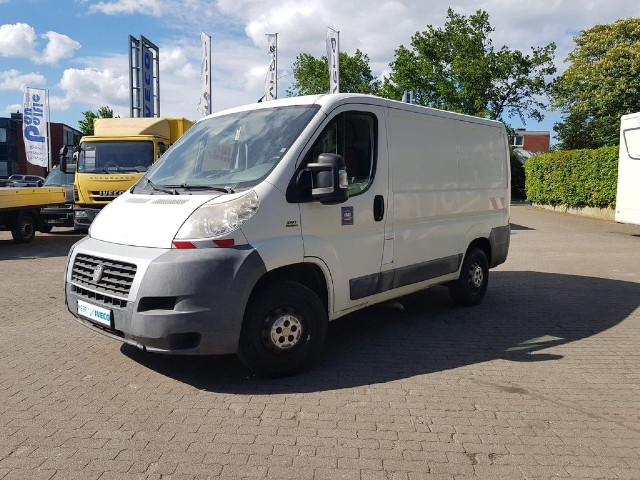
€2,000DEALER
€2,500
2011, diesel, manual, 280K km, VAN, 2,300 cm3, Euro 4, Used condition, In stock

iveco-preowned.com
 Hammer, Germany
 Hammer, Germany
 Germany, Lower SaxonyGermany, Lower SaxonyGermany, Lower Saxony
 Romania, Bihor CountyRomania, Arad County
 Romania, Sibiu County
 Romania
 Romania
 Sânmartin, RomaniaRomania
 Romania
 Romania, Bacău CountyRomania, Bacău CountyRomania, Bacău County
 Romania, Bacău CountyRomania, Bacău CountyRomania, Bacău County
 Romania, Bacău County
 Bulgaria, Sofia
 Romania, Buzău County
 Romania, Buzău CountyRomania, Buzău CountyRomania, Buzău CountyRomania, Buzău County
If you’re in Bulgaria, Germany, or Romania and want to buy or sell a diesel car, you’ll want a clear path from initial idea to a confident purchase. Diesel engines are valued for better fuel economy and often lower CO2 emissions, which makes them attractive for long commutes and road trips across Europe. In this guide we explore typical models, generations, and body types you’ll encounter in these markets, what price ranges you can expect, and how to compare options without getting overwhelmed.
Diesel models from popular brands often come in compact sedans, family hatchbacks, and versatile estates. When evaluating a vehicle, key details include the model and generation, year, mileage, and fuel type. In Bulgaria, Germany, and Romania you’ll see a mix of mainstream brands and popular diesel variants. Common considerations are the reliability of the engine, maintenance history, and how the vehicle’s emission standards align with local regulations. Buyers should also check for service records and whether the car has a full-service history in the country of origin, especially if you’re importing.
When you search for diesel cars in Bulgaria, Germany, or Romania, you’ll encounter variations by country: the same model might have different trim levels, transmission options, and emissions packages. Collect essential details: brand, model, generation, year, mileage, body type (sedan, hatchback, estate), transmission (manual or automatic), and the exact diesel variant. Be mindful of details like DPF (diesel particulate filter) status and maintenance history, which influence long-term reliability.
To structure your evaluation, consider making a simple comparison grid:
For sellers in Bulgaria, Germany, or Romania, highlight mileage, year, and service history, plus the presence of modern diesel features and compliance with local emissions standards. Providing clear photos of the engine bay, undercarriage, and the interior can boost buyer confidence. Price competitively by comparing similar models with similar mileage and year, and be prepared to discuss potential maintenance costs that a buyer might face.
 Add as preferred sourceSee more from zvelta in Google Search Add as preferred source