 EN
ENDEALER
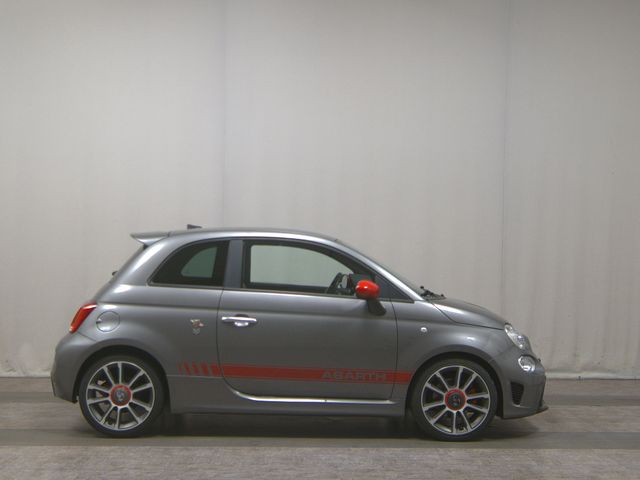
€13,480DEALER
€13,980
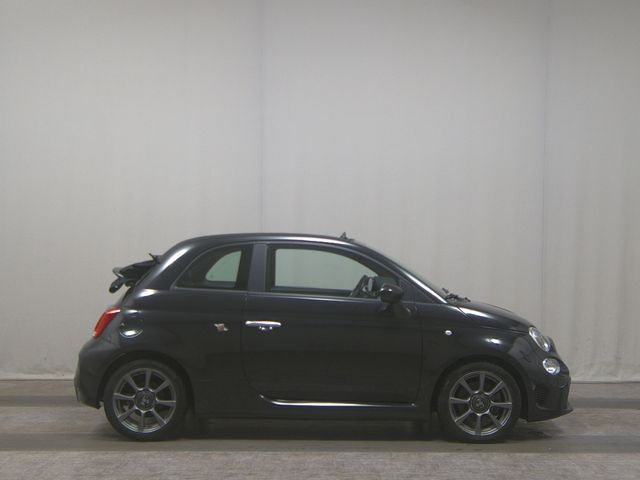
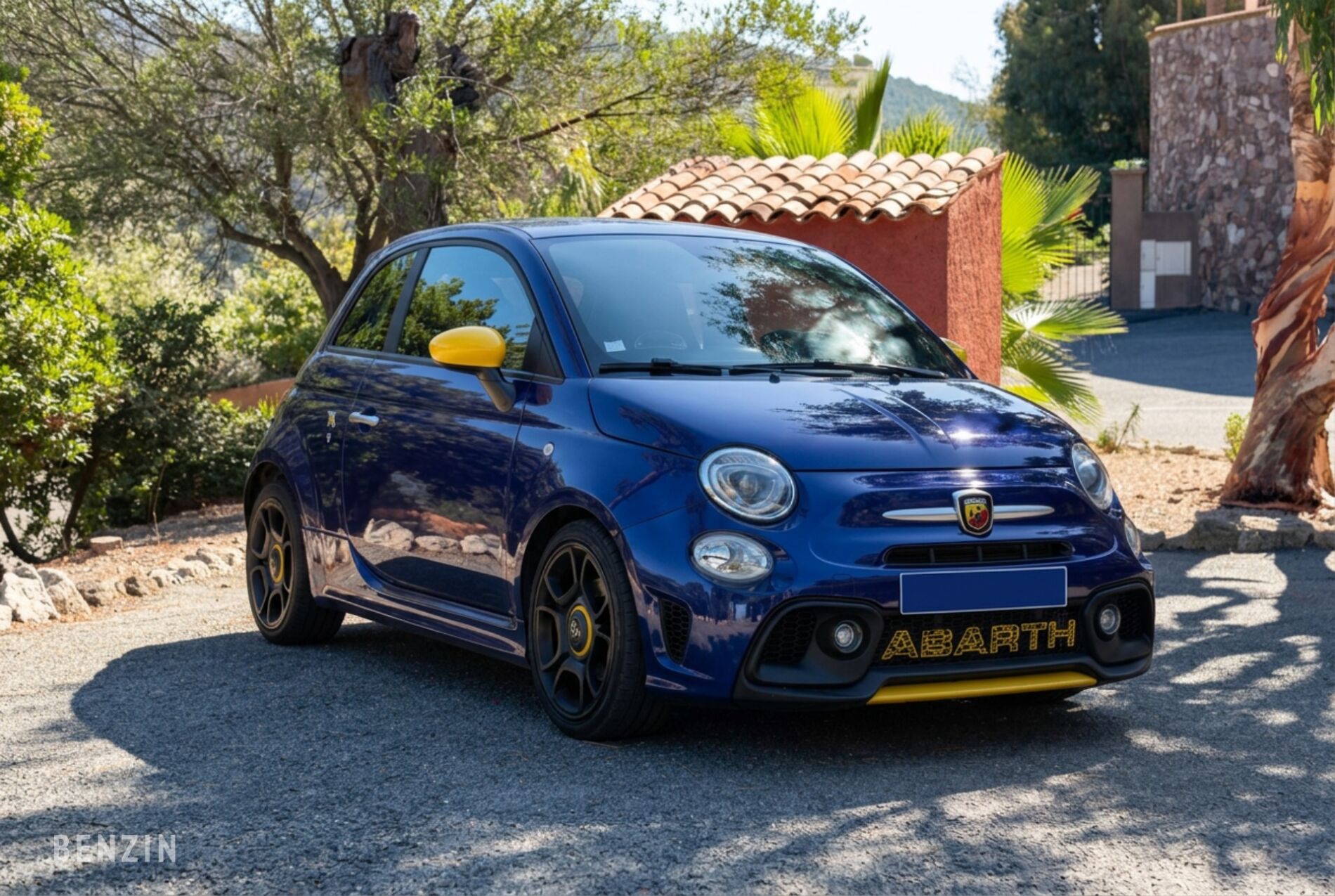
2018, gasoline, manual, 84K km, hatchback, 165 hp, grey, 595 Turismo 1.4 T-Jet, Used condition, Europa, In stock

AutoHus.de
 Germany, Lower Saxony
 Germany, Lower SaxonyGermany, Lower Saxony
 Alpes-Maritimes, France
 Romania, Arad CountyRomania, Arad CountyRomania, Arad CountyRomania, Arad County
 Bulgaria, Sofia
 Greece, Attica
If you are shopping for an Abarth, the smart move is not to treat it like a normal small-car search. Buyers usually come to Abarth because they want something with more attitude than a regular city hatchback, and that changes how you should read listings. A tempting ad with sporty photos is not enough. What matters is whether the seller shows that the car was owned with enthusiasm and discipline, not just driven hard and polished for sale.
This brand attracts emotional buyers, which can be good or bad for the next owner. A strong Abarth listing often feels specific: clear equipment details, cold-start or walkaround photos, a believable service story, and an honest explanation of modifications if there are any. A weak one is usually easy to spot. Watch for vague wording, repeated claims about “perfect condition” without evidence, missing interior photos, or a seller who talks only about exhaust sound and power but says little about maintenance, tires, brakes, or paperwork.
That owner profile matters more than many shoppers expect. With Abarth, the difference between two similar-looking cars can be the difference between a fun, sorted example and one that has spent too much of its life being driven aggressively and maintained reactively. Before you even call, compare how carefully each seller presents the car. Good listings usually save you time because they answer the sensible questions before you ask them.
In the EU market, Abarth often sits in an interesting middle ground. People rarely search it with completely neutral logic; they search with desire first, then try to justify the purchase. That is exactly when buyers overpay for cosmetic appeal or ignore weak documentation. If you feel you have found “the one,” slow down and compare it with a few other Abarth offers anyway. Patience is not just about waiting for a better price. It is about learning what a serious listing looks like.
A useful trick is to compare not only mileage and year, but also the seller’s attitude to the car’s story. Was the car kept close to original, or has it been modified? Neither is automatically wrong, but the explanation should make sense. Ask what parts were changed, whether original parts are included, and who performed the work. If the answers are defensive or inconsistent, that is often more important than the modification itself. On a brand like Abarth, “tastefully upgraded” can mean very different things from one owner to another.
Abarth ads can make it easy to focus on the exciting bits first, but maintenance history is where the real shortlist begins. Look for proof of routine servicing, invoices rather than promises, and details on wear items that sporty driving can affect. Check whether the seller can explain recent work calmly and clearly. A seller who says “everything done” but cannot name when, where, or why is giving you less than it sounds.
When you compare Abarth cars for sale, pay attention to what is visible in the photos as well. Steering wheel wear, seat bolsters, pedal condition, panel gaps, wheel damage, and tire brand choice can tell you a lot about ownership style. Premium-looking photos do not automatically mean a careful car, but chaotic details often reveal a casual maintenance approach. If the car has very low mileage, the cabin, controls, and general presentation should feel consistent with that claim.
One reason Abarth shopping gets tricky is that buyers are not always choosing between better and worse cars. Sometimes they are choosing between a more original car and a more personalized one. That is a real market difference, especially in enthusiast brands. An original example may be easier to value, easier to insure in some cases, and easier to resell later. A modified one may be more appealing to you today, but only if the work was done properly and documented well.
This is where many weak offers try to hide. Sellers know that an Abarth buyer may enjoy aftermarket wheels, suspension changes, decals, exhaust parts, or tuning language. None of that should impress you on its own. Ask whether the setup makes the car better to own every day or simply louder and harder to sell. If the listing reads like a hobby project and not a clean ownership proposition, be stricter. A charismatic brand can make buyers forgive details they would never ignore on another used car.
Keep the first conversation practical. Ask whether the car has a complete service history, how long the current owner has had it, whether it has been modified, whether original parts are available, whether there are warning lights, accident repairs, oil leaks, or recent suspension and brake work, and whether two keys and all documents are present. Also ask for specific extra photos if the ad is thin. A serious seller usually does not struggle with reasonable requests.
If you are comparing offers across Europe, consistency matters. Registration history, import background, and document clarity may affect how easy the next step will be. You do not need to assume a problem, but you do need the paperwork story to be simple. A complicated explanation is not always a bad sign; a complicated explanation with missing proof often is.
Go see the car when the listing is detailed, the seller is transparent, the service story sounds coherent, and the condition shown in photos matches the claimed mileage and care level. Walk away, or at least pause, when the ad leans heavily on emotion and lightly on facts. The best Abarth listings usually feel confident without trying too hard. They show enough detail to let you judge the car before you fall for it.
That is the right mindset for this brand. Abarth can be a rewarding buy, but only when you balance the fun factor with calm comparison. In a niche-feeling search, the advantage goes to the buyer who stays curious, asks normal questions, and refuses to confuse excitement with quality. Do that, and the good offers start standing out very quickly.
 Add as preferred sourceSee more from zvelta in Google Search Add as preferred source