 EN
EN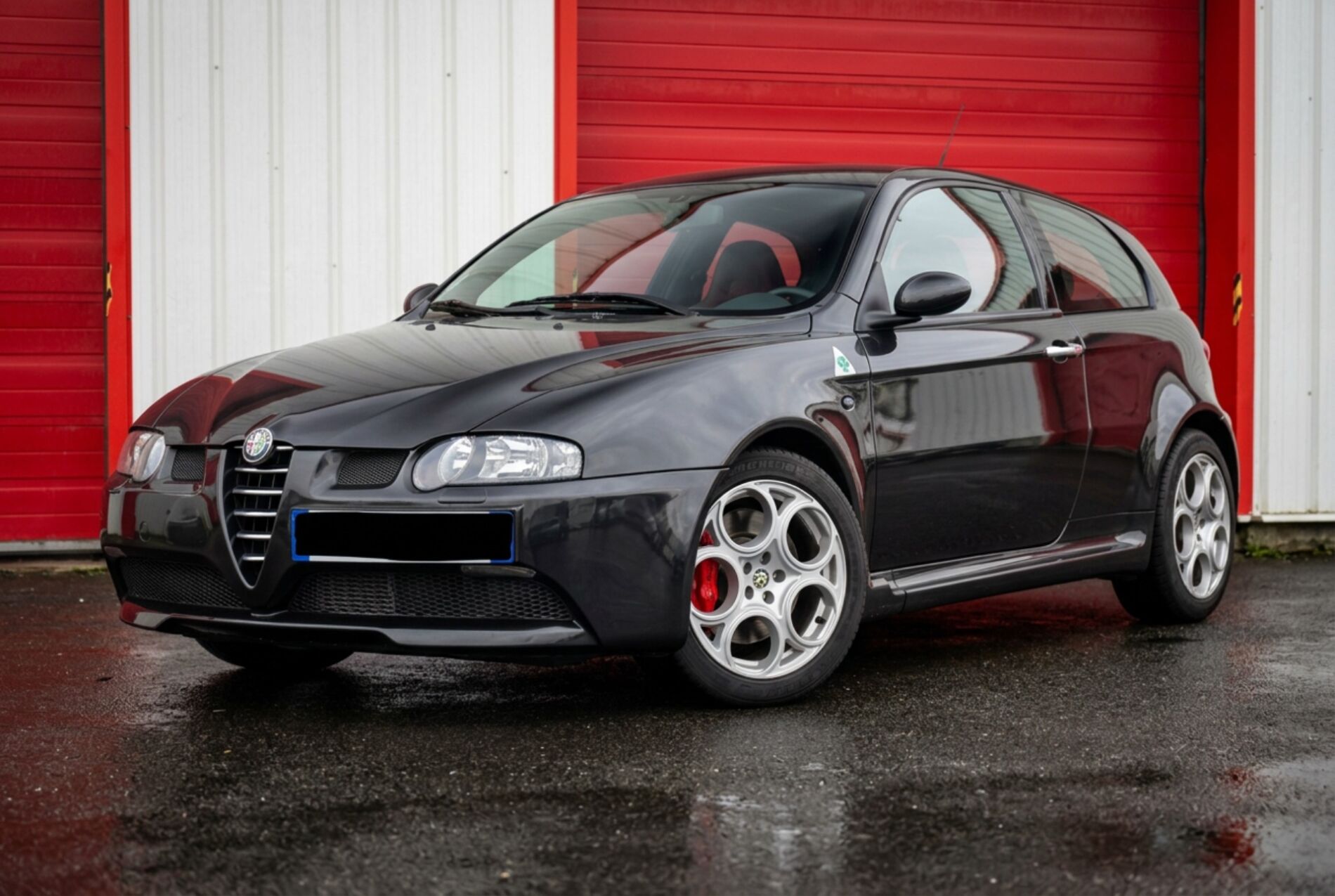
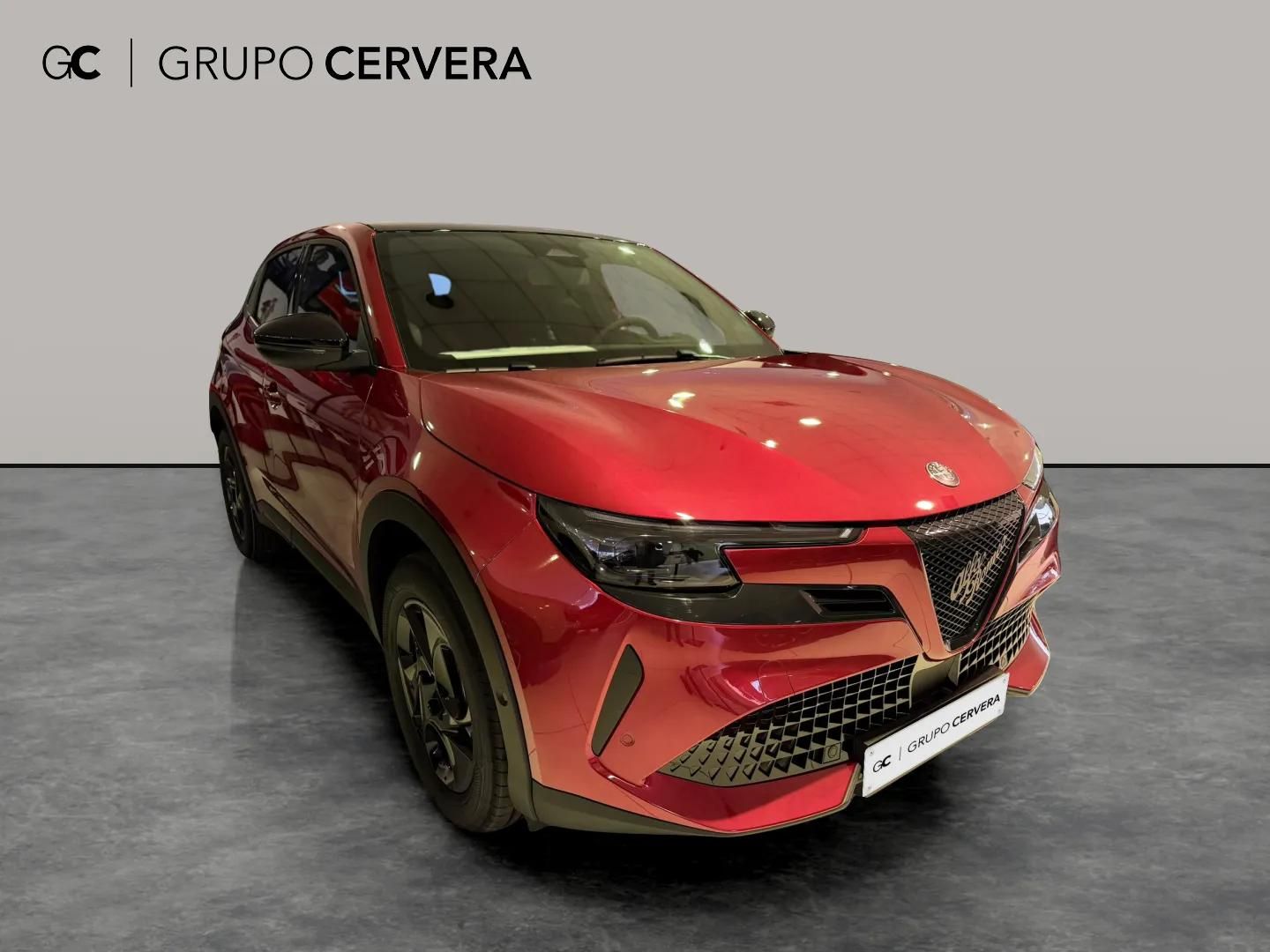
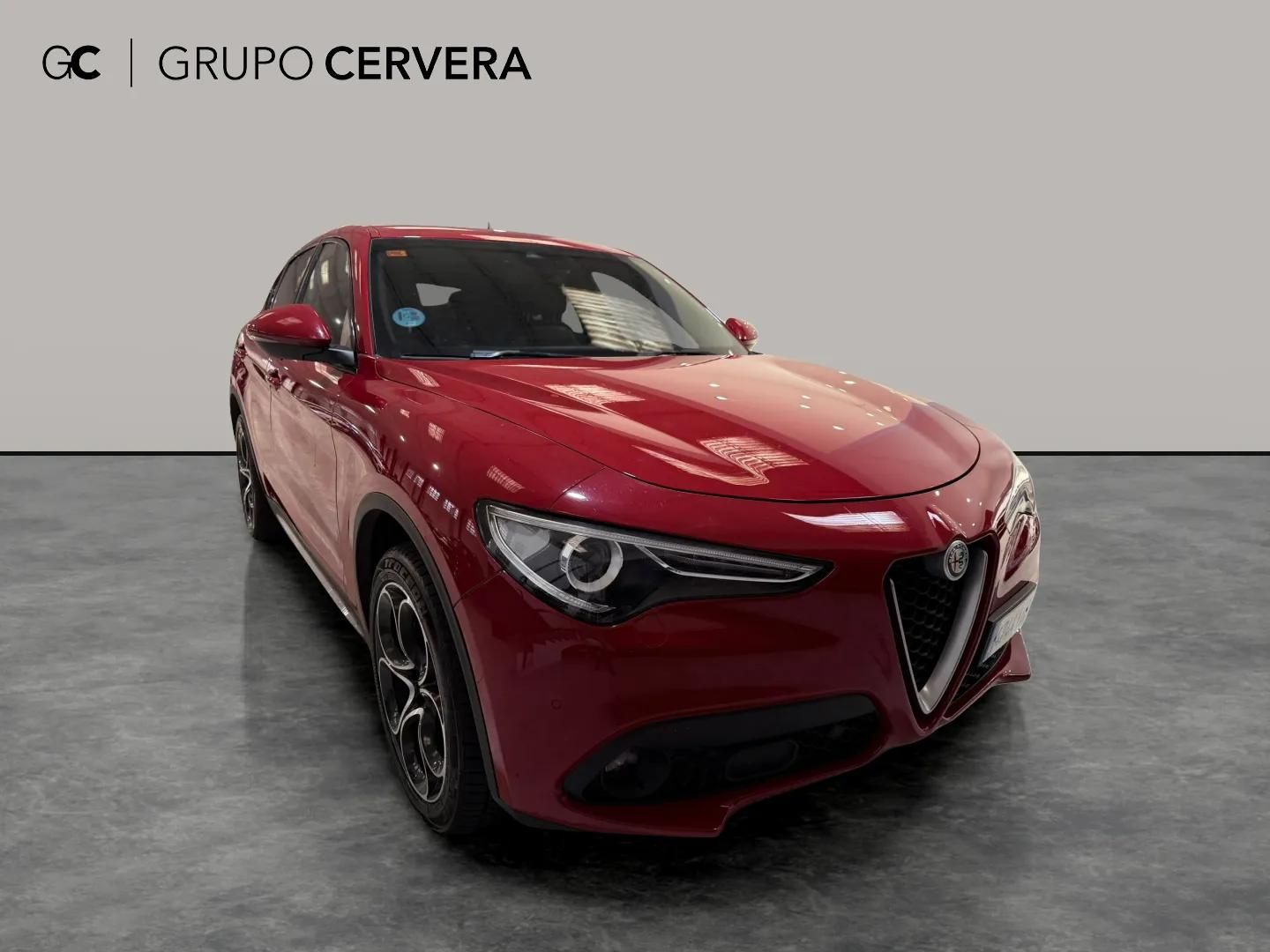
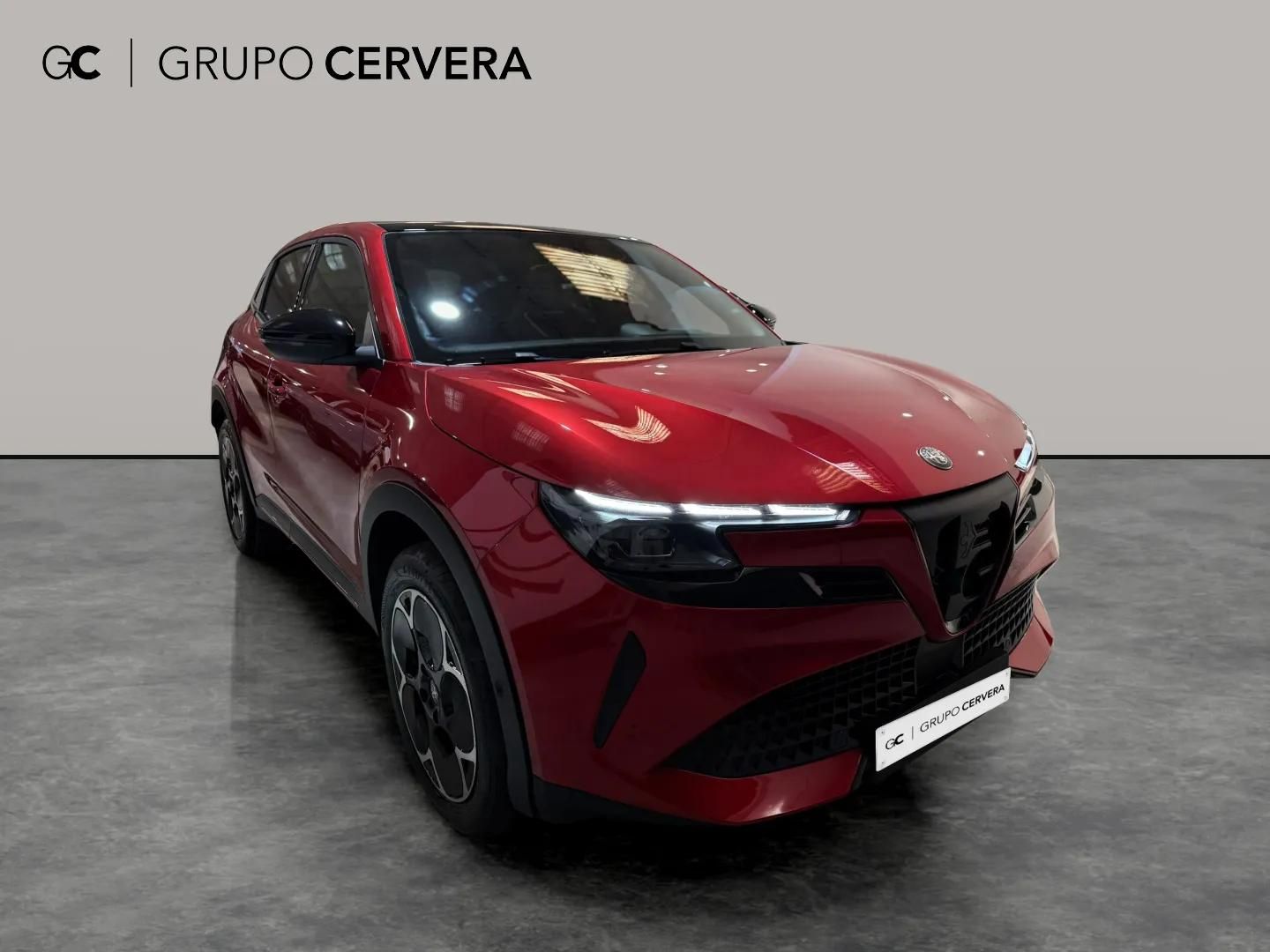
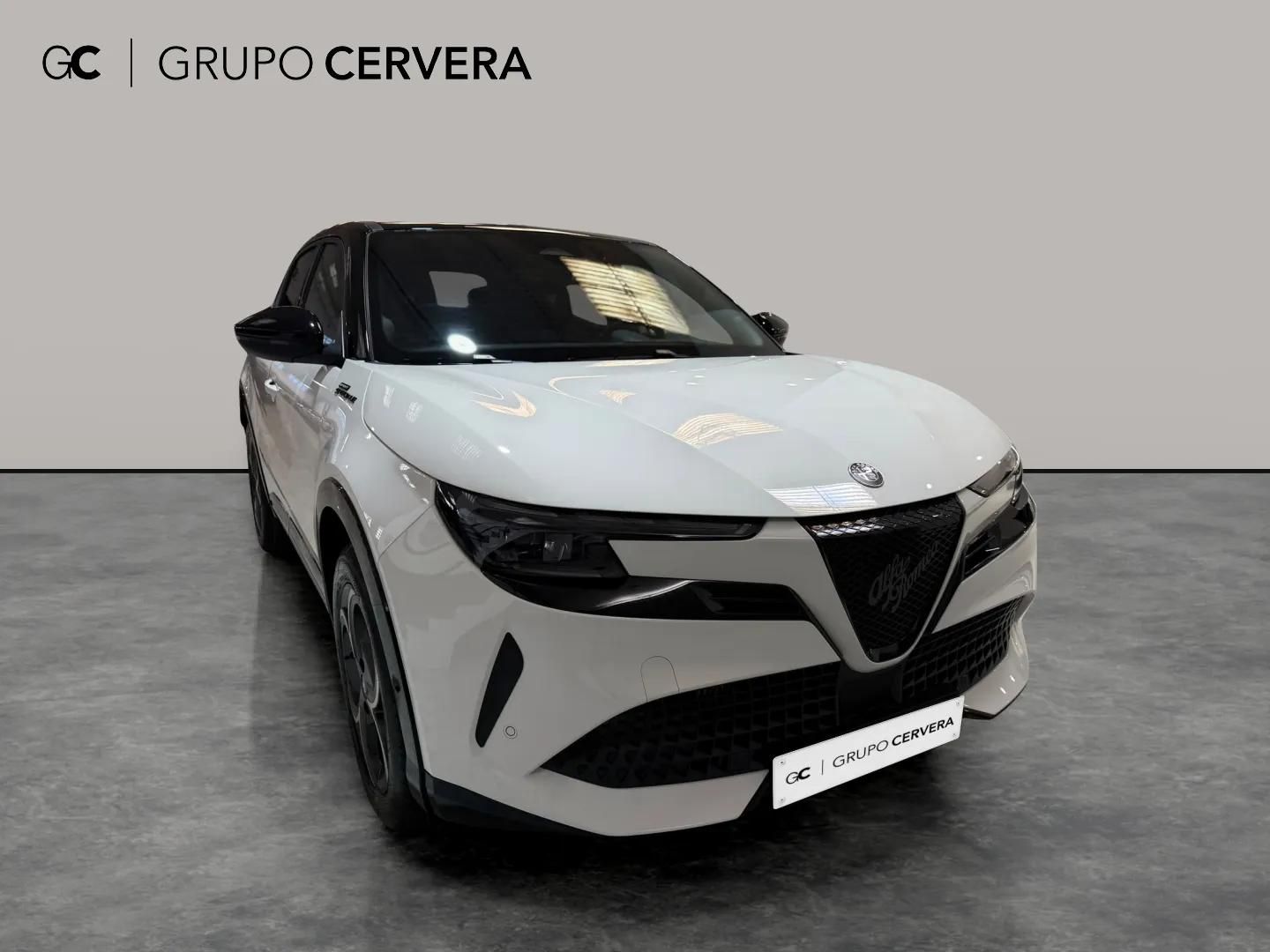
gasoline, manual, 119K km, hatchback, 250 hp, black, reserve, In stock, sale date 20.10.2026 14:50

benzin.fr
 Val-de-Saâne, France
Auction starts · 20 Oct, 14:50
Current bid€12,400
 Val-de-Saâne, France
 Spain, Castille and LeónSpain, Castille and LeónSpain, Castille and LeónSpain, Castille and LeónSpain, Castille and LeónSpain, Castille and LeónSpain, Castille and León
 BelgiumBelgiumBelgiumBelgiumBelgiumBelgiumBelgiumBelgium
 NetherlandsNetherlandsNetherlandsNetherlandsFranceFranceFranceFranceFrance
Shopping Alfa Romeo listings usually starts with emotion, but the smart shortlist comes from comparing the basics with discipline. When you browse new and used cars for sale, look past the badge first: check the exact model, year, mileage, engine and transmission combination, then compare how complete each listing is. A strong Alfa Romeo advert should tell you clearly what is being sold and show enough photos to judge body condition, interior wear, wheels, lights, and any obvious cosmetic mismatch. If the description is vague, the service record is missing, or the seller avoids simple details, that matters more than a stylish photo set.
Across the Alfa Romeo market in Europe, buyers often filter by the balance between character and day-to-day usability. That means comparing not just body style or trim, but also whether the car fits your ownership tolerance. Some shoppers want a newer, better-equipped example with lower mileage and a more complete maintenance trail. Others are happy to consider older or higher-mileage cars if the condition looks honest and the history is easier to verify. In practice, the best listing is rarely the cheapest one on the page. It is the one where age, mileage, equipment, and seller transparency line up in a believable way.
When two similar cars appear close in price, use the details to separate them. Check whether the seller lists recent maintenance, tyre condition, warning-free dashboard photos, and clear information about keys, registration papers, and inspection status where relevant. If the car has a manual or automatic transmission, make sure the ad confirms which one it is rather than leaving you to guess. The same goes for fuel type and engine version. Alfa Romeo buyers often compare these specifics because they affect running costs, driving feel, and how easy it will be to resell later. A listing that leaves them unclear creates extra risk before you even make contact.
Before calling or sending an enquiry, read the advert as if you were checking it for someone else. Do the photos match the written description? Is the mileage presented consistently? Are there close-ups of the seats, steering wheel, infotainment area, and body panels, or only glamorous angles? With Alfa Romeo, as with any brand that attracts enthusiastic private owners, presentation can be very polished, so it helps to separate careful ownership from careful marketing. Ask for service invoices, not just a statement that the car has been maintained. Ask whether there are any unresolved faults, warning lights, accident repairs, or known cosmetic defects. A straightforward seller should be able to answer without drama.
For used Alfa Romeo cars especially, ownership history can matter as much as specification. A car with sensible mileage and a traceable record may be a more practical buy than a more highly optioned example with patchy paperwork. If you are comparing dealer and private listings, remember the trade-off: a dealer car may come with more formal presentation and easier paperwork, while a private sale can offer better context from the actual owner. Neither is automatically better. The key is whether the seller can explain the car clearly and support the story with documents.
Because Alfa Romeo is often chosen as much for style and brand appeal as for pure transport value, equipment and condition need to be judged together. A high-spec listing can look tempting, but missing maintenance evidence or visible wear should still weigh heavily in your decision. Likewise, a simpler version with a clean cabin, consistent panel gaps, matching tyres, and believable mileage may be the better long-term bet. Try to compare real use-value: climate features, seat condition, wheel damage, infotainment age, safety equipment shown in the advert, and whether everything appears original or modified. Tasteful upgrades are not automatically a problem, but they can narrow future resale appeal and make it harder to judge how the car has been treated.
Availability also shapes the search. In some parts of the European market, you may not see a large number of Alfa Romeo cars for sale at one time, so buyers often need to decide where they can compromise. That might be on colour, trim, mileage band, or transmission preference, but it should not be on documentation and honest condition. If stock is limited, it is even more useful to compare listings slowly and keep notes. A rushed decision based on rarity or appearance alone can lead you past the better car.
Alfa Romeo makes sense for buyers who want something more distinctive than a purely anonymous listing, but that also means your search should stay grounded in evidence. The right car is not simply the most eye-catching example; it is the one with the clearest history, the most coherent specification, and the fewest unanswered questions. Compare new and used listings carefully, look for maintenance proof, confirm engine, fuel and transmission details, and judge the seller as seriously as the car itself. That approach helps you find an Alfa Romeo worth pursuing, whether you are buying for style, enthusiast interest, or simply because one specific listing stands out for the right reasons.
 Add as preferred sourceSee more from zvelta in Google Search Add as preferred source