 EN
ENDEALER

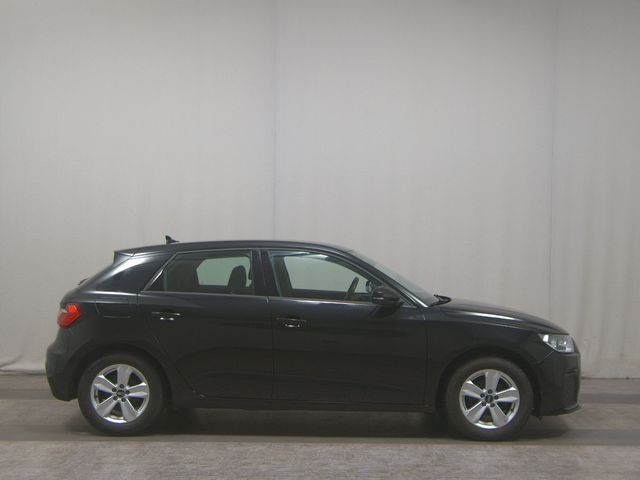
2022, gasoline, manual, 88K km, hatchback, 999 cm3, 95 hp, white, 25 TFSI Advanced 1.0 TFSI 95CV MT5 E6d, Used condition, Europa, In stock, sale date 20.10.2026 05:00

CarOutlet.eu
 Spain
SpainAuction starts · 20 Oct, 05:00
Current bid€11,800
 Spain
Spain BelgiumBelgiumBelgiumBelgiumBelgiumBelgiumBelgiumBelgiumBelgiumBelgiumBelgiumBelgiumBelgiumBelgium
 NetherlandsNetherlandsNetherlandsNetherlands
 FranceFranceFrance
 Germany, Lower Saxony
 Weinheim, GermanyWeinheim, Germany
If you are looking at an Audi A1, the smartest move is not to ask whether it is a “good car” in the abstract. Ask whether this exact Audi A1 listing makes sense against the next three you could view. That mindset saves time, avoids emotional overpaying, and quickly exposes weak ads. In the EU market, where used cars often appear with very different histories, equipment and seller quality, the real skill is comparison rather than excitement.
The Audi A1 usually attracts buyers who want a small premium hatchback feel without stepping into a larger car. That means listings can look stronger than they really are. A clean photo set, a nice wheel design and one sentence like “well maintained” can make an average offer feel special. Slow down. Compare each Audi A1 first on the basics: mileage consistency, service history detail, number of photos, visible wear, tyre condition, dashboard warnings, and whether the seller explains ownership clearly.
A strong ad tends to answer questions before you ask them. It mentions when the car was serviced, whether keys and manuals are present, what equipment matters in daily use, and whether any cosmetic damage exists. A weak Audi A1 listing often hides behind vague wording, cropped photos, or too much emphasis on monthly comfort language instead of ownership facts. If the seller says “top condition” but avoids interior close-ups, seat wear, screen condition, or steering-wheel photos, treat that as a signal to ask more before arranging a visit.
This is where many buyers get sharper. An Audi A1 often sits in a shortlist with other compact hatchbacks that may offer more space, lower running-cost risk, or newer-looking equipment for similar money. That does not mean the Audi A1 is the wrong choice. It means you should decide which compromise you are happy to accept.
If you want the Audi badge, compact dimensions and a tidier upmarket feel, an Audi A1 can justify staying on your shortlist. But compare that with what nearby alternatives offer in rear-seat space, luggage room, visibility, and overall value. If one A1 is noticeably more expensive than similarly presented rivals, ask yourself what you are truly paying for: better condition, better history, better specification, or simply a cleaner ad. If you cannot answer that, wait.
A good rule: do not compare the best-looking Audi A1 with the weakest alternatives. Compare average against average. When you do that, the market becomes clearer. Sometimes the right A1 is the one with slightly less glamorous photos but a fuller maintenance story and a seller who can explain the car calmly. That is usually more valuable than bright paint in golden-hour pictures.
Before contacting a seller, zoom in on the signs of ordinary ownership. On an Audi A1, little details matter because buyers often expect a premium feel from a small car. Check whether the bolsters, switches, infotainment controls, boot trim and alloy wheels match the claimed care level. Heavy wear in obvious touch points does not automatically make the car bad, but it should fit the mileage and the seller’s story.
Then ask short, useful questions. Why is the car being sold? How long has the current owner had this Audi A1? Is there service documentation, and is it stamped, invoiced, or both? Has any bodywork been repainted? Are there warning lights when cold? What tyres are fitted, and are they matched? Has the gearbox behavior changed recently? These are not dramatic questions; they are the kind that reveal whether the seller actually knows the car.
One helpful editorial trick: pay attention to how the seller answers simple timeline questions. With a used Audi A1, a seller who can clearly describe when they bought it, when it was last serviced, and what was done recently is usually easier to trust than someone who keeps returning to generic phrases like “everything works” or “you can come and see.” Confidence without detail is not the same as transparency.
The tempting Audi A1 listing is often the one priced just low enough to create urgency. But low entry price can hide upcoming costs or neglected basics. If the ad shows tired tyres, a sparse description, missing service proof or obvious cosmetic shortcuts, assume the seller may also have delayed less visible maintenance. That does not make the car automatically bad, but it does change the value equation.
This is why waiting can be the better decision. In a market with multiple Audi A1 cars for sale, patience is a real advantage. You are not only buying the car; you are buying the quality of the previous ownership and the honesty of the current sale. If two or three listings feel incomplete, do not talk yourself into one just because it is nearby or available this weekend. A better-documented Audi A1 is often the cheaper long-term choice even if the asking price is higher.
A worthwhile Audi A1 offer usually does three things well: it presents the car clearly, it makes the ownership story easy to follow, and it leaves fewer gaps for you to investigate. When comparing used listings, keep your notes simple: condition, history, equipment, seller clarity, and likely immediate spend after purchase. That alone will eliminate a surprising number of ads.
If one Audi A1 stands out because everything is slightly more coherent rather than dramatically more exciting, that is often the one to inspect first. Not the loudest ad, not the cheapest promise, but the listing that survives comparison. For this model, disciplined comparison is not boring; it is exactly how you find the offer that still feels right after the first impression wears off.
 Add as preferred sourceSee more from zvelta in Google Search Add as preferred source