 EN
ENDEALER

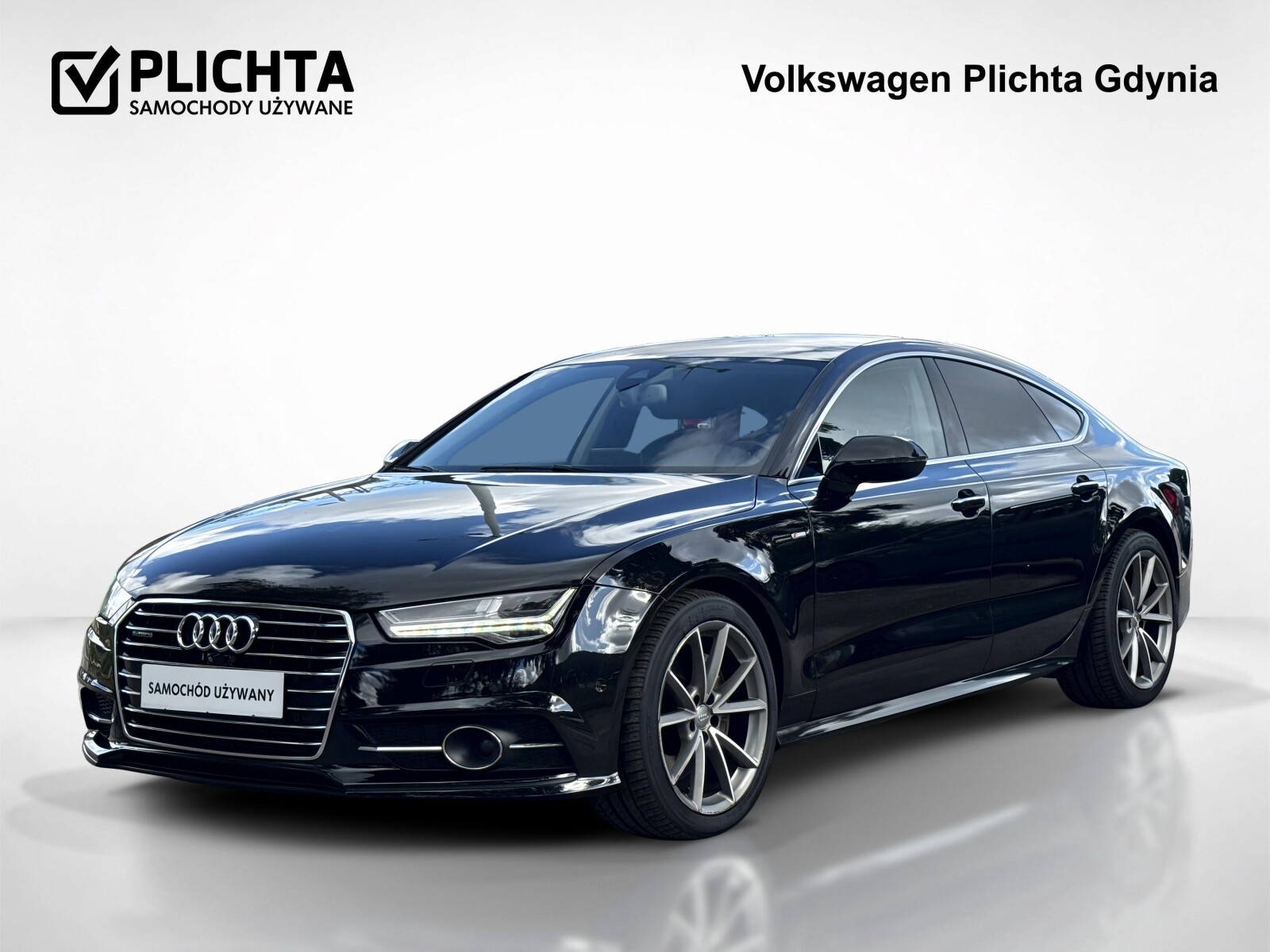
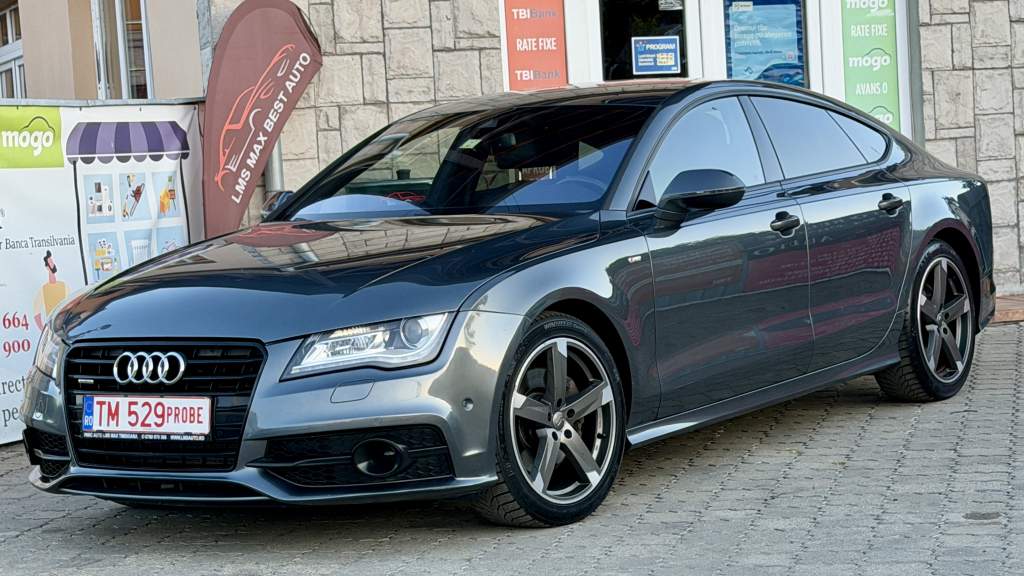
2014, gasoline, automatic, 73K km, sedan, 2,773 cm3, 204 hp, black, sportback 2.8 fsi quattro s edition, Used condition, Europa, In stock, sale date 21.10.2026 03:15

CarOutlet.eu
 Netherlands
Auction starts
21 Oct, 03:15
 Netherlands
 Riederhöfe, GermanyRiederhöfe, GermanyRiederhöfe, GermanyGermany
 Cisowa, PolandRedłowo, PolandSzadółki, PolandSzadółki, Poland
 Czech Republic, Olomoucký kraj
 Poland, Lesser PolandPoland, Lesser Poland
 Romania, Timiș County
 Romania, Timiș County
 Romania, Mureș CountyRomania, Mureș County
 Romania, SuceavaRomania, Suceava
 Turnişor, Romania
 RomaniaRomaniaRomania
 Romania
 RomaniaRomania
The best way to shop for an Audi A7 is to resist the temptation to buy the first handsome one you see. This model often sells on presence: the low roofline, the upscale cabin promise, the idea of getting something more distinctive than a regular executive sedan. That is exactly why comparison matters. When you browse Audi A7 cars for sale in Europe, the smartest move is to treat every listing as part of a small competition. You are not just asking, “Is this Audi A7 good?” You are asking, “Is this Audi A7 better than the next three I could call about this week?”
A used Audi A7 can look like a premium bargain until you compare the details that ownership will actually revolve around. Before you message any seller, line up a few nearby alternatives and compare the basics side by side: model year, mileage, visible condition, service history, engine and transmission description, number of photos, and how clearly the seller explains the car. If one Audi A7 has great photos but vague text, and another has ordinary photos but a believable maintenance story, the second one may be the stronger lead.
Weak listings usually reveal themselves by what they avoid. If the ad spends more time praising the shape than showing the interior wear, tires, lights, and close-ups of body panels, slow down. If the mileage is stated but the service history is not mentioned at all, ask directly what records are available. If the seller writes “full options” or “perfect condition” without examples, that is not information. For an Audi A7, the useful listings tend to explain what has been done, what needs attention, and how the car has been used.
Here is the practical comparison mindset: not every compromise is equal. Higher mileage on an Audi A7 is not automatically a deal-breaker if the car presents consistently and the history makes sense. A lower-mileage example is not automatically better if the seller cannot support the story with invoices, inspections, or even a coherent explanation of ownership. Many buyers compare only the headline numbers and miss the more expensive difference between a cared-for car and a cosmetically prepared one.
When comparing several Audi A7 listings in the EU market, decide in advance what you are willing to compromise on. Color? Usually fine. A less exciting wheel design? Fine. One or two missing convenience features? Often acceptable if the car is otherwise honest. But be careful about compromising on document clarity, maintenance evidence, warning lights, inconsistent panel gaps in photos, or a seller who keeps avoiding direct answers. Those are the compromises that can turn a stylish purchase into a draining one.
There is also a subtle market truth with the Audi A7: buyers often cross-shop it emotionally against coupes and practically against executive sedans. That creates strange listings behavior. Some sellers market the car like a lifestyle object, others like a long-distance business car. Neither angle is wrong, but you should notice which one is hiding useful information. A lifestyle-style ad with sunset photos and no close-ups is less helpful than a plain listing that shows wear honestly. On this model, the serious seller is often the one who is slightly less theatrical.
A good call or message should help you eliminate weak offers quickly. Ask the seller of the Audi A7 to describe the service history in plain terms: what has been done recently, what is due next, and whether there are any faults the next owner should expect to address. Ask whether the mileage can be documented through records. Ask if all major equipment works as expected, including items that are expensive or annoying to ignore when something is wrong. Ask whether the car has had paintwork, body repairs, or longer periods off the road.
Then listen to how the answer is given. Detailed, calm answers are usually more valuable than polished ones. If the seller becomes impatient when you ask for underside photos, cold-start video, dashboard photos with ignition on, or documentation images, that tells you something. When shopping across Europe, where travel costs and time matter, clarity before the visit is part of the value of the offer.
One of the easiest mistakes with an Audi A7 is to justify a weak car because the model itself feels special. If you find yourself saying, “It is not perfect, but I have wanted an Audi A7 for a long time,” pause and compare again. A thin service file, suspiciously fresh presentation, or a rushed seller can still be a poor deal even when the body style is exactly what you want.
Sometimes waiting is the better move. With around a modest pool of listings, patience can be more useful than flexibility. If two or three cars all have the same vague description, incomplete photos, or strangely similar wording, do not force a decision just to stay inside the model. Compare the Audi A7 with nearby alternatives in your shortlist too. If a cleaner, more transparent offer from a comparable premium liftback or executive model is available, that comparison helps you judge whether the A7 premium is justified by condition rather than by image alone.
That is the heart of buying this car well: choose the Audi A7 that is strongest as an actual used car, not simply the one that looks most convincing in a thumbnail. The right listing should make your inspection easier, not harder. It should give you enough information to prepare useful questions, enough consistency to justify a viewing, and enough honesty that minor flaws do not feel like hidden ones. When an Audi A7 offer clears those hurdles, it becomes much easier to view it with confidence and much harder to regret buying it later.
 Add as preferred sourceSee more from zvelta in Google Search Add as preferred source