 EN
ENDEALER

€43,980DEALER
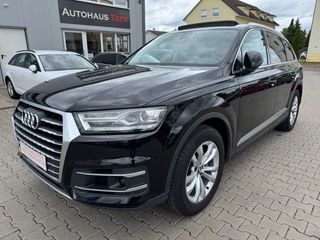
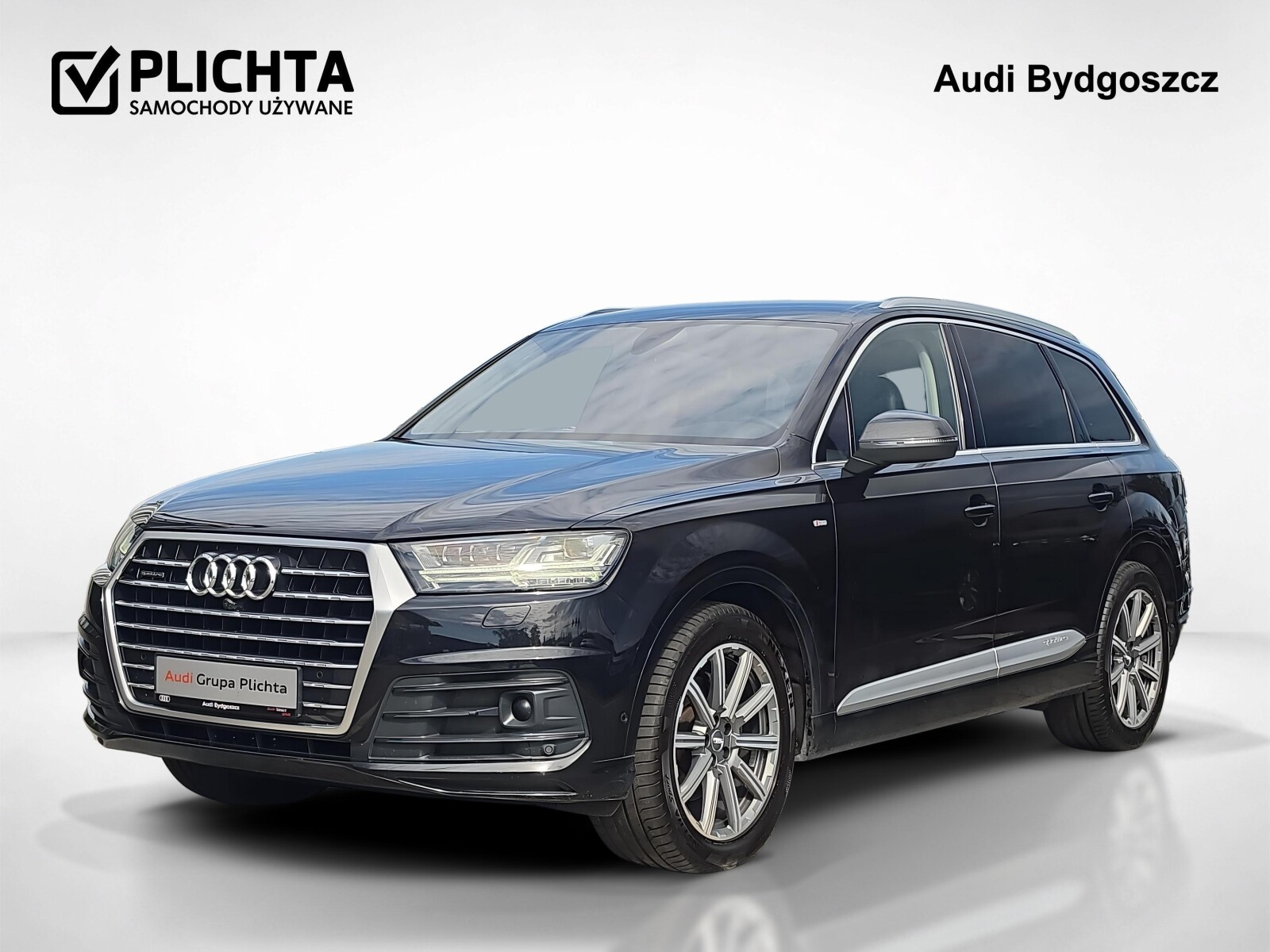
2018, diesel, automatic, 159K km, All Wheels Drive, 259 hp

notadir.benni.is
 Iceland
 IcelandReykjavík, Iceland
 Netherlands
 FranceFrance
 Gallus, GermanyGermany
 Germany, Baden-WurttembergHasenbergl-Lerchenau Ost, Germany
 Redłowo, PolandRedłowo, PolandRedłowo, Poland
 Estonia, Harjumaa
 Estonia, HarjumaaEstonia, HarjumaaSzadółki, PolandSzadółki, PolandSzadółki, PolandSzadółki, PolandSzadółki, PolandSzadółki, PolandSzadółki, PolandLetnica, PolandLetnica, PolandBartodzieje Małe, Poland
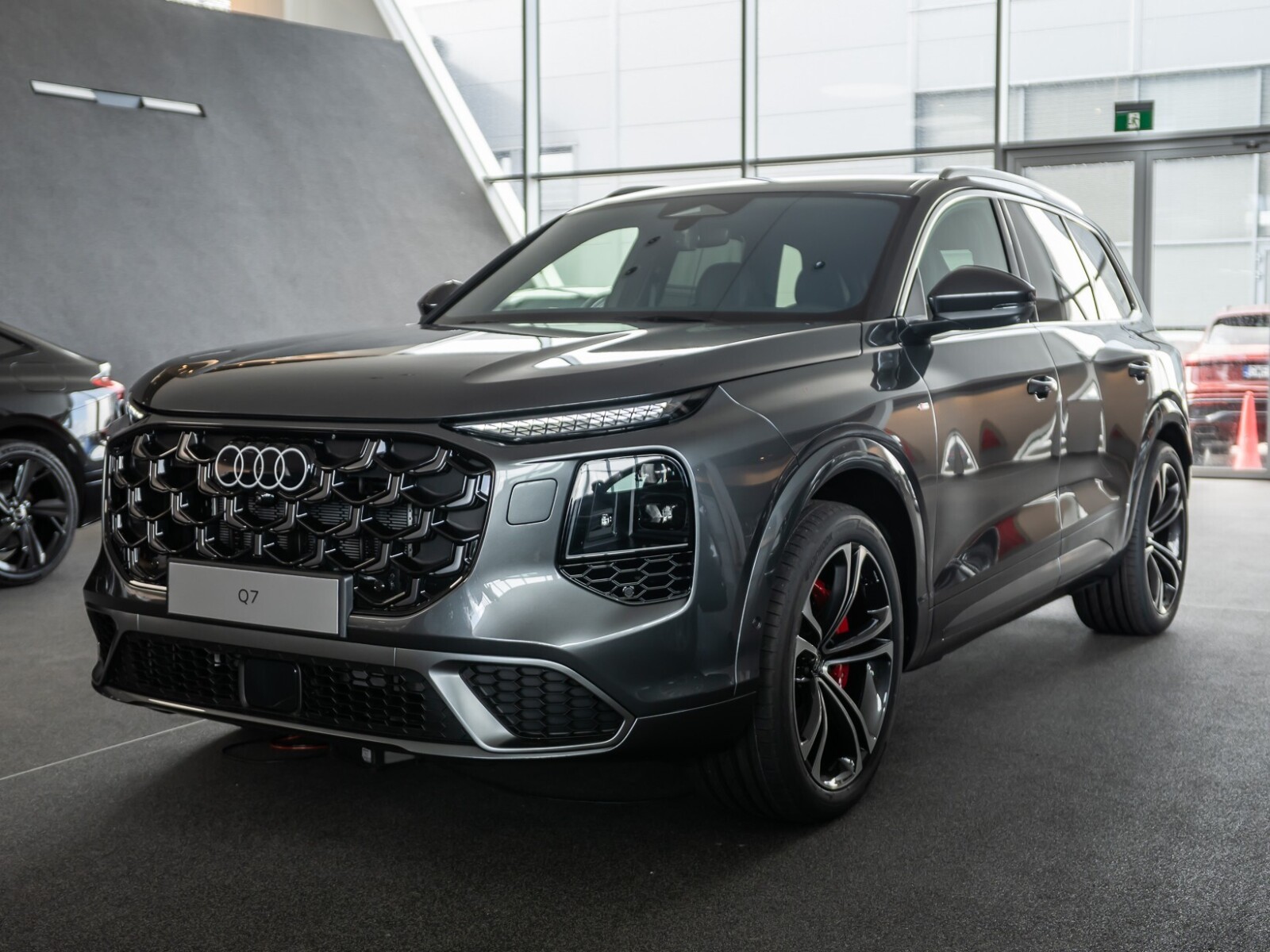
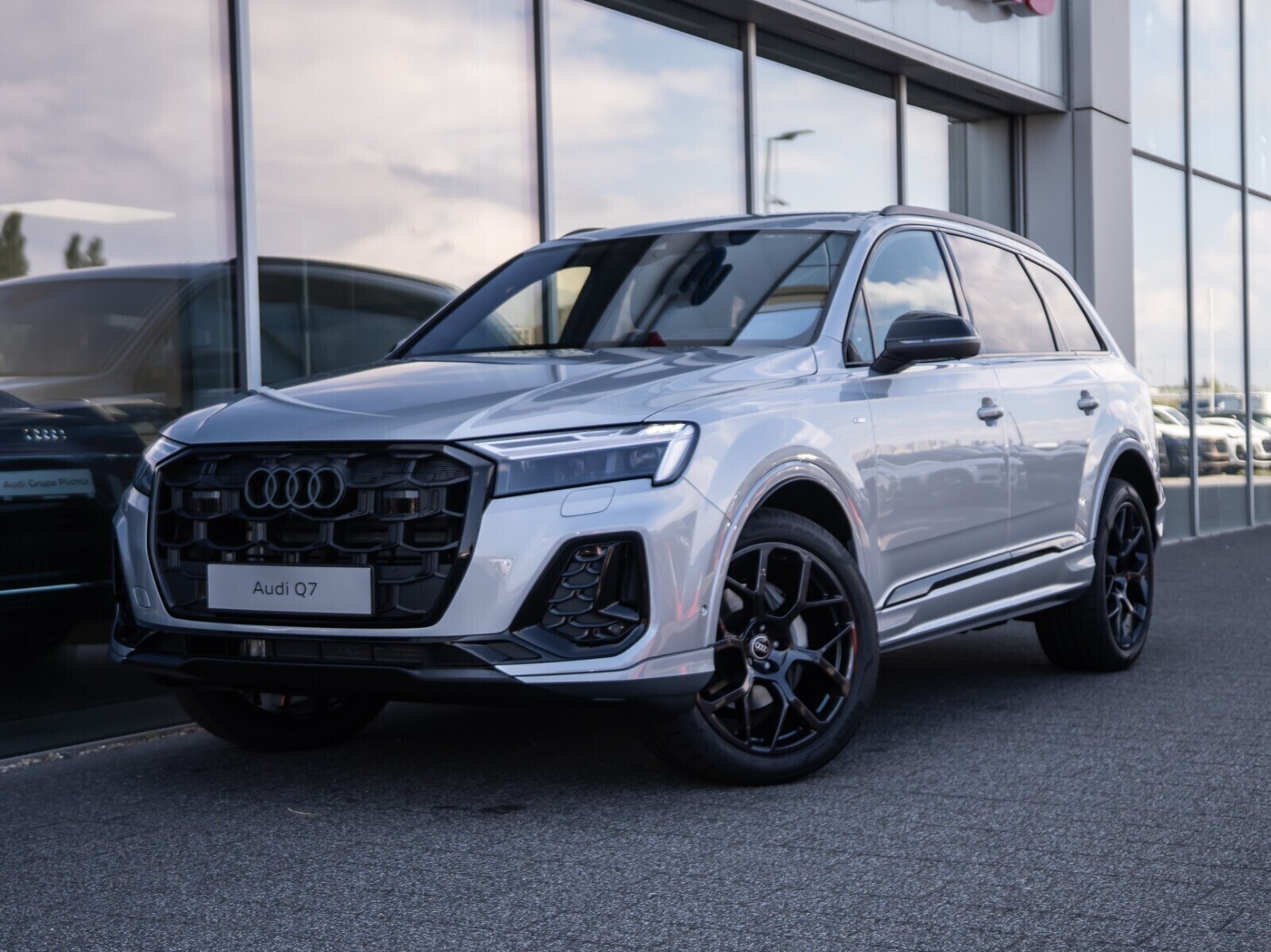
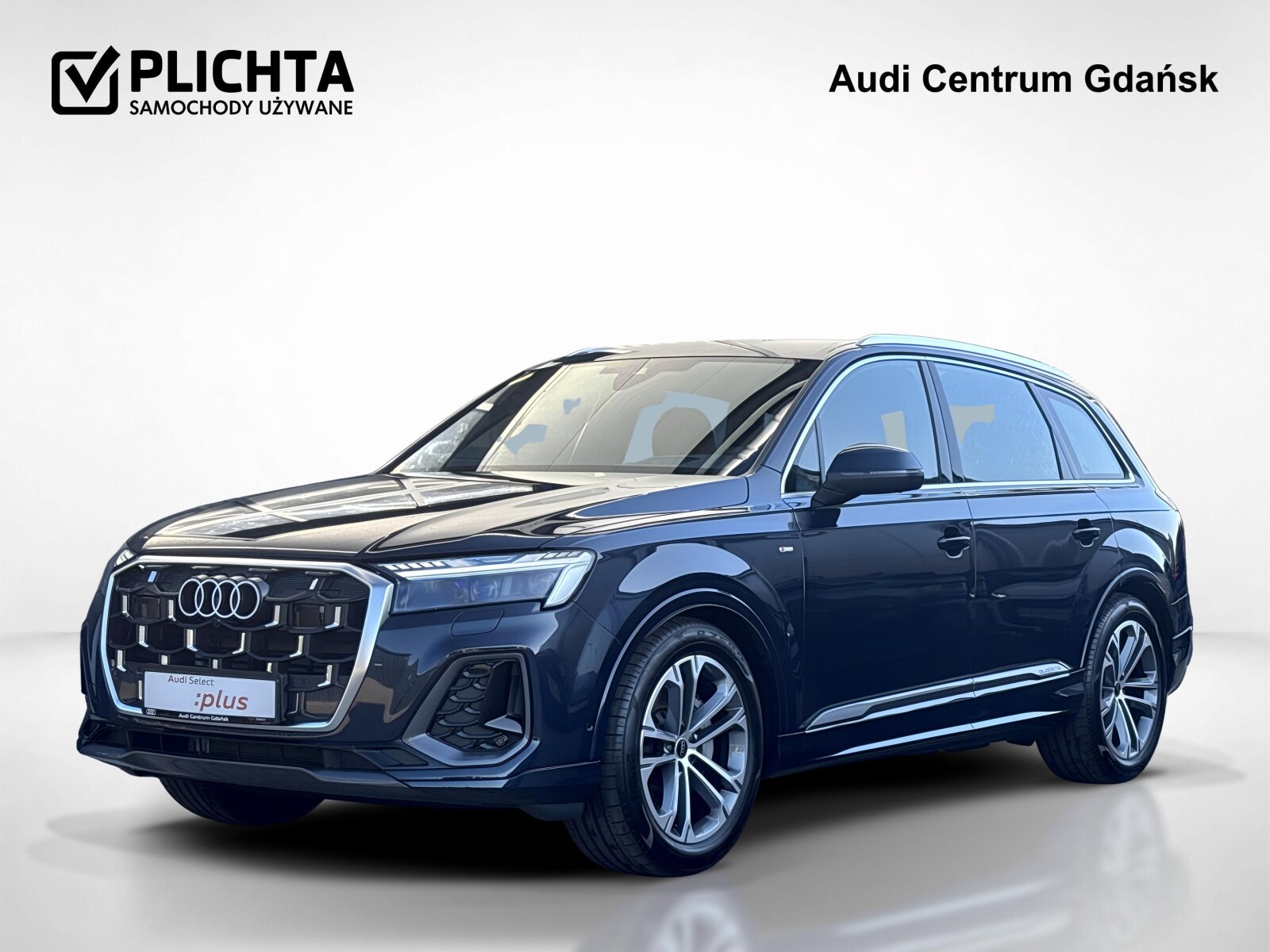
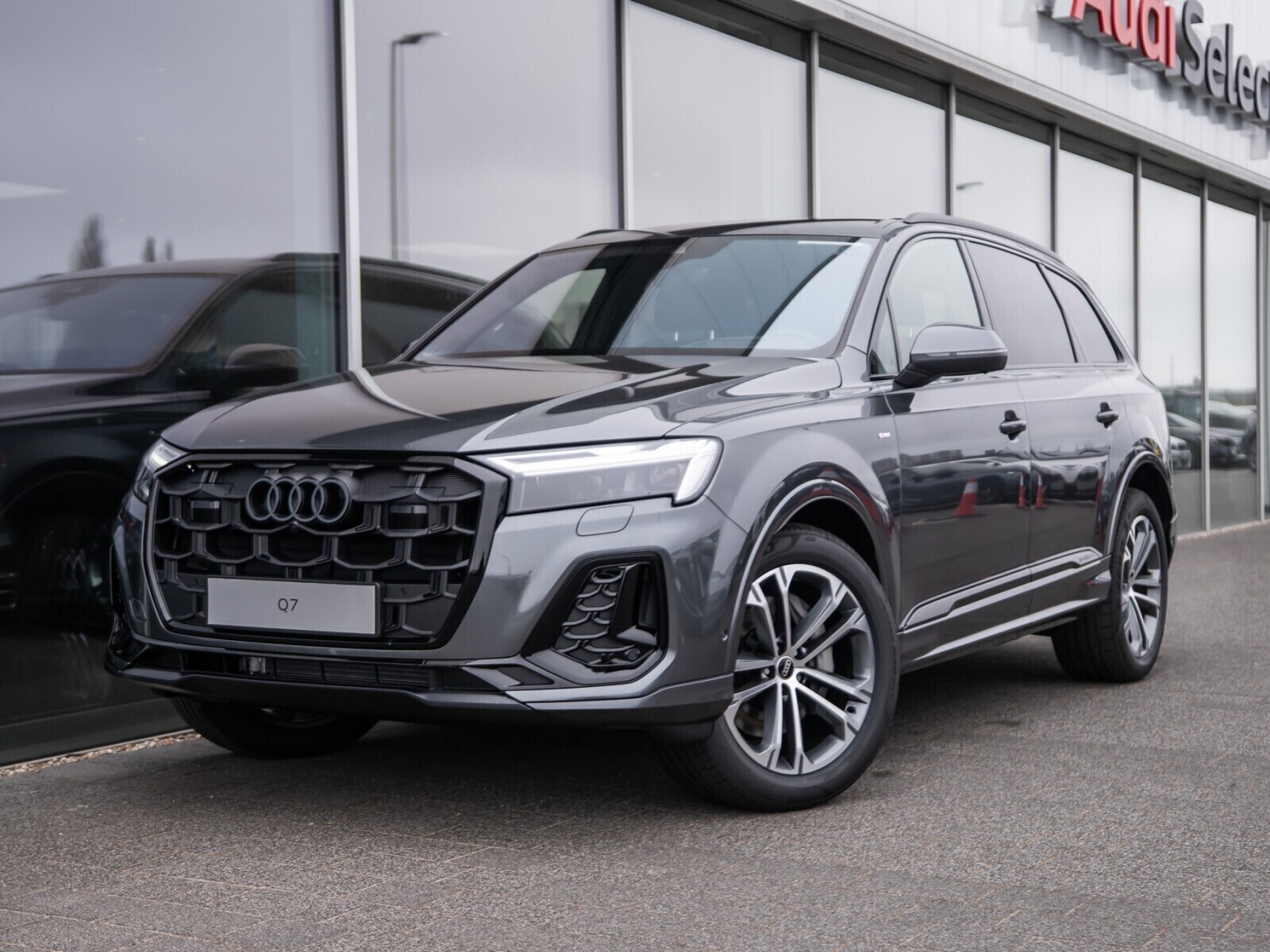
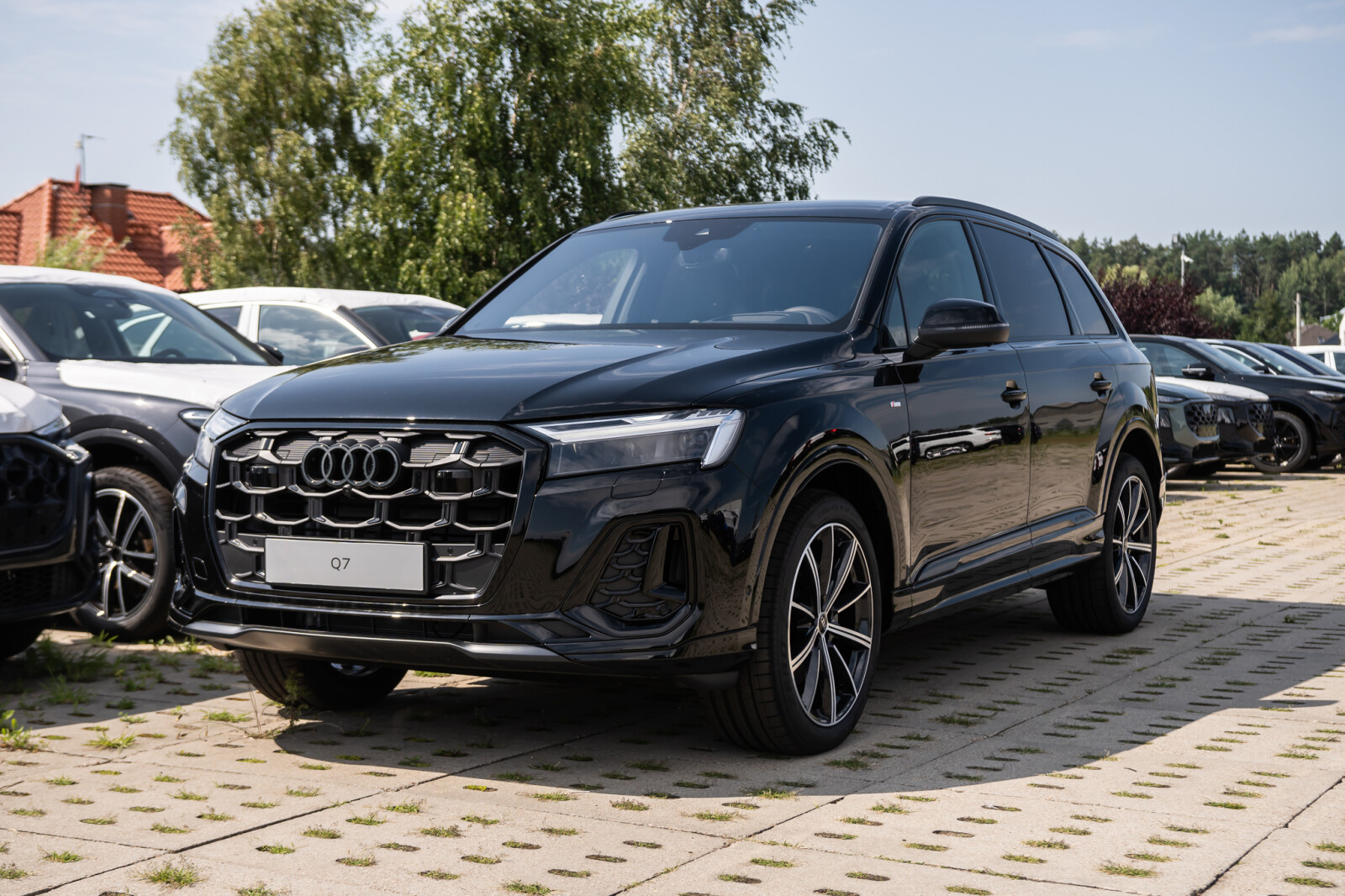
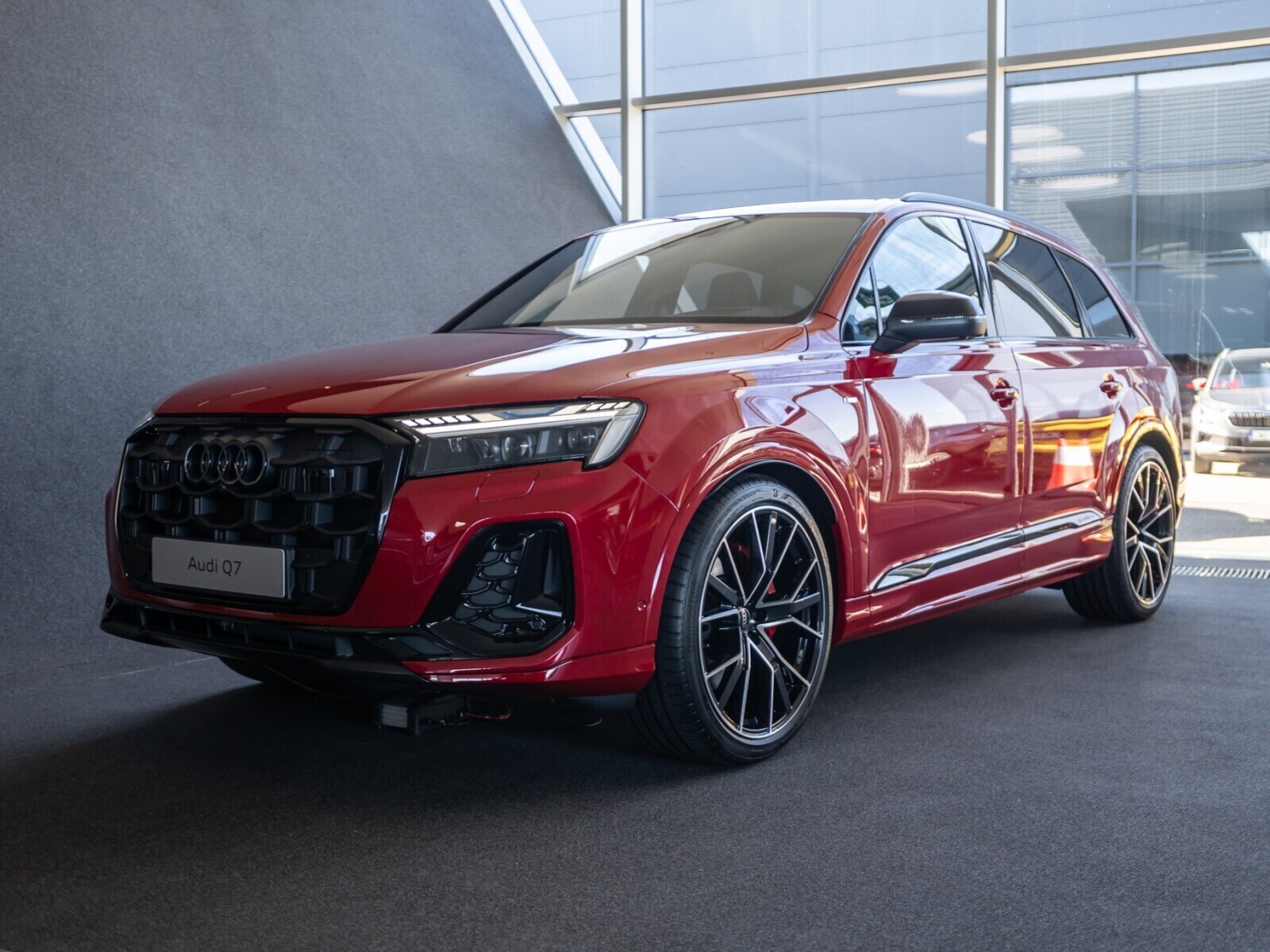
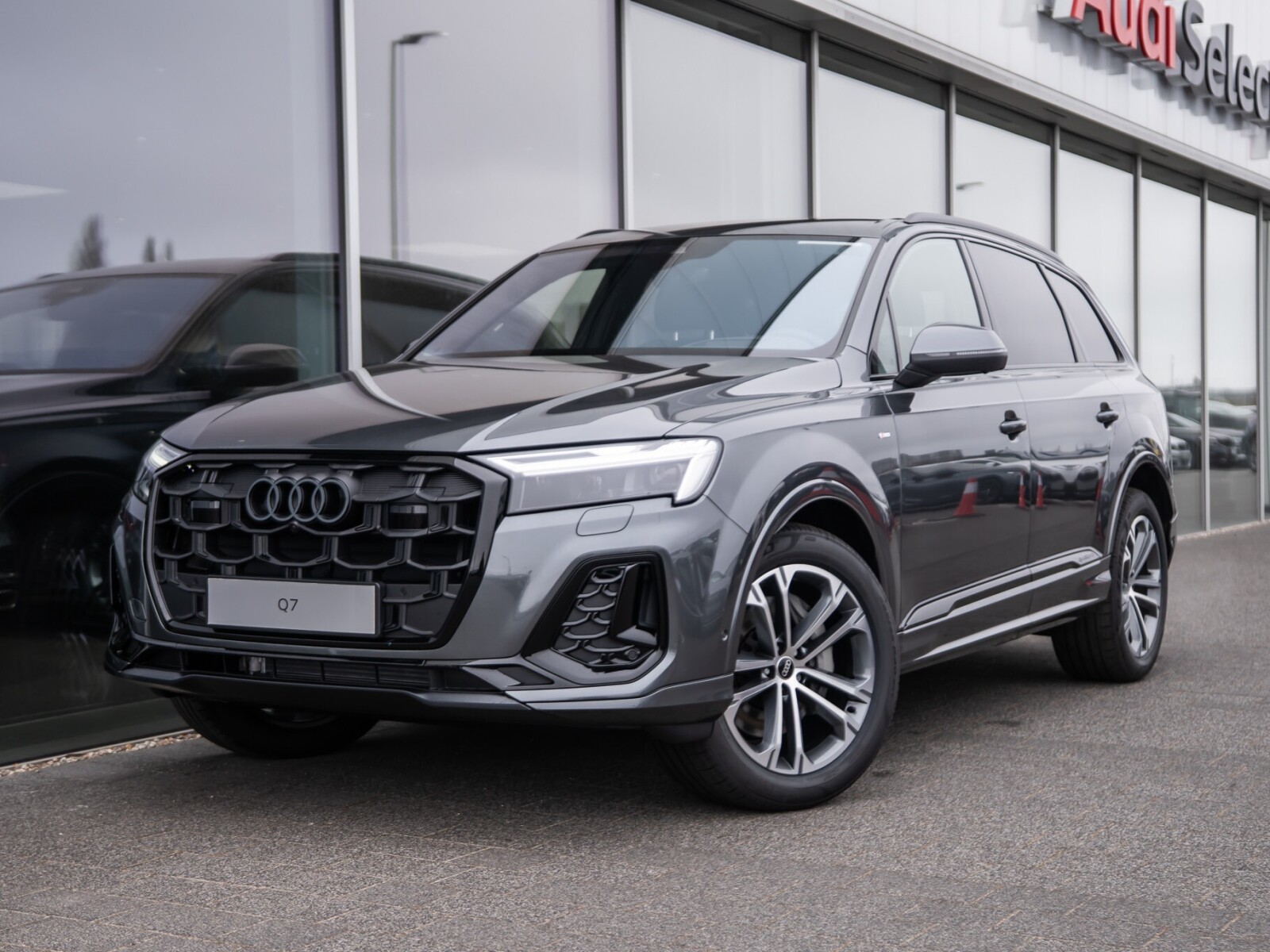
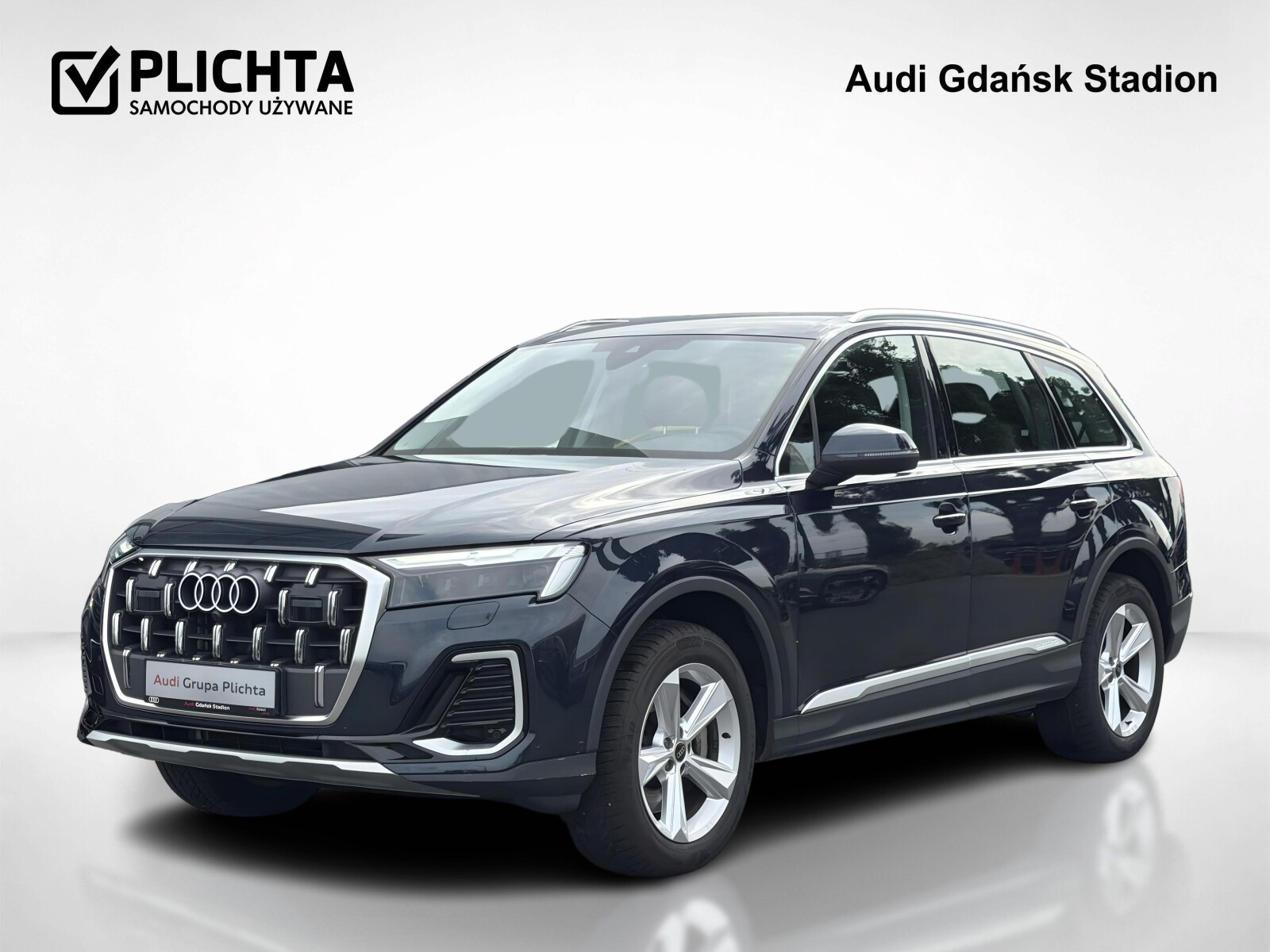
A good-looking Audi Q7 listing can waste your time faster than almost any ordinary family SUV. In the European market, supply may look broad at first glance, but the reality is messier: cars are spread across countries, seller transparency varies, and the first clean photos rarely tell you whether the offer is genuinely strong. If you are shopping for an Audi Q7, the smart move is to slow down before you travel, compare the listing itself as carefully as the car, and treat distance as a reason to ask better questions, not as a reason to compromise.
That matters because the Audi Q7 often sits in a very emotional part of the shortlist. People want the space, the badge, the road presence, and the premium feel, so they can talk themselves into a weak example more easily than they would with a simpler SUV. A seller knows this. A shiny Audi Q7 with large wheels, dark glass, and a tidy interior can look "right" in ten seconds. What you need to find out is whether it still looks right after twenty minutes of reading the ad closely and ten minutes of asking precise questions.
Start with the basics, but do not stop at them. Mileage, registration year, engine, transmission, equipment, and photo quality all matter, yet the real clues are often in how the listing is written. A strong Audi Q7 offer usually has consistency: the trim description matches the photos, the wear shown on the steering wheel and seats does not obviously fight with the stated mileage, and the seller sounds comfortable discussing ownership history and maintenance. Weak listings often feel vague in a very specific way. They use broad phrases like "full options" or "excellent condition" but avoid showing details that experienced buyers want to see.
Look carefully at what is missing. Are there clear photos of the driver’s seat, cargo area, infotainment screen, and all sides of the body? Is the service history mentioned clearly, or only hinted at? Does the description explain recent work, or does it simply promise that everything is fine? On an Audi Q7 for sale, omissions are not automatic deal-breakers, but they should change how you rank the offer. A cheaper car with thin information is not necessarily better value than a slightly more expensive one with a believable history and a seller who answers directly.
Before you arrange a viewing, ask questions that are difficult to answer vaguely. For an Audi Q7, ask how long the current owner has had the car, where it has been serviced, what has been done recently, and whether there are any faults that do not appear in the photos. Ask whether all keys are present, whether there are invoices or digital records, and whether any warning lights, suspension noises, gearbox hesitation, or electronic issues appear in normal use. You are not trying to force the seller into a confession; you are testing whether the story stays coherent when it becomes specific.
One very practical trick in the EU market is to ask for a cold-start video and a short walkaround recorded the same day. Not every seller will agree, but the reaction itself tells you something. A confident private seller or serious dealer is usually willing to show the car starting, idling, and moving slowly. If the seller avoids simple evidence but pushes you to come quickly because "there is a lot of interest," that is often a sign to step back. The Audi Q7 is desirable enough that pressure tactics can work on impatient buyers.
Many buyers sort Audi Q7 listings by equipment first, but that can be the wrong order. A heavily optioned example with uncertain history may be less appealing than a simpler Audi Q7 with straighter bodywork, clearer records, and signs of careful ownership. Features are easy to enjoy on the day of purchase; neglected maintenance is expensive to discover later. When you compare two or three cars, make yourself write down the same short list for each one: visible condition, service documentation, seller clarity, interior wear, tire quality, and whether the ad tells a believable ownership story.
This is where the Audi Q7 becomes interesting as a used-buy search. It attracts both careful long-term owners and sellers who know how to present a premium SUV just well enough to move it on. The best listing is not always the most glamorous one. Sometimes the stronger car is the slightly duller ad with honest photos, a normal spec, and a seller who can explain why certain maintenance was done and when. In a market spread across Europe, that kind of transparency can be worth more than a dramatic first impression.
When you finally inspect an Audi Q7 in person, focus on consistency. Does the exterior condition fit the mileage and the seller’s description? Do panel gaps, paint tone, glass markings, and wheel condition suggest a straightforward life, or a car that needs more explanation? Inside, test seat functions, climate control, screens, cameras or sensors if fitted, and every small convenience feature that premium SUVs are expected to deliver. A single failed button is not a disaster; a pattern of neglected details can be.
During the drive, pay attention to how the Audi Q7 settles into normal use rather than only how it feels under acceleration. Listen for suspension noises over rough roads, note any hesitation from the transmission, and check whether the steering, braking, and ride quality feel even and composed. If the seller talks constantly during the test drive, politely bring the conversation back to the car. You need to hear it, feel it, and notice what happens when it is driven gently as well as briskly.
You do not need proof of disaster to reject a car. Walk away if the documents and the story do not line up, if the seller becomes slippery when you ask ordinary ownership questions, or if the photos and the real car feel too far apart. Also be careful with listings that are priced to create urgency but give you very little evidence. With a model like the Audi Q7, buyers sometimes justify risks because another car may be far away in a different country. That is understandable, but it is usually still cheaper to keep searching than to buy the wrong example.
The best Audi Q7 choice in Europe is rarely the first one that looks impressive on your screen. It is more often the one that survives comparison: the car whose condition, paperwork, seller attitude, and driving feel all point in the same direction. If you shop that way, used Audi Q7 listings become much easier to read, weak offers stand out faster, and the trip to see the car has a far better chance of ending with a decision you will still respect months later.
 Add as preferred sourceSee more from zvelta in Google Search Add as preferred source