 EN
ENDEALER
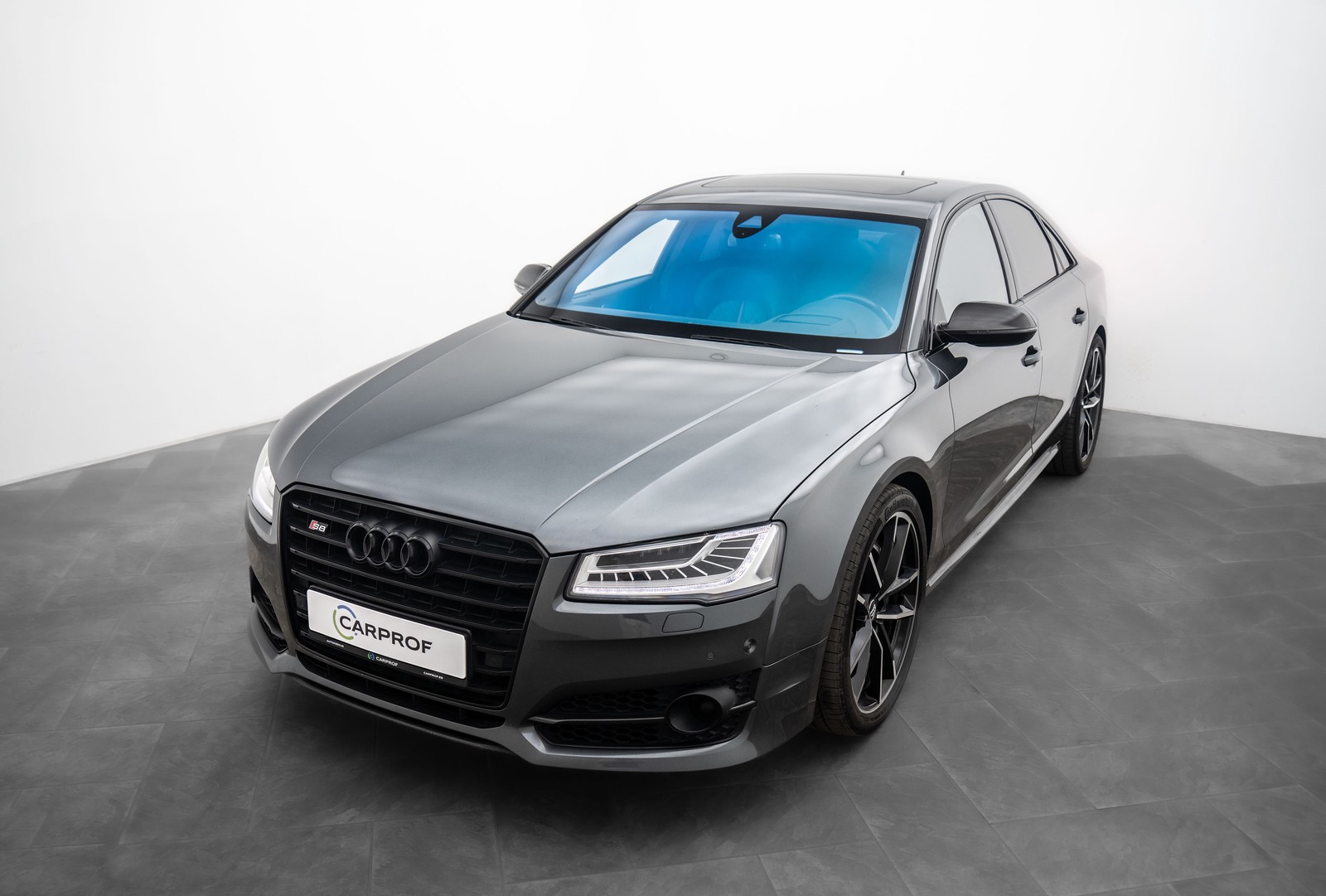
€37,999DEALER
€38,999
gasoline, automatic, 153K km, sedan, All Wheels Drive, 4,000 cm3, 597 hp, grey, Plus, Used condition, Europa, In stock

CarProf.ee
 Estonia, Harjumaa
 Estonia, Harjumaa
 Romania, Bacău County
 Bulgaria, VarnaBulgaria, VarnaBulgaria, VarnaBulgaria, VarnaBulgaria, Varna
If you are shopping for an Audi S8, the real challenge is rarely understanding why you want one. The harder part is deciding whether the specific car in front of you is a well-kept fast luxury sedan or an expensive story with missing chapters. On an Audi S8 page, that matters more than usual, because buyers are not choosing a basic spec commuter. They are comparing condition, history, ownership standards, and how honestly the seller presents a car that should feel special even before the test drive.
A tempting Audi S8 ad can pull you in with prestige photos, dark paint, large wheels, and a short sentence about power or comfort. Pause there. Before you get excited, compare the basics first: mileage, year, visible wear, service history references, tire condition in the photos, interior usage, and whether the equipment description actually says anything useful. A serious listing usually gives you enough detail to decide whether a call is worth your time. A weak one tries to make the car feel rare while saying very little about maintenance, ownership, or recent work.
With an Audi S8, this distinction matters because the badge attracts two very different kinds of sellers. One has maintained the car properly and understands what informed buyers will ask. The other hopes the model name will do most of the selling. If the ad leans heavily on status language but avoids specifics, treat that as a prompt to slow down, not speed up.
This is where many buyers save themselves a wasted trip. Good Audi S8 listings often reveal seriousness in small ways. Look at the photos first: is the car shown cold and warm, outside and inside, from angles that expose real condition rather than hide it? Do you see the seats, steering wheel, buttons, trunk, engine bay, and close-ups of common wear areas? A seller who photographs only the car's best side and avoids the cabin details may already be telling you how the conversation will go.
Then read the wording. Useful ads mention service notes in normal language: recent maintenance, what was replaced, whether there are invoices, how many keys come with the car, and whether the seller is open about flaws. Vague phrases like "full options," "perfect condition," or "needs nothing" are worth very little on their own. For an Audi S8, confidence without documentation is not confidence. It is marketing.
Response style matters too. Ask for the VIN, service records, cold-start video, and a clear explanation of who owned the car and where it was maintained. A strong seller usually answers directly and in order. A weak seller changes the subject, sends cropped photos, or becomes oddly impatient when you ask ordinary questions. In the European market, where buyers may travel across borders for the right Audi S8, that communication quality is not a small detail. It is part of the car's value.
Do not compare Audi S8 listings by price alone. Compare by completeness. A car with clearer history, cleaner presentation, original-looking details, and believable maintenance evidence can be the better offer even if it is not the cheapest. Check whether the exterior photos match the seller's confidence level. If the description sounds proud but the wheels are heavily marked, the tires look mismatched, or the interior photos are strangely limited, keep your expectations guarded.
Also compare how coherent the story is. Does the mileage line up with the wear you can actually see? Does the seller mention long-term ownership, specialist servicing, or recent attention to known running costs without sounding rehearsed? A good Audi S8 listing feels internally consistent. A weak one often feels assembled from attractive fragments: one polished exterior shot, one bold claim, and not much that helps a buyer make a serious decision.
There is also a useful market-reading trick here. In EU-wide search behavior, buyers looking at an Audi S8 often cross-shop not only with other S8 examples, but with nearby premium performance sedans that promise similar pace with different ownership risk. That means a seller of a strong car usually knows the listing must stand up to scrutiny. When an ad still looks lazy despite that, it can be a clue that the seller is relying on the badge more than the condition.
Keep your message short, specific, and easy to answer. Ask what service history is available, whether there are invoices, whether any warning lights or faults are present, when the last maintenance was done, whether the car has had paintwork, and whether there are any issues with suspension, electronics, transmission behavior, or drivability that a buyer should know before visiting. You are not accusing the seller of anything. You are testing whether the seller can speak about the Audi S8 as an owner or only as a negotiator.
If the answers are good, ask for more evidence before travel: extra photos in daylight, tire brand and condition, dashboard photos with the ignition on, and a walkaround video. For a used Audi S8, these simple requests do two jobs at once. They help you inspect the car remotely, and they show how transparent the seller is when the conversation becomes practical.
A viewing is worth planning when the listing, photos, and seller communication all point in the same direction. You want an Audi S8 that is represented clearly, discussed calmly, and supported by documents rather than adjectives. Once there, confirm that the car matches the ad: panel condition, interior wear, startup behavior, idle quality, warning lights, paperwork, and service evidence. During the drive, pay attention to how naturally the car gathers speed, how settled it feels over uneven surfaces, and whether anything about the transmission, brakes, steering, or electronics feels inconsistent with the seller's story.
The smartest buyers in the European market do not try to win by moving fastest. They win by rejecting weak offers early. On an Audi S8, that approach matters because the wrong car can look impressive for twenty minutes and expensive for much longer. The right one usually reveals itself in quieter ways: a complete ad, sensible answers, believable history, and a seller who does not need to hide behind the badge.
 Add as preferred sourceSee more from zvelta in Google Search Add as preferred source