 EN
ENDEALER
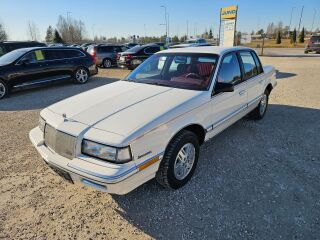
€6,990DEALER
1990, gasoline, automatic, 159K km, sedan, Front Wheels Drive, 3,300 cm3, 160 hp, white, Used condition, Europa, In stock
UnoAuto.ee
UnoAuto.ee
 Tartu linn, Estonia
 Tartu linn, Estonia
 Bulgaria, Sofia
If you are shopping Buick in Europe, the smartest move is not to ask first whether the badge is interesting, but whether the individual listing is strong enough to deserve your time. With a niche brand, that matters even more than usual. A tempting price can hide a car with thin history, vague import details, or a seller who knows the ad will attract curiosity before it attracts careful comparison. So build your Buick shortlist in three layers: offers worth a call, offers worth a visit, and offers that should be skipped even if they look cheap.
A good Buick listing usually feels clear before it feels exciting. You want enough information to understand what is being sold without having to guess basic things. Look for a complete photo set, readable interior shots, visible wear areas, a proper description of condition, and some ownership context. If a seller shows the car from every flattering angle but avoids the steering wheel, seat bolsters, cargo area, or dashboard with the ignition on, that is not just weak presentation; it may be a sign that the seller expects buyers to fill in the gaps with optimism.
For a first call, compare the essentials that decide whether the car is even shortlist material: mileage, service history, registration status, accident disclosure, recent maintenance, and whether the seller can explain why the Buick is in the EU market in the first place. That last point is especially useful with Buick. In a mainstream European brand listing, some details are assumed. With Buick, assumptions are where buyers lose time. Ask directly how long the seller has had it, where it came from, and what documents are available now rather than later.
The weakest Buick offers often lean on rarity as if rarity itself were value. It is not. A rare car with poor documentation, missing maintenance information, or inconsistent photos is still a weak buy. If the ad spends more time telling you how unusual the car is than showing its condition clearly, step back. Cheap niche-brand cars can become expensive simply because the ownership story is vague from day one.
Another red flag is the listing that gives you almost no practical ownership clues. A seller may write that the car runs well and looks good, but that is not enough to move it from curiosity to candidate. You should be able to tell, before you travel to see it, whether the Buick has a believable maintenance trail, whether warning lights are present, whether the gearbox behavior has been checked recently, and whether there are unresolved cosmetic or electrical issues the seller is hoping you will accept in person. A low-effort ad can still hide a decent car, but as a buyer building a shortlist, you do not need to rescue every badly written listing.
A Buick offer deserves a visit when the seller makes verification easy. That means VIN availability if appropriate, document photos or clear document explanations, invoices or service entries that match the mileage story, and answers that stay consistent between message and phone call. Consistency is underrated. With brands that sit outside the usual European shortlist, buyers often become too forgiving because the selection is smaller. That is exactly when you should become stricter, not looser.
There is also a less obvious signal worth paying attention to: how the seller talks about living with the car, not just selling it. A convincing Buick owner can usually tell you what has been done recently, what still needs attention, what parts or servicing required extra planning, and why they bought that particular car instead of something more common. That does not prove perfection, but it tells you the car was likely owned with some intention rather than flipped through a chain of vague keepers.
One practical mistake with Buick is comparing it only with other Buick listings. In the EU market, that can make an average car look stronger than it is simply because there are fewer direct alternatives. A better method is to compare each Buick offer against the more common cars you would realistically buy for similar money, age, condition, and purpose. If a Buick listing asks you to accept thin history, visible neglect, or unanswered questions just because it is different, the comparison has already failed.
This is where buyer psychology gets interesting. Some niche-brand listings are priced around emotion: the seller assumes the next person wants something uncommon badly enough to overlook weak evidence. But most good used-car decisions are not made by chasing uniqueness; they are made by noticing which seller reduces uncertainty. A Buick with ordinary but well-documented ownership can be a much better buy than a more eye-catching example with a mysterious background.
Before arranging a viewing, ask a short set of practical questions and pay attention not only to the answers but to how easily they come. Has the car been in the seller's name for long? What maintenance was done recently? Are there any current faults, warning lights, leaks, or intermittent issues? Is there service history that matches the odometer reading? Are there two keys, manuals, invoices, or import papers if relevant? Can the seller describe what works and what does not without turning defensive?
Strong sellers usually answer plainly. Weak sellers often switch into atmosphere: "great car," "rare opportunity," "drives amazing." None of that is useless, but none of it is enough. If your Buick shortlist is getting crowded with listings that sound interesting but remain foggy after a short conversation, trim it aggressively.
The best Buick to buy is rarely the listing that creates the most urgency. It is the one that keeps making sense as you verify details. In practice, that means clear history, believable mileage, honest photos, and a seller who helps you evaluate the car instead of pushing you past your questions. For Buick in Europe, that disciplined approach matters more than chasing novelty.
So when you review Buick cars for sale, do not reward rarity alone. Reward transparency. Call the ads that answer real ownership questions, visit the cars that stand up to scrutiny, and skip the offers that ask for trust before they offer proof. That is how a practical shortlist stays useful, and how a niche-brand search avoids becoming an expensive detour.
 Add as preferred sourceSee more from zvelta in Google Search Add as preferred source