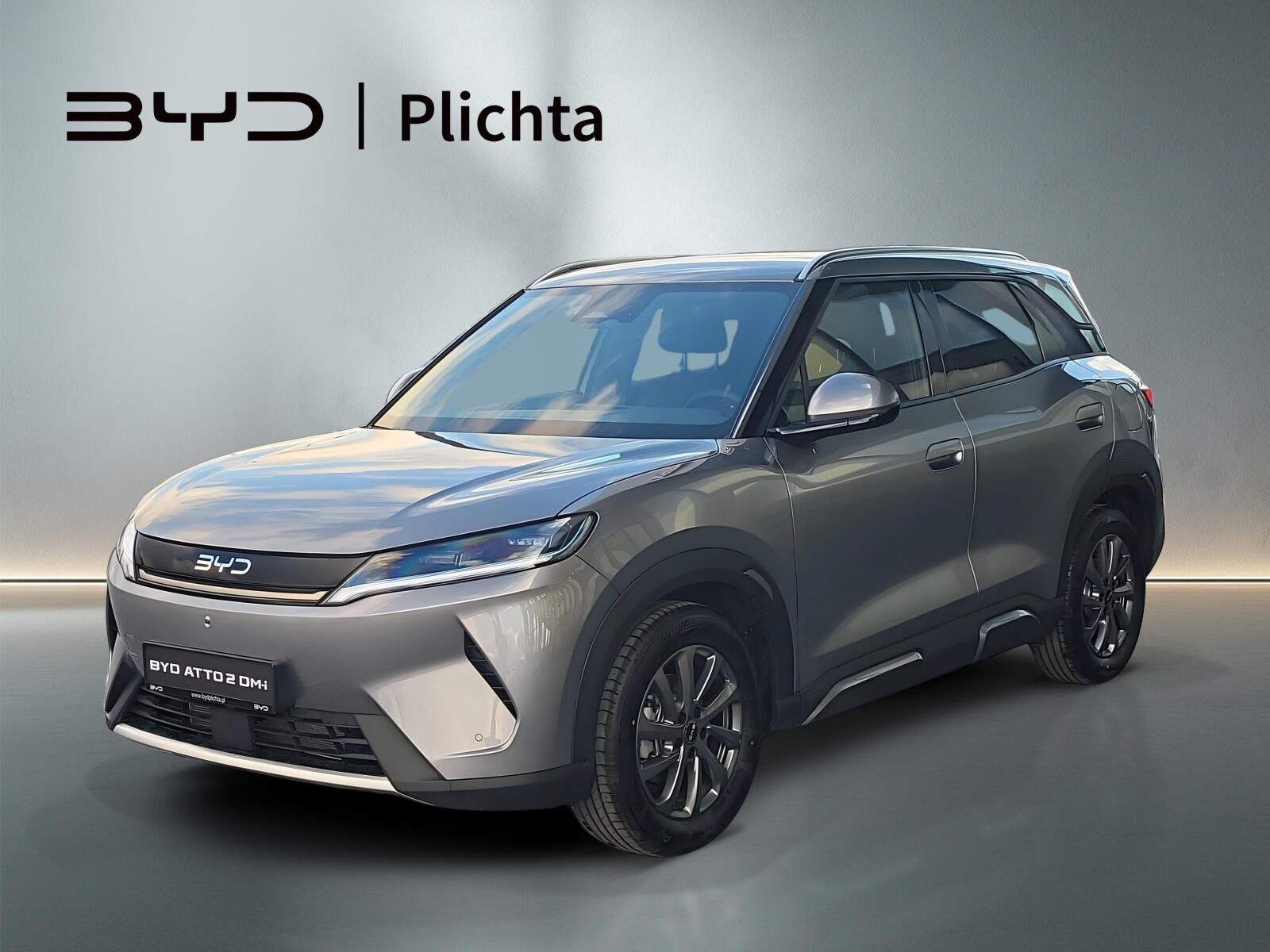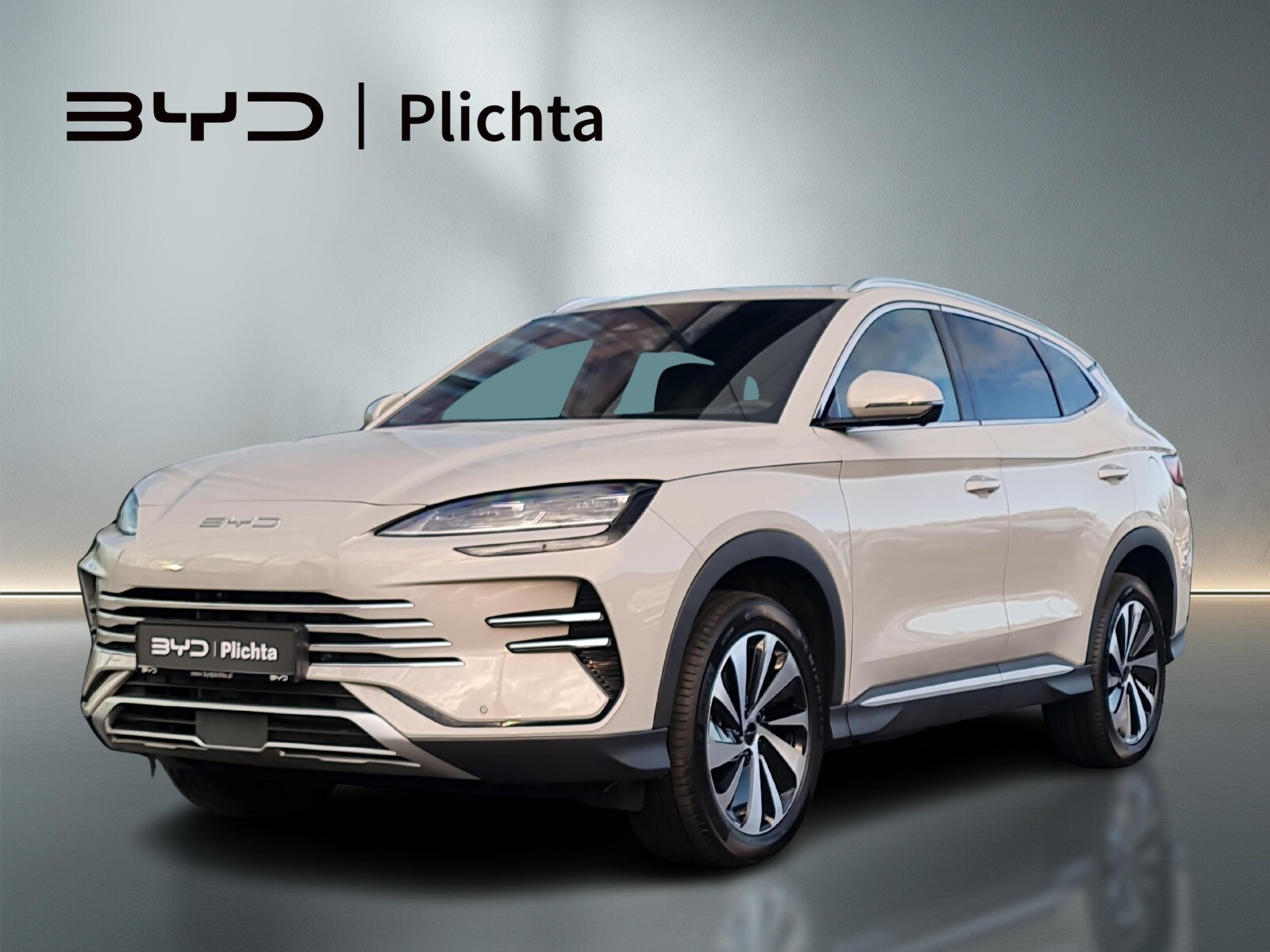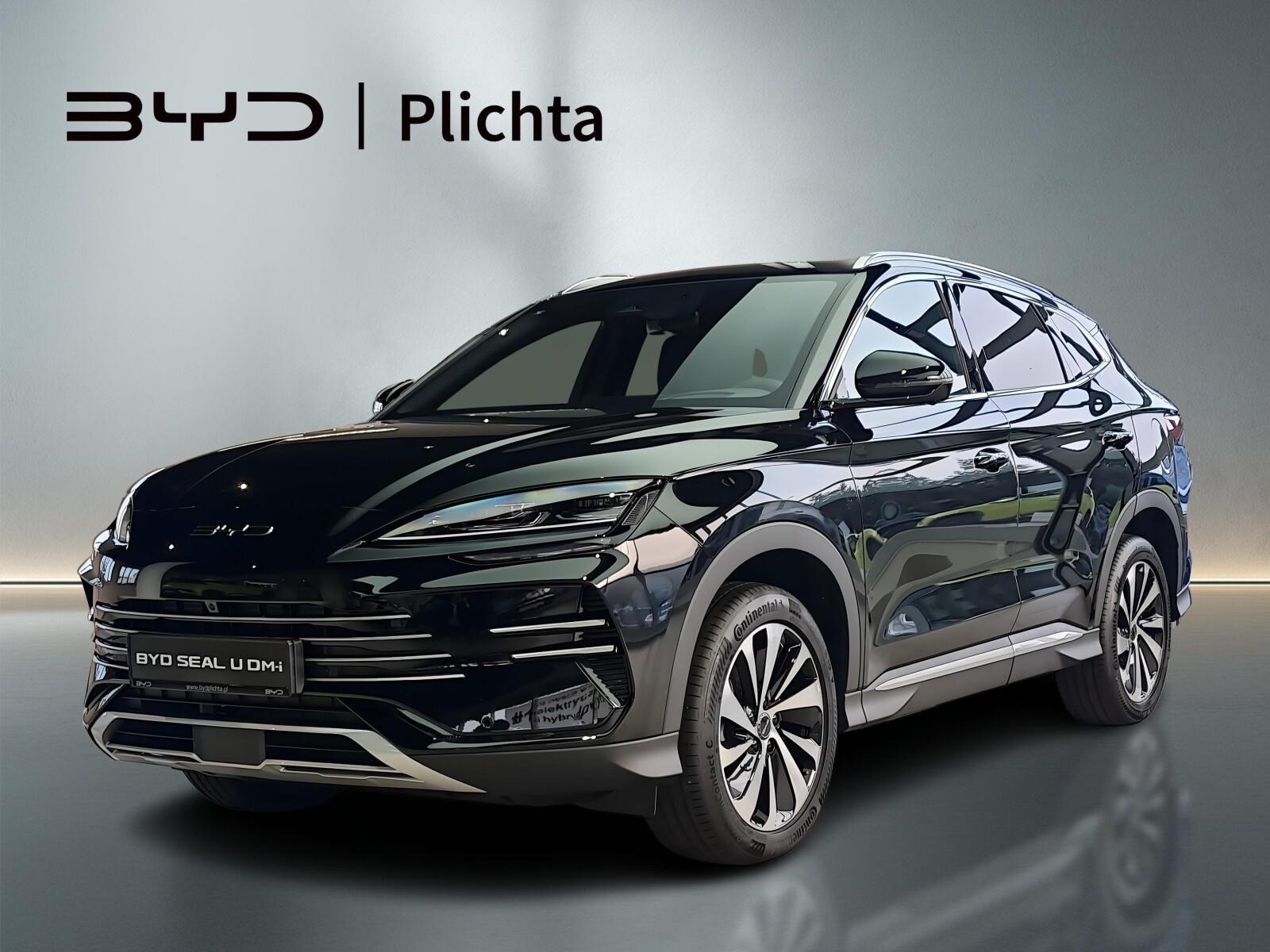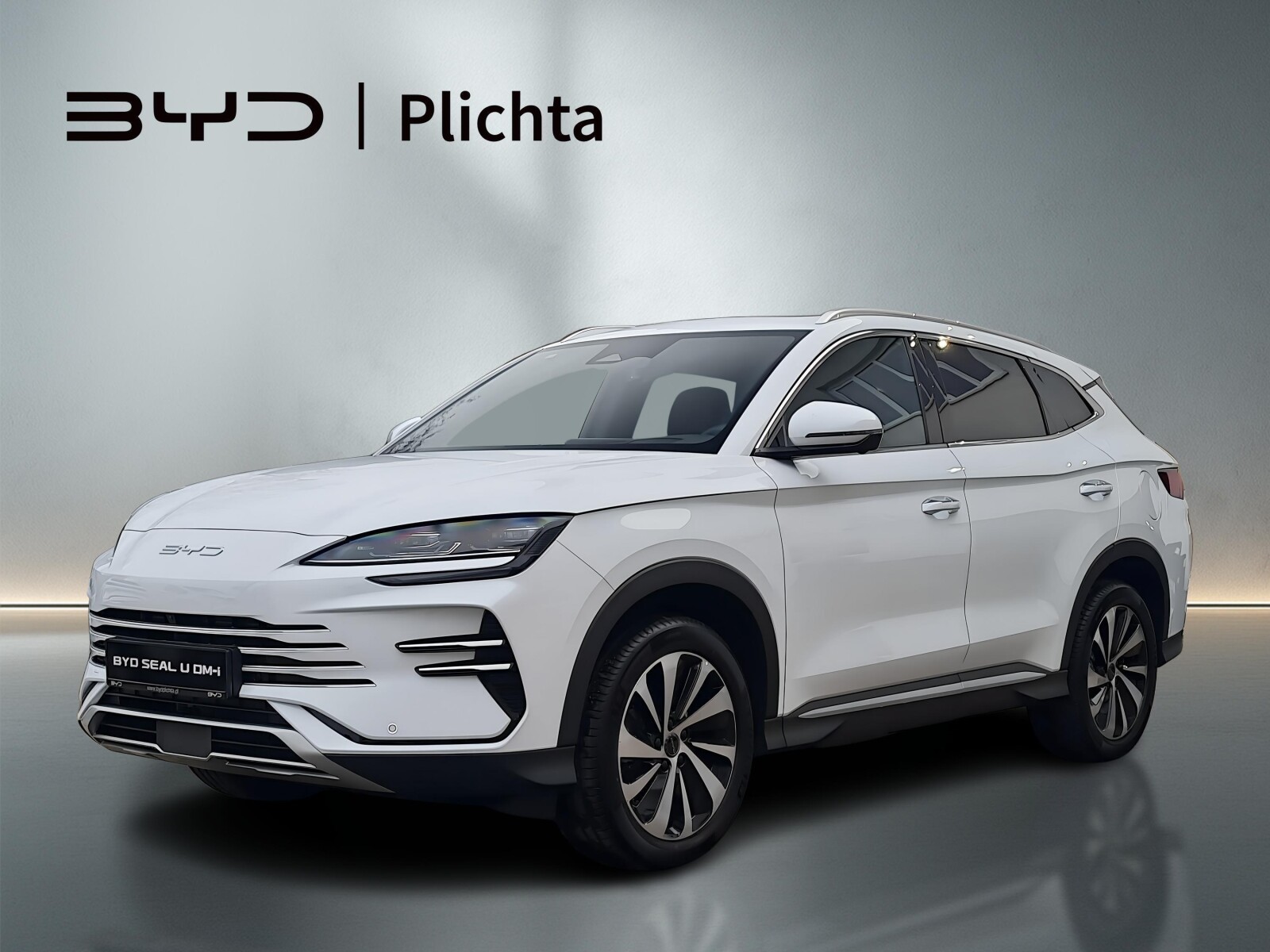


- 1
- ...
The smart way to shop BYD in Europe is not to ask first, “Is this the right model?” but “Is this listing giving me enough to trust the next step?” That matters because buyers often face two opposite problems with BYD cars for sale: either there are enough similar-looking offers to blur together, or the exact version you want takes patience to find. In both cases, the winning habit is the same: filter hard before you travel, and make the seller prove the car is worth your time.
Start with the listing, not the badge
A good BYD offer should help you understand the car in under a minute. Look for clear photos in daylight, a readable description, visible mileage, registration details where appropriate, and at least some mention of maintenance or ownership history. If the ad leans too heavily on buzzwords but says little about condition, equipment, charging history, service records, or recent work, treat it as a weak starting point.
This is especially useful when browsing used BYD listings across the EU market. Some ads are written for impulse clicks, not careful buyers. If two cars seem close on year and mileage, the better offer is usually the one that explains more: what has been serviced, whether there are cosmetic flaws, what accessories are included, and how complete the documentation is. A seller who avoids specifics before contact may stay vague after contact too.
When many offers look similar, compare the boring details
A lot of buyers lose time by comparing only headline items: year, mileage, price, and a few attractive photos. With BYD, the better comparison often sits in the quieter details. Check whether the ad shows the charging cable setup, keys, service documentation, tire condition, interior wear, and clear images of body panels instead of only flattering angles. If a car is presented as clean but the listing avoids close photos of common wear areas, ask why.
A useful trick: open three or four BYD cars for sale side by side and compare what each seller chooses to mention. One seller highlights features, another explains ownership, another shows under-bonnet photos or recent maintenance invoices. That tells you a lot about how the car has been prepared for sale. In crowded search results, the strongest listing is rarely the loudest; it is the one that reduces uncertainty.
A less obvious clue: how the seller talks about usage
One of the most revealing things in a BYD ad is not the specification itself, but how the seller describes everyday use. A careful private owner may mention commuting, home charging habits, software updates, service visits, seasonal tires, or why they are selling now. A more transactional listing may offer almost none of that context. Neither is automatically bad, but the difference matters when you decide whether to call, negotiate, or walk away.
This is where patience pays off. Buyers sometimes rush because the brand is high on their shortlist and the pictures look fresh. But with BYD in Europe, a tidy-looking ad can still leave basic questions unanswered. Ask directly: How long has the seller owned it? Is the service history documented? Has anything been repaired recently? Are there warning lights, cosmetic damage, missing accessories, or known issues the photos do not show? The quality of the answer is part of the inspection.
Which BYD offer is worth viewing in person?
Before arranging a viewing, try to reach a simple yes-or-no threshold. Is the car described consistently? Do the photos match the written condition? Has the seller answered direct questions clearly? Can they share additional photos or document snapshots without becoming evasive? If not, keep moving.
For a new or used BYD, the best viewing candidate is not always the cheapest one and not always the nearest one. It is the car with the cleanest information trail. A slightly more expensive listing can make better sense if it comes with fuller history, better transparency, and fewer unanswered questions. Cheap offers become expensive very quickly when you start discovering missing items, cosmetic shortcuts, or unclear paperwork after arrival.
Questions that quickly separate strong offers from weak ones
When you contact a seller, skip generic messages like “Is it still available?” and go straight to useful questions. Ask what maintenance has been done recently, whether all keys and charging accessories are present, whether the car has any visible paintwork or interior damage, and whether there is anything a buyer might be disappointed to discover in person. That last question is surprisingly effective: honest sellers often answer it well, while weaker sellers dodge it.
Also ask for specific extra photos. Request close shots of wheels, seat bolsters, the charging area, boot space, dashboard with the car powered on, and any stated blemishes. If the seller refuses easy, reasonable photo requests, that is a signal in itself. The same goes for vague claims like “perfect condition” with no supporting detail. A confident seller usually does not fear precision.
BYD in the shortlist: compare the offer, not just the brand
Many buyers approach BYD with a broad brand-level interest and only later narrow down to a specific body style, size, or equipment level. That is normal, but it can also make search results messy. If you are still deciding between several BYD models, do not judge only by design or headline value. Compare how each listing fits your actual use: daily distance, parking situation, family needs, charging routine, expected ownership costs, and how much uncertainty you are willing to accept from the seller.
An overlooked point in the EU market is that the same brand can attract very different kinds of sellers. Some are careful owners who document everything. Others are simply trying to move stock with minimal effort. That means buying BYD well is often less about finding a perfect advertisement and more about recognizing which offers deserve a real conversation. The best shortlist is not the longest one. It is the small group of cars whose listings stay coherent under scrutiny.
If you keep that mindset, BYD listings in Europe become much easier to read. You stop chasing every attractive thumbnail and start rewarding clarity, documentation, and honest seller behavior. That alone can save you wasted trips, awkward calls, and the kind of “good deal” that only looked good before you asked the second question.