 EN
ENDEALER

€91,506DEALER
€93,588
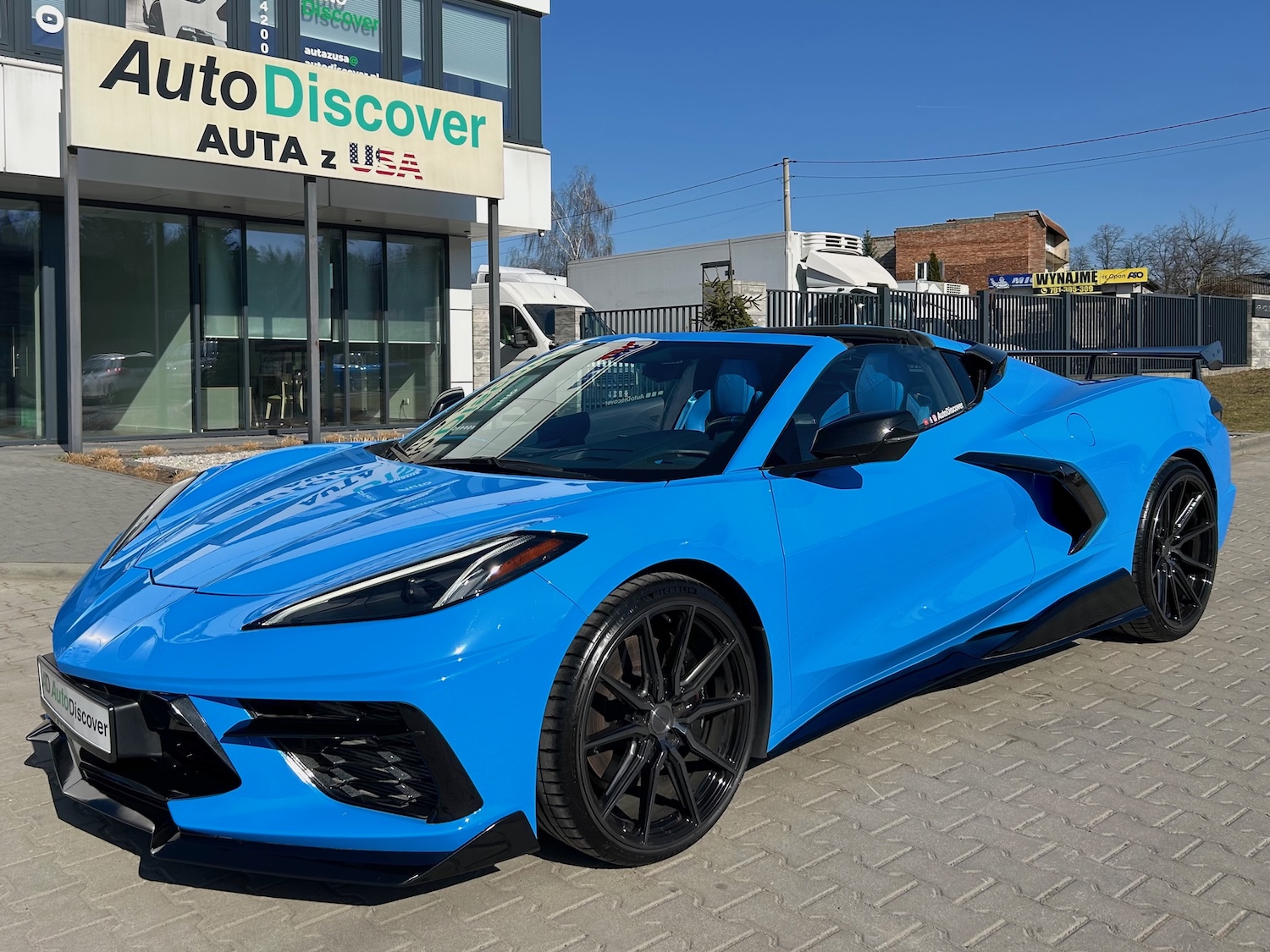
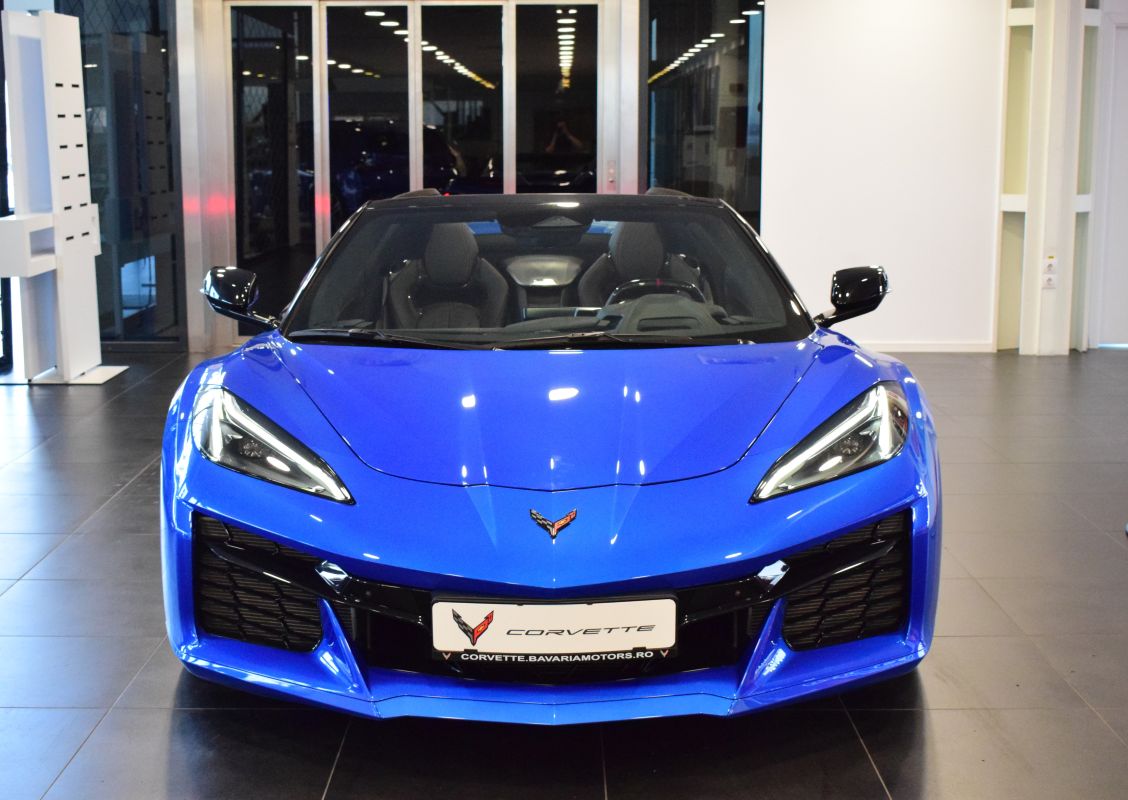
2023, gasoline, automatic, 8K km, Rear Wheels Drive, 6,200 cm3, 500 hp, grey, 6.2 V8 LT2, USA, In stock

AutoDiscover.pl
 Rzeszów, Poland
 Rzeszów, PolandPoland
 Romania
 RomaniaRomaniaRomania
 Bulgaria, Varna
If you are shopping for a Chevrolet Corvette in Europe, the smartest first step is not chasing the cheapest ad. It is deciding which kind of Corvette deserves your time, then using that logic to cut weak listings fast. With only a small number of cars for sale at any given moment, buyers can talk themselves into a poor fit simply because the model is rare in the local feed. That is exactly when comparison discipline matters most: compare the car to the right alternatives, compare the seller to stronger sellers, and compare the asking story to the evidence in the listing.
A Chevrolet Corvette can attract very different buyers even when the search page looks short. Some people want the emotional weekend car, others want something they can actually live with, and some are specifically hunting a certain generation, body style, transmission, or specification. Before you message anyone, decide which compromises you accept and which ones will annoy you six months later. Color, wheel design, or minor trim gaps may be flexible. Patchy history, unclear import paperwork, poor photo coverage, or a seller who avoids direct answers usually should not be.
This matters even more in the EU market, where a Chevrolet Corvette may appear as a local car, an import, a lightly used enthusiast car, or a vehicle that has changed hands through traders who know how to present it well without saying very much. A short listing with three glossy photos and a dramatic description can still be the weaker offer than a plain ad that shows the underside, interior wear, cold-start details, keys, books, and service invoices.
When you line up Chevrolet Corvette cars for sale, do not compare price alone. Compare evidence. A stronger listing usually gives you enough to build a realistic ownership picture before you call. Look for consistency between mileage, seat wear, steering wheel condition, pedal wear, engine bay cleanliness, tire brand choice, and the seller's explanation of recent maintenance. If the ad says the car was carefully owned but the photos avoid common wear areas, ask for close-ups before arranging a viewing.
Useful questions for a Chevrolet Corvette seller are simple and direct:
The tone of the answers matters almost as much as the answers themselves. A careful owner usually knows the car's story. A vague seller often knows the ad is doing too much of the work.
This is where many buyers lose discipline. A Chevrolet Corvette may be the car you want, but the best comparison is not automatically a different Corvette in a worse color or farther away. Compare it with nearby alternatives that serve the same role in your garage and budget. If one Corvette listing has incomplete history, visible shortcuts, and unexplained modifications, it may be better to wait rather than force the purchase because the badge and shape feel right.
A good compromise can be acceptable when it is visible and priced into the car: higher mileage with strong records, less popular spec with honest condition, or cosmetic wear on an otherwise well-kept example. A bad compromise is the one that keeps creating new questions. If you find yourself explaining away missing documents, inconsistent photos, fresh paint with no clear reason, or a seller who refuses inspection, you are no longer comparing smartly. You are negotiating with your own excitement.
One less obvious point about the Chevrolet Corvette in Europe: search behavior often pushes buyers toward the most dramatic ads, not the most trustworthy ones. Loud wording, oversized wheels, dark studio photos, or "must-see" descriptions can make a car feel special before you have learned anything useful. The plainer listing sometimes wins because it is written by someone who expects the car itself to carry the sale. That is not a rule, but it is a pattern worth keeping in mind when you compare used listings.
A Chevrolet Corvette listing is worth viewing when the seller has already removed the easy doubts. You want clear identification details, enough photos to understand condition, a believable maintenance story, and no strange tension between the description and the evidence. If the seller is open to an independent inspection, answers questions in full sentences, and does not rush you toward a deposit, that is usually a healthier sign than an aggressively "priced to sell" ad with very little substance.
Before you travel, ask for the documents you would want to see in person anyway: service records, registration details, recent maintenance paperwork, and photos of any imperfections the ad did not show. Ask whether everything works as expected, including electronics, roof mechanism if relevant, climate functions, and any known faults. On a sports car, small omissions in the ad can turn into expensive irritations after purchase, so it is better to sound slightly demanding than casually optimistic.
Sometimes the best Chevrolet Corvette decision is no decision yet. In a thin market, waiting can be smarter than buying the only acceptable-looking car just because it is available now. If the listing quality is weak across the board, if sellers avoid documentation, or if every car seems to need a story told around it, pause and let the next batch of offers arrive. A car that is exciting on screen but tiring to verify rarely becomes more convincing in person.
The right Chevrolet Corvette usually stands out not because it is perfect, but because the offer makes sense as a whole. The price, condition, photos, history, and seller behavior point in the same direction. That is the standard to keep in mind while comparing new and used listings across Europe. If an ad cannot clear that bar before you leave home, it probably does not deserve your time.
 Add as preferred sourceSee more from zvelta in Google Search Add as preferred source