 EN
ENDEALER
€42,999DEALER
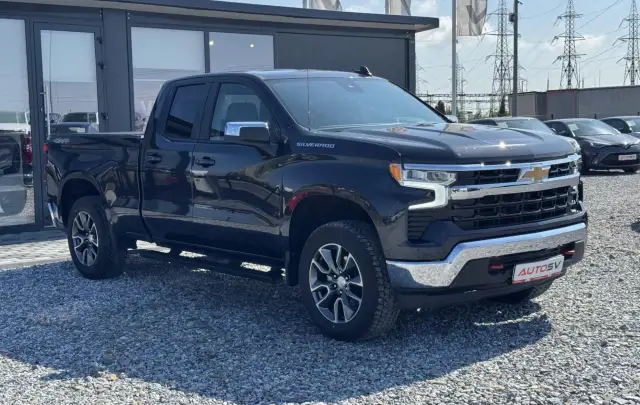
gasoline, automatic, 42K km, pickup, All Wheels Drive, 2,727 cm3, 310 hp, blue, LT 2.7 Turbo AWD Double Cab - 6 Locuri, Used condition, USA, In stock

AutoDelRulate.ro
 Romania, Suceava
 Romania, Suceava
If you are shopping for a Chevrolet Silverado in Europe, the first useful assumption is this: you are not browsing a routine used-pickup market. A Silverado here is usually a deliberate buy, and that changes how you should read listings. With limited market availability, it is easy to get distracted by rarity alone. Try not to. A rare truck with vague history, poor photos, or a seller who cannot answer basic ownership questions is still a weak offer. The smarter approach is to compare each Chevrolet Silverado listing less like a casual used car and more like a specialist vehicle that needs clear proof of condition, paperwork, and honest presentation.
A lot of buyers begin with the image of what a Chevrolet Silverado represents: size, presence, towing potential, and a very different road presence from the average European pickup. Fine. But before you imagine ownership, read the ad closely. Does the seller explain where the truck has been used, how long they have owned it, and what maintenance has been done? Are mileage, equipment, and registration details presented clearly, or do you get a few dramatic photos and almost no substance? On a Chevrolet Silverado for sale in the EU market, basic clarity matters more than style. A serious seller usually understands that buyers will have questions about service records, import history, documents, and everyday usability.
If you are comparing used Chevrolet Silverado offers, look at consistency before you look at cosmetics. A tidy cabin and polished body are nice, but they do not replace service notes, invoice trails, or even a straightforward explanation of recent work. When one listing gives dates, parts replaced, tyre condition, and ownership context, while another just says “excellent condition” and “must see,” the difference is bigger than it looks.
This is where many buyers either waste weekends or avoid expensive mistakes. The best seller signals are often small. Good photos usually include more than flattering angles: cold-start or engine-bay shots, interior wear points, load bed condition, dashboard close-ups, tyres, underbody details if available, and clear images of documents or service books where appropriate. A seller who shows these things without being pushed is often telling you they have nothing to hide.
Wording matters too. For a Chevrolet Silverado listing, phrases like “I don’t know much about it,” “selling for a friend,” or “everything works as far as I know” are not automatic deal-breakers, but they should slow you down. The more unusual the vehicle is for the local market, the less room there is for vague ownership stories. Watch response style as well. A serious seller usually answers specific questions specifically. Ask what maintenance was done in the last 12 months, whether there are warning lights, how the transmission behaves from cold, whether there are leaks, and what documents come with the truck. If the reply skips half your questions and pushes you to “just come see it,” that is a signal too.
One less obvious clue: how the seller describes modifications. On a Chevrolet Silverado in Europe, upgrades can be attractive, but the useful seller explains them calmly. What was changed, when, by whom, and is the original equipment included? A weak seller often lists accessories like trophies and avoids the boring but crucial part: whether the work was documented and whether it affects registration, insurance, or inspection.
Because the Chevrolet Silverado sits outside the mainstream EU used market, it helps to ask yourself why this exact truck exists in this exact listing. Was it a leisure vehicle, a work truck, an occasional towing vehicle, or something imported mainly for image? None of those is automatically good or bad. The point is that the use case should match the visible condition, mileage story, and maintenance record. A heavily equipped truck with suspiciously thin history deserves more scrutiny than a plainly presented one with believable wear and sensible documentation.
This is also where buyer expectations need to stay realistic. A Chevrolet Silverado can attract shoppers who are comparing it emotionally with ordinary SUVs or European pickups, but ownership logic is different. Check whether the seller can explain parts sourcing, servicing routine, tyre replacement choices, and any recent work that a new owner should budget for. You are not asking for perfection; you are checking whether the previous owner treated the truck like a real responsibility.
Before arranging a viewing, ask for the VIN, additional underside photos if possible, a cold-start video, and photos of the service book or invoices. Ask whether the Chevrolet Silverado has been used for towing, whether all electronics work, whether there are known fluid leaks, and whether any warning lights appear on startup or after driving. If the ad mentions recent maintenance, ask exactly what was replaced and when. If the seller claims “full service history,” ask whether it is complete and traceable or just partly documented.
A good trick when comparing cars for sale is to ask one question that is slightly inconvenient but very revealing: “What would you fix next if you were keeping it?” Honest sellers usually have an answer. Weak sellers often switch back to slogans.
With only a small number of available Chevrolet Silverado listings in the EU market at any one time, patience matters. Scarcity can make an average example look special. Resist that pressure. The right truck is not just the one that exists; it is the one whose story makes sense from ad to phone call to inspection. If a Chevrolet Silverado offer has coherent photos, believable mileage, matching wear, usable service evidence, and a seller who communicates like an owner rather than a reseller hiding behind shortcuts, it is probably worth a closer look.
And if a listing feels thin, defensive, or strangely polished without substance, move on quickly. In a specialist buy like this, avoiding the wrong truck is often more important than chasing the first one you find. That is how you shop the Chevrolet Silverado market in Europe without letting rarity do the thinking for you.
 Add as preferred sourceSee more from zvelta in Google Search Add as preferred source