 EN
ENDEALER
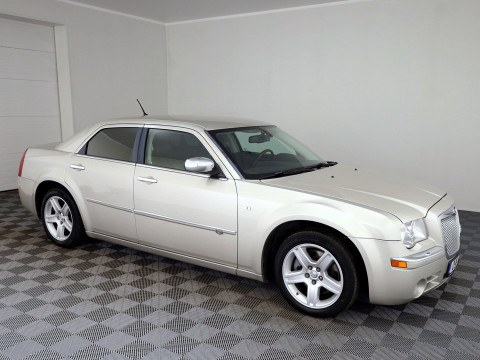
€2,499DEALER
2010, diesel, automatic, 312K km, sedan, Rear Wheels Drive, 3,000 cm3, grey, Used condition, USA, In stock

BaltiCar.com
 Estonia, Harjumaa
 Estonia, Harjumaa
 Romania, Buzău County
If you are looking at a Chrysler 300C, the smart move is to judge the listing as much as the car. On paper, the appeal is easy to understand: the Chrysler 300C brings a big-saloon presence that feels different from the usual European shortlist, and that difference is exactly why weak ads can hide behind style. When only a few used Chrysler 300C cars for sale are available, it is tempting to talk yourself into the nearest one. Resist that. A sparse market means every detail in the ad matters more, not less.
A promising Chrysler 300C listing usually reads like it belongs to someone who actually lived with the car. You want a seller who can explain how long they owned it, what was done recently, why they are selling, and what kind of use the car had. A short ad with dramatic photos and almost no substance can be fine for a common hatchback; for a Chrysler 300C, it is often a missed opportunity or a warning sign.
Ask for the ownership story in plain language. Was the Chrysler 300C a daily commuter, a weekend cruiser, or mostly a long-distance car? Did it spend long periods parked? Has it changed hands often? A seller who answers directly tends to be easier to trust than one who keeps returning to how "powerful" or "luxurious" the car feels. The right used Chrysler 300C offer should make you feel that the owner understands the responsibilities of keeping an older, distinctive car in proper shape.
You can often tell within a minute whether a listing deserves a call. Strong Chrysler 300C offers usually show the car cold and warm, inside and outside, with honest light and ordinary angles. Look for photos of the seats, steering wheel, boot, dashboard, door cards, and not just glossy exterior shots. Wear in the cabin does not automatically kill a deal, but it should make sense next to the stated mileage and the general condition.
A seller who includes document photos, service invoices, recent maintenance notes, or even a simple timeline of ownership is doing something valuable: reducing guesswork. In the European market, where a Chrysler 300C may have moved across borders or passed through several hands, this matters. The ad does not need to be perfect, but it should help you connect condition, mileage, and maintenance history into one believable picture.
Read the listing text carefully for signs of mechanical honesty. Phrases like "needs nothing" or "just serviced" are not enough on their own. Ask what exactly was serviced, when, and with paperwork from whom. If the seller says the Chrysler 300C drives perfectly, ask what that means in daily use: cold starts, idle quality, gearbox behavior, braking feel, warning lights, vibrations, and whether all comfort features work as expected.
This is also where the ownership angle becomes useful. A Chrysler 300C is not usually bought like an appliance. Buyers are often choosing it because they want a certain feel: relaxed presence, comfort, and something less anonymous than the default executive saloon. That is why a good listing should tell you what living with this exact car has actually been like. If the answer is vague, your confidence should be vague too.
When there are only a couple of Chrysler 300C listings, buyers sometimes compare dreams instead of cars. One ad may have the nicer wheels, another may sound more exciting, but the better offer is often the one with the most usable evidence. Compare each Chrysler 300C by seller effort: number of clear photos, quality of description, proof of maintenance, willingness to answer questions, and consistency between the ad and the conversation.
A useful trick is to build your own short comparison notes before you arrange a viewing. Write down the basics for each Chrysler 300C: visible condition, mileage claim, service history, registration background, interior wear, equipment you care about, and what the seller could or could not explain. This prevents you from giving too much weight to appearance alone. The 300C has enough visual character to seduce you quickly; your notes keep you honest.
Before going to see a Chrysler 300C, ask the seller for a walk-around video and one cold-start video. You are not trying to diagnose the entire car remotely. You are checking whether the seller is cooperative, transparent, and familiar with the car. Ask whether there are any dashboard warnings, any known faults, any leaks noticed during servicing, and whether anything electrical works intermittently. Older premium-leaning cars can be bought well, but they punish assumptions.
Also ask about the paperwork in a very practical way. Is the maintenance history complete, partial, or mostly verbal? Are there invoices that match the current mileage? Has the car been imported within Europe, and if so, how clear is the document trail? None of these questions automatically rule a car out, but fuzzy answers should lower the value of the offer in your mind.
One less obvious thing about shopping for a Chrysler 300C is that the best examples often come from owners who appreciated the car's character without trying to turn it into a myth. Those sellers usually describe ordinary life with it well: how it behaves on longer trips, what they fixed proactively, what still feels solid, and what small imperfections remain. That tone is far more reassuring than theatrical language about rarity or status.
In daily ownership, the Chrysler 300C can appeal because it makes routine trips feel a bit more deliberate and less disposable. That is exactly why condition matters so much. You are not only buying transport; you are buying the right to enjoy that mood without immediately chasing unresolved problems. If a seller can speak calmly and specifically about maintenance, use, and flaws, the offer starts to feel real. If everything sounds grand except the evidence, move on.
A good Chrysler 300C listing is not just attractive; it is legible. You should be able to follow the logic from photos to description to documents to conversation. Compare used listings patiently, ask for specifics instead of slogans, and be wary of cars that ask for trust before they offer proof. In a thin market, discipline is your advantage.
If one Chrysler 300C stands out because the seller has taken time to present it honestly, answer questions clearly, and show how the car has been maintained, that is usually the offer worth viewing first. Not because it promises perfection, but because it gives you something better: a believable ownership story.
 Add as preferred sourceSee more from zvelta in Google Search Add as preferred source