 EN
ENDEALER

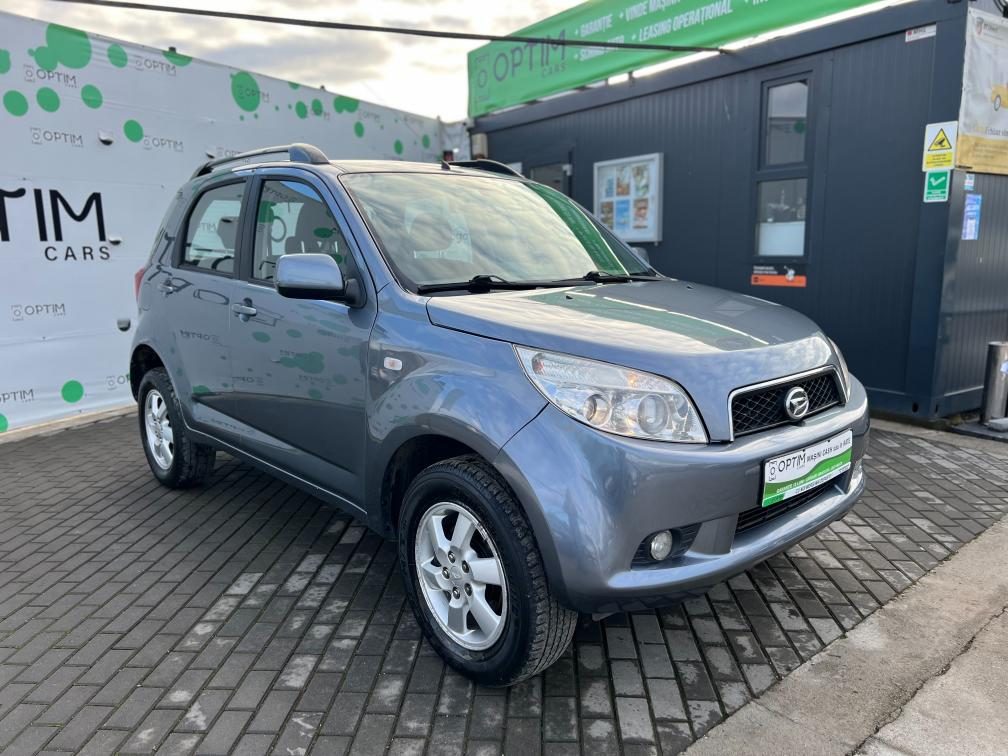
2010, gasoline, automatic, 128K km, SUV, 1,495 cm3, 105 hp, grey, 1.5 2wd tour, 4x4, Used condition, Europa, In stock, sale date 21.10.2026 03:15

CarOutlet.eu
 Netherlands
Auction starts
21 Oct, 03:15
 Netherlands
 Lazu Baciului, Romania
The first challenge with Daihatsu in Europe is not choosing between dozens of similar cars. It is usually the opposite: limited supply, scattered listings, and the temptation to chase the first tidy-looking example you see. That is where buyers make expensive mistakes. When a brand is less common in the market, distance, incomplete seller information, and vague service history matter more than a pretty set of photos.
A good Daihatsu listing deserves a slower read than a high-volume mainstream alternative. If there are only a few cars for sale across the EU market, some buyers start compromising too early: "the mileage is a bit unclear, but maybe that is normal," or "the documents are probably fine." It is better to assume the opposite. With a niche used car, the quality of the paperwork, maintenance story, and seller transparency can matter as much as the car itself.
Start with the basics that reveal whether the seller actually knows the car. A worthwhile Daihatsu offer usually explains ownership history, recent maintenance, mileage, registration status, and any faults without drama. If the ad says almost nothing, ask yourself why. Sparse text is not always a red flag, but it becomes one when paired with low-quality photos, missing dashboard shots, or no mention of service records.
Before you contact the seller, compare these points across listings:
For Daihatsu cars for sale, the details often tell you more than the headline. A modest, honest ad with clear photos and a believable maintenance trail can be a much better buy than a shinier listing that hides the boring but important parts.
With brands that appear less often in used listings, the seller profile becomes part of the inspection. Ask practical questions early: How long have they owned the Daihatsu? Why are they selling it now? What has been repaired recently? Is there proof of servicing, and are there two keys, manuals, or inspection documents? If the answers come quickly and stay consistent, that is a good sign. If the story changes between messages and phone calls, move on.
One useful observation from the EU market: some niche-brand cars survive because one careful owner kept them going properly, while others survive simply because they were cheap to postpone repairs on. In photos, these two cars can look surprisingly similar. The difference usually appears when you ask about maintenance intervals, warning lights, cold starts, leaks, or the last substantial workshop bill. The good sellers do not need to improvise.
That is also why the first promising Daihatsu listing is not automatically the right one. When supply is thin, buyers sometimes confuse rarity with quality. Rare only means harder to replace. It does not mean worth overpaying for, and it certainly does not mean you should ignore gaps in the history.
Treat the viewing as a test of consistency. Does the real car match the ad? Check whether paint condition, panel fit, glass markings, and interior wear make sense together. A Daihatsu with very low claimed mileage but heavy seat wear, shiny pedals, and a tired steering wheel deserves extra questions. So does a car that is photographed clean and dry but shown to you with a warm engine before you arrive.
During the inspection, listen for how the seller describes normal behavior. Honest owners tend to speak plainly: a minor cosmetic defect is minor, a past repair is a past repair. Weak sellers often replace facts with reassurance. "Runs great" is not useful. "Serviced last year, brakes done, small oil seep still to monitor" is useful.
If you can, ask for a cold start. Let the engine idle, watch for warning lights, and check whether the transmission, clutch, brakes, and steering feel coherent rather than individually "fine." The point is not to diagnose everything on the spot. The point is to decide whether the offer deserves a proper inspection or should be left behind.
Shoppers often compare Daihatsu against better-known used cars in the same budget, and that is sensible. But the comparison should go beyond age and mileage. You are also comparing seller honesty, parts planning, and how much uncertainty you are accepting. A common model from another brand with transparent history may be the easier ownership decision than a rarer Daihatsu with unanswered questions.
At the same time, dismissing the brand just because it is less common can be too simplistic. In the EU market, some buyers specifically look at Daihatsu because they want something smaller, more distinctive, or simply different from the usual shortlist. If that is your reason, be disciplined: buy the example, not the idea. The right car is the one with believable care behind it, not the one that merely feels unusual and hard to find again.
The best Daihatsu listings usually share a calm, convincing pattern. The seller knows the car, the photos do not dodge obvious angles, the mileage story makes sense, and the maintenance history is described with enough detail to be checked. Nothing has to be perfect, especially on an older used car. But the offer should feel coherent.
If you are comparing new and used listings, or simply watching the market for the right moment, patience is part of the strategy. With Daihatsu, waiting for a cleaner example can be smarter than traveling for the nearest one that looks acceptable on a phone screen. A weak offer often reveals itself before the visit if you read closely, ask direct questions, and refuse to fill in the gaps with optimism. That is usually how the better buys are found.
 Add as preferred sourceSee more from zvelta in Google Search Add as preferred source