 EN
ENDEALER
€29,503DEALER
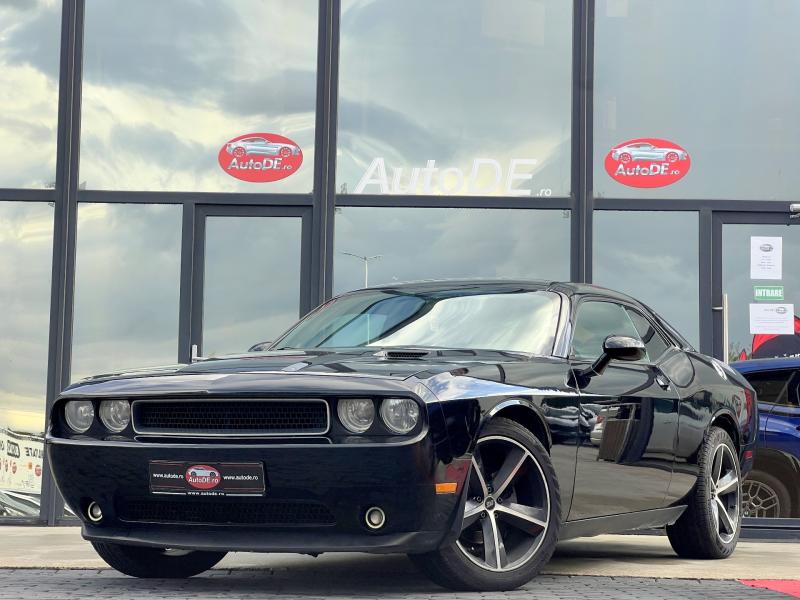
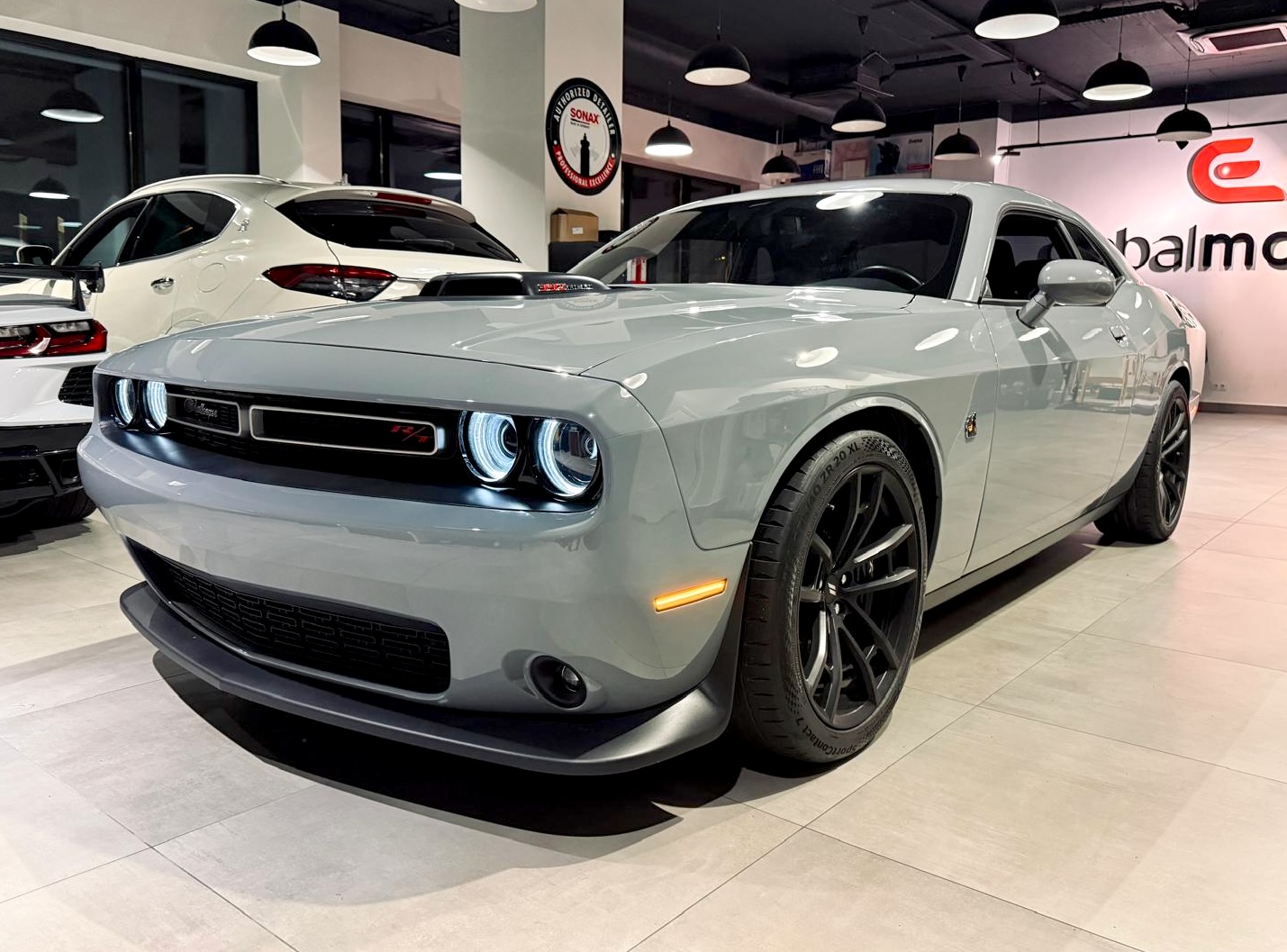
2021, gasoline, manual, 44K km, Rear Wheels Drive, 6,400 cm3, 495 hp, 6.4l V8 Hemi, USA, In stock

AutoDiscover.pl
 Rzeszów, Poland
 Rzeszów, Poland
 Romania
If you are shopping for a Dodge Challenger in Europe, the first useful question is not simply “Is this one good?” but “Is this the kind of car I actually want to live with?” The Dodge Challenger attracts buyers who want presence as much as transport. It is usually not the quiet, anonymous choice on a used-car shortlist, and that is exactly why weak listings can still get attention. When a model has this much character, you need to separate the appeal of the idea from the quality of the actual offer.
A Dodge Challenger page tends to attract a specific sort of buyer: someone who wants a car with attitude, visual drama, and a different flavor from the usual European coupe or performance-oriented alternative. That matters because you should compare listings with your own intention in mind. Are you looking for a weekend car, a statement daily driver, or something to keep long term? The answer changes what you can forgive.
A weekend-use Dodge Challenger may get away with compromises that would annoy you every day. A daily-driven one needs a cleaner ownership story, more believable maintenance records, and a seller who can explain recent work without hesitation. On a long-term keeper, originality, consistency, and documentation usually matter more than a flashy ad description. If you do not define your use case first, every listing starts to look exciting for the wrong reasons.
In the EU market, a Dodge Challenger is not the kind of model you always compare across dozens of near-identical listings. If this page shows only one active car, that scarcity should not push you into a quick decision. Limited supply can make an average car feel special. It is still just one offer, and one seller’s confidence is not proof of quality.
This is where buyers often make a subtle mistake: they start comparing the Dodge Challenger only to other Challengers, instead of comparing the actual listing to the wider idea of value. If the photos are poor, the description is vague, the history is thin, or the seller avoids direct answers, rarity does not rescue the deal. A rare weak offer is still a weak offer. Sometimes the smartest move on a character car is to wait for a more transparent example rather than talk yourself into a compromised one.
Before you contact the seller, slow down and review the listing as if you were trying to disprove it. Check whether the photos show the whole car consistently, not just the dramatic angles. Look for close images of the cabin, wheels, body gaps, trim, lighting, and areas where cosmetic shortcuts tend to hide. If mileage is stated, ask yourself whether the seat wear, steering wheel condition, and pedal area look consistent with it. If the description is full of emotion but short on substance, treat that as a prompt for more questions.
For a used Dodge Challenger, ask for a clear summary of service history, recent maintenance, title or registration status, and any modifications. Modifications are not automatically bad, but they do change the conversation. You want to know what was changed, who did the work, whether original parts are included, and whether the seller can explain the reasoning without sounding defensive. A confident seller usually sounds calm and specific. A weak one often hides behind phrases like “needs nothing” or “just serious buyers.”
One of the less obvious things about shopping for a Dodge Challenger for sale in Europe is that seller attitude often tells you almost as much as vehicle condition. With niche, image-heavy cars, some listings are written for attention first and transparency second. A seller who proudly discusses the car’s presence but struggles to explain paperwork, maintenance timing, warning lights, previous repairs, or storage habits may be telling you where the real priorities were.
Another useful clue is how the seller reacts when you ask normal, slightly boring questions. Ask what has been done recently, what still needs attention, whether there are any non-original parts, how long they have owned it, and why they are selling now. Also ask for a cold-start video and a walkaround in natural light if you cannot view it immediately. Serious owners usually understand these requests. Irritation, evasiveness, or sudden pressure to leave a deposit are not signs of a strong offer.
Because the Dodge Challenger sells on emotion, buyers sometimes overvalue color, stance, or wheel design and undervalue the boring stuff that determines whether the car will be enjoyable after purchase. Compare the maintenance story, document quality, consistency of the photos, seller clarity, and visible honesty of the ad. A less glamorous example with a believable history can be far more attractive than a shinier car with unanswered questions.
It also helps to compare the Dodge Challenger against the alternatives you would realistically buy for the same purpose. Not because you must choose something else, but because it keeps your judgment sharp. If you would reject a vague listing for another coupe or grand tourer, do not relax your standards here just because the Dodge Challenger has charisma. That discipline protects you from paying for image and inheriting someone else’s unfinished project.
Try to leave the first call with practical, decision-making information. Ask the seller to confirm the VIN availability for checks, service documentation, number of keys, current registration position, accident or repaint history if known, and whether there are any faults they would want to disclose before an inspection. Ask whether all major features work as expected and whether the car has been used regularly or stored for long periods. Long storage is not automatically bad, but it should lead to sensible follow-up questions.
If the answers are clear and consistent, then a viewing makes sense. If the seller becomes blurry whenever the conversation moves away from style and toward proof, that is usually your answer. The best Dodge Challenger listing is not always the loudest one. It is the one that gives you enough confidence to inspect the car with curiosity instead of suspicion, and enough evidence to buy because the offer is strong, not because the model is tempting.
 Add as preferred sourceSee more from zvelta in Google Search Add as preferred source