 EN
ENDEALER
€27,900DEALER
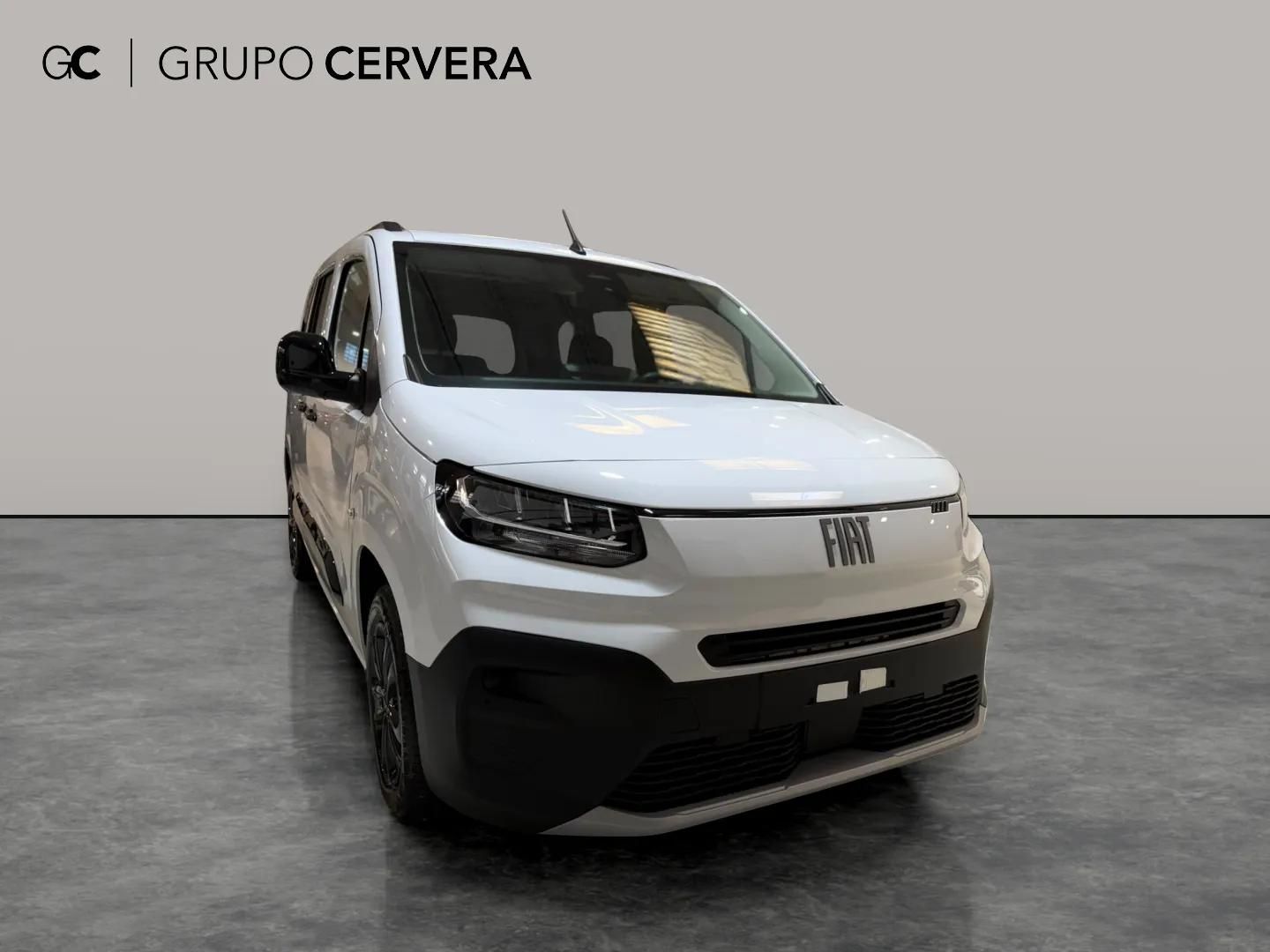
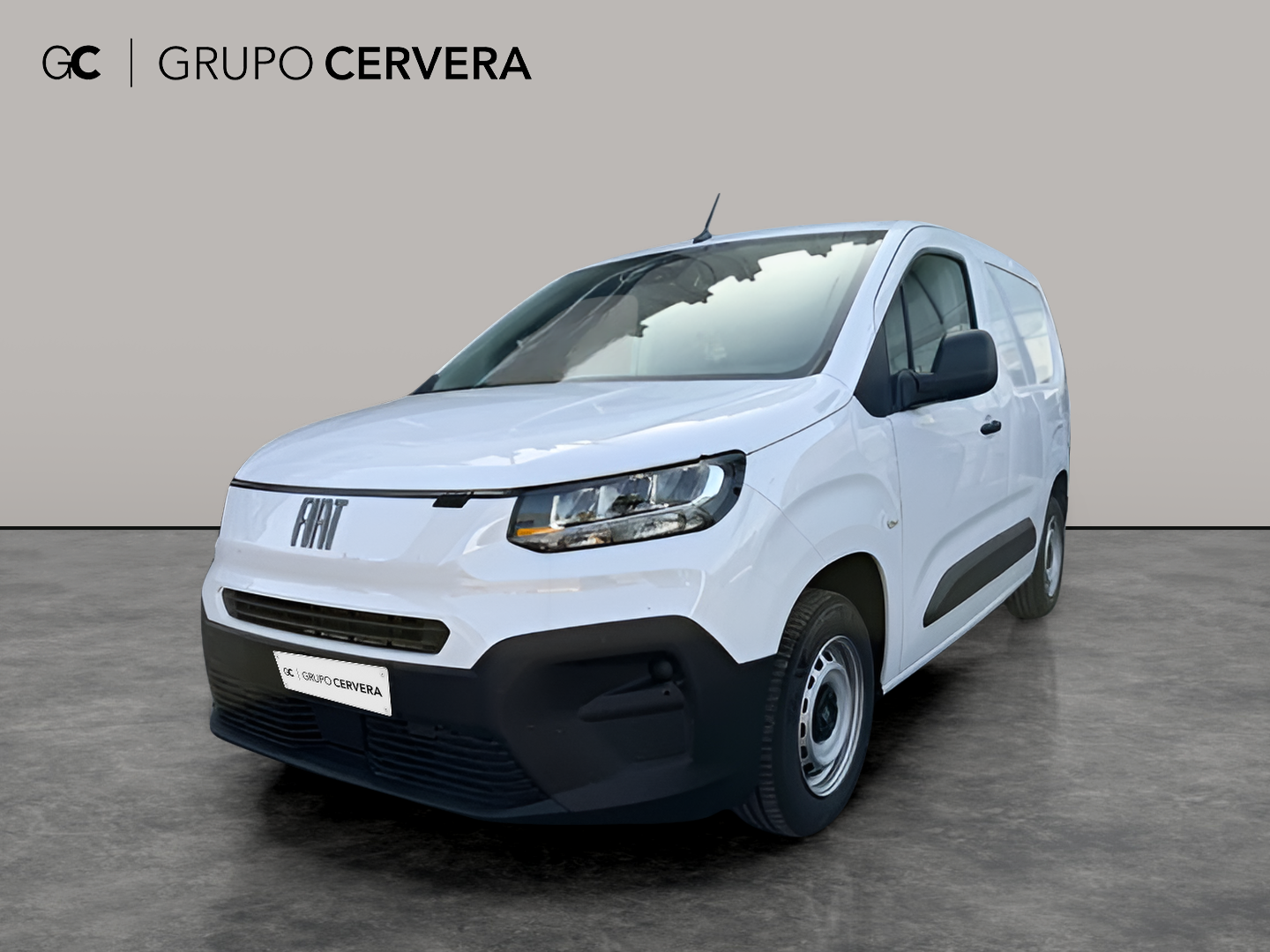
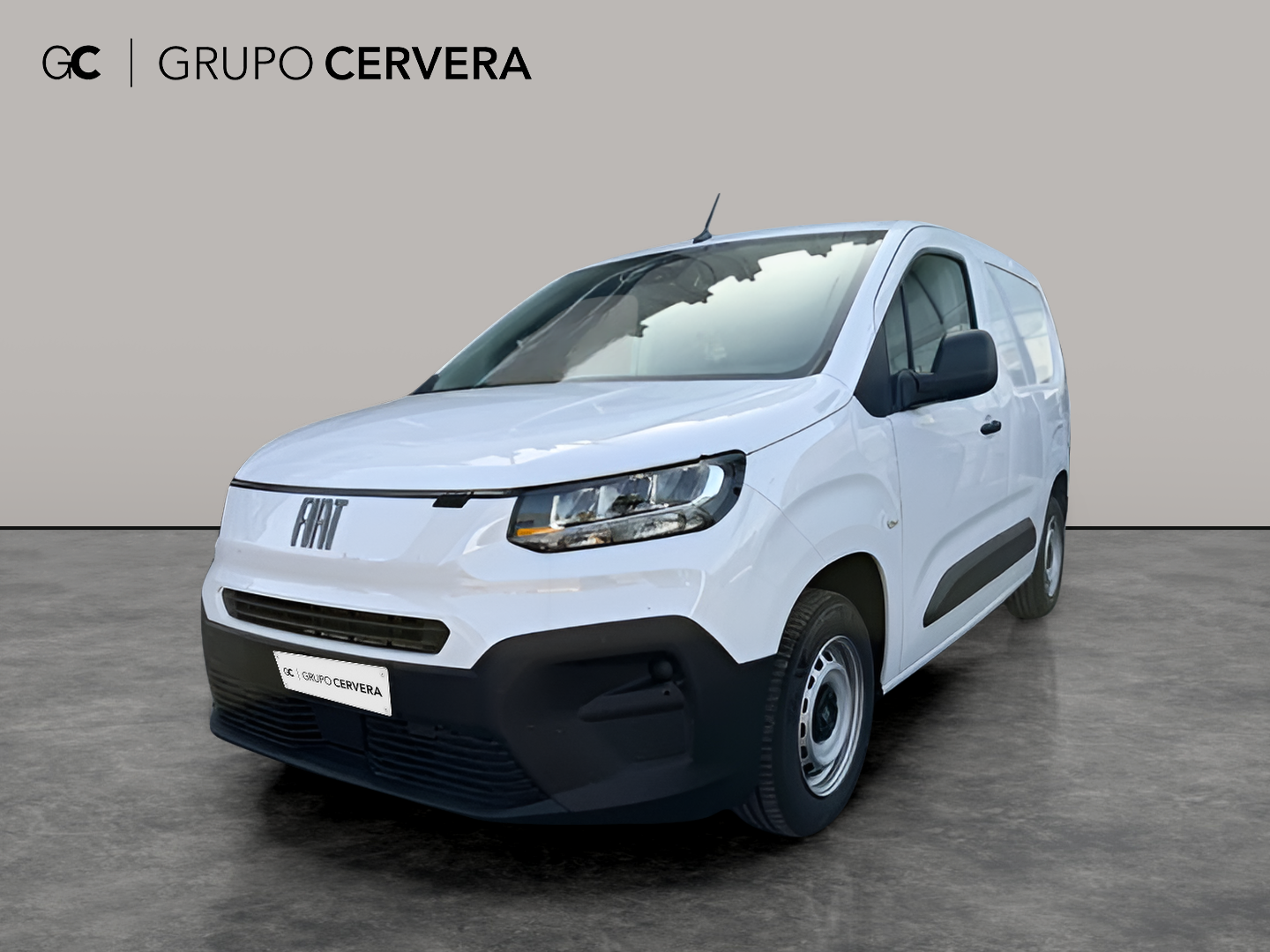
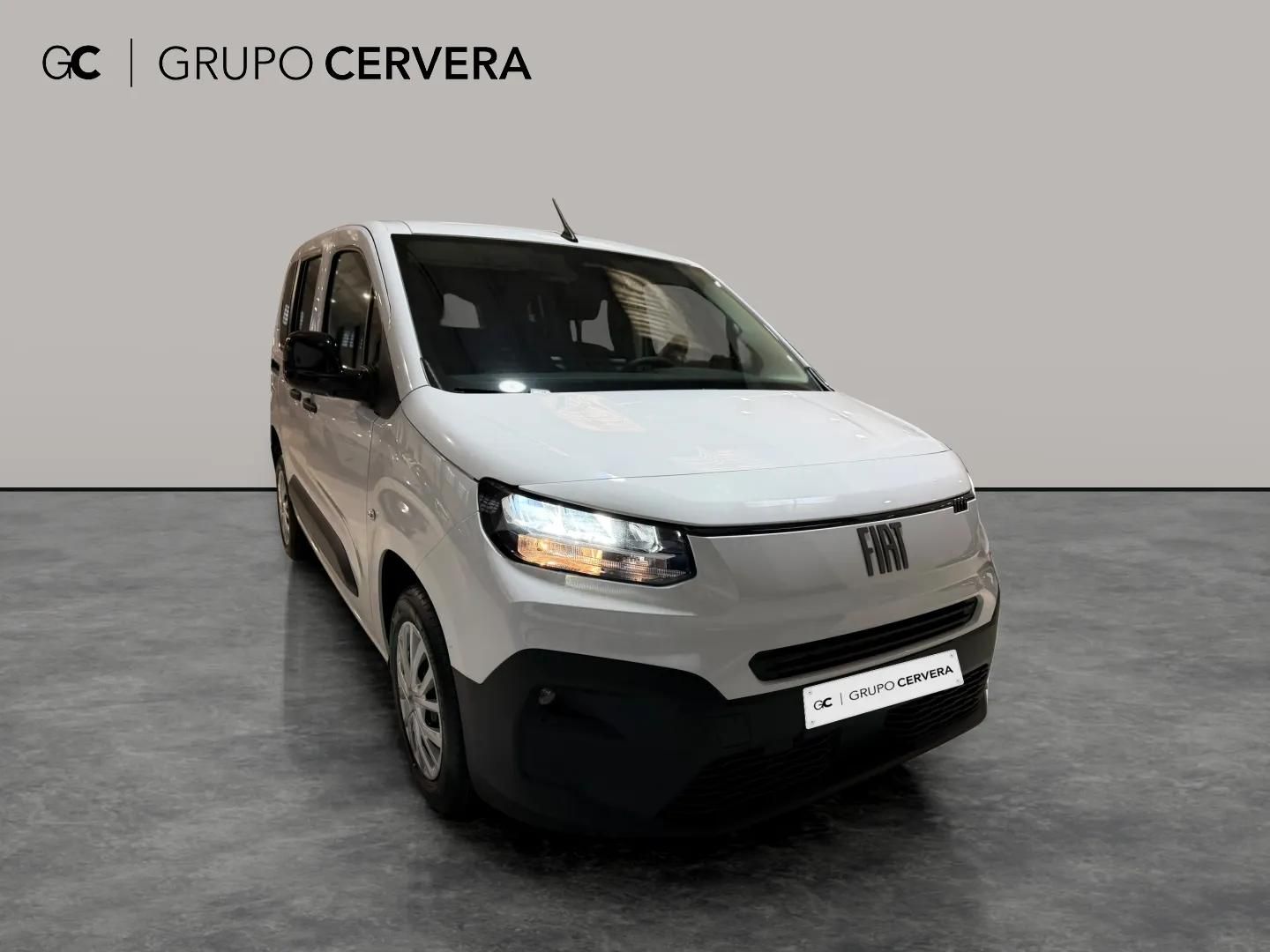
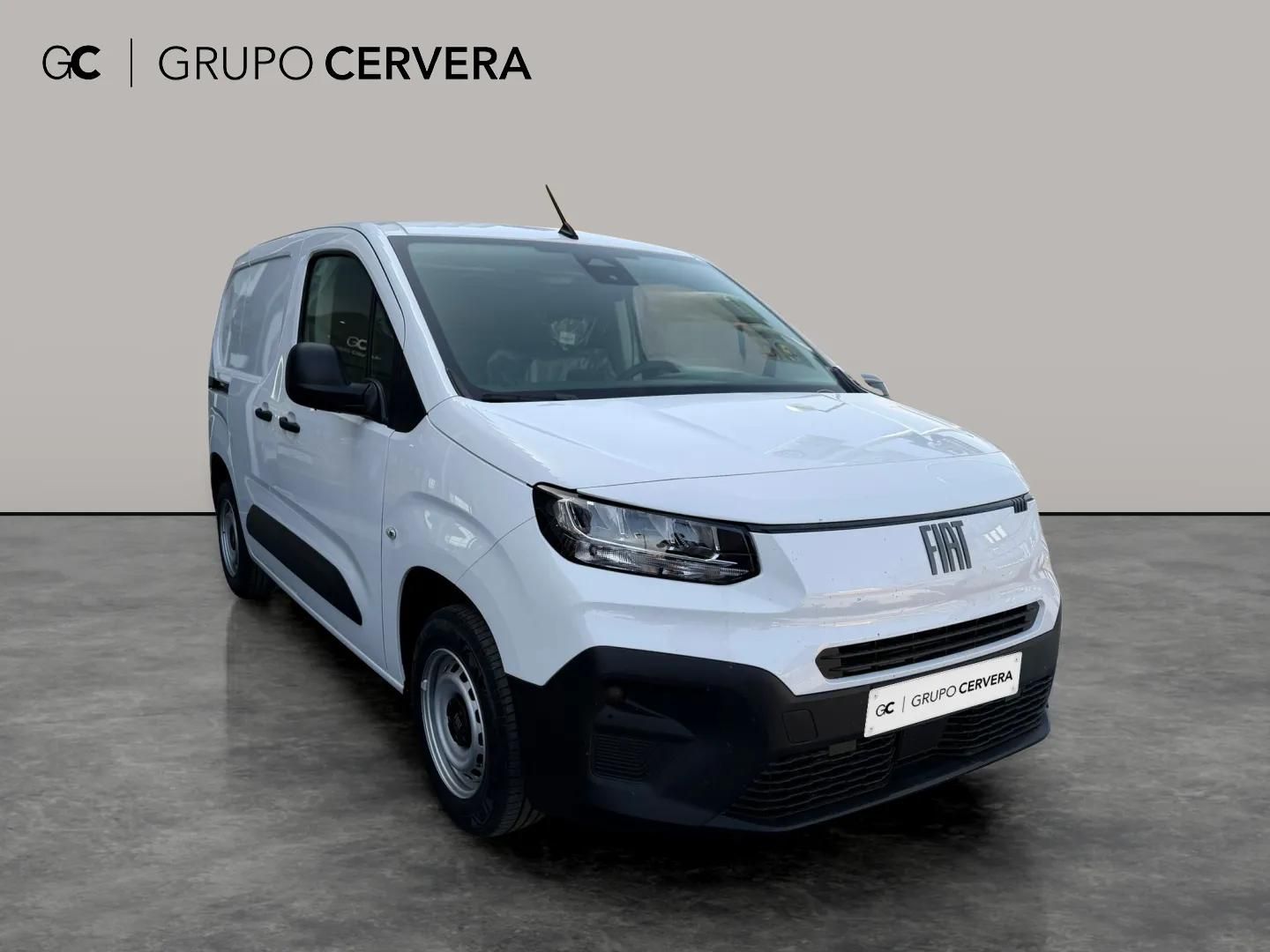
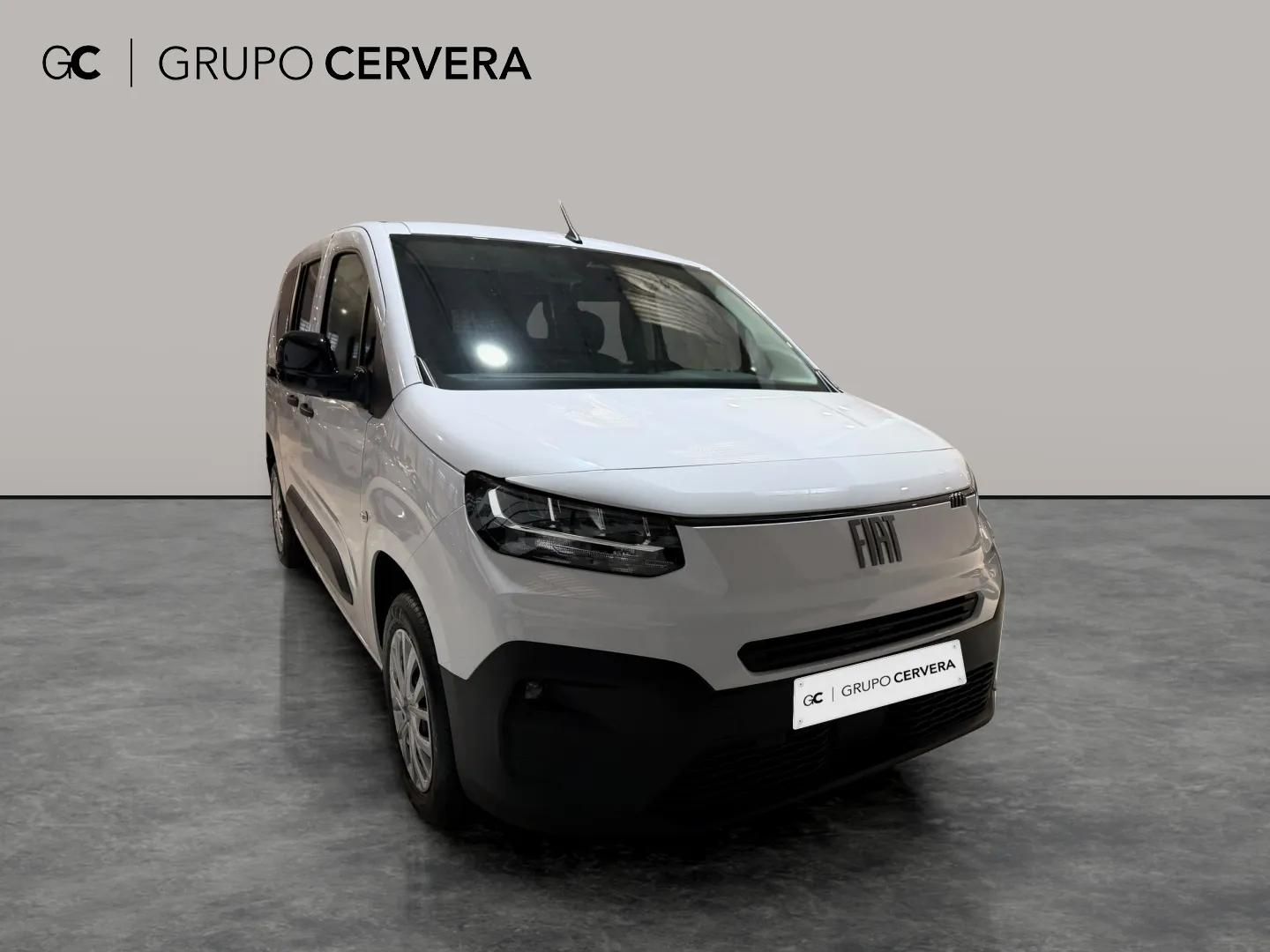
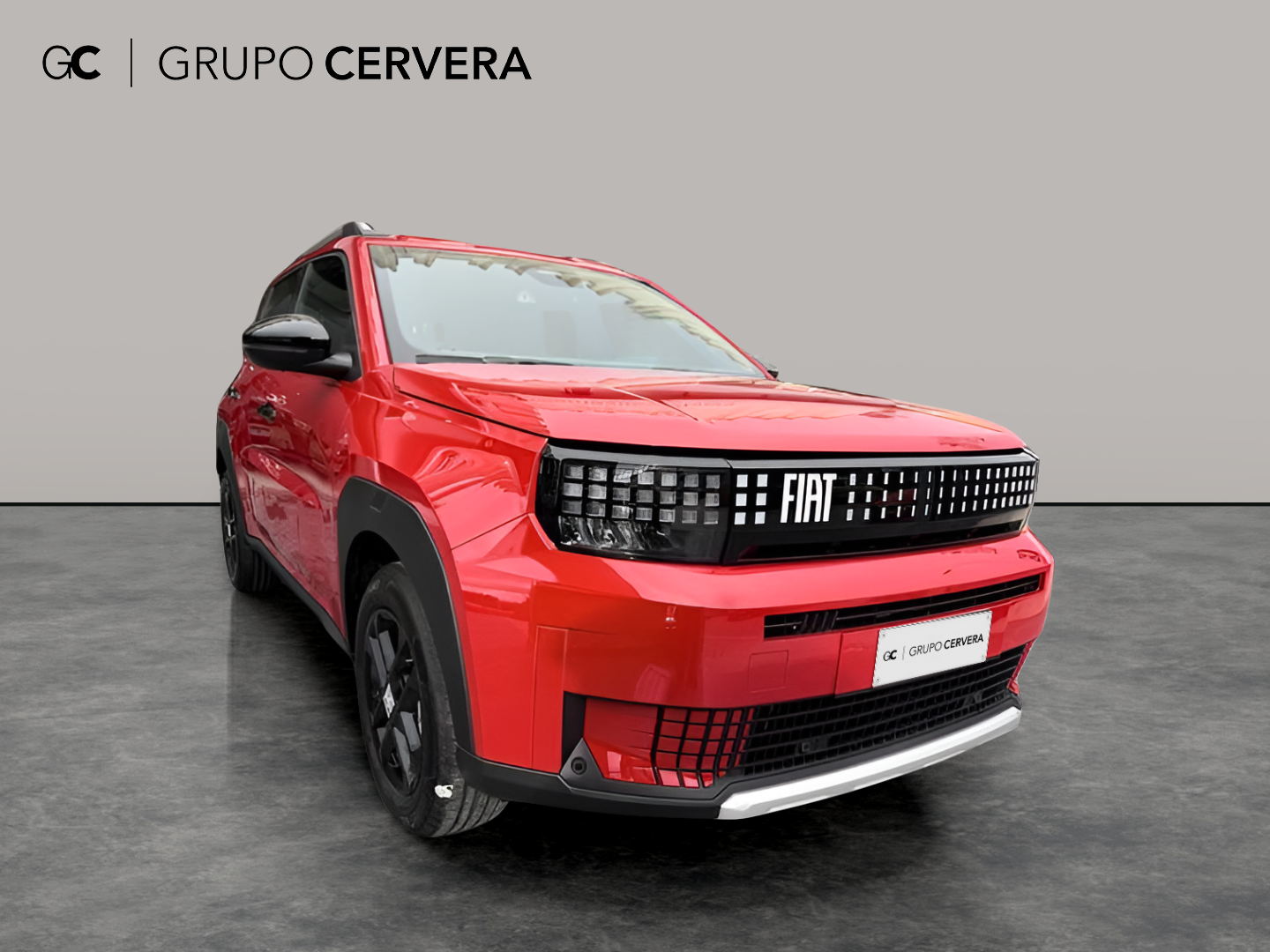
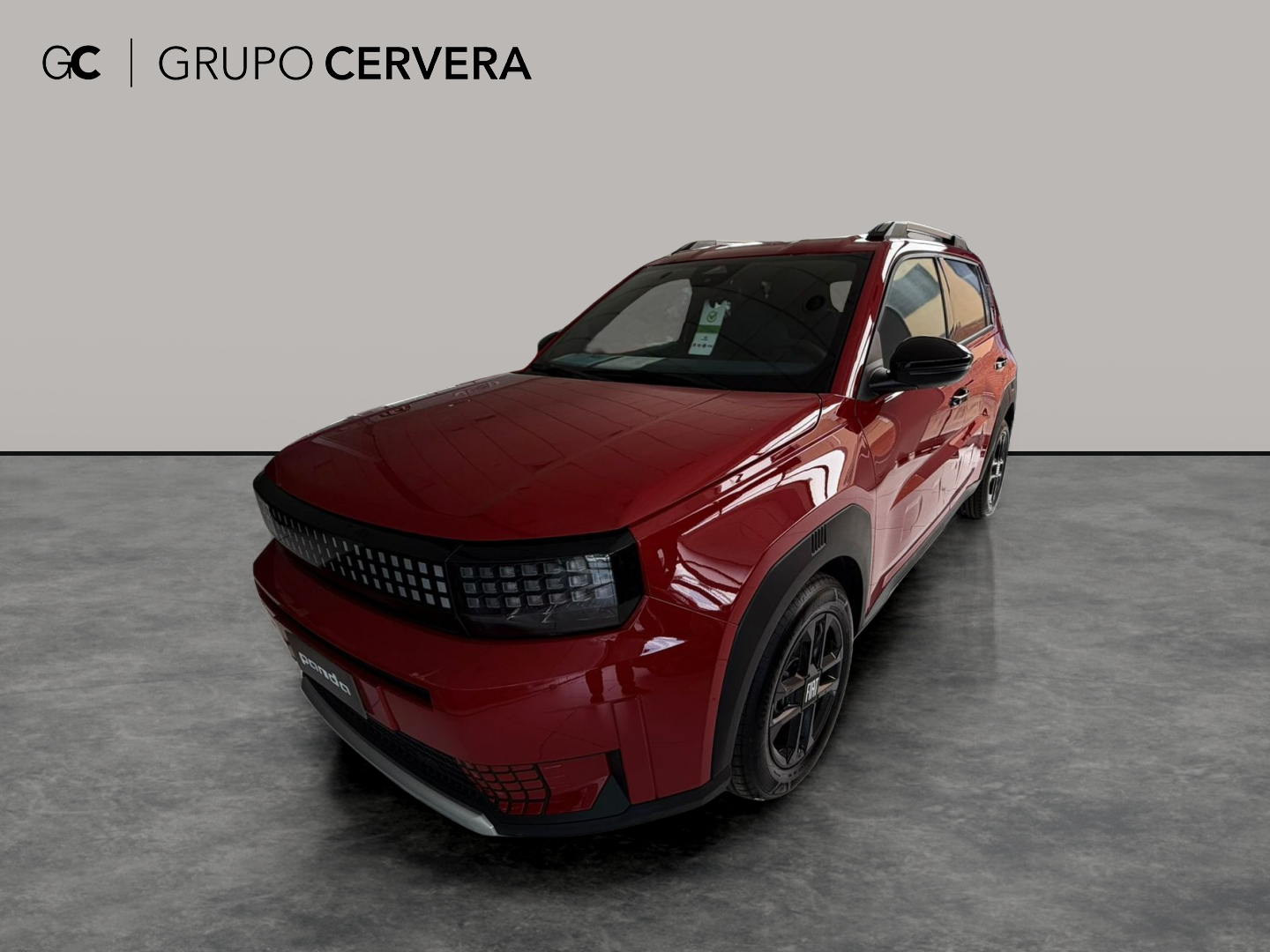
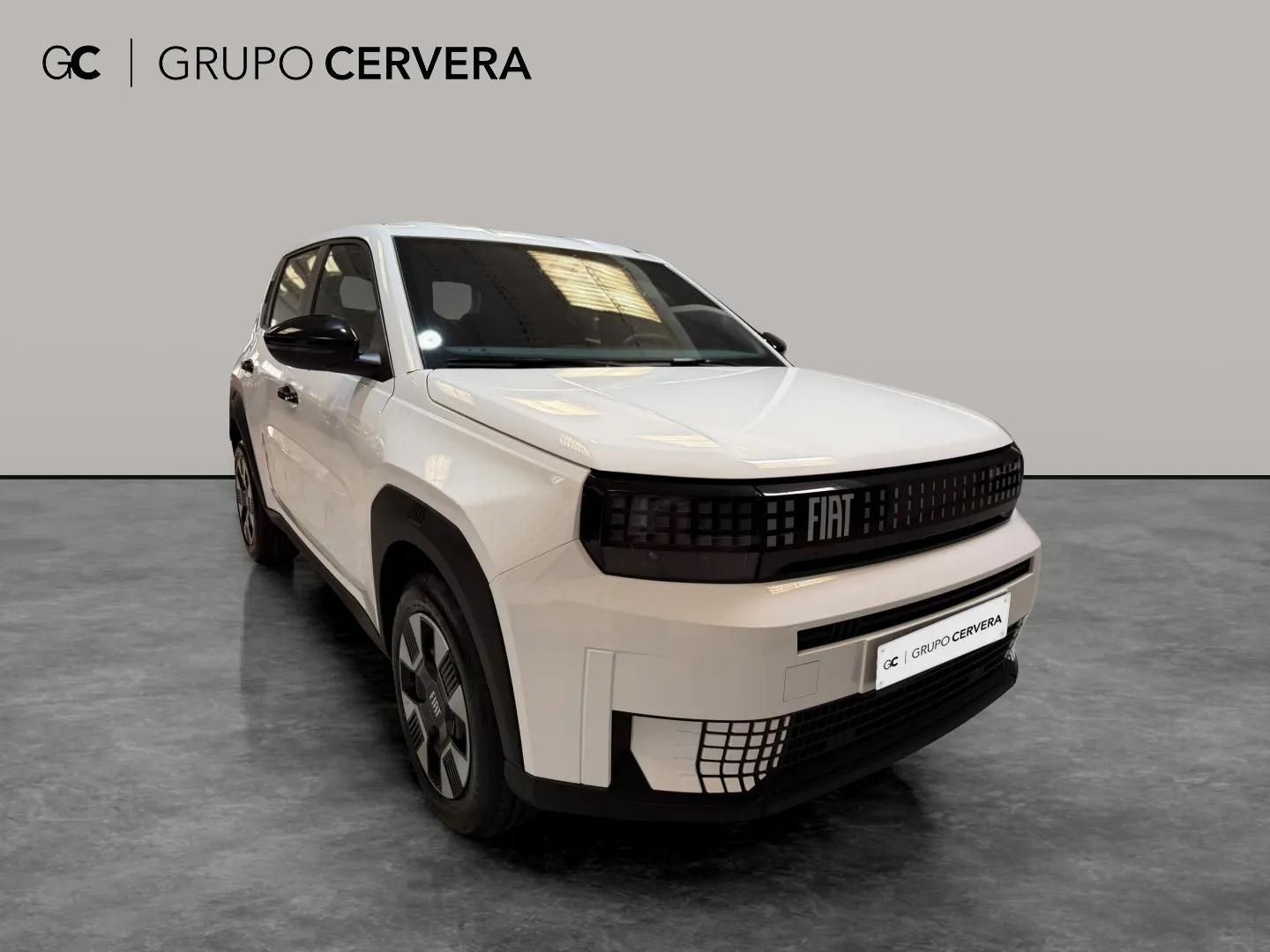
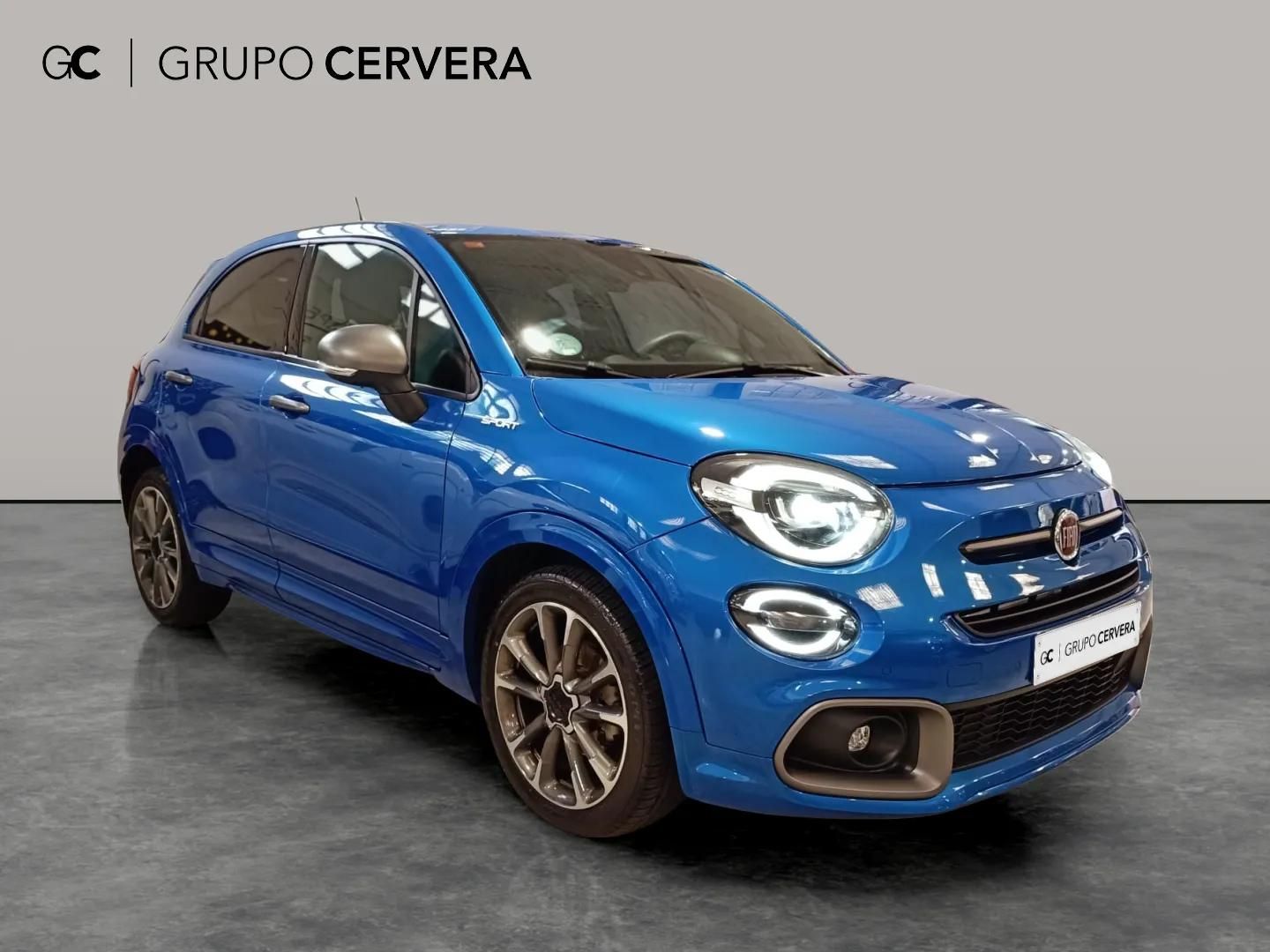
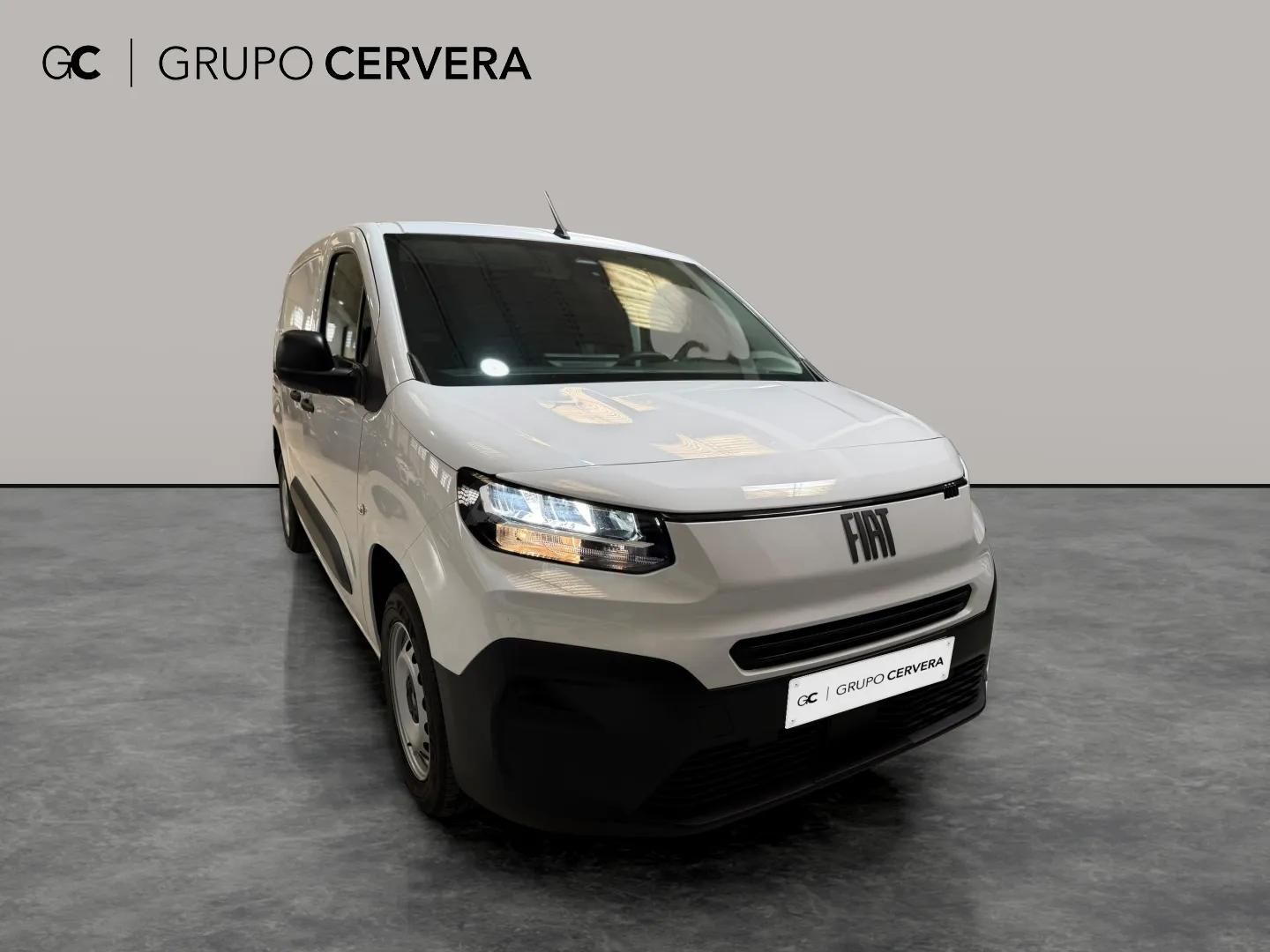
2026, diesel, manual, 10 km, VAN, Front Wheels Drive, 1,499 cm3, 130 hp, Euro 6, white, Furgón Maxi L2 BlueHDi 96 kW (130 CV), New condition, In stock

GrupoCervera.com
 Spain, Castille and León
 Spain, Castille and LeónSpain, Castille and LeónSpain, Castille and LeónSpain, Castille and LeónSpain, Castille and LeónSpain, Castille and LeónSpain, Castille and LeónSpain, Castille and LeónSpain, Castille and LeónSpain, Castille and LeónSpain, Castille and LeónSpain, Castille and LeónSpain, Castille and LeónSpain, Castille and LeónSpain, Castille and LeónSpain, Castille and LeónSpain, Castille and LeónSpain, Castille and LeónSpain, Castille and LeónSpain, Castille and LeónSpain, Castille and LeónSpain, Castille and LeónSpain, Castille and LeónSpain, Castille and LeónSpain, Castille and León
If you are browsing Fiat listings, the smart approach is not to ask whether the brand is "good" in the abstract. Ask whether a particular Fiat fits the kind of driving you actually do. That is where this brand becomes interesting. Fiat often attracts buyers who want a car with a bit of personality, sensible day-to-day usability, and dimensions that make urban life easier rather than more tiring. In the EU market, that means a Fiat can make a lot of sense for someone who values maneuverability, straightforward running needs, and a car that feels chosen for a purpose, not just bought because it was available.
Fiat usually appeals to a specific buyer type, and that is helpful when you compare offers. Many shoppers land on Fiat because they want a city-friendly hatchback, a practical small family car, or something light and easy to live with rather than oversized and expensive to run. That brand character matters when reading listings. A Fiat is often worth a closer look when your priority is everyday convenience: parking, visibility, simple commuting, second-car duty, or affordable entry into ownership with some charm left intact.
That also means you should be honest about what you need. If you mainly drive in dense traffic, shorter distances, and mixed urban roads, many Fiat offers will feel better targeted than larger alternatives. If your use case is mostly high-speed long-distance travel with a full load every week, some listings may still work, but you should compare them more critically against roomier or more motorway-oriented options. The best Fiat shortlist starts with your routine, not the badge.
A weak Fiat listing usually reveals itself before you ever make contact. Sparse photos, no clear mention of maintenance history, vague mileage claims, or descriptions that lean on style but skip condition are all reasons to slow down. With used cars for sale, especially in a brand that attracts both careful private owners and quick-flip traders, the difference between a good offer and a tiring one is often in the small details.
Look for listings that show the car from all angles, include the interior, and do not hide wear points. Check whether the seller mentions service records, recent maintenance, tire condition, warning lights, keys, ownership duration, and why the car is being sold. A better listing does not need a long speech; it just needs to answer the questions a real buyer will ask anyway. If an offer gives you almost nothing except a cheerful sentence and a price, assume you will need to verify much more before arranging a viewing.
One less obvious point with Fiat in the EU market: buyers are often comparing very different kinds of ownership stories under the same brand. Some cars were clearly kept as practical daily transport and maintained on schedule. Others may have been treated as cheap mobility and advertised only when something started to annoy the owner. That is why the seller's attitude matters almost as much as the car itself. A calm, specific seller who can talk through maintenance and use is usually more promising than one who keeps the conversation at the level of "runs well" and "nothing to do."
A common mistake is to sort Fiat listings only by newest year or lowest price. Better to compare by role. Is this Fiat meant to be a city car, family runabout, occasional commuter, learner-friendly option, or compact van-like practical choice? Once you group offers by what they are trying to do, the market becomes easier to read.
For example, one cheaper Fiat may look tempting until you notice thin history, cosmetic neglect, and unclear equipment. Another may cost more but come with cleaner documentation, more consistent care, and details that suggest easier ownership from day one. The difference is not always visible in the headline. Read for clues: matching tires, honest photos, a clean dashboard image, service invoices, and a seller who understands the car beyond the basics. When buyers say they found a "good Fiat," they often mean a car that feels coherent, not merely cheap.
This is where Fiat has an interesting advantage in listings. The brand tends to attract shoppers who are not chasing image alone; they are comparing usability. That changes how you should think about value. A strong offer is not the one with the most dramatic wording, but the one that makes practical sense with the fewest open questions. If two cars seem similar, choose the one with the clearer ownership story. It is usually the better bet than gambling on a lower asking price and a foggier past.
Before you travel to inspect a Fiat, send a short message or call with focused questions. Ask how long the seller has owned it, whether there is documented service history, what work was done recently, whether anything currently needs attention, and whether all electronics and convenience features work properly. Ask about cold starts, warning lights, air conditioning if fitted, clutch feel, gearbox behavior, and any leaks, noises, or recurring faults the seller knows about.
Also ask for details that reveal how the car was used. Was it mainly city driving, short trips, commuting, or family use? Has it spent long periods parked? Is the mileage supported by records? Are there two keys? Has any bodywork been repainted? These are ordinary questions, but they quickly separate serious sellers from evasive ones. If the answers are vague, inconsistent, or oddly defensive, that is useful information before you lose half a day on a viewing.
The Fiat offers worth seeing tend to share the same quiet strengths: believable history, a tidy presentation without theatrical over-polishing, complete photos, and a seller who sounds organized. You are not looking for perfection. You are looking for a car that has been understood by its owner. Normal wear is one thing; neglected basics are another. A worn seat bolster or stone chips may be acceptable. Missing service information, unexplained warning lights, or a seller who cannot explain recent maintenance are harder to excuse.
When you finally compare Fiat against alternatives, keep the brand's character in mind. This is often a brand chosen by buyers who care about the feel of daily use more than showroom drama. If that matches your priorities, a good Fiat listing can be a very rational buy. Just stay disciplined: compare the role of the car, not only the price tag; trust clear history more than optimistic descriptions; and favor offers that make ownership look easy rather than mysterious. That is usually how you find the Fiat worth calling about, and just as importantly, how you avoid the one that only looked good in the thumbnail.
 Add as preferred sourceSee more from zvelta in Google Search Add as preferred source