 EN
ENDEALER
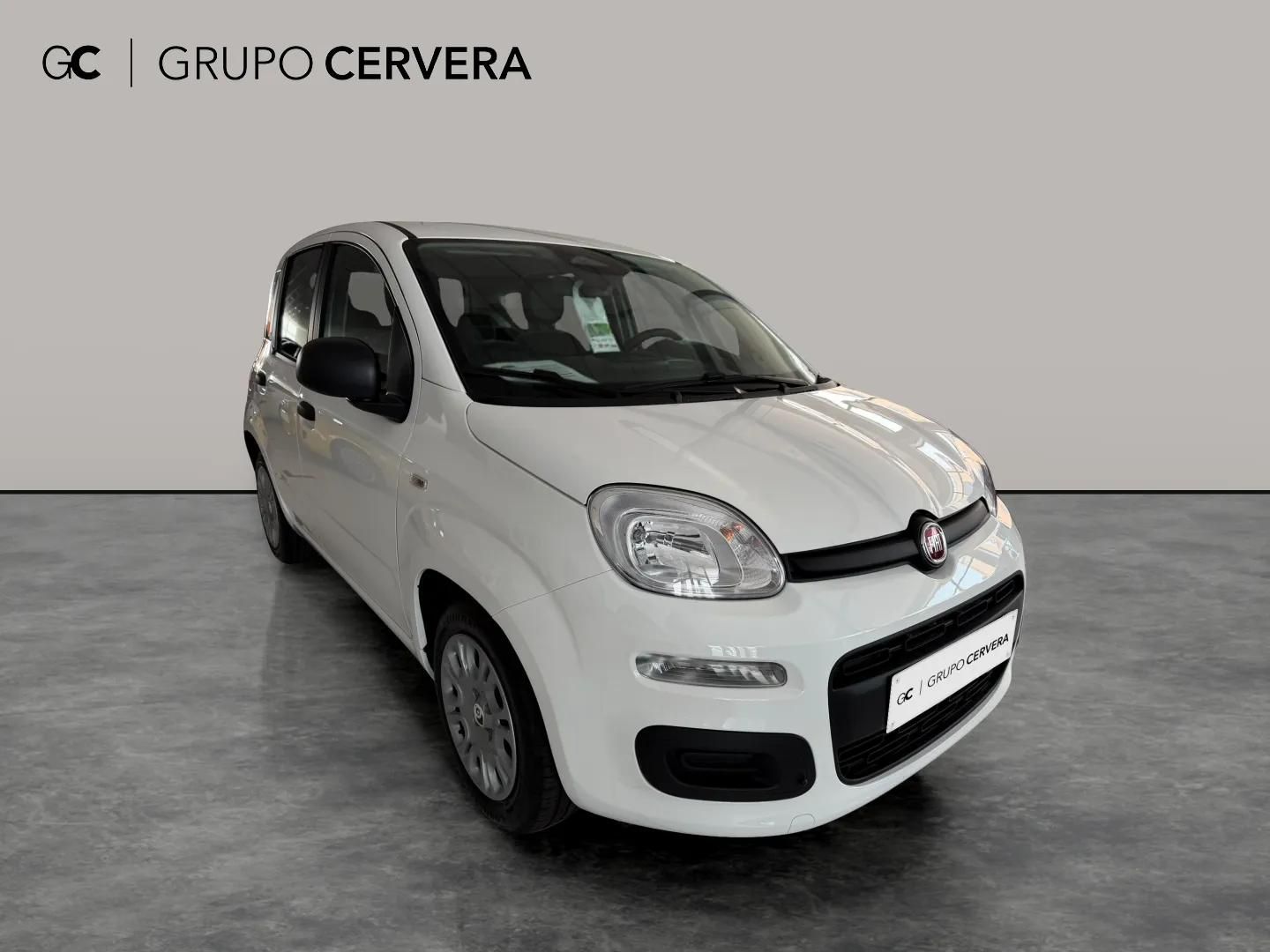
€13,990DEALER
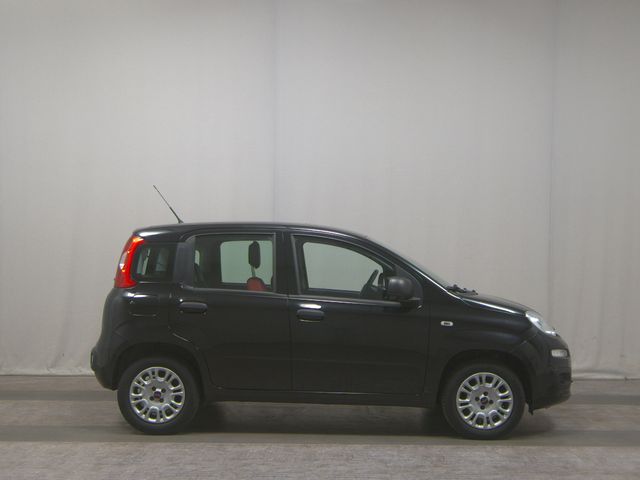
2026, gasoline, manual, 2 km, sedan, Front Wheels Drive, 999 cm3, 65 hp, Euro 6, white, 1.0 Hybrid Icon 48 kW (65 CV), New condition, In stock

GrupoCervera.com
 Spain, Castille and León
 Spain, Castille and León
 SpainSpainSpain
 Belgium
 NetherlandsNetherlands
 Germany, Lower Saxony
 Germany
 Poland, Lesser Poland
 ItalyItalyItalyItalyItalyItalyItalyItalyItalyItalyItalyItalyItaly
 Romania, Timiș County
 Romania, Bacău County
A good Fiat Panda listing should make you feel that daily life with the car will be easy before you even arrange a viewing. That is the real filter here. When you compare used Fiat Panda offers, do not start with the badge or the idea of a cheap city car. Start with the story the listing tells: does this Panda look like a car that has been simply used, serviced, and kept moving without drama, or does it look like an owner is trying to hide a tired example behind a few flattering photos? On a model like the Fiat Panda, that difference matters more than a dramatic spec sheet.
A strong listing for a Fiat Panda for sale usually feels plain in a good way. Clear exterior photos, a readable interior, visible wear that matches the mileage, and a seller who mentions service work without turning the description into advertising all help. Be more cautious with ads that say very little, show only three glamorous angles, or avoid simple details such as how long the owner has had the car, what was recently repaired, or whether the car has been used mostly in town.
The Panda attracts buyers who want something practical, maneuverable, and inexpensive to live with. Because of that, weak offers often reveal themselves in small ways. If the steering wheel, seats, pedals, and gear lever look much more worn than the mileage suggests, ask why. If the car is presented as perfect but the listing avoids close photos of common touch points, that is not a disaster by itself, but it is a reason to slow down. A Fiat Panda does not need to be immaculate to be worth buying; it needs to feel believable.
This is where the Fiat Panda becomes more interesting than many buyers expect. A Panda can make sense not because it wins on paper, but because it fits everyday life with very little fuss. You feel that in the seating position, ease of parking, visibility, and the way a simple, tidy cabin can still be pleasant when the car has clearly been cared for. That is why the ownership story matters so much. Ask yourself: does this listing suggest a car that was someone’s useful companion, or just something pushed onto the market because the next repair became inconvenient?
When speaking to the seller, ask questions that reveal routine, not slogans. How was the car mainly used: short urban trips, mixed commuting, or longer drives? What maintenance was done in the last year? Are there invoices, stamped records, or at least a coherent explanation of recent work? Has anything electrical, cosmetic, or convenience-related stopped working, even if the car still drives well? On compact cars, buyers sometimes focus only on whether the engine starts and the gearbox shifts. Real ownership is wider than that. Small faults can tell you a lot about how the Fiat Panda was treated.
If you are browsing multiple Fiat Panda cars for sale across the EU market, resist the temptation to sort everything by lowest price or newest registration and stop there. Compare groups of offers instead. Look at cars with similar mileage, similar visible condition, and similar completeness of documentation. One seller may ask a bit more but provide a much cleaner history, better tires, more transparent photos, and straightforward answers. Another may advertise a bargain that starts becoming expensive the moment you notice missing keys, vague service history, warning lights, damaged trim, or suspiciously fresh cosmetic work.
A useful trick: save three or four listings that seem comparable, then reread them later. The weak ones usually become obvious on the second pass. The wording becomes evasive, the photos repetitive, the equipment description inconsistent, or the maintenance story too thin. With a Fiat Panda, buyers are often not chasing prestige, so trust and clarity become a bigger part of the decision than usual.
Before you commit to a viewing, ask the seller for the cold-start behavior, recent service items, any dashboard warnings, tire condition, number of keys, and whether all basic cabin functions work as they should. Ask for a photo of the service book or invoices if they exist. If the seller says the car needs “nothing,” ask what was last replaced and when. Honest owners usually answer comfortably and specifically. Weak sellers often retreat into vague phrases.
Also ask why the Fiat Panda is being sold now and how long they have owned it. The answer does not have to be dramatic, but it should sound natural. A believable ownership story makes a big difference on used listings. It helps you judge whether the car has simply reached a handover moment or whether the seller is trying to exit before pending costs arrive.
When you inspect a Fiat Panda, pay attention to the things owners touch every day. Does the interior feel cared for or merely cleaned for the photos? Do doors, switches, seats, and trim behave consistently? Does the engine bay look maintained rather than freshly dressed up? On the road, listen for the kind of noises that sellers stop noticing after long ownership. During the test drive, you are not trying to prove the car is flawless. You are deciding whether the offer matches its description and whether ownership feels realistic for your routine.
That is the sensible way to buy a Fiat Panda in the EU market. The right one is rarely just the cheapest or the shiniest listing. It is the car that makes sense as an owned object: documented enough, honest enough, and solid enough that you can imagine using it every day without a stream of small disappointments. When a seller gives you that confidence, the Panda usually makes its case very quickly.
 Add as preferred sourceSee more from zvelta in Google Search Add as preferred source