 EN
DEALER

€11,800DEALER
€13,800
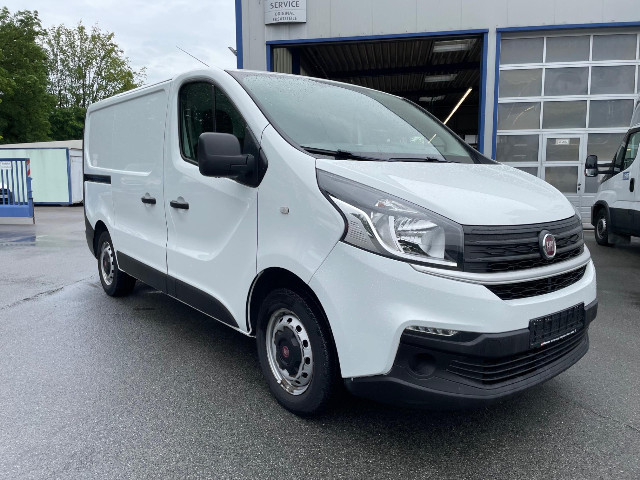
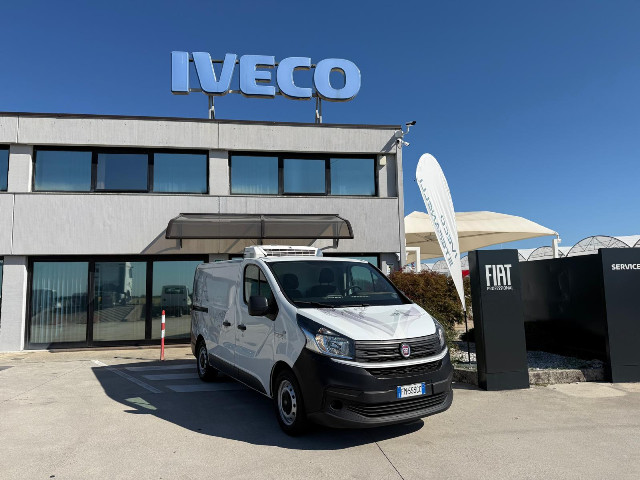
2018, diesel, manual, 165K km, VAN, 1,598 cm3, 125 hp, 1.2 CH1 1.6MJET125, Used condition, Europa, In stock, sale date 20.10.2026 08:00

CarOutlet.eu
 France
Auction starts · 20 Oct, 08:00
Current bid€11,300
 France

 Eutritzsch, GermanyEutritzsch, GermanyAllersheim, Germany
 Cazzago-Ex Polo, Italy

 Romania

 Greece, Attica
A good Fiat Talento listing should make your next step obvious. You should quickly understand what kind of van it is, how it has been used, what shape it seems to be in, and whether the seller sounds like someone worth meeting. If you have to guess too much from the photos or decode vague wording, move on and compare another offer. In the EU market, where used vans often come with mixed work histories, the strongest Fiat Talento offers usually feel clear, calm, and easy to verify.
A Fiat Talento can look attractive on price alone, especially when you compare several used listings side by side. But with a van like this, daily life matters more than a tempting first number. Think about the ownership story behind each offer. Was this Fiat Talento likely used for light regional delivery, family-business work, airport transfer duty, or long motorway runs? A van that has covered higher mileage with tidy presentation and convincing service records can be a smarter buy than a lower-mileage example with patchy photos, missing details, and a seller who avoids specifics.
That is why the first comparison should be about use, not just equipment. Look at the cargo area, seat condition, steering wheel wear, door edges, flooring, and load opening. These details can tell you more about everyday life with the Fiat Talento than a short spec list ever will. If the rear area looks freshly cleaned but the listing avoids showing the parts that take wear, ask for extra photos before you arrange a visit.
The better Fiat Talento ads usually answer the obvious buyer questions before you ask them. You want clear photos from all sides, a readable interior, and an honest look at the working parts of the van, not only the most flattering angle in a parking lot. For a model like this, service history matters because it helps you judge whether the van has simply been used, or used and neglected.
Ask the seller practical questions that connect to ownership rather than sales talk:
A strong seller normally does not need to oversell the van. Short, direct answers are good. Defensive answers are not. If someone becomes vague the moment you ask about servicing, previous use, or why the van is being sold, treat that as part of the evaluation.
One of the easiest mistakes with a Fiat Talento is to judge it like a passenger car. Most buyers eventually live with the van in much more practical ways: opening side doors several times a day, loading awkward items, checking mirrors in traffic, sitting in it for long workdays, and relying on it to start every morning without drama. That means the small ownership details in a listing deserve more attention than fancy phrases.
Look for signs that the seller understands the van as a working tool. Are both keys mentioned? Is there any note about recent consumables, tyres, brakes, or routine servicing? Do the photos show a cared-for cabin rather than a van hastily prepared for sale? A Fiat Talento that presents honestly often feels trustworthy before you even see it in person. On the other hand, heavily edited images, sparse description, and no mention of maintenance can signal a weak offer, even if the van appears clean.
There is also a useful market habit to remember in EU-wide browsing: some buyers get distracted by trim names or one standout feature and stop comparing the whole package. That is how mediocre vans survive online longer than they should. With the Fiat Talento, the better move is to compare three or four listings by overall credibility: history, visible wear, seller transparency, and how consistent the story feels from headline to photos to phone call.
When a Fiat Talento looks promising, do a second-pass check before committing time. Read the listing again and look for gaps. Does the mileage seem believable relative to the condition shown? Do the tyres, seats, pedals, and load area tell a similar story? If the van is presented as carefully maintained, ask what that means in practice. “Serviced” is too broad to be useful unless the seller can say what was done and when.
It also helps to ask for cold-start information and a short walkaround video. You are not looking for cinema quality; you are looking for confidence. A seller who is comfortable showing the engine start, dashboard, exterior panels, door operation, and interior wear is usually easier to deal with than one who insists that “everything is perfect” but sends nothing.
A Fiat Talento is worth seeing when the listing, the seller, and the visible condition all point in the same direction. Not perfection, just consistency. The mileage may be higher than you first wanted, or the body may show honest working marks, but if the history is coherent and the seller communicates well, that can still be the better buy. Used vans are about reducing uncertainty.
If you are comparing Fiat Talento cars for sale across the EU market, resist the urge to chase the most dramatic bargain. The van you feel comfortable owning for the next few years will usually be the one with the clearest paper trail, the most believable presentation, and the least friction in conversation. That is the offer that tends to reward a real inspection. The weak ones usually reveal themselves earlier: incomplete listings, evasive sellers, and a story that changes every time you ask one more question.
 Add as preferred sourceSee more from zvelta in Google Search Add as preferred source