 EN
ENDEALER

€36,980DEALER
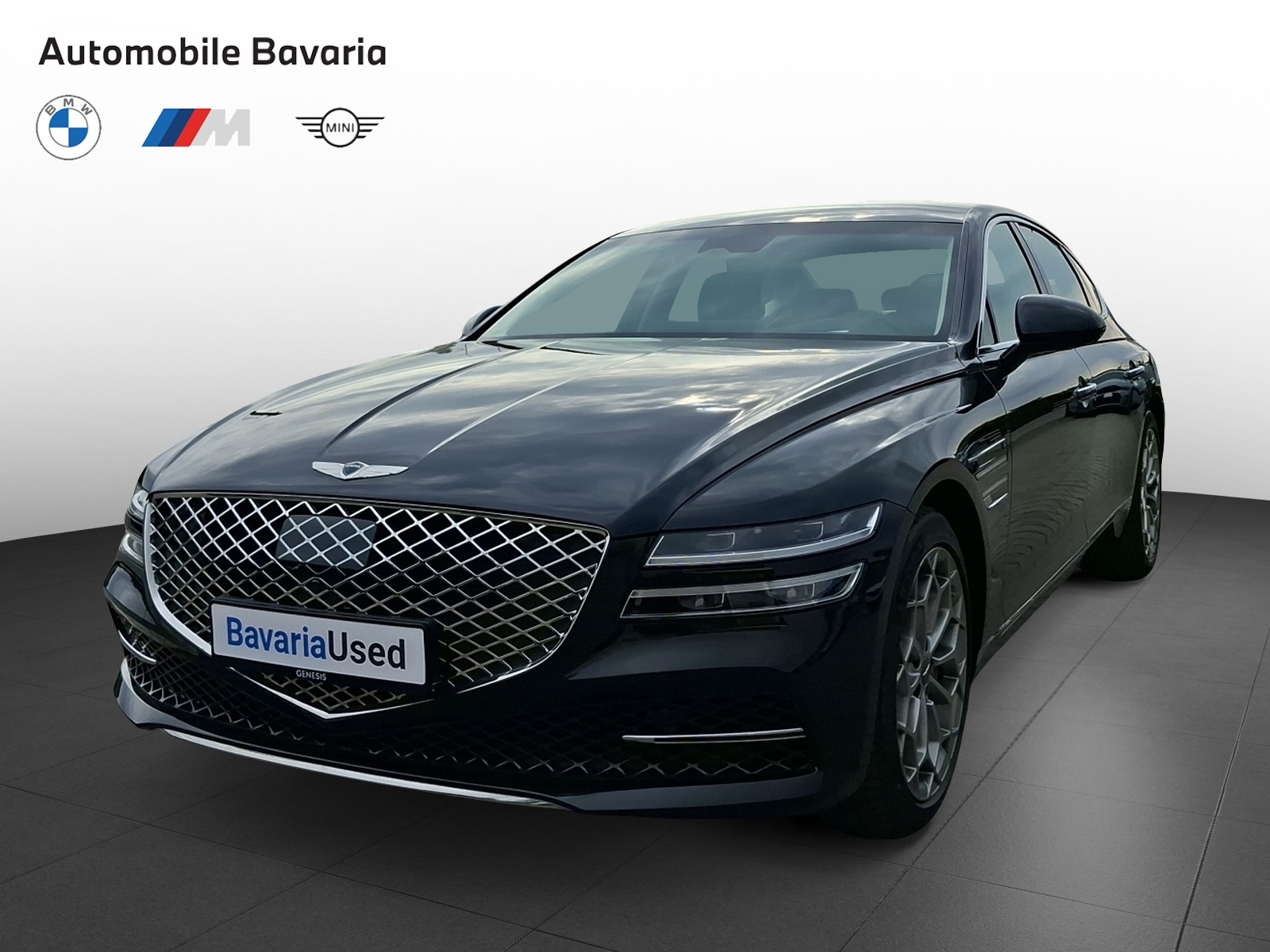
2023, electric, automatic, 53K km, pickup, 209 hp, grey, GV70 Sport, Used condition, South Korea, In transit

AutoHus.de
 Germany, Lower Saxony
 Germany, Lower SaxonyGermany, Lower SaxonyGermany, Lower SaxonyGermany, Lower Saxony
 Oraş Otopeni, Romania
If you are browsing Genesis listings, the first useful question is not simply “is this a good car?” but “is this the kind of premium car I actually want to live with?” Genesis tends to attract buyers who like the idea of comfort, design and equipment, but do not want the most obvious badge in every parking area. That makes this brand interesting in the EU market: a Genesis offer is often being considered by someone cross-shopping familiar premium names yet hoping to find a car that feels more personal, less predictable, and sometimes better specified on paper. The trick is to judge each listing on substance, not on novelty.
Genesis is rarely a random click. Most buyers who pause on a Genesis listing are not just looking for transport; they are looking for a premium car with a slightly different character. That matters, because it changes how you should compare offers. With Genesis, the listing is often won or lost on the total ownership picture: condition, history, equipment, seller transparency, and whether the car makes sense against more established alternatives. If you are the kind of buyer who enjoys getting something less common without turning the purchase into a gamble, Genesis is worth a closer look.
There is also a subtle market effect around this brand. A less common premium badge can produce two very different kinds of sellers. One seller understands exactly what the car is, presents it properly, photographs the details, shows service records and speaks clearly about ownership. Another leans too heavily on the badge being “rare” and gives you very little substance. When you read Genesis cars for sale in the EU, that difference is often more important than any marketing description. A calm, detailed listing usually tells you more than a dramatic one.
Start with the basics, but do them carefully. Check whether the ad explains where the car has been maintained, whether mileage progression looks believable, and whether the photos show honest wear areas rather than only flattering angles. On a Genesis, equipment can strongly influence perceived value, so it is worth comparing interior trim, seat condition, infotainment presentation, lighting details, wheel condition, and small cosmetic signs that reveal how the car was treated. A premium car that looks tired in the switchgear, steering wheel, seat bolsters or boot area may have had a harder life than the headline description suggests.
The weak Genesis listing often has a certain pattern: impressive wording, too few photos, vague servicing language, and almost no explanation of recent maintenance or ownership history. Be careful when the seller says the car is “full option” but does not actually show or describe the meaningful features. Also be cautious when a premium car is photographed poorly or offered with almost no context. For a brand that many buyers will already know less well than German rivals, a serious seller should help you understand the exact car, not make you guess.
Before arranging a viewing, ask what has been done recently, whether there are invoices or digital records, how long the current owner has had the car, and whether any warning lights, cosmetic repairs or pending maintenance items should be disclosed now rather than later. Ask for cold-start behavior if you cannot inspect it yourself immediately. Ask whether all keys are present, whether the car has matching tyres, and whether any driver-assistance or infotainment functions are not working as expected. These are not dramatic questions, but they often reveal whether the seller is organized and credible.
One useful editorial clue with Genesis is this: because the brand can attract buyers who care about refinement and presentation, a messy ad can be a stronger warning sign than it would be on a more ordinary listing. If someone cannot be bothered to explain a relatively uncommon premium car properly, you should wonder how disciplined they were with upkeep. That does not mean every short ad is bad, but on Genesis it is worth expecting a bit more clarity before you travel to see the car.
Do not compare Genesis only badge against badge. Compare offer against offer. A well-kept Genesis with convincing history, good photos, consistent condition and a straightforward seller may be a better viewing candidate than a more familiar premium rival with a weaker paper trail. At the same time, do not let the brand’s individuality excuse missing information. A car being uncommon in the EU market is not a substitute for maintenance records, document clarity or a believable ownership story.
This is where the brand’s character matters most. Genesis tends to make sense for buyers who want premium comfort and design but are a bit tired of buying exactly what everybody else buys. If that sounds like you, keep your standards high. You are not buying “different” for its own sake; you are buying a particular ownership experience. The right Genesis listing should feel coherent: the condition, mileage, service story, seller answers and asking logic should all point in the same direction. If one part feels much stronger than the others, slow down.
A Genesis becomes worth the trip when the seller gives specific answers, the documentation story is easy to follow, the photos support the description, and the car’s condition looks consistent with the mileage claimed. If the ad shows care in the details, that is a good sign. If it hides the details behind generic premium language, keep scrolling. With only a small number of active Genesis listings in this market, patience matters. Scarcity can tempt buyers to compromise too early, but a rare car is only a good buy when the individual example is right.
The smart way to shop Genesis is to treat it as an intentional premium choice, not a curiosity. Compare each car carefully, ask direct questions, and look for sellers who understand that trust sells uncommon cars. Done that way, Genesis can be one of the more interesting brands to shortlist when you want something polished, distinctive and credible rather than merely familiar.
 Add as preferred sourceSee more from zvelta in Google Search Add as preferred source