 EN
ENDEALER

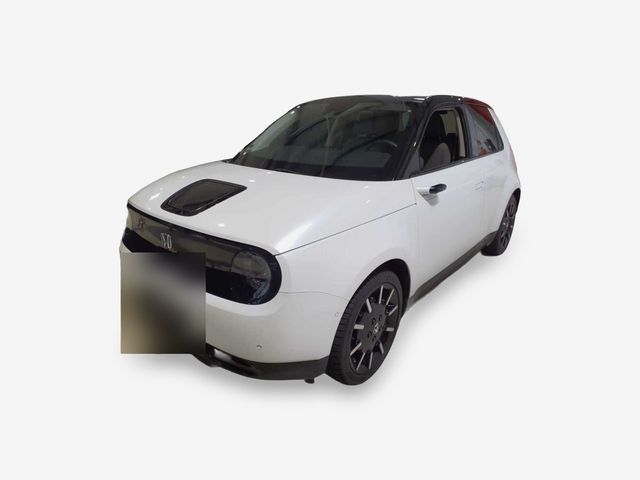
2021, electric, automatic, 49K km, hatchback, 154 hp, Advanc 16", Used condition, Europa, In stock, sale date 22.10.2026 02:45

CarOutlet.eu
 Netherlands
Auction starts
22 Oct, 02:45
 Netherlands
 Germany, Lower Saxony
 Romania
If you are looking at a Honda e, the smart approach is not to start with style, even though style is exactly what makes this car so tempting. Start with your routine. The right Honda e can be a brilliant urban electric car, but only if the listing matches the way you will actually use it. Before you get attached to the photos, compare the car’s condition, battery-related transparency, charging setup, equipment, and seller honesty against the small EV alternatives sitting near it in the same price space. With a niche model like the Honda e in the EU market, patience is often part of buying well.
A weak Honda e listing often hides behind attractive design and short descriptions. If the ad spends more time on how cute or rare the car looks than on ownership details, slow down. You want clear photos of the exterior, interior, wheels, charging ports, and boot space, plus specific information on mileage, service history, charging cables, software or infotainment issues if any, and whether the car has been used mainly in town or for mixed driving.
The first comparison is simple: does this Honda e look like a carefully kept EV, or like a fashionable impulse sale with thin documentation? A seller who understands the car usually mentions practical details without being pushed too hard. A vague ad is not always a bad car, but it is often a sign that your questions will do the heavy lifting.
This is where many buyers either save themselves money or waste a month. The Honda e is rarely a default choice bought on pure specs. It is usually cross-shopped with other compact electric cars, and that means you should decide in advance which compromises are acceptable. Are you buying for character, cabin feel, and city maneuverability? Or do you actually need the strongest range confidence for mixed use across the EU market?
That question matters because the Honda e can make sense even when a nearby alternative looks stronger on paper. A better paper value is not always a better owner fit. But the reverse is true too: if you are already explaining away three compromises before you even call the seller, it may be better to wait. If another small EV offers a clearer maintenance story, more transparent battery-related information, better equipment for the same money, or a seller who answers directly, the smarter buy may be the less romantic one.
A good trick is to compare each Honda e listing against two kinds of alternatives: one you admire emotionally, and one you would buy purely rationally. If the Honda e still holds up after both comparisons, it is probably worth viewing.
When you contact the seller, skip the generic “Is it still available?” opening if possible. Ask things that force a concrete answer. For example:
These questions are useful not only for the answers, but for the seller’s tone. A careful owner usually responds in a structured way. A seller who avoids specifics, answers selectively, or becomes defensive when asked about paperwork can save you a wasted trip.
With a Honda e, presentation tells you a lot. Because this model attracts buyers who care about design and image, some listings are polished in a way that can distract from missing essentials. Crisp photos and a tidy backdrop are nice, but they do not replace a photographed service book, charging equipment, honest wheel close-ups, or clear notes about cosmetic wear.
There is also a less obvious market signal here. Niche EVs tend to create two types of ads: enthusiast ads and convenience ads. Enthusiast sellers often know the exact trim details, optional features, and everyday charging habits. Convenience sellers, including some traders, may rely on the car’s visual appeal and assume the buyer will fill in the blanks. When shopping Honda e used listings, that distinction matters more than the ad’s polish.
A promising Honda e for sale should earn a viewing before you leave home. That means enough detail to justify the trip. At inspection, pay attention to cabin wear versus stated mileage, operation of screens and controls, charging-port condition, tyre quality, body-panel consistency, and whether the car feels cared for rather than merely prepared for sale. On a test drive, listen for unwanted noises, check how smoothly it drives, and see whether the seller is comfortable letting you explore normal functions instead of rushing the appointment.
If documents are incomplete, the battery or charging history is discussed vaguely, or the car looks cosmetically fresh but poorly explained, it is fair to walk away. The Honda e is not the kind of car you should buy just because the listing is rare or visually irresistible.
That may sound old-fashioned, but it is especially true here. A well-described Honda e from a seller who can explain ownership, maintenance, charging habits, and equipment calmly is often worth more attention than a shinier listing with evasive answers. In a thin market, buyers sometimes feel pressure to compromise too early. Resist that.
The right Honda e is not simply the one that appears first in your search. It is the one that still looks sensible after comparison, still sounds credible after questions, and still feels honest when you see it in person. If a listing fails one of those tests, waiting is not missing out. It is how you avoid buying the wrong charming car.
 Add as preferred sourceSee more from zvelta in Google Search Add as preferred source