 EN
ENDEALER

€22,566DEALER
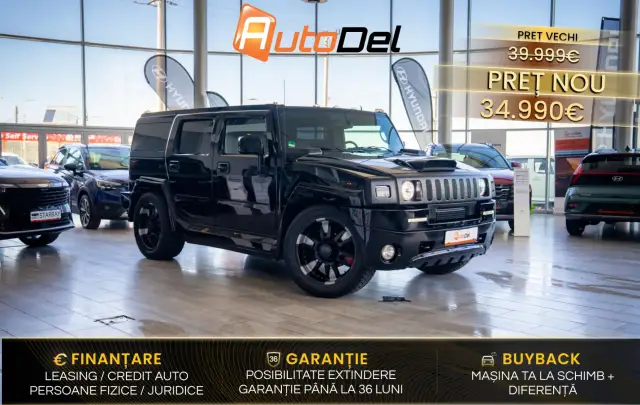
2006, gasoline, automatic, 123K km, sedan, 3,464 cm3, 220 hp, 3.5 AUT KŮŽE 4X4 STAN NAVIJÁK, Used condition, USA, In stock

autoa1.cz
 Czech Republic, Olomoucký kraj
 Czech Republic, Olomoucký kraj
 Romania, Suceava
 Bulgaria, Varna
If you are looking at Hummer listings in Europe, the smartest move is not to rush the first impressive-looking ad. A Hummer usually attracts attention fast, and that can distract buyers from the basics: documentation, maintenance history, condition, and whether the seller is describing the vehicle clearly or simply selling an image. On a brand page like this, your advantage is perspective. Instead of falling for one dramatic listing, compare several Hummer offers side by side and decide which ones deserve a call, which ones deserve a viewing, and which ones are only expensive photos with missing information.
A lot of buyers begin with the badge and only later realize that buying a Hummer is not one single decision. In real used car browsing, the better question is: what role do you need this vehicle to play? Weekend toy, attention-grabbing SUV, unusual collector-style purchase, or a genuinely usable daily driver with a strong visual identity? That changes how you read every listing. A Hummer that makes sense as a second car may be a poor fit if you need easy parking, routine urban use, or low-effort ownership. Before contacting sellers, narrow your shortlist by use case, transmission preference, visible condition, mileage level, and how complete the history looks. That one step will save you from chasing listings that were never right for you.
For some brands, buyers can filter through dozens of nearly identical cars and wait for the cleanest one. With Hummer in the EU market, the process can feel different: sometimes the better tactic is patience, not constant compromise. If the available offers are limited, weak ads become more tempting than they should be. That is exactly when buyers start excusing gaps in service records, vague import stories, poor underside photos, or suspiciously thin descriptions. Resist that urge. If a seller cannot explain ownership history, recent maintenance, warning lights, or why key details are missing from the listing, the scarcity of offers does not magically make that car better.
A useful editorial clue: with image-driven brands like Hummer, weak listings often hide behind confidence. You may see polished exterior photos, oversized wheels, dramatic angles, and almost no practical information. That is not automatically a bad car, but it is often a weak ad. Strong offers usually make life easier for the buyer. They show the cabin honestly, mention recent work, acknowledge flaws instead of avoiding them, and present paperwork in a way that suggests the seller expects real questions. In other words, the best Hummer listings often feel calmer, less theatrical, and more complete.
When comparing used Hummer cars for sale, look closely at the seller's behavior, not just the vehicle. Does the description sound specific or generic? Are there photos of the engine bay, interior wear, cargo area, tyres, and underbody details where relevant? Is the mileage presented with context, or just dropped into the ad without service evidence? A seller who writes "runs great" and little else is asking you to supply your own optimism.
Before arranging a viewing, ask a few direct questions in one message and judge the quality of the reply. Ask how long they have owned the Hummer, what maintenance was done recently, whether there are any known faults, whether there is service documentation, and whether the car has had body or paintwork. You are not only collecting answers; you are testing transparency. A careful seller usually replies in a way that helps you decide. A weak seller dodges, delays, or answers only the easiest question.
Mileage matters, but with a brand like Hummer, condition often tells the more useful story. A lower-mileage example with neglected maintenance, tired interior trim, corrosion concerns, inconsistent tyres, or a rough driving feel may be a worse buy than a higher-mileage one with clear records and believable upkeep. In listings, look for signs that the car has been maintained as a machine, not only presented as a lifestyle object.
This is where many buyers make an expensive mistake. They compare Hummer offers by headline appeal: year, mileage, wheel design, and paint color. A better comparison is more mechanical and more honest. Which seller shows invoices? Which ad mentions routine servicing without sounding defensive? Which car looks consistent inside and out? Which one seems ready for inspection rather than carefully photographed to avoid inspection? Even before a test drive, you can often separate the serious offer from the distracting one.
If a Hummer listing survives your first filter, make the next conversation count. Ask whether all documents are available and whether the VIN can be checked in advance. Ask about warning lights, suspension or steering issues, transmission behavior, air conditioning, electrical equipment, and whether there are modifications that may affect maintenance or registration. If the car has been changed visually or mechanically, ask what was done and whether original parts are included.
Another less obvious point: ask why the seller is parting with it, and listen to how naturally the answer comes. People do not need a perfect story, but they should have a believable one. On niche-interest vehicles, the ownership story often reveals more than the specification list. A seller who knows the car well tends to speak in specifics. A seller who only knows how it looks tends to repeat the ad title back to you.
A promising Hummer for sale in Europe is usually not the one that shouts the loudest. It is the one that gives you enough evidence to keep moving: coherent photos, consistent wear, sensible answers, traceable history, and no pressure to ignore basic checks. If two offers seem equally attractive, choose the one with the clearer paper trail and the more transparent seller, even if the photos are less glamorous.
That is the practical mindset for this brand page. Enjoy the character that draws people to Hummer, but buy with discipline. Compare offers slowly, verify what matters, and let weak listings eliminate themselves. If you do that, you are much more likely to end up with a Hummer you will actually enjoy owning, not just one that looked exciting for five minutes on a screen.
 Add as preferred sourceSee more from zvelta in Google Search Add as preferred source