 EN
ENDEALER
€1,499DEALER
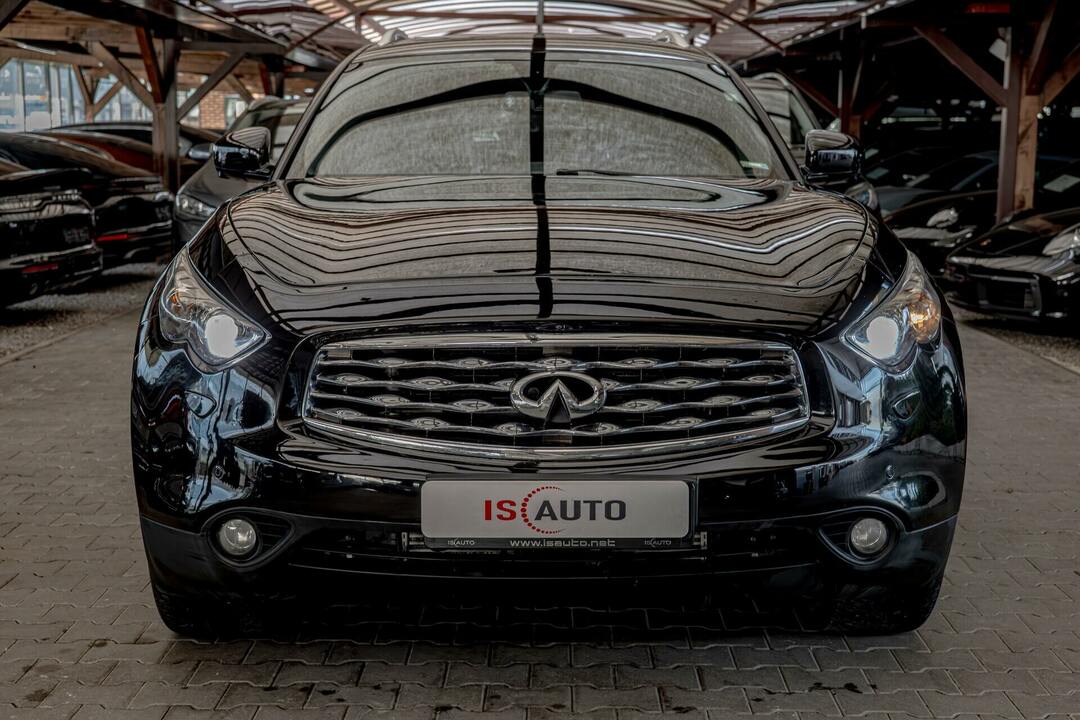
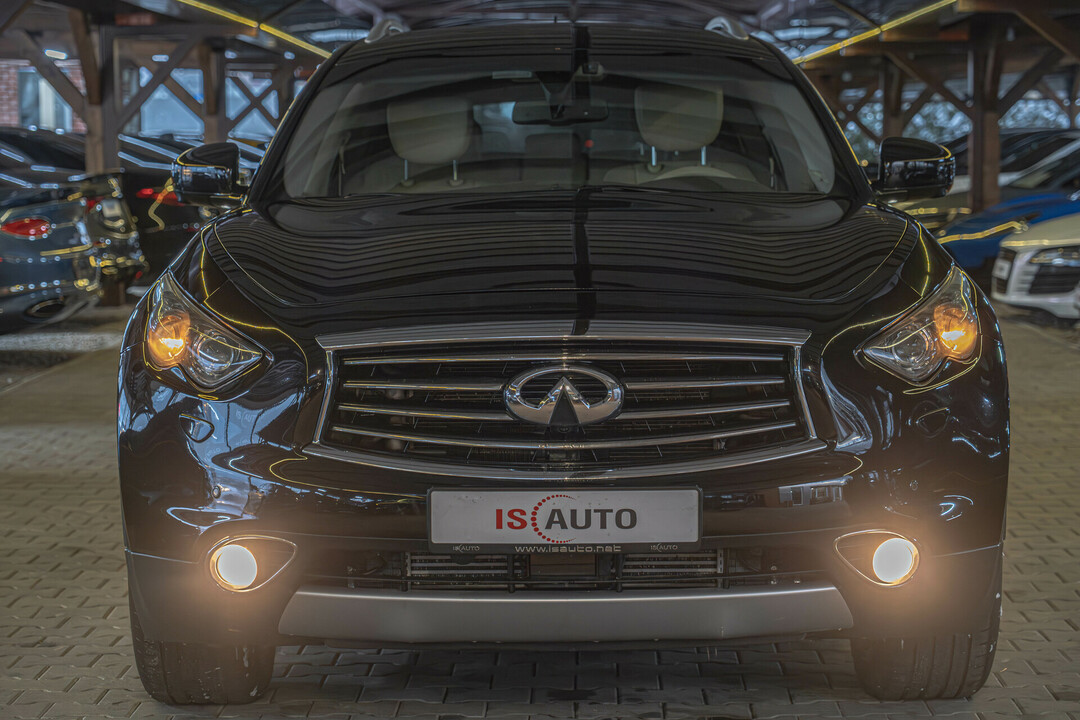
2006, gasoline, automatic, 184K km, wagon, All Wheels Drive, 3,500 cm3, black, Used condition, Japan, In stock

BaltiCar.com
 Estonia, Harjumaa
 Estonia, Harjumaa
 Warsaw, Poland
 Romania
 Romania, Vrancea
 Bulgaria, SofiaBulgaria, SofiaBulgaria, SofiaBulgaria, SofiaBulgaria, SofiaBulgaria, SofiaBulgaria, SofiaBulgaria, SofiaBulgaria, SofiaBulgaria, Sofia
 Romania, Prahova
 Bulgaria, Sofia
 Bulgaria, VarnaBulgaria, VarnaBulgaria, Varna
If you are shopping for an Infiniti in Europe, the smart move is not to start by falling for the badge or the first tidy photos. Start by asking a simpler question: does this particular offer make sense against the alternatives sitting one click away? Infiniti can be appealing precisely because it is a little less obvious than the usual premium choices, but that also means each listing deserves slower, sharper reading. A good Infiniti offer should make sense on condition, history, equipment, and seller transparency all at once. If one of those pieces is weak, the rarity alone is not a reason to proceed.
With Infiniti, comparison shopping matters more than with high-volume brands. You may not have a long page full of near-identical cars to benchmark easily, so you need to compare sideways as well as directly. Put the Infiniti you are viewing next to nearby alternatives in the same price band, age range, and body style. That might mean looking at Japanese premium rivals, German executive cars, or simply better-documented mainstream models with similar comfort and power. The key question is not whether the Infiniti is interesting. It is whether the specific car in front of you is strong enough to justify the compromises that can come with a less common brand in the EU market.
That is where many buyers make a mistake. They compare an Infiniti only to another Infiniti, see nicer trim or lower mileage, and think the job is done. A better buyer asks: for the same money, could I get a car with a clearer service record, more predictable parts support, or a seller who answers questions without dodging them? If yes, then the Infiniti needs to give something back, whether that is condition, specification, ownership history, or just obvious care.
A weak Infiniti listing often reveals itself before you ever call. Be careful with ads that lean heavily on vague premium language but say little about maintenance, recent work, or how long the seller has owned the car. A short description is not automatically a red flag, but a premium-branded car with almost no useful detail usually deserves skepticism. Look for whether the ad explains mileage consistently, shows multiple angles, includes interior wear honestly, and mentions paperwork or servicing in a way that sounds specific rather than decorative.
Photos can tell you a lot with Infiniti offers. Because these cars often attract buyers looking for value versus more famous premium badges, cosmetics sometimes get used to distract from thin history. Clean wheels, polished paint, and glossy images are nice; matching tires, even panel gaps, intact trim, and an engine bay that does not look freshly dressed for the camera are more useful. If the photos avoid the driver seat bolster, steering wheel, infotainment screen, or close-ups of common wear areas, ask for them before arranging a viewing.
Before you leave home, ask the seller a few questions that force concrete answers. How long have you owned the Infiniti? Why are you selling it? What service has been done recently, and what is due next? Are there invoices, not just stamps? Has anything been repainted? Are all keys present? Do all major comfort and electronic features work exactly as they should? If the car has a more complex specification, ask what does not work, not only what does. Sellers with solid cars usually answer directly. Sellers with weak offers often reply with broad reassurance instead of detail.
One useful trick with Infiniti listings is to ask the seller what a picky buyer would notice first in person. It is an unusually revealing question. Honest owners may mention small stone chips, seat wear, or a sensor issue they have already priced in. Evasive sellers tend to retreat into "nothing to do" language. That does not prove a bad car, but it does tell you how the conversation is likely to go when you uncover something during inspection.
There is a specific kind of good Infiniti offer: a car that may not be the easiest to explain on paper, yet clearly feels better kept than the more obvious alternatives. Maybe the mileage is not the lowest, but the history is coherent and the ownership story makes sense. Maybe the options are not perfect, but the car presents honestly and the seller has records ready. In cases like that, Infiniti can be a smart buy because you are getting substance rather than just image.
But sometimes waiting is the right move. If the only thing making the car attractive is that it looks rare, stylish, or unusually cheap for its class, slow down. A thin market can tempt buyers into accepting gaps they would reject on a more common brand: partial service history, missing details about previous damage, inconsistent tires, warning lights dismissed as minor, or a seller who is too busy to answer normal questions. Those are not charming quirks of buying an Infiniti. They are signs to preserve your budget and wait for a cleaner listing.
After a viewing, do not decide in the seller's driveway. Compare your notes while the impressions are fresh. Did the Infiniti drive smoothly from cold and when warm? Did the transmission, steering, brakes, electronics, and cabin features behave consistently? Did the physical condition match the story in the ad? Then compare it against the best realistic alternative you have found, not the worst. This matters because Infiniti can win a shortlist on feel and specification, but only if the fundamentals are solid.
A final practical point: with a brand like Infiniti, the right listing often looks better the longer you think about it, while the wrong one gets weaker once the excitement fades. If the service story is clear, the seller is straightforward, the condition supports the mileage, and the compromise versus more common rivals feels acceptable, book the inspection and move forward. If you keep having to explain away missing history, odd details, or a seller's vagueness, that is your answer already. Good buying discipline matters more than brand novelty, and that is exactly how to find an Infiniti worth owning in the EU market.
 Add as preferred sourceSee more from zvelta in Google Search Add as preferred source