 EN
ENDEALER

€21,050DEALER
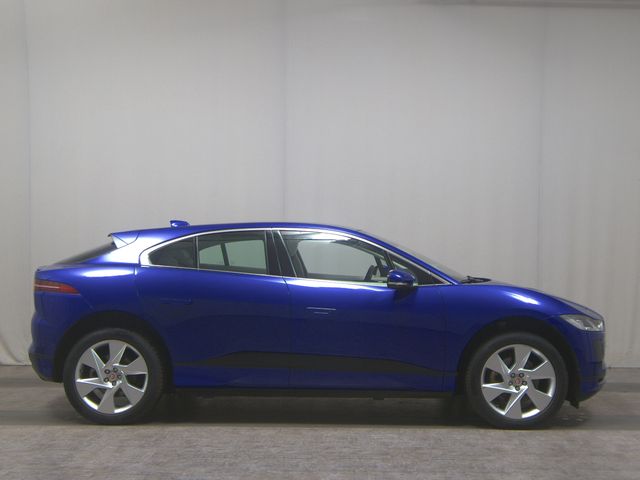
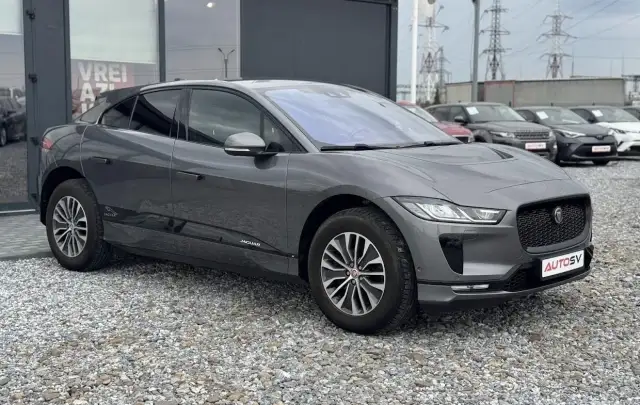
2022, electric, automatic, 108K km, SUV, 400 hp, BEV 90 KWH EV400 SE AUTO 4WD, Used condition, In stock

CarOutlet.eu
 Belgium
 Belgium
 Germany, Lower Saxony
 Romania, Suceava
If you are looking at a Jaguar I-Pace, you are probably not shopping by spreadsheet alone. This is usually a choice made by someone who wants an electric car that still feels like a Jaguar in style, presence, and everyday character. That is exactly why the weak listings stand out so quickly. With the Jaguar I-Pace, the smartest first step is not admiring the photos but asking whether the seller is giving you enough substance: clear history, honest battery-related information, realistic mileage, recent maintenance notes, and detailed images of the body, wheels, cabin, and charging equipment.
A Jaguar I-Pace often ends up on a shortlist next to more predictable electric SUVs, but the person who stays interested normally wants something less anonymous. That can be a good sign for the used market: some owners bought the car because they genuinely liked it, not just because it matched a trend. Still, this also means presentation can be emotional rather than precise. A seller may talk about design, comfort, or how special the car feels, while skipping the boring details you actually need. Read those listings carefully. If the ad sounds proud but vague, ask for the practical missing parts before you spend time arranging a viewing.
In the EU market, that matters even more because listings can vary a lot in how much information they provide. Some Jaguar I-Pace cars for sale are advertised cleanly and professionally, while others rely on a few polished photos and very little else. When availability is thin, buyers sometimes become too forgiving. Try not to. A rare listing is not automatically a good listing.
Before you contact a seller, compare the listing like an editor would. Does the Jaguar I-Pace ad show the car from all sides, including close shots of the seats, steering wheel, screens, charge ports, wheels, and lower body panels? Are the photos taken in daylight, or is the car hiding inside a dark garage? Does the description mention service history, software or dealer visits, charging cables, number of keys, previous ownership, and registration background? None of these points proves quality on its own, but together they tell you whether the seller is careful or simply trying to move the car quickly.
A surprisingly useful clue with a Jaguar I-Pace is how the seller describes daily use. Owners who can explain their charging routine, their recent maintenance, and why they are selling usually inspire more confidence than sellers who only repeat generic phrases like "fully loaded" or "perfect condition." A strong private seller often knows the car in a lived-in way. A strong dealer listing, on the other hand, usually knows how to document it. Weak offers often have neither personality nor paperwork.
When you call about a Jaguar I-Pace, keep the first conversation simple and practical. Ask how long they have owned it, whether they have service invoices, whether both charging cables are included if relevant, whether any warning messages are present, and whether the car has had recent work done. Ask what kind of use it had: mostly city driving, longer motorway trips, or a mix. You are not trying to interrogate the seller; you are listening for consistency.
Then ask the question many buyers avoid because they fear sounding difficult: what exactly should you expect to notice if you come see the car tomorrow? Good sellers usually answer honestly. They might mention a wheel mark, stone chips, wear on the driver seat, or a cosmetic flaw on the trim. That answer is incredibly valuable. If someone insists the Jaguar I-Pace is flawless yet cannot describe it in detail, be cautious.
Another useful angle is documentation across borders, since the EU market naturally includes imported and re-registered cars. That does not make a car bad, but it does make paperwork more important. Ask where the car has been registered, whether the seller has full ownership documents, and whether the service record is easy to follow. If the story becomes complicated too early, move on unless the evidence is excellent.
This is where buyers sometimes misread the Jaguar I-Pace. They shop it as if it were mainly a design-led alternative to other SUVs, when it makes more sense to treat it as a premium used EV that also happens to wear a Jaguar badge. That shift changes your priorities. You pay closer attention to charging-related practicality, software history, warning lights, energy-use expectations in real life, and whether the owner talks about the car with calm familiarity rather than showroom language.
That is also why a slightly less glamorous but better documented Jaguar I-Pace can be the better buy. A car with average photos, complete history, believable wear, and a seller who answers cleanly is often safer than a shinier listing with no real depth behind it. On this model, trust the quality of information more than the theatrical quality of presentation.
When you see a Jaguar I-Pace in person, focus on alignment between the ad and reality. Does the cabin wear match the mileage shown? Do the tires, wheels, and brake condition suggest careful ownership? Does the car start, display, and operate without strange surprises? During a test drive, pay attention to how calmly the seller lets you explore normal functions. A confident seller does not rush you past basic checks.
You do not need to act like an engineer. You do need to notice whether the car feels coherently looked after. A premium model can age well when maintained properly, but it can also become a frustrating bargain if the paperwork is thin and the seller expects you to fill in the story yourself. If anything feels improvised, ask for proof rather than reassurance.
The Jaguar I-Pace makes the most sense for a buyer who wants an EV with real identity and is willing to shop carefully rather than impulsively. If you are comparing used listings across the EU, the best offer may not be the closest one and definitely not the one with the most dramatic ad copy. The right Jaguar I-Pace is usually the one where condition, history, seller transparency, and your own expectations line up neatly.
Treat this page as a place to compare real offers, not just admire the model. If only a small number of Jaguar I-Pace listings are available, that is your reminder to be more selective, not less. Ask better questions, reward better documentation, and do not let rarity excuse weak evidence. That approach gives you the best chance of finding a Jaguar I-Pace worth owning rather than merely worth clicking on.
 Add as preferred sourceSee more from zvelta in Google Search Add as preferred source