 EN
ENDEALER
€21,184DEALER
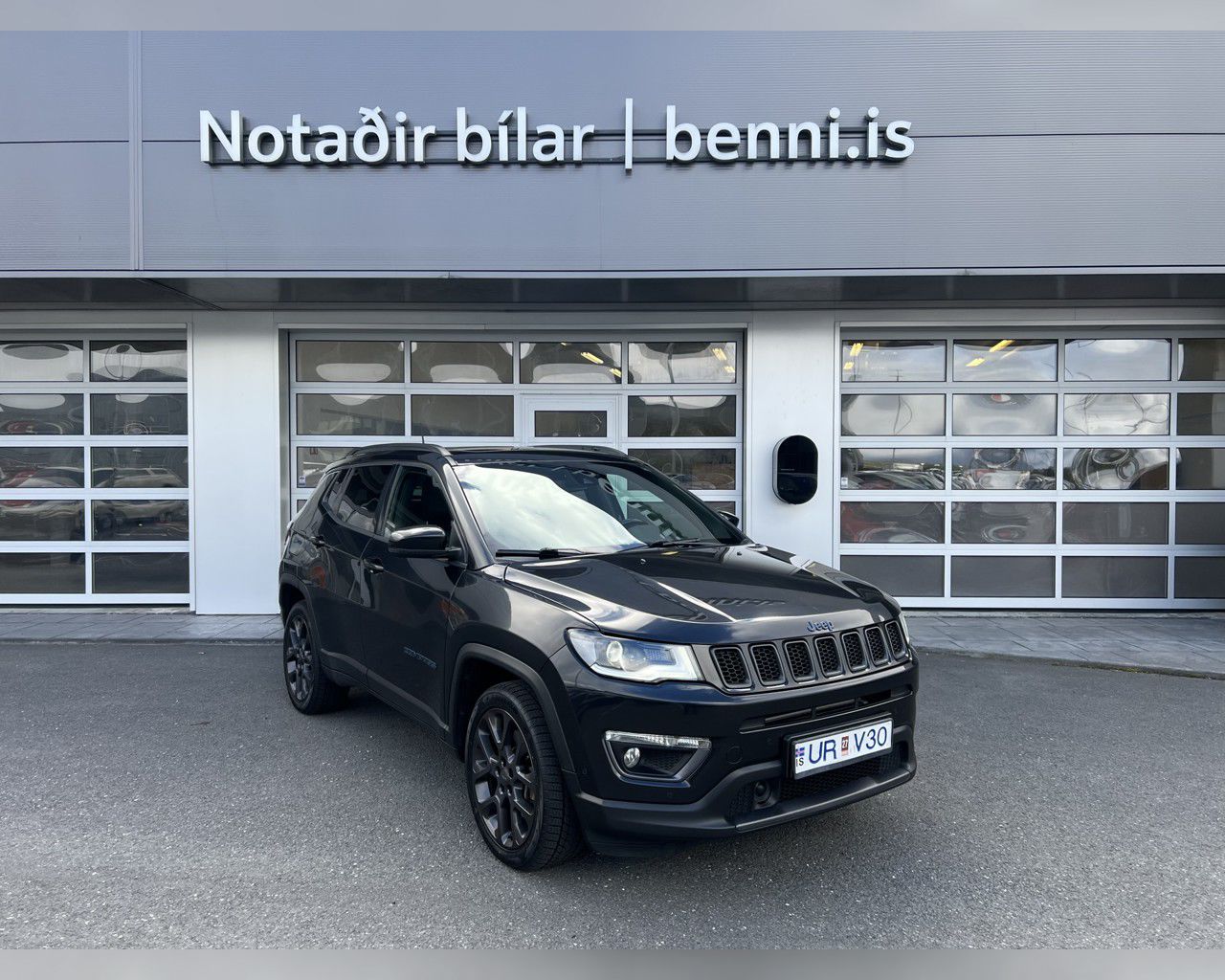
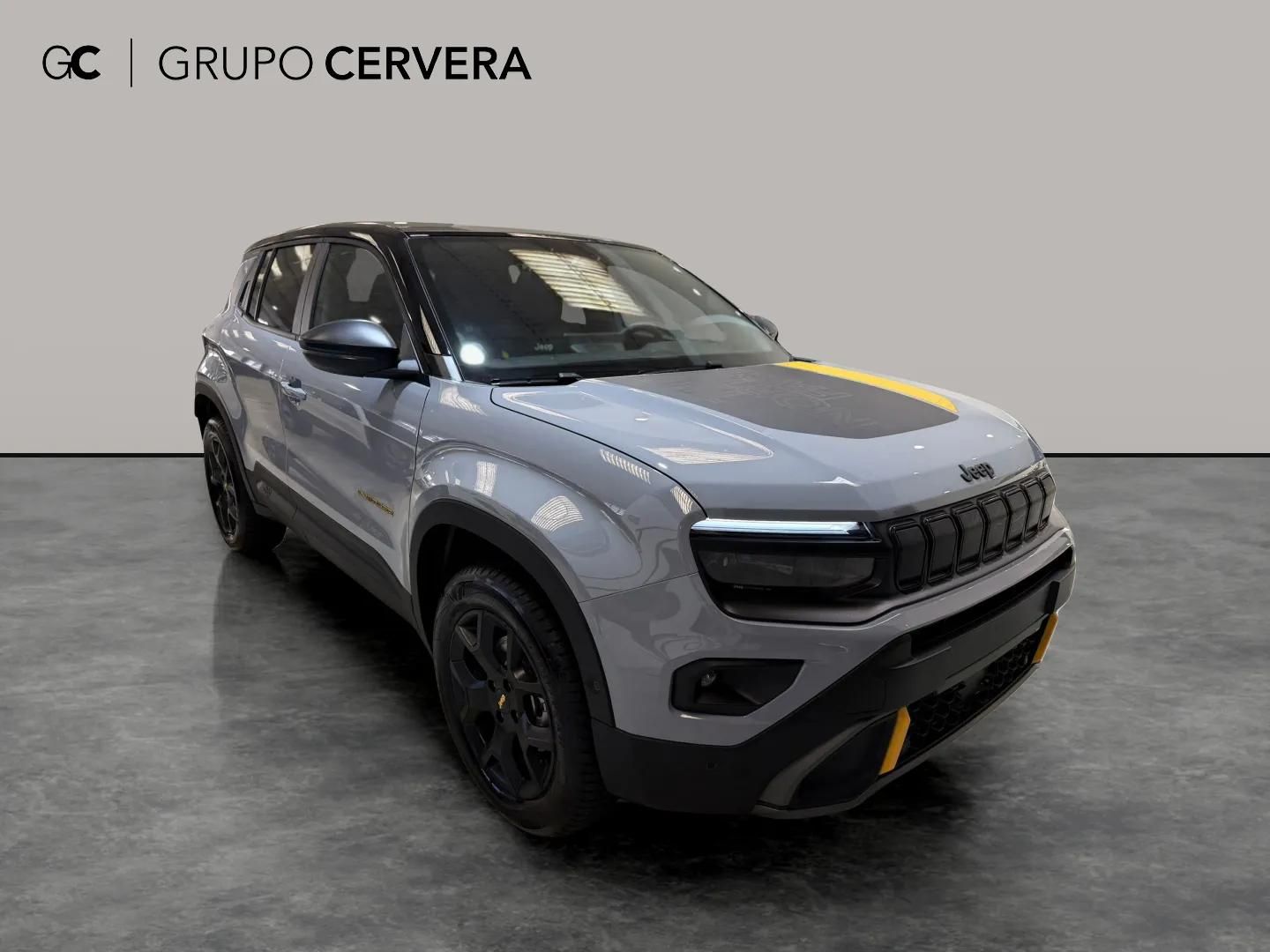
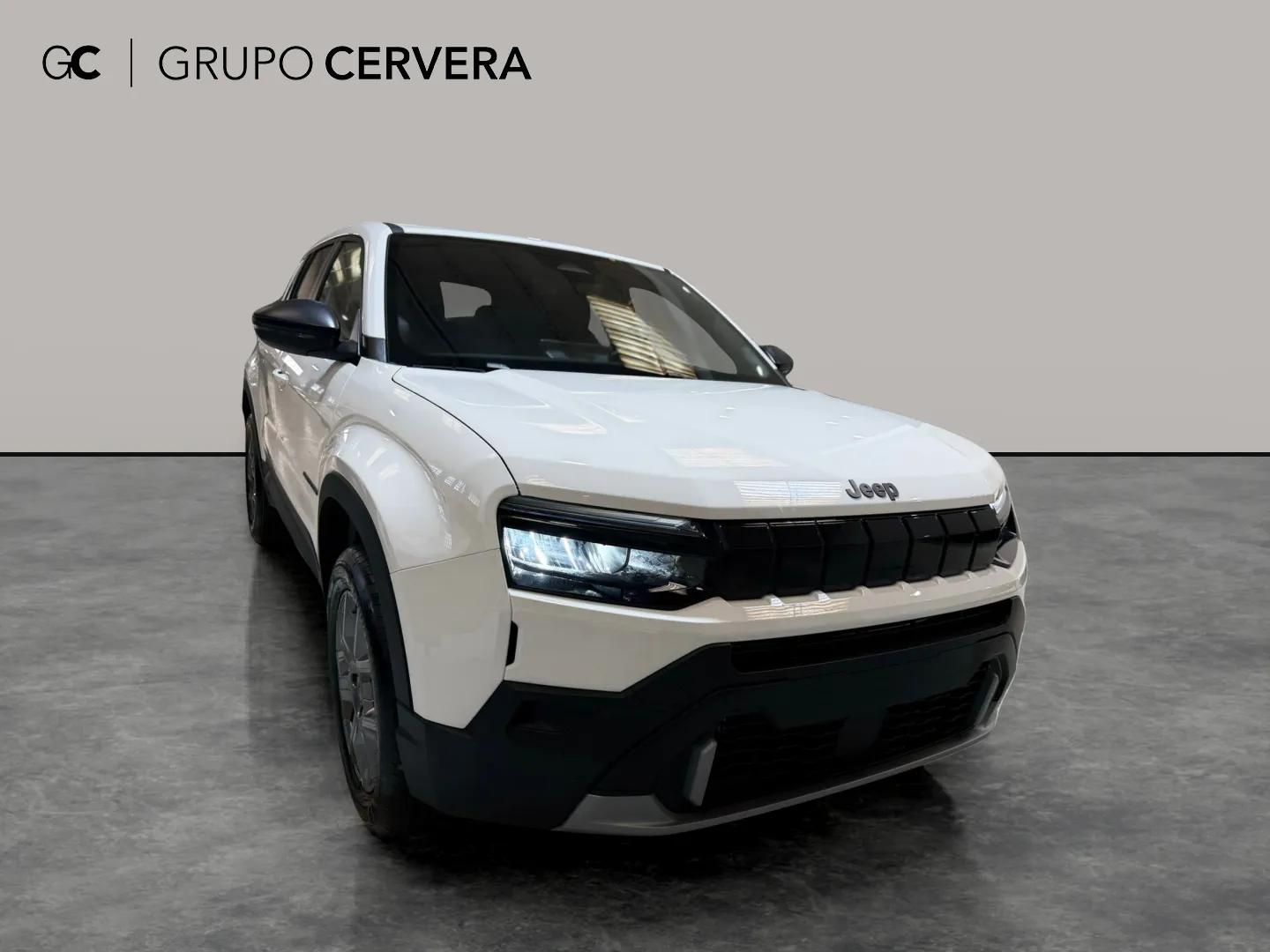
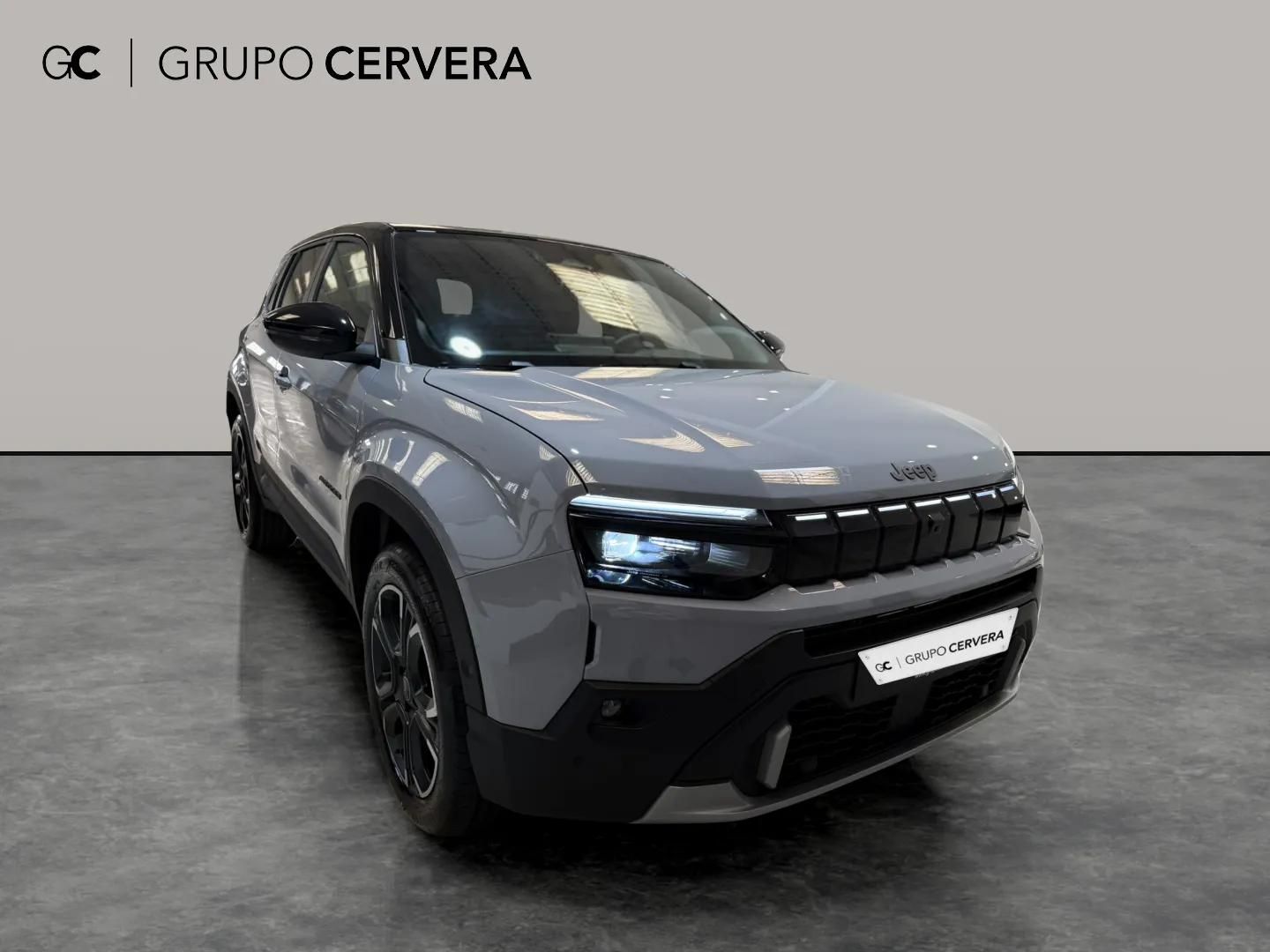
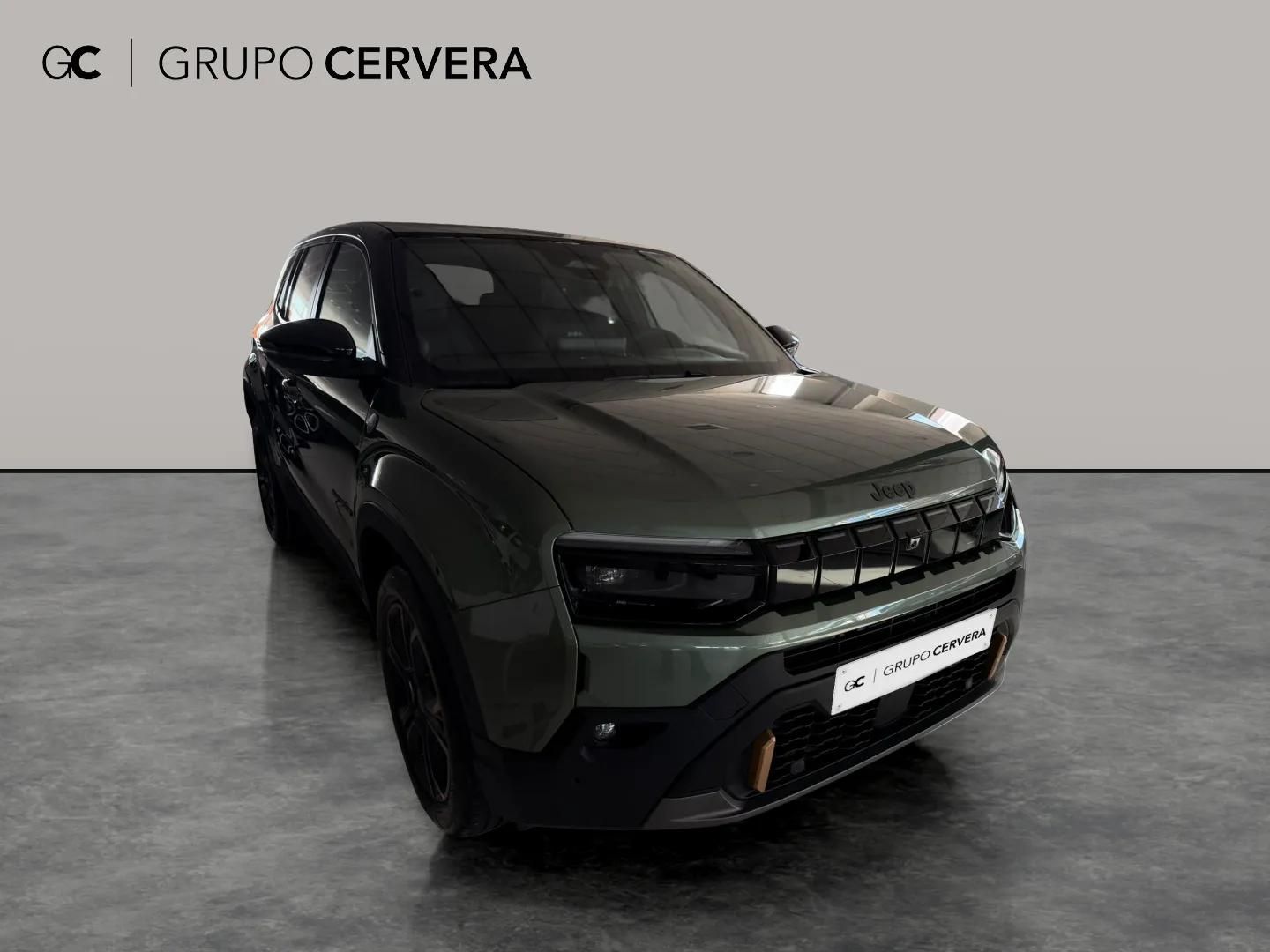
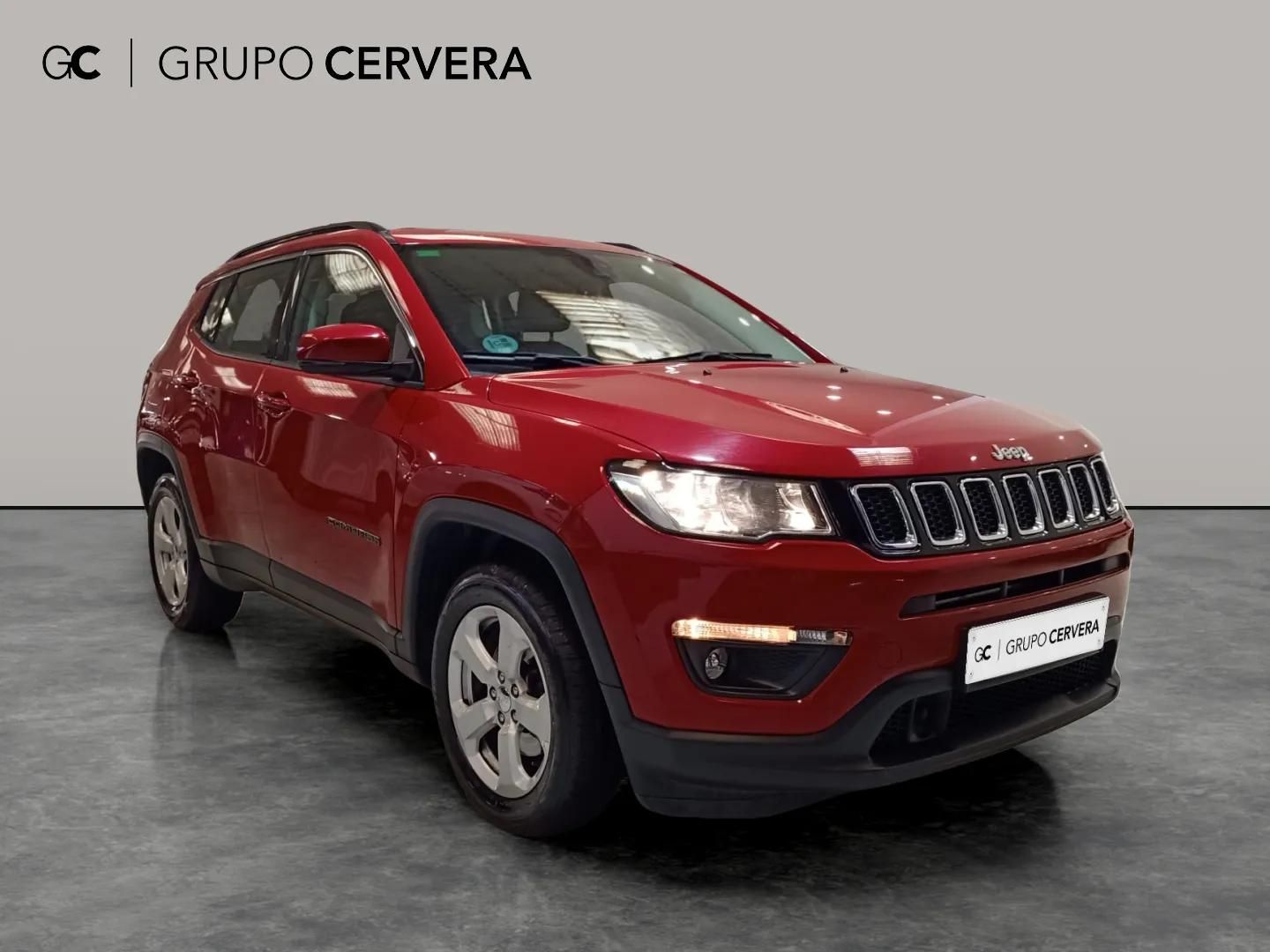
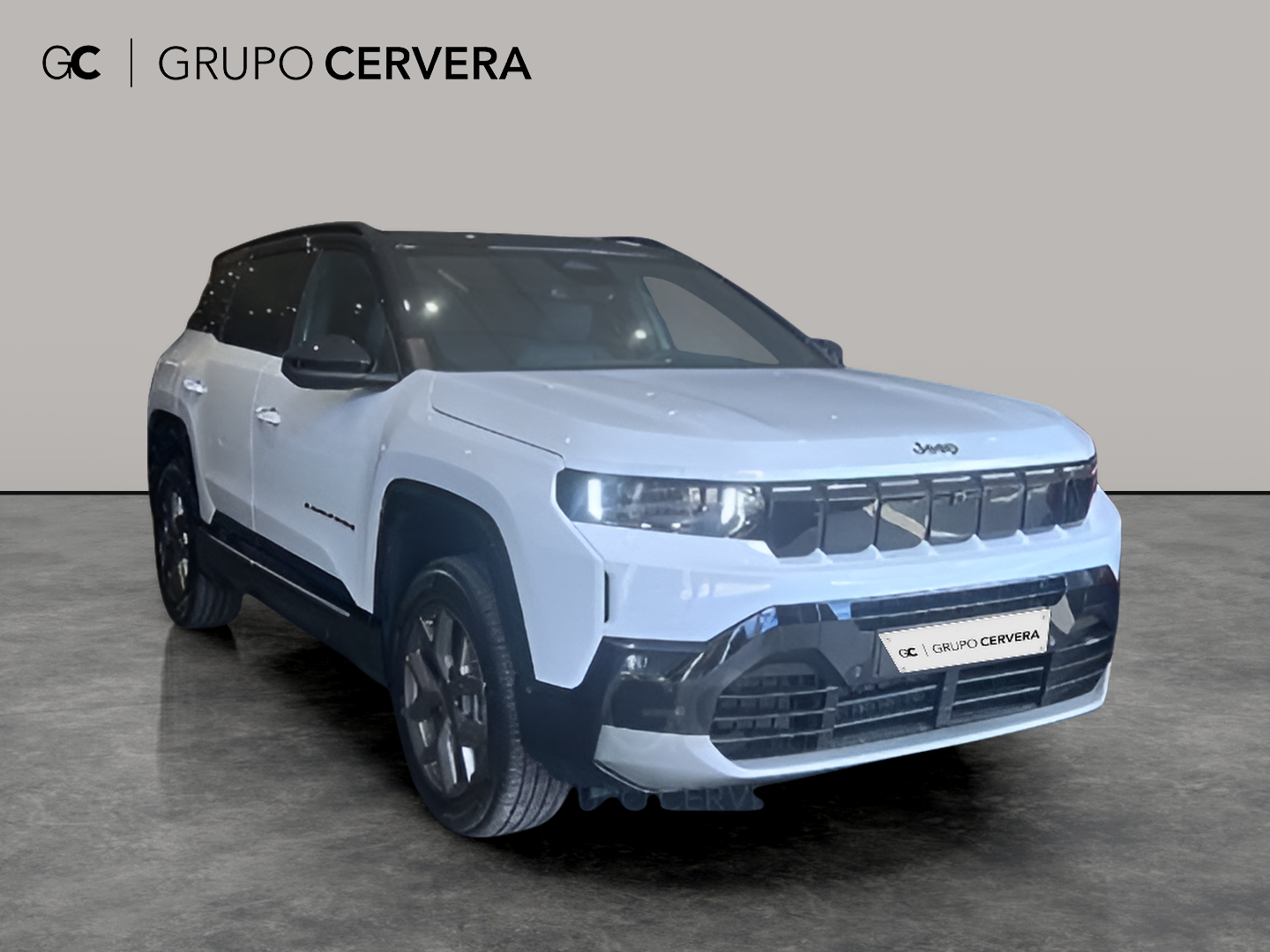
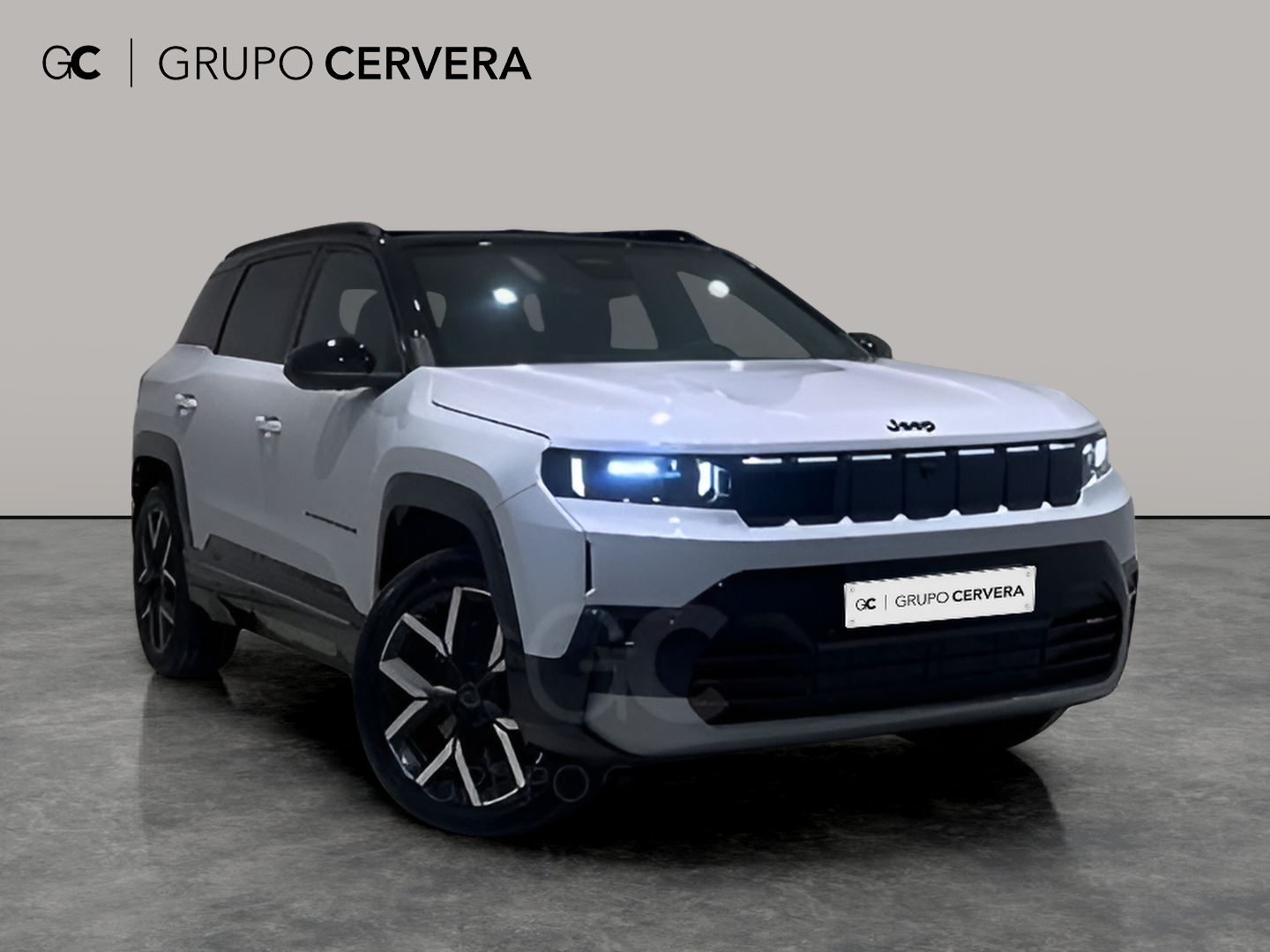
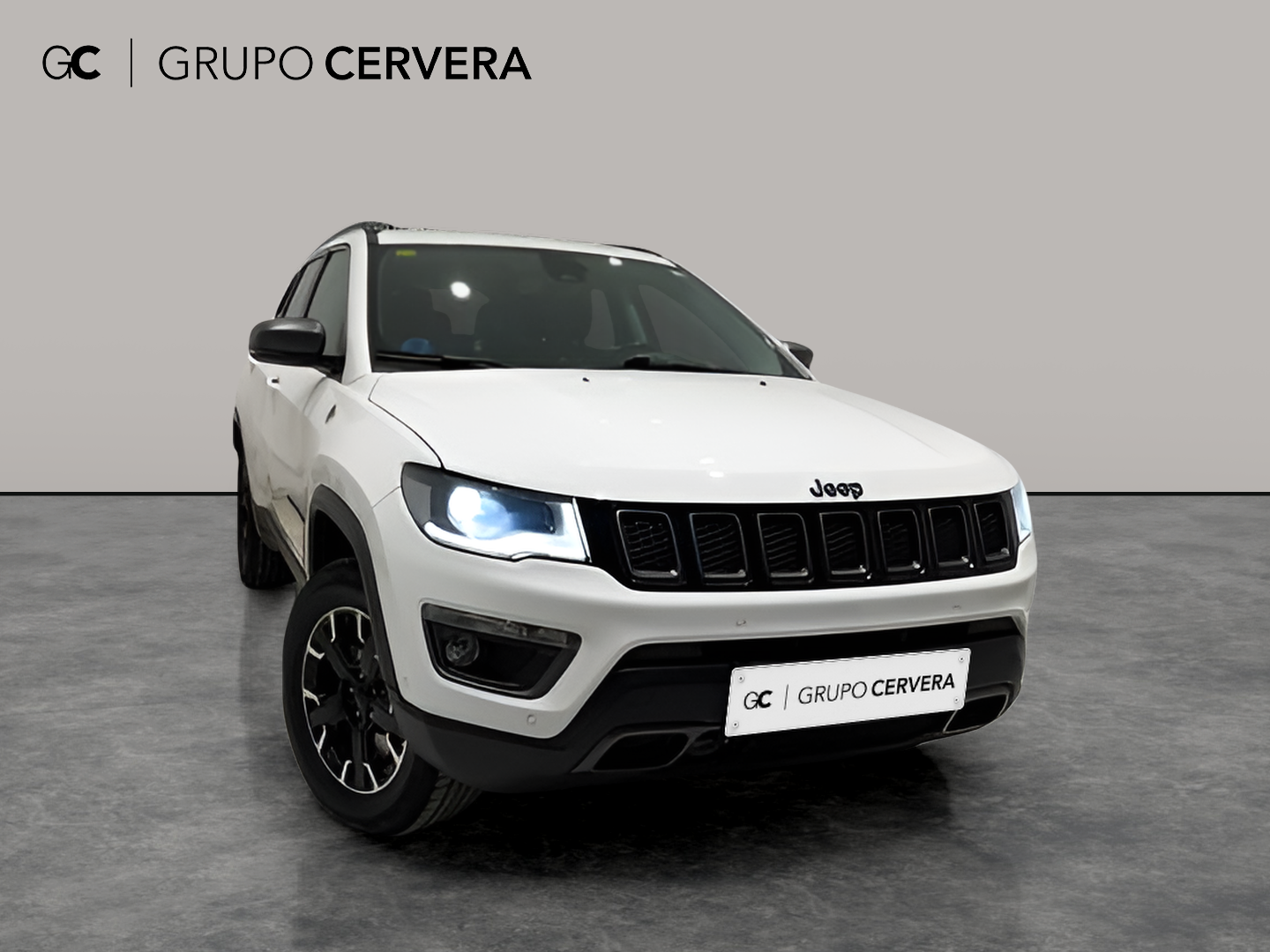
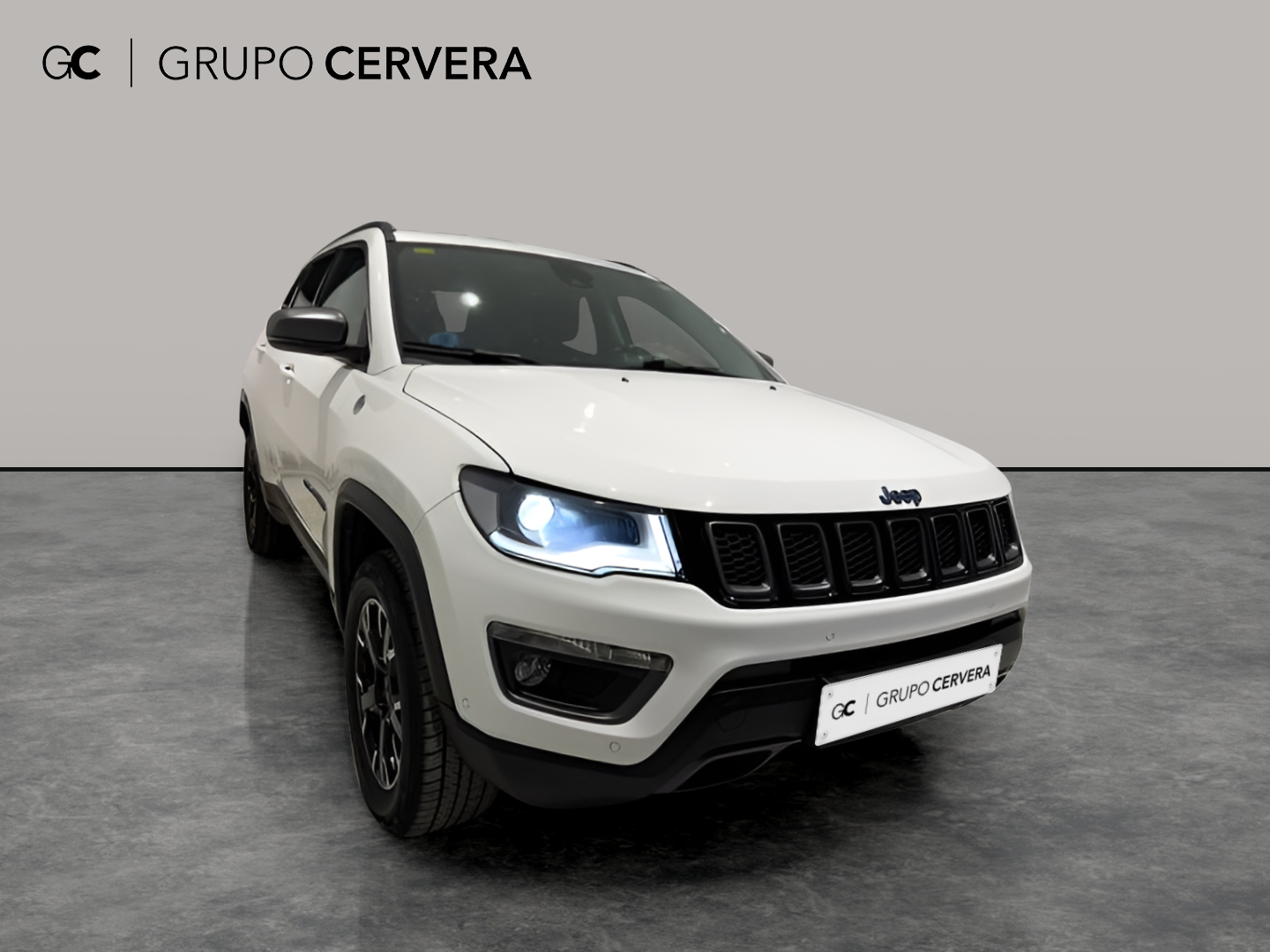
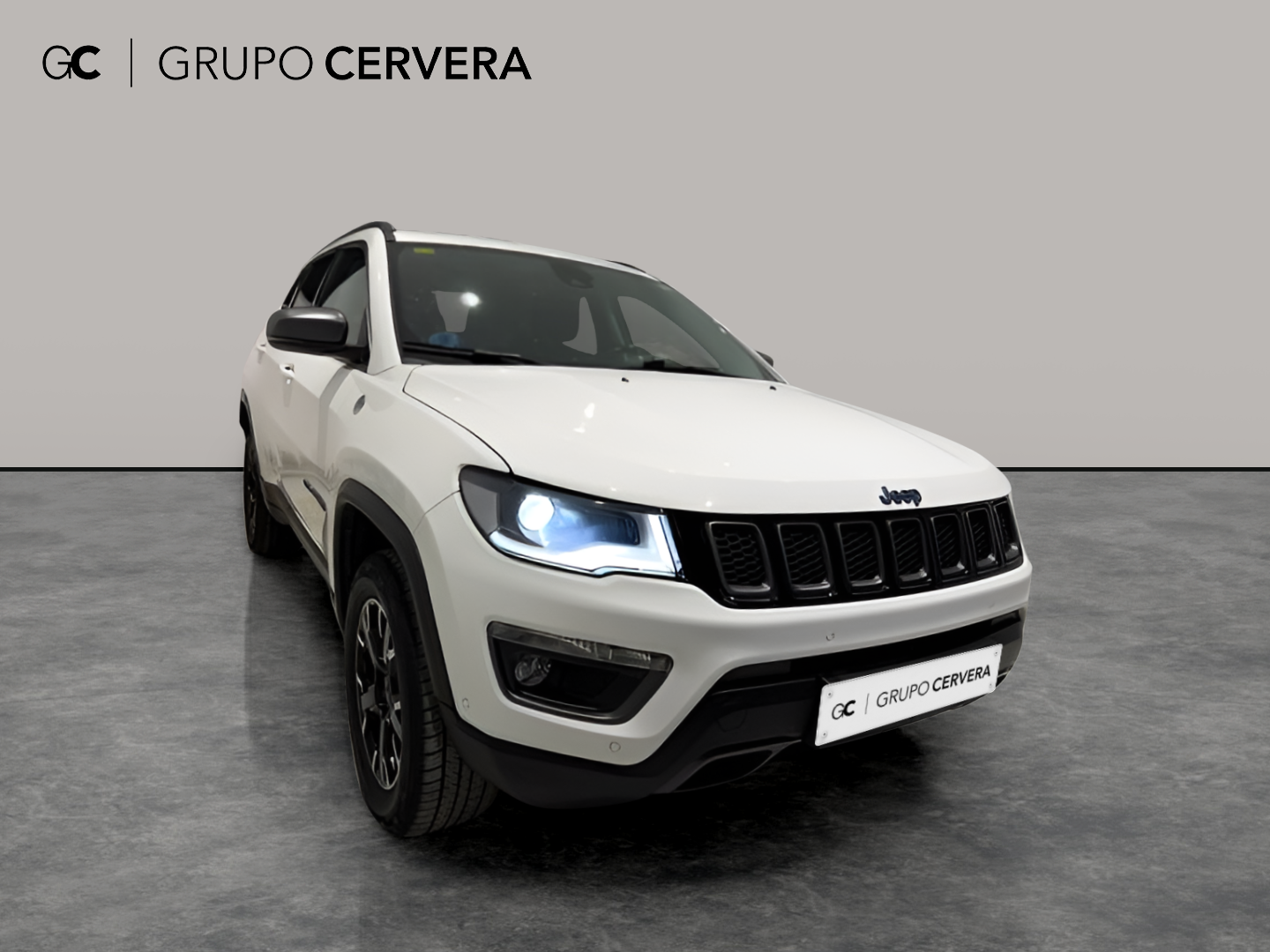
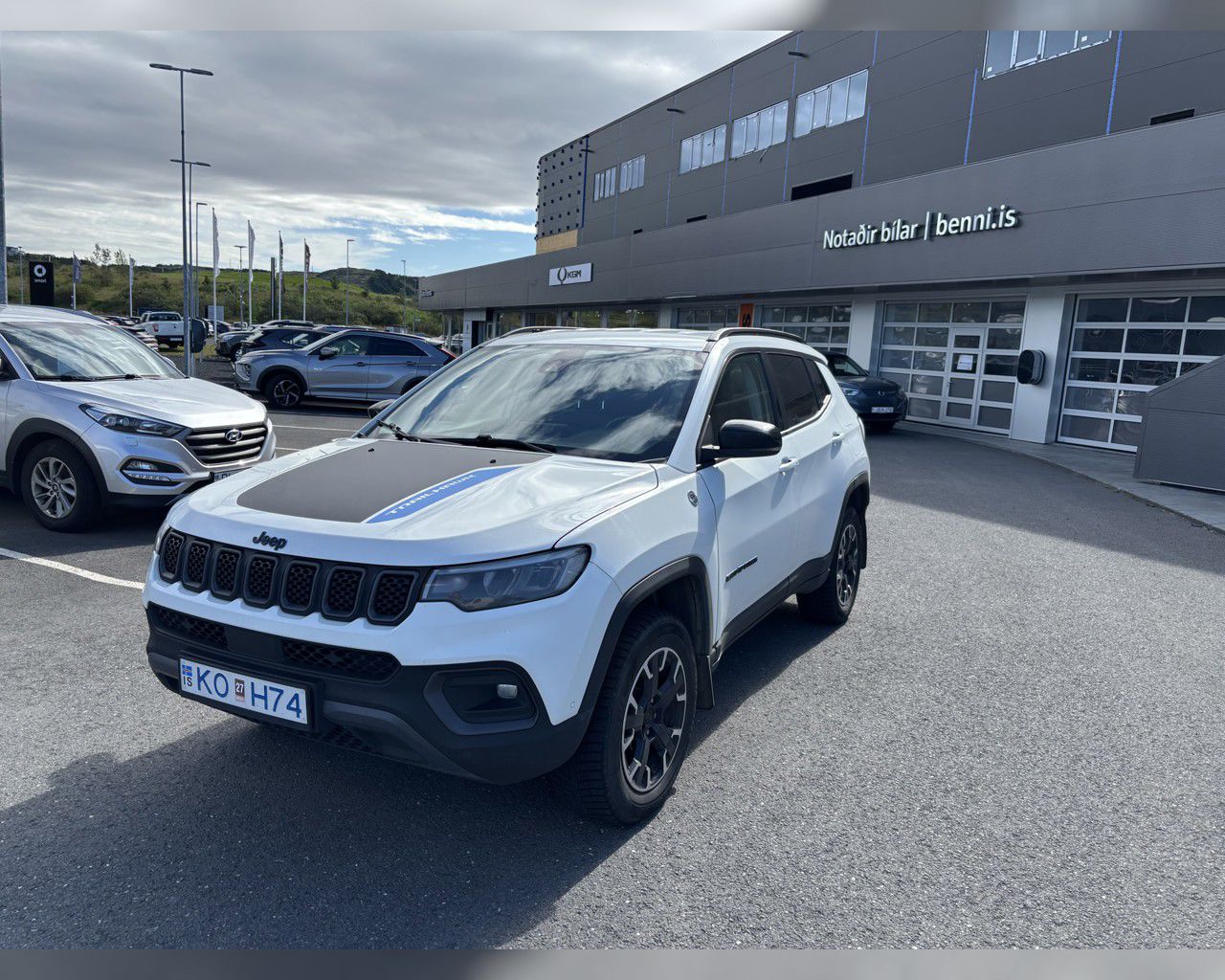
2022, gasoline, automatic, 123K km, All Wheels Drive, 180 hp

notadir.benni.is
 Iceland
 IcelandIcelandIcelandReykjavík, IcelandIcelandIcelandReykjavík, IcelandReykjavík, IcelandReykjavík, IcelandIceland
 Spain, Castille and LeónSpain, Castille and LeónSpain, Castille and LeónSpain, Castille and LeónSpain, Castille and LeónSpain, Castille and LeónSpain, Castille and LeónSpain, Castille and LeónSpain, Castille and LeónSpain, Castille and LeónSpain, Castille and LeónSpain, Castille and LeónSpain, Castille and LeónSpain, Castille and LeónSpain, Castille and León
A good Jeep listing can make you want to leave immediately with a trailer, but that is exactly when it helps to slow down. In the European market, buyers often widen the search area fast: first nearby offers, then cars a border or two away, then the tempting ad with better photos and lower mileage. That search path is normal. The mistake is treating every Jeep ad as equally easy to verify. Before you fall for the stance, wheels, or adventure image, decide whether the car is attractive because it is genuinely well kept or because the listing is doing most of the work.
When people shop Jeep in Europe, they often begin with a simple idea: find a clean used car for sale, compare equipment, check mileage, and go see the best one. In practice, location changes the whole buying process. A Jeep ten minutes away can be inspected twice, cold-started in person, and checked again after a test drive. A Jeep much farther away may require more trust before you even make the trip. That means the listing itself has to work harder. Look for enough photos to understand body condition, tire wear, interior use, and whether the seller is hiding the weak side of the car. If the ad gives only mood shots and broad claims, distance makes that a bigger problem, not a smaller one.
A useful habit is to separate your shortlist into three groups: cars worth a message, cars worth a call, and cars worth travel. Many buyers skip straight to the third group because the badge and styling create urgency. With Jeep, that can be expensive. You want to know early whether the seller can discuss service history clearly, explain recent maintenance without hesitation, and describe how the engine, gearbox, 4x4 system, and electronics behave in normal use. A vague answer is more revealing than a polished description.
The best Jeep offers usually feel calm rather than theatrical. They show the car in ordinary light, include photos of the cabin, luggage area, dashboard, and details that matter when buying used, and mention maintenance in a way that sounds lived-in rather than copied from a brochure. Compare how sellers describe mileage, ownership, imported status if relevant, and what has been repaired recently. You are not looking for perfection; you are looking for a seller who understands the car they are selling.
Equipment can distort comparisons if you are not careful. A cheaper Jeep may look like strong value until you notice missing comfort or safety features, weaker seat condition, warning lights artfully omitted from photos, or an unclear maintenance story. A more expensive listing can still be the better buy if the condition is believable and the ownership trail is easier to follow. When comparing cars for sale, use photos and text together. If the ad claims careful ownership but the steering wheel, driver seat, switchgear, and load area tell another story, trust the wear you can see.
There is an interesting pattern in cross-market browsing. Some sellers write ads as if every buyer is local and can just drop by. Others know the car will attract interest from farther away and provide the kind of detail that saves wasted trips. For Jeep, this matters more than people think. The brand attracts emotional buyers, and emotional buyers are easier to rush. A seller who helps you decide not to travel unnecessarily is often more credible than one pushing urgency. If you ask for specific underside photos, a cold-start video, or a clear shot of the instrument cluster and the response turns defensive, treat that as part of the condition report.
You do not need a dramatic interrogation, just a few grounded questions that reveal whether the listing is solid. Ask how long the seller has had the Jeep and why it is being sold now. Ask what maintenance was done recently and what may soon need attention. Ask whether there are any warning lights, leaks, drivetrain noises, or intermittent electronic issues. Ask whether all keys, documents, and records are present. If the seller says the car needs nothing, ask what was checked last and by whom. Confident, specific answers are useful; generic reassurance is not.
If you are comparing multiple used Jeep listings, ask each seller the same short set of questions and note how directly they reply. That makes it easier to spot the car that is merely well advertised versus the one that is actually well understood. It also helps you avoid the classic trap of forgiving weak details because the photos look right.
Distance does not only affect travel cost. It changes how much uncertainty you should accept. A nearby Jeep with average photos may still be worth a look if you can inspect it quickly. A faraway one with the same weak presentation usually is not. In a broad European search, patience is often the real advantage. Another listing will appear. The goal is not to chase every interesting Jeep offer; it is to identify which ones deserve your time.
This is where buyers often make a subtle mistake: they compare only car against car, not trip against trip. If one Jeep requires a long journey, incomplete paperwork, and several unanswered questions before you have even seen it, the lower asking price may stop looking attractive. A slightly costlier example closer to you, or at least better documented, can be the smarter move because the inspection is easier and the risk is lower.
A Jeep can sit in a shortlist for emotional reasons long after the listing stops making sense. That is normal; the brand has a strong image, and some ads lean hard into it. The best defense is simple: compare condition, transparency, and seller quality before you compare the dream. Look for consistency between photos, description, documents, and conversation. Check whether the maintenance history feels continuous, whether mileage presentation makes sense, and whether the seller is helping you verify the car rather than just admire it.
If you approach Jeep listings this way, the market becomes much easier to read. You do not need to be cynical, only disciplined. Start locally if you can, widen to the broader European market when the extra search area gives you better quality rather than just more temptation, and do not rush a viewing that already feels hard to justify from the ad alone. The right Jeep is rarely the one that creates the most excitement in two minutes. It is usually the one that keeps making sense after ten practical questions.
 Add as preferred sourceSee more from zvelta in Google Search Add as preferred source