 EN
ENDEALER
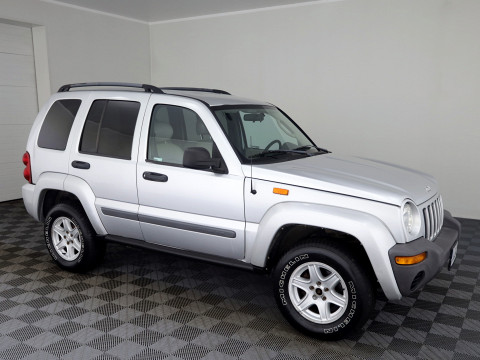
€2,199DEALER
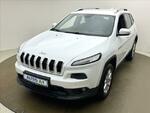
2002, gas, automatic, 106K km, wagon, All Wheels Drive, 3,700 cm3, grey, Used condition, USA, In stock

BaltiCar.com
 Estonia, Harjumaa
 Estonia, Harjumaa
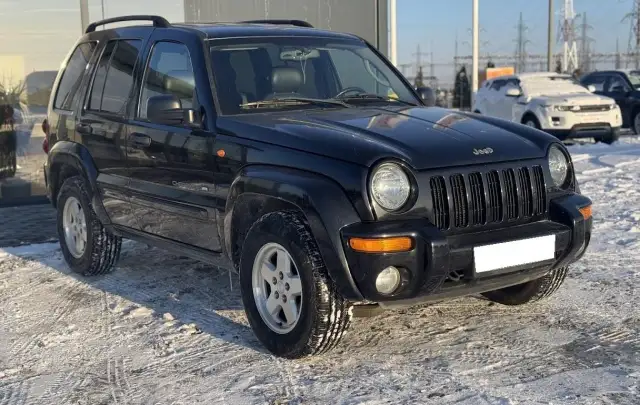
 Czech Republic, Olomoucký kraj
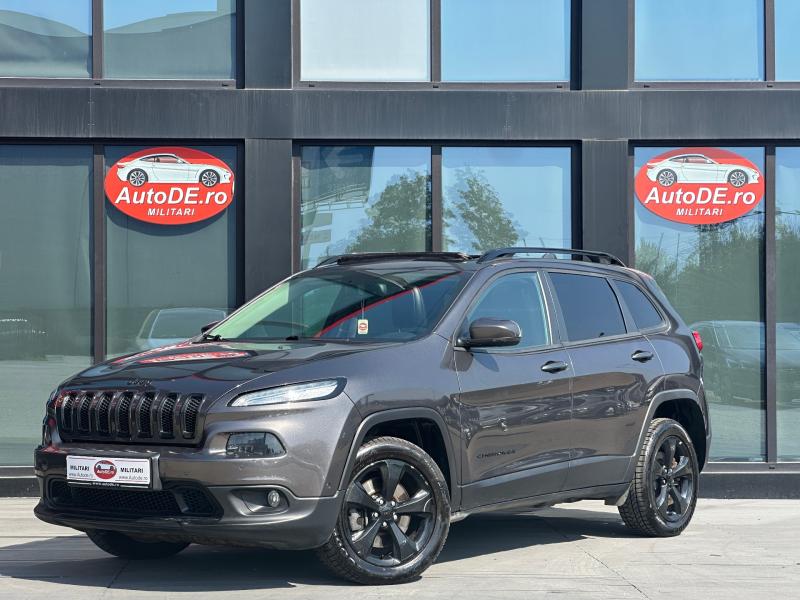
 Romania, Suceava
 Romania, Bucharest
 Romania, Dâmbovița County
 Bulgaria, Sofia
If you are looking at a Jeep Cherokee, do not start by asking whether it is a “good car” in the abstract. Start by asking whether this specific Jeep Cherokee makes sense against the few other SUVs sitting next to it in your shortlist. On a model like this, the smartest buyers compare condition, ownership clarity, and equipment quality before they get emotionally attached to the badge. That matters even more when available Jeep Cherokee for sale listings are limited, because scarcity can make an average offer look better than it is.
The quickest way to waste time with a used Jeep Cherokee is to excuse a weak advert because the model itself feels a bit uncommon. If the photos are poor, the mileage story is thin, or the seller avoids basic details about servicing, that is not “just how older SUV listings are.” It is a signal to slow down. With any Jeep Cherokee in the EU market, compare what the seller says with what they choose not to show: cold-start behavior, warning lights, tire condition, wear on the driver’s seat, and whether the underbody or wheel arches are visible in the photos. A seller who knows the car usually gives you enough material to decide whether a viewing is worth the drive.
Before you call, read the listing like an editor rather than a dreamer. Does the ad explain recent maintenance, or does it hide behind broad phrases like “runs well” and “no problems”? Does the equipment list look copied from a brochure instead of describing the real car for sale? On a Jeep Cherokee, trim and options can change the ownership experience more than buyers expect, so verify what is actually fitted instead of assuming from the badge.
This is where many buyers get stuck. They compare one tired Jeep Cherokee with a perfect imaginary one that is not for sale anywhere, then overpay for potential. A better method is simpler: compare the real car in front of you with the nearest alternatives in the same budget, age range, and condition band. If another SUV offers a cleaner history, more complete service records, and fewer visible compromises, the Jeep Cherokee needs to justify itself through condition, specification, or seller credibility.
A reasonable compromise can be cosmetic wear, a less fashionable color, or modest equipment if the mechanical story is clear and the paperwork is tidy. A poor compromise is accepting a confused ownership history, unexplained mileage gaps, gearbox hesitation, persistent warning lights, or a seller who keeps answering different questions with the same vague reassurance. If that happens, waiting is often the stronger move. The used market rewards patience more than enthusiasm.
There is also a less obvious point here: people often search for a Jeep Cherokee because they want something with character, but then judge listings as if they were shopping for a very ordinary family crossover. That creates bad decisions in both directions. Some buyers excuse too much because the model feels distinctive; others reject solid cars for minor cosmetic reasons because they expect mainstream-car simplicity. The right middle ground is to treat the Jeep Cherokee as a characterful used SUV that still has to earn your money through evidence.
When a listing looks promising, ask short questions that require concrete answers. When was the last meaningful service done? What was replaced recently, and do invoices exist? Are there any dashboard warnings on start-up or after driving? Has the car spent long periods parked? Are there two keys? Is there any visible rust, paintwork, or accident repair the seller wants to mention before you travel?
For a Jeep Cherokee, also ask how the car behaves from cold, whether the transmission shifts smoothly in normal driving, and whether any driveline noises appear during low-speed turns or parking maneuvers. You are not trying to diagnose the car over the phone; you are checking whether the seller answers naturally and consistently. Honest sellers tend to describe quirks clearly. Weak sellers usually fall back on “everything works” because detail would expose uncertainty.
In a broad EU search, you may sometimes find only a very small number of Jeep Cherokee offers. That changes the tactic, but not the standards. Low supply does not remove the need to compare; it simply means your comparison set may include nearby alternatives outside the exact model. If the available Jeep Cherokee is overpriced, poorly presented, or carries unanswered questions, you do not need to force the deal just because it is the only current match.
This is where disciplined buyers do something useful: they compare the seller’s confidence level, not just the car. A good advert usually shows a seller who anticipated buyer concerns. The documents are described clearly, the condition is presented without drama, and the photos do not hide the awkward angles. A thin, evasive listing often predicts a frustrating viewing. The market may be quiet, but your standards should stay noisy.
At the viewing, spend the first few minutes looking before talking. Check panel alignment, glass markings, tire brand consistency, and whether interior wear matches the claimed mileage. On the test drive, do not chase an emotional verdict too early. Let the Jeep Cherokee warm up, listen at low speed, try parking maneuvers, and notice whether the seller seems relaxed about a proper drive or tries to keep it short.
If the car still makes sense, review the service history, registration documents, and any repair paperwork in one sitting. A used Jeep Cherokee can be an appealing buy when the story is coherent: believable mileage, understandable maintenance, transparent seller, and condition that matches the asking price. If those elements do not line up, move on without regret. The best buying decision is often not choosing the first Jeep Cherokee you can find, but waiting for the listing that makes fewer excuses and answers more questions.
 Add as preferred sourceSee more from zvelta in Google Search Add as preferred source