 EN
ENDEALER

€24,621DEALER
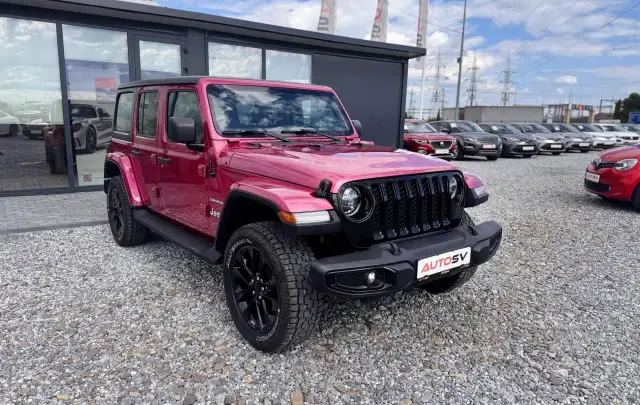
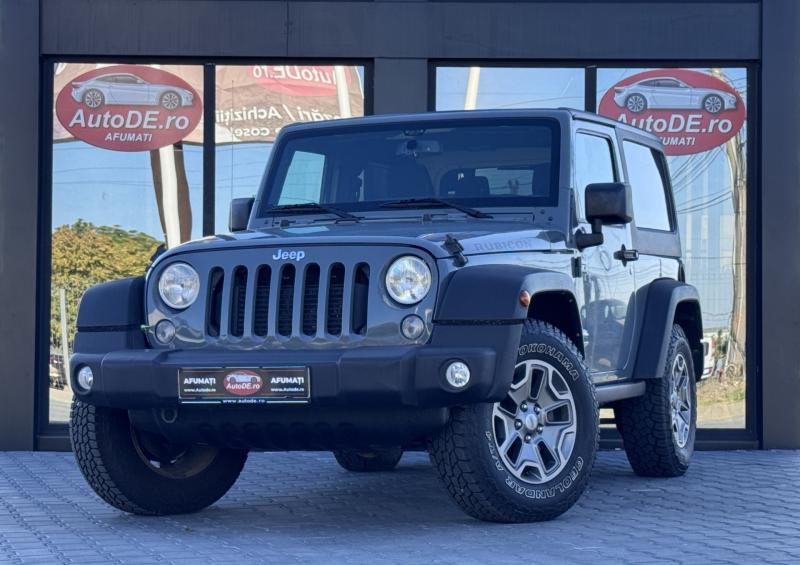
2014, gasoline, automatic, 132K km, sedan, 3,604 cm3, 280 hp, 3.6 209kW AT PENTASTAR SERVIS, Used condition, USA, In stock

autoa1.cz
 Czech Republic, Olomoucký kraj
 Czech Republic, Olomoucký kraj
 Poland
 Romania, Arad County
 Romania, Mureș County
 Romania, SuceavaRomania, SuceavaRomania, Suceava
 Romania
 Romania
The tricky part about buying a Jeep Wrangler in Europe is not finding one you like in photos. It is deciding whether that attractive listing is worth a long drive, a border-crossing call, or a serious inspection. Supply can be thin, and when only a small number of Jeep Wrangler cars for sale are available, buyers often start excusing weak details: poor photos, vague service history, unclear registration status, or a seller who answers only half the questions. That is usually where expensive mistakes begin.
A good-looking Jeep Wrangler listing is not automatically a good offer. In a spread-out EU market, distance changes buyer behavior. People become tempted to "make it work" because the next option may be in another region or another country. Resist that pressure. If the seller cannot clearly explain ownership history, maintenance records, modifications, and documents before you set off, the problem rarely gets better in person. With a model like the Jeep Wrangler, where condition and use matter as much as headline mileage, clarity from the seller is part of the product.
When you compare used Jeep Wrangler listings, do not begin with the idea that the cheapest or most rugged-looking one is the best value. Begin with the story each car tells. Are the photos consistent with the written description? Does the wear match the claimed mileage? Has the seller shown the underbody, roof, interior, and close-ups of the areas that usually reveal real use? A clean ad with detailed pictures often tells you more than a short description packed with enthusiasm.
With the Jeep Wrangler, modifications deserve extra attention. Accessories can be attractive, but they also raise useful questions. Ask whether changes were done for appearance, off-road use, or practical ownership reasons. A Wrangler fitted with extra equipment may still be the right buy, but you want to know whether those changes were installed professionally, whether original parts are included, and whether anything affects registration, insurance, or routine servicing in your part of Europe. A seller who becomes defensive here is giving you information, just not the kind they intended.
Before you arrange a viewing, ask the seller for a few specific answers in writing or by message. You are not trying to annoy them; you are checking whether they know the car they are selling.
Ask how long they have owned the Jeep Wrangler and why they are selling it now. Ask what maintenance has been done recently and what still needs attention. Ask whether there are invoices, inspection papers, or service entries to support that story. If the ad mentions low mileage, ask how the vehicle was mainly used: city driving, seasonal leisure use, motorway trips, towing, or off-road weekends. Mileage alone means less on a Jeep Wrangler than many buyers assume.
Then ask the simple but revealing questions. Do all features work as they should? Are there any warning lights? Has anything been repainted? Is there corrosion, damage underneath, roof leakage, unusual drivetrain noise, vibration, or steering play? You are not demanding perfection from a used Jeep Wrangler. You are testing whether the seller answers directly or tries to smooth everything over with "normal for age" and "nothing serious." Those phrases may be true, but they should come with examples and evidence.
A funny thing happens with sought-after niche models: buyers start filling in missing details with optimism. The Jeep Wrangler is especially vulnerable to this because it carries such a strong image. A listing can feel exciting before it feels convincing. That emotional pull is real, and sellers know it. The result is that some ordinary or poorly presented examples get judged as special simply because they are Wranglers.
This is where a calm comparison helps. Look at how each Jeep Wrangler is photographed, described, and documented. A seller who shows the rough bits along with the good ones often deserves more trust than one who uses dramatic angles and gives you almost nothing concrete. In the EU market, a transparent listing can be worth traveling for; a stylish but vague one often becomes a lesson in wasted time.
Try to judge the Jeep Wrangler as an ownership package, not as a fantasy object. The right car is the one whose condition, paperwork, maintenance history, and seller transparency align. If the ad says the vehicle was lightly used, the cabin, roof mechanisms, load areas, and visible wear should make sense with that claim. If it is presented as a cared-for example, the seller should be able to discuss recent servicing without rummaging through excuses.
This is also where comparison shopping matters more than many people expect. Even with limited market availability, one better listing can reset your whole standard. Another Jeep Wrangler may have slightly higher mileage but stronger records, clearer photos, more believable ownership detail, and a seller who communicates like a responsible owner rather than a reluctant middleman. That can easily be the better buy.
A Jeep Wrangler offer is worth seeing when three things line up: the listing is detailed, the seller is consistent, and the documents appear straightforward. You do not need perfection. You need enough evidence that the trip has a point. If the seller can explain condition honestly, provide useful photos, answer document questions clearly, and discuss maintenance without hesitation, you probably have something real to inspect.
If not, move on. The first interesting Jeep Wrangler you see in Europe is rarely the one you must buy. Buyers who do well with this model usually stay patient a little longer than they wanted to, compare offers a little more carefully than feels necessary, and ask one or two extra questions before committing to a viewing. That is not being difficult. That is how you avoid paying for someone else's unfinished story.
 Add as preferred sourceSee more from zvelta in Google Search Add as preferred source