 EN
ENDEALER

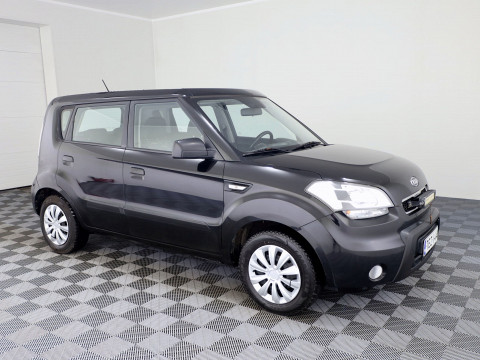
2009, gasoline, manual, 187K km, hatchback, 1,591 cm3, 126 hp, black, 1.6 x-ecutive, Used condition, Europa, In stock, sale date 21.10.2026 03:15

CarOutlet.eu
 Netherlands
Auction starts
21 Oct, 03:15
 Netherlands
 Germany, Lower Saxony
 Estonia, Harjumaa
 Poland
 Afumaţi, Romania
 Romania, Bacău County
If a Kia Soul has made your shortlist, you are probably not chasing the safest, most anonymous option. That is exactly why it deserves a slightly sharper buying approach. The Kia Soul tends to attract buyers who want something compact and practical without blending into every other used car listing, so the best offers are usually the ones where the seller understands that appeal and documents the car properly. Start there: not with promises, but with evidence.
When you compare Kia Soul cars for sale across the EU market, the strongest listings often feel calm and complete rather than flashy. Good ads usually show the car from all sides, include the interior, boot, seats, dashboard, wheels, and close-ups of any visible wear. A weak listing often hides behind three dark photos, a vague sentence about the car being "in good condition," and no mention of service history, ownership, or recent maintenance.
That matters because the Kia Soul is often bought for rational reasons dressed in a more playful shape: easy urban use, decent cabin space for its footprint, and a design that feels less ordinary than a standard hatchback. Sellers who know the car well tend to explain how it has been used and maintained. Sellers who do not may rely on style alone. When you scan used listings, try to separate those two immediately.
This is where many buyers either waste a weekend or avoid a bad trip entirely. With a Kia Soul, small signals in the ad can tell you a lot before the first call. Look at the wording. Does the seller mention service invoices, inspection records, tyre age, recent fluids, brakes, battery condition, or known faults? Specific notes usually beat polished adjectives.
Photos matter too, but not just because more is better. Check whether the pictures are consistent. If one wheel is photographed carefully but the others are missing, ask why. If the driver seat bolster, steering wheel, gear selector, and door cards are never shown, that can be a clue that wear does not match the stated mileage or that the seller simply does not want questions. If the car is photographed after a wash but the engine bay, load area, and lower body edges are missing, ask for those images before arranging a viewing.
Response style is another underrated clue. A serious seller of a Kia Soul usually answers directly: how long they have owned it, whether the mileage is supported by documents, what was done at the last service, and whether anything currently needs attention. A weak seller drifts into "come and see" too early, avoids written answers, or repeats that the car is "perfect" without supporting detail. That does not automatically mean the offer is bad, but it does mean your guard should go up.
One reason buyers misread the Kia Soul market is that they compare by price first and specification later. That is backwards. Two cars that look similar in photos may differ a lot in real ownership cost depending on maintenance history, cosmetic condition, tyre quality, warning lights, transmission behavior, or missing documents. If one example is cheaper, make yourself explain why before you call it a bargain.
Build a quick comparison list from each ad: registration year, mileage, service record, ownership story, equipment that matters to you, visible body condition, interior wear, and whether the seller shows both keys, manuals, or recent invoices. Then compare those notes against the asking price. This gives you a much better read on used Kia Soul listings than scrolling photo thumbnails and hoping the cheapest one works out.
A less obvious point: because the Kia Soul has a distinctive look, some tired examples can still photograph well from a distance. That boxy shape and upright stance help it look cheerful even when the details are not. On a viewing, slow yourself down and inspect the things the design distracts from: panel alignment, bumper corners, seat wear, switchgear condition, and whether the cabin feels cared for rather than merely cleaned for sale.
Before you go see a Kia Soul in person, ask for the VIN if appropriate, service proof, and a cold-start video if the seller is remote or the journey is long. Ask whether there are any warning lights, fluid leaks, noises on startup, gearbox hesitation, air conditioning issues, or electrical items that only work intermittently. Ask what the car needs next, not just what was done recently. Honest sellers usually answer that question better than expected.
If the ad says "well maintained," ask maintained where and when. If it says "no accidents," ask whether paintwork has been measured or if any panels were repaired cosmetically. If it says "full options" or similar, ignore the phrase and verify the actual equipment from photos and documents. With the Kia Soul, practical features and comfort items can matter more in daily use than a seller's attempt to make the ad sound premium.
When you inspect the Kia Soul, match the real car to the story in the listing. Does the cabin wear fit the mileage? Do the tyres match in brand and condition? Are there signs of uneven use, neglected trim, damp smells, or quick cosmetic fixes? During the drive, pay attention to how the car starts, idles, shifts, brakes, and tracks on a straight road. Listen with the radio off for the first few minutes.
Do not let a friendly seller rush the process. If documents are incomplete, service history is patchy, or the answers keep changing, it is usually smarter to walk away and keep comparing offers across the EU market. The right Kia Soul is not simply the nearest one or the cheapest one. It is the one whose condition, paperwork, and seller behavior all tell the same believable story.
That is the real buying logic here. A good Kia Soul listing should make you curious; a good seller should make you confident. If you can find both in the same offer, that is the one worth leaving home to inspect.
 Add as preferred sourceSee more from zvelta in Google Search Add as preferred source