 EN
ENDEALER
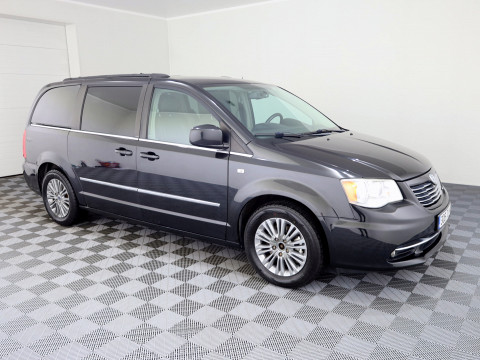
€3,999DEALER
2011, diesel, automatic, 369K km, wagon, Front Wheels Drive, 2,800 cm3, black, Used condition, Canada, In stock

BaltiCar.com
 Estonia, Harjumaa
 Estonia, Harjumaa
 ItalyItalyItalyItalyItalyItalyItalyItaly
 Bulgaria, Sofia
If you are shopping for a Lancia in Europe, the smart move is not to start with the cheapest listing. Start with the most believable one. With a brand like Lancia, buyers often face a narrower pool of cars for sale, uneven listing quality, and a mix of local and cross-border offers. That changes the job: you are not only choosing a car, you are deciding which offer is worth your time, travel, and inspection budget.
A good Lancia advert should help you understand the car before you ever message the seller. Look for clear photos from all sides, interior shots that actually show wear, and a description that says more than "runs well" or "excellent condition." For used Lancia listings, the details that matter most are usually simple: mileage consistency, service history, document clarity, visible condition, and whether the seller explains recent maintenance in a concrete way.
When a listing is thin, do not rush to assume it is a bargain. A weak ad can mean a weak seller, and with a more selective brand that matters. If two Lancia offers seem similar, the better documented one is often the stronger lead even if it is not the lowest price. Ask yourself a basic question: does this seller make the car easier to verify, or harder?
People rarely find the right Lancia on the first evening of browsing. More often, the search starts with local listings, then expands across borders inside the EU market when the nearby choices look tired, incomplete, or oddly described. That sounds logical, but it changes inspection logistics fast. A car that looks attractive in another country may require more discipline, not more optimism.
Before planning a trip, ask for the items that reduce uncertainty: registration documents, service stamps or invoices, cold-start video, dashboard warning-light photo, and close shots of the usual wear areas. If the seller hesitates on basic proof, the distance becomes more expensive than the car appears. With Lancia offers, especially when supply feels thin, buyers sometimes talk themselves into "I’ll just go see it." Usually, that is exactly when you should slow down.
There is also a less obvious pattern with niche-brand shopping: some listings are marketed emotionally because the seller knows the badge creates curiosity. That is not automatically bad, but it means you should separate affection for Lancia from evidence about the actual car. A tidy description about heritage means little if the history file is vague.
When you shortlist a few Lancia cars for sale, compare the story each one tells. One seller may show regular maintenance and honest cosmetic flaws. Another may present better photos but avoid talking about ownership history, storage, warning lights, or what was repaired recently. In real buying decisions, the more transparent car often wins.
Useful questions to ask before viewing:
Those questions do two jobs at once. They give you information, and they reveal the seller’s attitude. A careful seller usually answers directly. A weak seller changes the subject, repeats vague praise, or pushes you to visit before sharing basics.
One of the easiest mistakes in the used market is chasing a car that looks exciting in search results but creates work at every step. With Lancia, where some buyers may travel farther or compare listings across multiple European markets, the best offer is often the one that reduces friction: complete paperwork, consistent photos, sensible history, and a seller who understands what serious buyers need to know.
That sounds unglamorous, but it is exactly how you avoid weak offers. If a Lancia listing has new photos but old answers, polished bodywork but no maintenance detail, or a very confident tone with little proof, treat it as a maybe, not a must-see. If another car shows ordinary wear yet comes with usable records and honest communication, that one may deserve your first inspection slot.
A small editorial note from years of watching classifieds: buyers often spend too much time comparing trim details and too little time comparing seller behavior. On rarer or less common brand searches, seller quality can matter more than the equipment list. A complete set of documents, a coherent ownership story, and a calm seller are not exciting features, but they are often what separates a satisfying Lancia purchase from a long chain of follow-up problems.
Before you commit to a viewing, try this simple filter. Can you explain, in one sentence, why this exact Lancia is stronger than the others you saved? If your answer is only "it seems cheap" or "there are not many around," keep looking. A worthwhile listing usually gives you a better reason: clearer history, more convincing upkeep, better seller transparency, or fewer unanswered questions.
For new and used listing searches alike, patience is part of the process. Lancia can reward a buyer who compares carefully, asks for proof early, and accepts that not every interesting listing is a good offer. The goal is not to find any Lancia quickly. The goal is to find one that still makes sense after the photos, the questions, the documents, and the travel plan are all tested against reality.
 Add as preferred sourceSee more from zvelta in Google Search Add as preferred source


