 EN
ENDEALER

€19,200DEALER
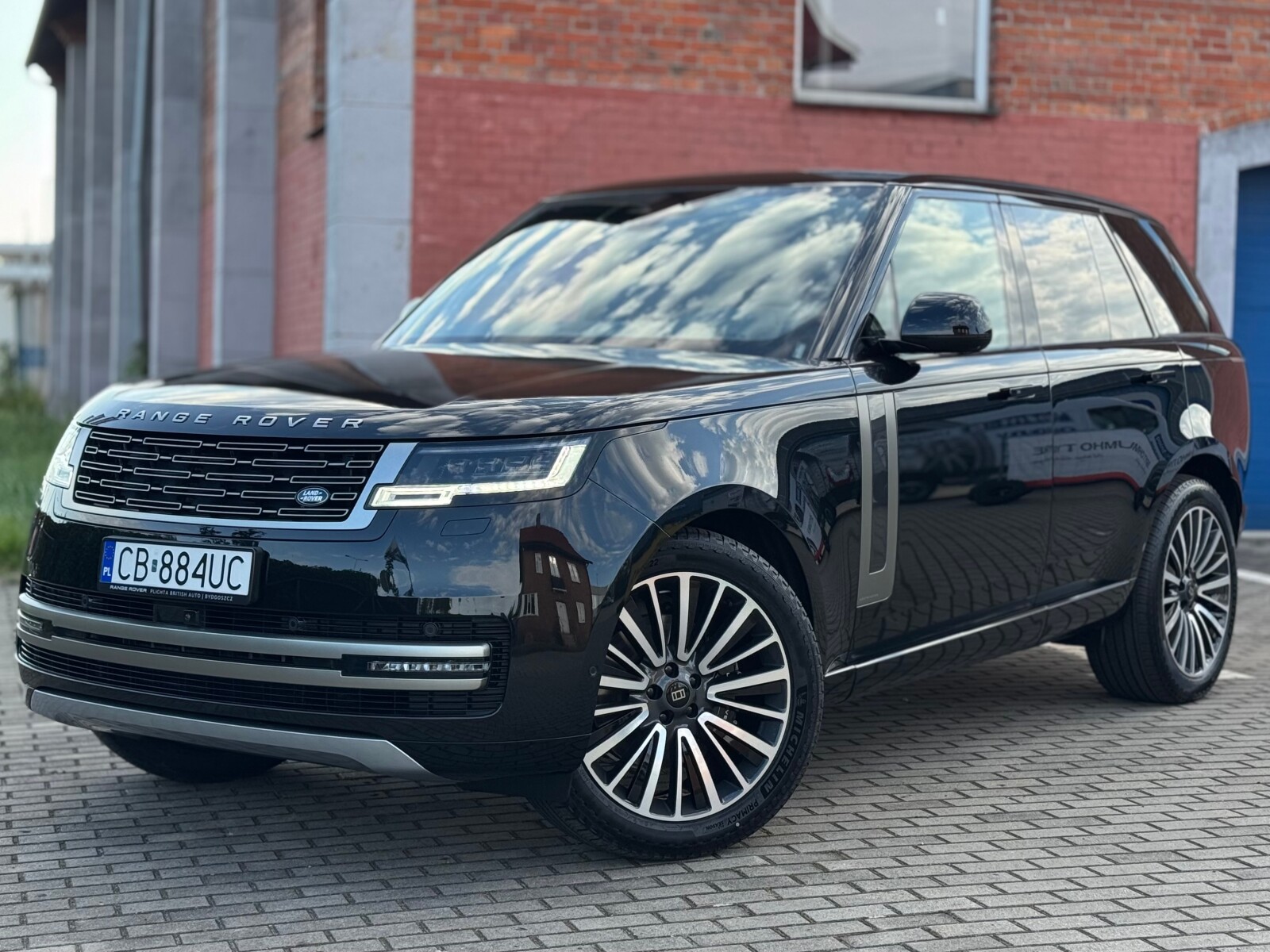
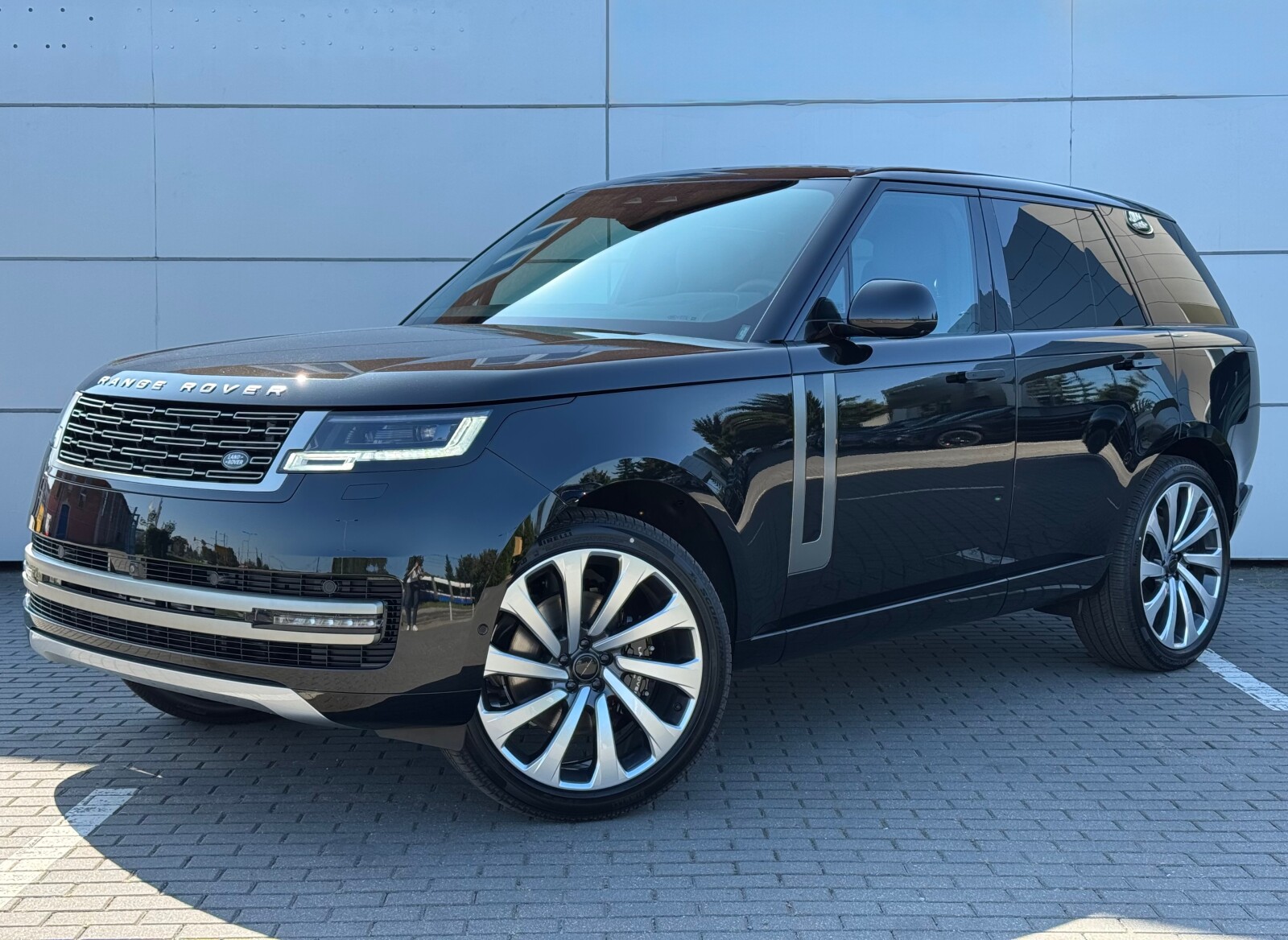
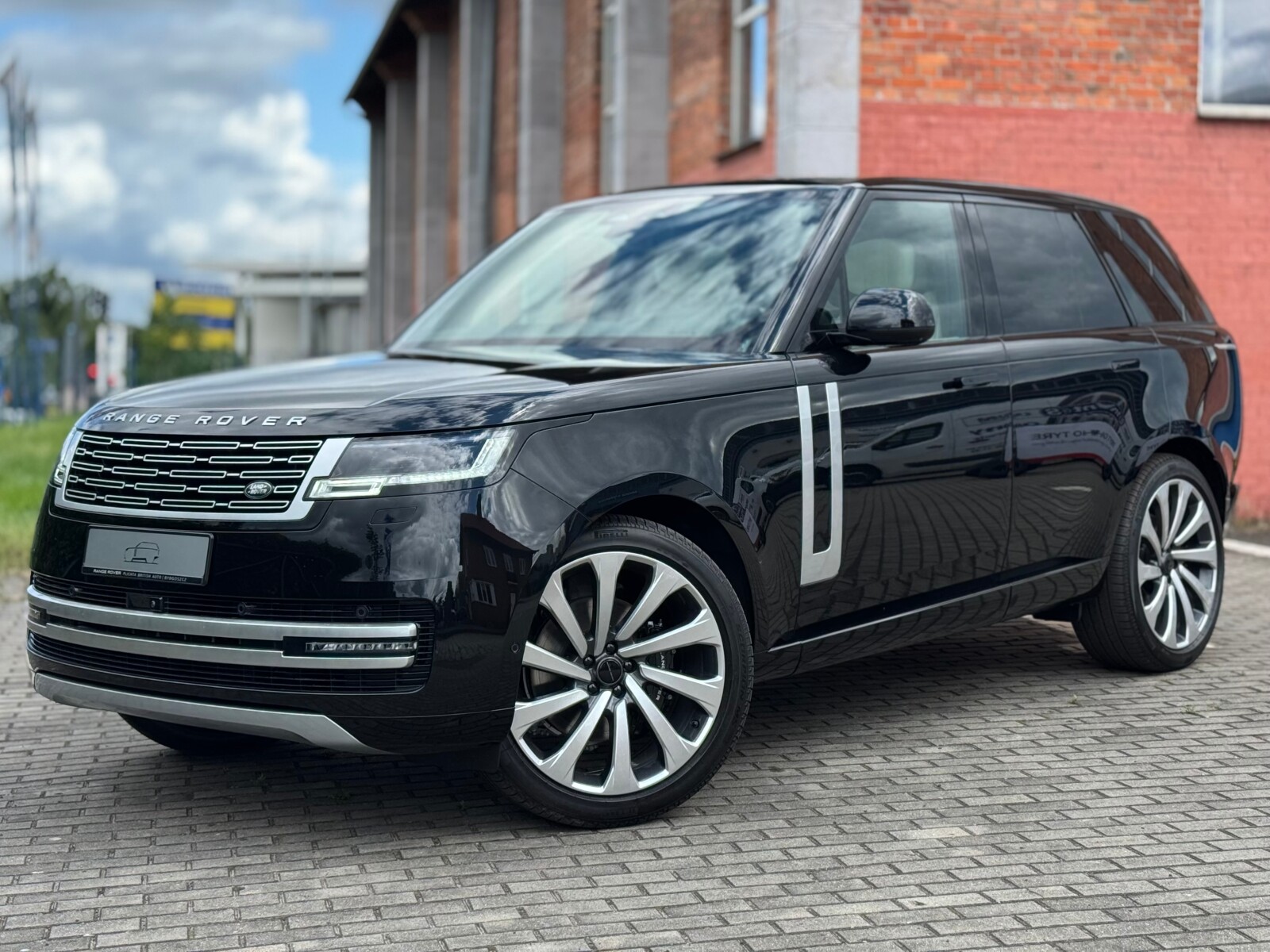
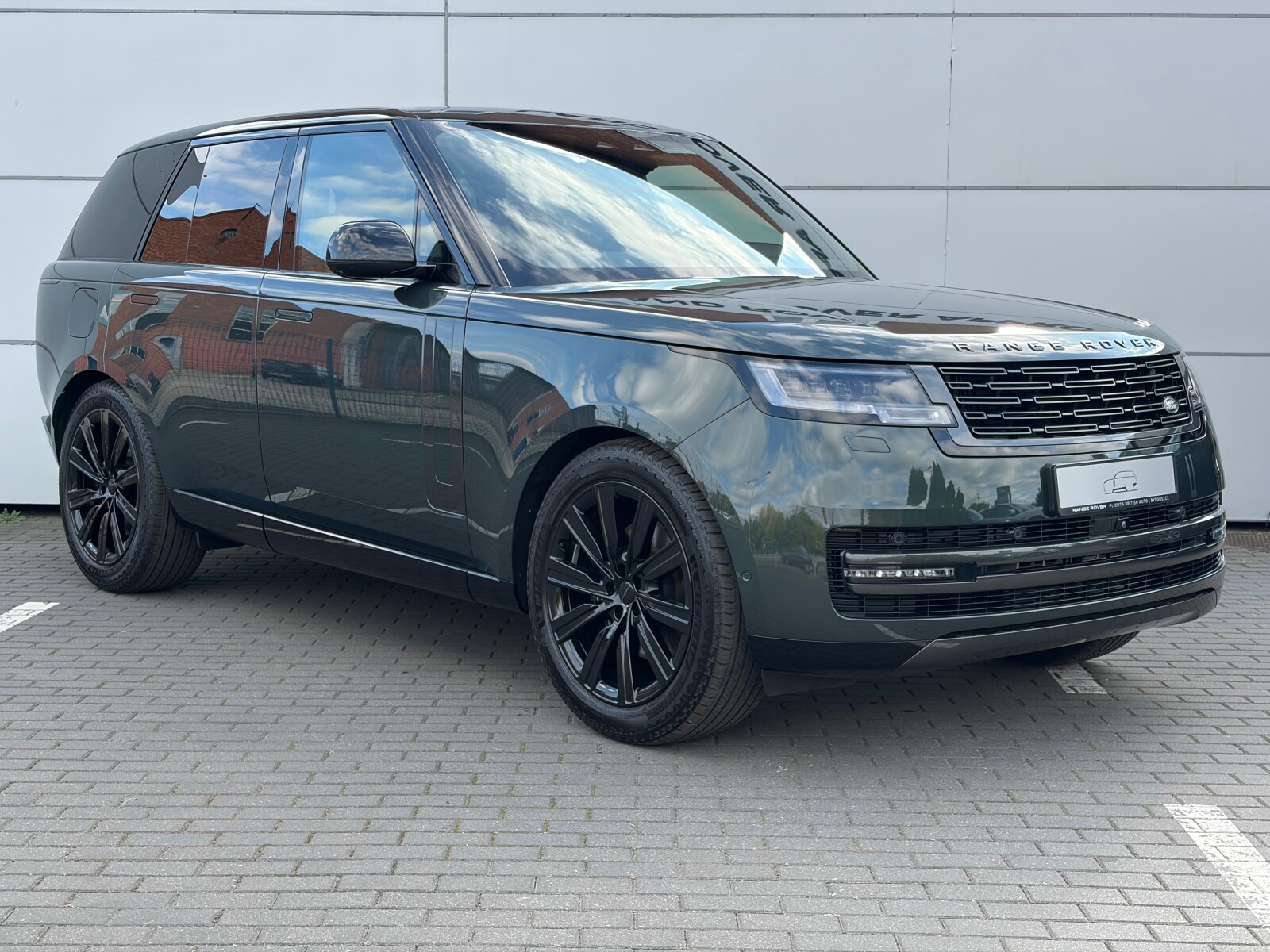
2021, diesel, automatic, 148K km, SUV, 1,998 cm3, 204 hp, silver, Land Rover, RR.Velar FL'20, Velar D200 R-Dyn.Aut, Used condition, In stock

CarOutlet.eu
 Belgium
 BelgiumBelgiumBelgium
 NetherlandsNetherlandsNetherlandsNetherlands
 France
 GermanyGermanyGermany
 Bartodzieje Małe, PolandBartodzieje Małe, PolandBartodzieje Małe, PolandBartodzieje Małe, PolandBartodzieje Małe, PolandBartodzieje Małe, Poland
 Czech Republic, Olomoucký krajCzech Republic, Olomoucký kraj
 Poland
 Italy
Italy Italy
Italy
 Romania, Timiș County
 Romania, Maramureş
 Romania, Mureș County
A good Land Rover Range Rover listing should make you feel calmer, not more curious. On a model like this, the best offer is rarely the one with the flashiest first photo. It is the one that answers the expensive questions before you even ask them: what has been maintained, how consistently it has been used, what condition details the seller is willing to show, and whether the story of the car makes sense from photos to paperwork. If you are comparing Land Rover Range Rover cars for sale across the EU market, that discipline matters more than getting distracted by trim names or cosmetic extras.
When you open several used Land Rover Range Rover listings side by side, look beyond color, wheels, or a long equipment list. Try to understand the ownership pattern. Does the mileage fit the age and presentation? Do service notes sound specific, or are they vague filler like “maintained” and “perfect condition” without evidence? On a Land Rover Range Rover, a believable maintenance story can be more valuable than an attractive option list. If one seller shows recent invoices, explains what was done, and photographs the car clearly inside and out, that offer often deserves more attention than another car with slightly nicer cosmetics but very little background.
This is also where buyer psychology gets interesting. Many people searching for a Land Rover Range Rover in the EU market filter emotionally first and rationally second: black exterior, large wheels, bright interior, low mileage headline. That is understandable, but weak listings often know exactly how to exploit that habit. A better approach is to shortlist the cars whose condition story feels coherent, then decide whether the spec still suits you. A handsome listing can hide a foggy past; a plain listing with good documentation can be the smarter buy.
A strong Land Rover Range Rover ad usually leaves small traces of effort. Photos are taken in daylight, not in a dim garage. Panel gaps, seat wear, load area, screens, steering wheel, and tires are visible. The wording is calm and factual rather than defensive or theatrical. If the seller mentions maintenance, look for detail: dates, mileage points, service documents, or at least a clear summary of recent work. If the ad says “full service history,” ask what that means in practice and whether the records are complete, stamped, digital, invoiced, or mixed.
Response style matters too. When you message about a Land Rover Range Rover, notice whether answers are direct. A serious seller can usually explain ownership length, reason for sale, service routine, warning lights if any, and whether there are known faults waiting to be addressed. Evasive replies, delayed answers to simple questions, or irritation when you ask for underside, interior, or cold-start photos are useful signals. They do not automatically mean the car is bad, but they often mean you should slow down.
One less obvious clue: see whether the listing sounds like someone who knows the exact car, or someone trying to move inventory with generic luxury-SUV language. On a Land Rover Range Rover, “top condition” means little. Specific sentences about what has been repaired, what still needs attention, and which documents are available mean much more.
Before you arrange a viewing, ask for a small evidence pack. For a used Land Rover Range Rover, that can include the VIN, service history photos, dashboard-on photo, cold-start video, exterior walkaround in daylight, and close-ups of any wear the seller has already mentioned. If the seller refuses every reasonable request, you may have learned enough already.
During comparison, check whether the car’s condition matches its asking logic. Does the interior wear align with the mileage shown? Are the tires a matched set? Do the photos avoid the lower body, tailgate area, or seat bolsters? Is there any mention of suspension, electronics, or recent maintenance, or is the ad built entirely around prestige? With Land Rover Range Rover listings, a polished presentation is welcome, but evidence is what makes it useful.
When a Land Rover Range Rover offer survives your first screening, ask practical questions that help you decide whether it is worth seeing in person. How long has the current owner had it? What has been serviced recently? Are there invoices or digital records to support that? Are there any warning messages, intermittent faults, leaks, damaged trim pieces, or non-working features? Has it been sitting unused for long periods? Are there two keys? Is the documentation complete for registration in the relevant EU country?
Notice that none of these questions are dramatic. That is the point. Weak sellers often prepare for obvious questions and stumble on normal ownership details. A confident, straightforward answer is not a guarantee, but it is part of the pattern you want.
The right Land Rover Range Rover is usually the one that still looks honest after the second look. Not the first glance, when the shape and badge do the work, but the second look, when you compare service notes, read the ad again, and imagine the first six months of ownership. If the listing gives you a realistic picture of condition, history, and remaining questions, it is worth pursuing. If it relies on glamour, vague praise, and missing details, move on.
In a thinner market with only a limited number of Land Rover Range Rover listings available, buyers sometimes start excusing weak ads too early. Try not to. Scarcity is not proof of quality. A careful shortlist, a few pointed questions, and a willingness to skip the wrong car will usually serve you better than rushing toward the most eye-catching offer.
 Add as preferred sourceSee more from zvelta in Google Search Add as preferred source