 EN
ENDEALER
€8,999DEALER
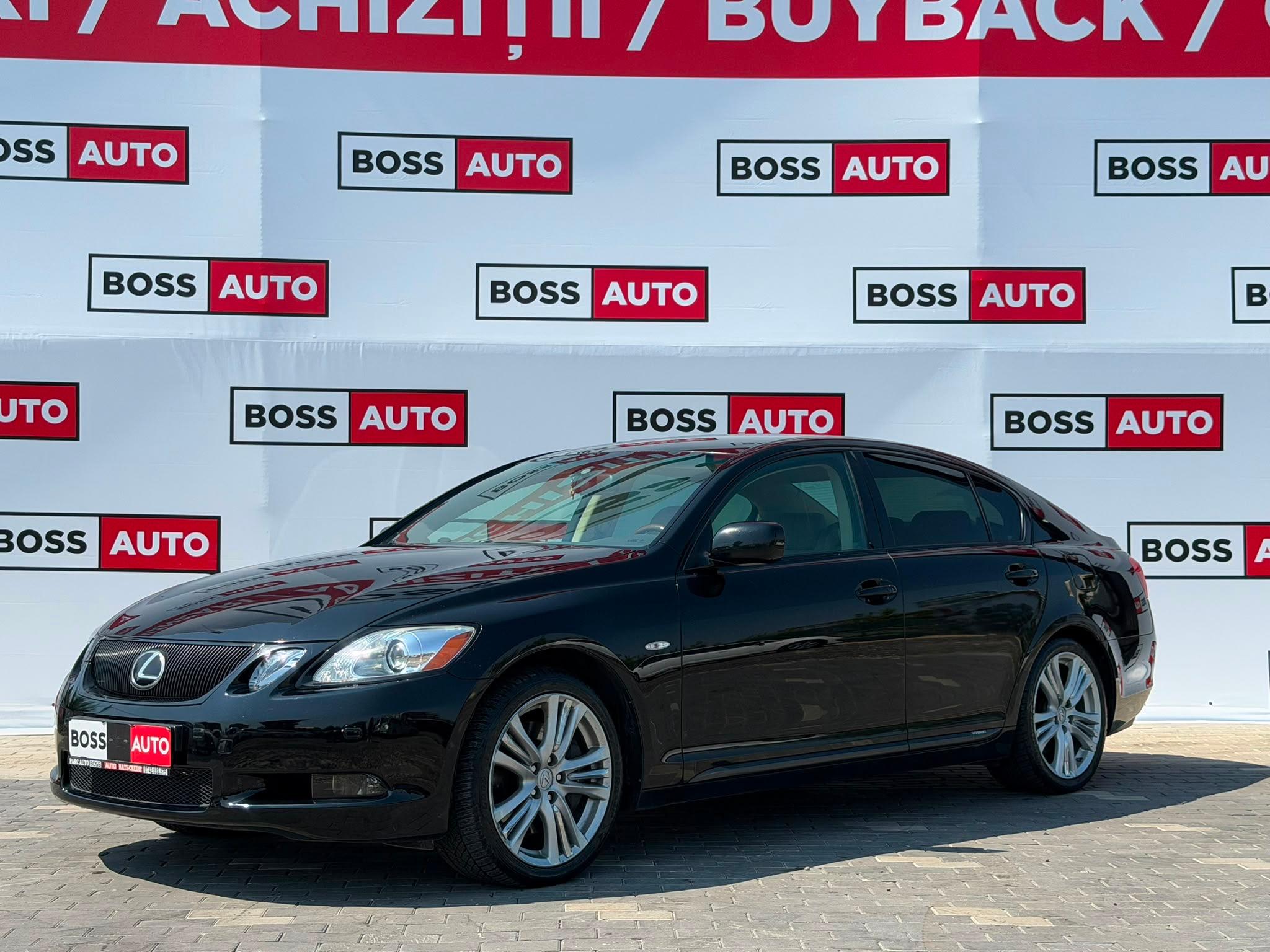
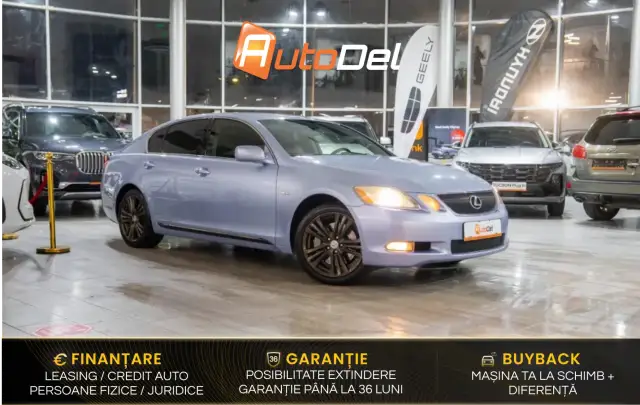
hybrid, automatic, 285K km, sedan, Rear Wheels Drive, 3,456 cm3, 339 hp, blue, 450H, Used condition, Japan, In stock

AutoDelRulate.ro
 Romania, Suceava
 Romania, Suceava
 Romania, Bucharest
If you are looking at a Lexus GS in Europe, the smartest first step is not falling in love with the badge or the trim name. Start by asking a simpler question: does this particular car look like it has been owned by someone careful? With a model like the Lexus GS, that matters more than a flashy description. Many buyers are drawn in by the promise of comfort, quiet cruising and premium feel, but on the used market the real difference is usually in maintenance quality, paperwork and seller honesty.
The Lexus GS often attracts buyers who want something more individual than the obvious German executive saloons. That can work in your favor. A Lexus GS listing may face less impulse demand than a more predictable rival, which means a patient buyer can sometimes find a better-kept car rather than a faster-selling one. But it also means you should compare listings carefully, because equipment, condition and ownership story can vary a lot from one offer to the next.
When browsing used Lexus GS cars for sale across the EU market, avoid judging by mileage alone. A higher-mileage example with coherent service records, clear photos and a believable seller can be a safer bet than a lower-mileage car with vague history and thin documentation. On a model like the Lexus GS, buyers should pay close attention to how consistently the car seems to have been looked after over time, not just how clean it appears in one set of photos.
A good Lexus GS advert usually tells you something useful before you even make contact. Look for photos taken in daylight, multiple angles, close-ups of the interior, wheels, boot, engine bay and the infotainment area. Serious sellers tend to show the car as it is. Weak listings often hide behind a few dark images, odd crops or pictures taken right after a wash with no detail shots.
The wording matters too. If the seller mentions recent service, ask what exactly was done and when. If the description says "full history," ask whether that means stamped book, invoices, digital records or simply a pile of old papers. If a Lexus GS listing mentions "excellent condition" but avoids specifics about maintenance, tires, brakes or ownership length, treat that as marketing language, not evidence.
One small but telling clue is response style. A careful seller usually answers direct questions directly: how long they have owned the Lexus GS, whether there are warning lights, what works and what does not, and whether the car has two keys and supporting documents. Evasive replies, delayed answers to simple points, or constant pressure to "come today" can save you time by telling you to move on.
Not every Lexus GS is worth the same trip to inspect. Before contacting a seller, compare the version, gearbox, visible condition, interior wear, tire brand consistency, and signs of recent or deferred maintenance. If one car looks cheaper but seems to need immediate attention in several areas, it may stop being a bargain very quickly.
This is where many buyers make a predictable mistake: they compare only headline factors such as year and mileage. For a Lexus GS for sale, a better comparison is year, mileage, service proof, equipment you truly care about, and the quality of the seller’s presentation. A car with detailed records and an owner who can explain recent work calmly is often worth more than one with a shinier ad and less substance.
Because there is only limited market availability at times, especially if you are set on a certain configuration, it helps to stay flexible on color or minor options and stay strict on condition. That is usually the smarter compromise. You live with maintenance history longer than you live with your second-choice exterior color.
A useful call about a Lexus GS should leave you with fewer assumptions. Ask whether the mileage can be supported by service documents and inspection records. Ask what has been replaced recently, what the seller would fix next if keeping the car, and whether there are any faults that do not appear in the ad. Ask whether all electronics, climate functions and convenience features operate as expected. On an executive car, small faults can pile up into annoying expense.
Also ask about ownership documents and registration status, especially when comparing listings across Europe. You do not need drama at the paperwork stage. A straightforward seller should be able to explain what comes with the car and what a buyer needs for a clean transaction. If the answers stay blurry, the viewing may not be worth your travel time.
Here is the interesting part: the Lexus GS often rewards buyers who search with a cooler head than the average used-car shopper. It is not always the car people rush to first, and that can create a gap between how good a car is and how loudly it is marketed. The best Lexus GS offers are sometimes the least theatrical ones: sensible photos, plain wording, mature ownership story, proper records. Not exciting to scroll past maybe, but exactly the kind of listing that deserves a closer look.
That is also why weak offers stand out so clearly on this model. A seller who leans heavily on prestige language without showing substance may be trying to sell the idea of a premium car rather than the reality of a well-kept one. With the Lexus GS, serious buyers should prefer boring honesty over polished hype every time.
Go see the car when the ad, the answers and the documentation all point in the same direction. The best Lexus GS listings tend to feel consistent: the photos match the description, the seller sounds informed, the service story makes sense, and the little details do not fight each other. If the listing looks tidy but the conversation creates new doubts every few minutes, keep searching.
A good Lexus GS can still be a deeply satisfying used buy in the European market, but only when the individual example earns your confidence. Compare calmly, ask better questions, and let the seller’s behavior help you decide. That alone will filter out a surprising number of weak offers before you ever leave home.
 Add as preferred sourceSee more from zvelta in Google Search Add as preferred source