 EN
ENDEALER
€2,699DEALER
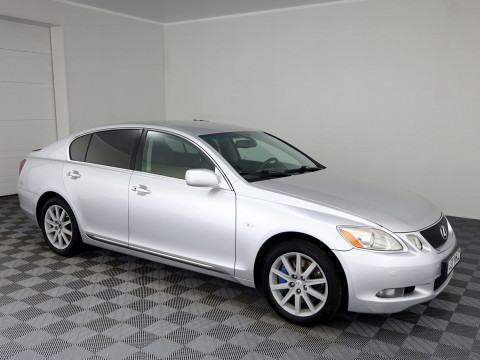
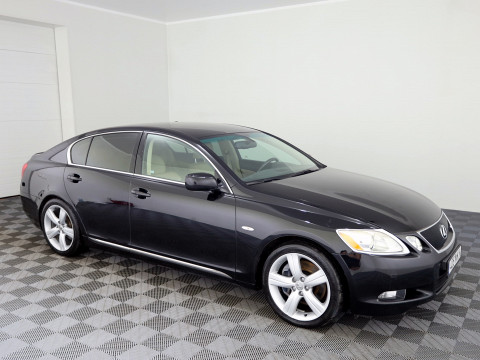
2008, gasoline, automatic, 258K km, sedan, Rear Wheels Drive, 3,000 cm3, black, Used condition, Japan, In stock

BaltiCar.com
 Estonia, Harjumaa
 Estonia, HarjumaaEstonia, Harjumaa
If you are shopping for a Lexus GS 300, the smartest first move is not to fall in love with the badge too quickly. This is the kind of car that can look like a bargain luxury sedan in one listing and a slow, expensive project in the next. When there are only a few Lexus GS 300 cars for sale across the EU market, every ad starts to feel important. That is exactly when comparison matters most: not just against another GS 300, but against the nearby alternatives a real buyer could choose instead.
A used Lexus GS 300 often attracts buyers who want comfort, rear-wheel-drive character, and a more understated premium feel than the usual German shortlist. That is a sensible reason to look at one. But before you plan a viewing, compare each listing like an editor would. Are the photos consistent with the mileage claim? Does the description explain ownership, maintenance history, and recent work, or does it hide behind vague phrases like “runs perfectly” and “no investment needed”? With a model like the Lexus GS 300, weak ads stand out quickly because good sellers usually know what serious buyers will ask.
Look closely at how complete the listing is. A strong offer usually shows the car from several angles, includes the interior, mentions service records, and says something concrete about condition. A weak one often relies on prestige language and leaves out the practical things: warning lights, gearbox behavior, tire condition, accident history, and what exactly has been maintained. If the seller cannot describe the car clearly in the ad, expect the same lack of clarity when you call.
This is where buyers either save money or waste weeks. Do not compare the Lexus GS 300 only with another Lexus GS 300. Compare it with whatever sits one click away in the same price-and-condition zone: maybe another executive sedan with more common parts availability, maybe a smaller premium car with better documented ownership, maybe even a less prestigious but cleaner option. The question is not “Is the Lexus GS 300 good?” The better question is “Is this specific Lexus GS 300 better than the alternatives I can actually buy now?”
A compromise on trim or color can be acceptable. A compromise on paperwork, maintenance proof, or seller transparency usually is not. If one Lexus GS 300 has average equipment but convincing history, and another looks sharper in photos yet says very little about its past, the plainer car may be the better buy. Buyers often overpay emotionally for presentation. A polished ad is nice; documented care is better.
There is also a subtle market behavior worth noticing in the EU space: niche Japanese premium sedans tend to attract two very different sellers. One type is the long-term owner who understands the car and can talk calmly about what has been serviced. The other is a trader or casual reseller leaning heavily on the Lexus reputation while offering very little detail. With the Lexus GS 300, the difference between those two sellers matters more than an extra feature or a fresh wash.
When you contact the seller, do not begin with “What is your best price?” Start with questions that force useful answers. Ask how long they have owned the Lexus GS 300 and why they are selling it. Ask what maintenance was done recently, what still needs attention, and whether there are invoices or service records to support that story. Ask if all electronics work, whether there are warning lights, how the transmission behaves when cold and warm, and whether the car has had paintwork or accident repair.
Then listen to the style of the answer, not only the content. Detailed, calm answers are usually a good sign. Irritation, rushing, or repeated “everything is fine” without specifics should lower your interest. A seller who knows the Lexus GS 300 well will usually mention at least a few imperfect things without being pushed. That honesty is valuable.
A lot can be filtered from the ad itself. Check whether the mileage shown matches the wear visible on the steering wheel, seats, switches, and driver’s area. Look at panel gaps and paint reflections in daylight photos if they exist. See whether the tires match as a set; careless tire choices sometimes hint at a generally careless ownership style. If the listing shows very few images, cropped angles, or heavily edited photos, ask for more before traveling.
With a car like the Lexus GS 300, another less obvious clue is how the seller positions it. If the ad talks mainly about luxury status and almost nothing about condition, history, and upkeep, be cautious. Serious used luxury buyers are not shopping for an idea; they are shopping for a machine with a believable past. The best listings understand that.
Because availability can be limited, buyers sometimes convince themselves that the only current Lexus GS 300 listing must be “good enough.” That is how weak deals happen. If the documents are unclear, the ownership story changes, the maintenance record is missing, or the seller avoids basic questions, waiting is often the cheaper move. Scarcity can create pressure, but pressure is not value.
It is perfectly reasonable to wait for a Lexus GS 300 with cleaner history, better photos, and a seller who sounds prepared. The right compromise is usually cosmetic. The wrong compromise is structural, legal, or maintenance-related. If you remember that distinction, you will sort the market much faster.
The Lexus GS 300 makes the most sense for a buyer who wants comfort and character but is willing to be patient and selective. Treat each ad as a candidate that must earn your time. Compare listings against real alternatives, reward evidence over style, and do not confuse rarity with quality. A convincing Lexus GS 300 for sale is not just one that looks attractive in photos. It is one where the seller, the history, and the condition all line up well enough that a viewing feels justified before you even leave home.
 Add as preferred sourceSee more from zvelta in Google Search Add as preferred source