 EN
ENDEALER
€2,899DEALER
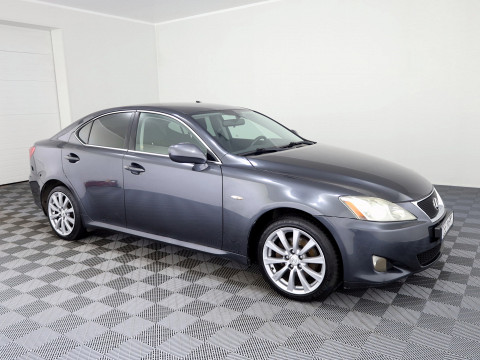
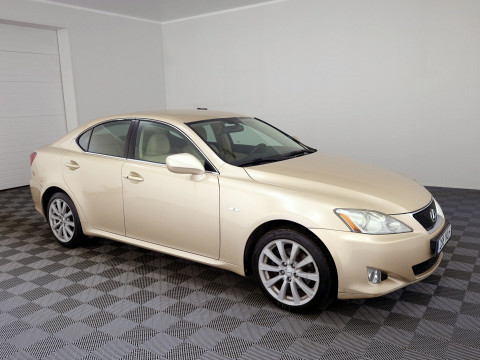
2008, gasoline, automatic, 269K km, sedan, Rear Wheels Drive, 2,500 cm3, beige, Used condition, Japan, In stock

BaltiCar.com
 Estonia, Harjumaa
 Estonia, HarjumaaEstonia, Harjumaa
If you are shopping for a Lexus IS in Europe, the smartest move is not to rush the first tidy-looking ad. This is the kind of car that attracts two very different listings: one from an owner who maintained it properly and priced it honestly, and another that looks premium in photos but becomes vague the moment you ask about history, wear, or recent work. With only limited market availability at times, the temptation is to compromise too early. Usually, that is where buyers make the expensive mistake.
Before comparing mileage, trim, or cosmetic condition, compare how clearly each Lexus IS offer explains itself. A strong listing usually gives you a believable ownership story: how long the seller has had the car, what maintenance has been done, whether service records exist, and what the car needs next. A weak one hides behind short phrases like “perfect condition” or “no investment needed” without showing the paperwork or the detail to support it.
That matters more with a Lexus IS than many buyers expect. People often search this model because they want something more refined than a typical mainstream sedan, but still sensible enough for regular use. In practice, that means the best used examples are rarely the cheapest ones. When two cars seem similar, the better documented car can be the stronger buy even if the asking price is higher. A cheaper car with unclear servicing, patchy photos, and defensive seller answers can quickly stop being a bargain.
Start with the basics, but read them with intent. Check whether the photos show the car consistently inside and out, not just flattering angles. Look for signs that the seller understands the car rather than simply reposting generic selling points. Ask for the service history in plain terms: what was done recently, what is due soon, and whether there are invoices rather than promises. If the seller cannot answer simple ownership questions, that alone may tell you enough.
Mileage should be compared with condition and documentation, not treated as a standalone verdict. A Lexus IS with reasonable wear, clear maintenance records, and believable ownership history can be a better choice than a lower-mileage car with unexplained gaps. The same goes for equipment. It is easy to get distracted by wheels, trim details, or a nicer cabin spec, but these should come after the fundamentals: history, visible care, matching details in the listing, and a seller who is comfortable being specific.
One useful trick when browsing Lexus IS for sale ads in the EU market is to compare how much effort the seller puts into proving the car versus merely praising it. Sellers of genuinely solid cars often make your decision easier. They share more photos, answer directly, and do not become irritated when you ask for cold-start behavior, warning lights, last maintenance items, or registration documents. Weak offers tend to rely on urgency: “many calls,” “first to see will buy,” or suspiciously polished language covering a thin description.
This is where many buyers lose perspective. The Lexus IS often appears in shortlists with other compact premium sedans, and that is useful, but compare real cars available now, not an imaginary perfect example. If one Lexus IS listing has complete history, sensible mileage, and a confident seller, while an alternative brand at the same money looks better equipped but poorly documented, the Lexus may be the more rational choice.
On the other hand, if the available Lexus IS cars for sale are both vague, overpriced for their condition, or missing basic ownership evidence, waiting is a valid strategy. Not every search needs to end this week. A patient buyer usually avoids the “I can live with that” compromises that become annoying after a month of ownership. Acceptable compromises are usually cosmetic ones, minor age-related wear, or less exciting options. Harder compromises are missing records, inconsistent mileage claims, unresolved warning lights, accident ambiguity, or a seller who avoids direct answers.
That comparison mindset also helps with expectations. Some people search for a Lexus because they want a quieter ownership experience, but the badge alone does not guarantee that on the used market. A neglected Lexus IS is still a neglected car. A carefully owned example with transparent history is what you are really shopping for.
When you contact the seller, skip vague openers and ask things that require concrete answers. How long have you owned the Lexus IS? Why are you selling it now? What maintenance was done in the last 12 months? Are there invoices or service book entries? Are there any faults, warning lights, leaks, noises, or items that will need attention soon? Has the car had paintwork or body repairs, and if yes, where?
Then listen to the style of the answer, not only the content. Honest sellers do not need perfect cars; they need consistent answers. If the story changes between messages and the phone call, or if simple questions are treated like an insult, move on. With limited listings in the market, discipline matters. Seeing a weak car “just in case” often wastes time and weakens your negotiating position, because you start talking yourself into flaws you already noticed from the ad.
A good Lexus IS ad should make you feel calm, not excited. That sounds strange, but it is useful. Calm means the offer makes sense: the condition matches the mileage, the photos match the description, the maintenance story sounds coherent, and the seller behaves like someone who expects scrutiny. Excitement often comes from shiny paint, low headline mileage, or a tempting price that leaves too many blanks.
If you find a Lexus IS in Europe that is well presented, honestly described, and supported by service history, it is worth acting decisively. If you find one that looks stylish but asks you to ignore missing details, vague answers, or obvious inconsistencies, let it go. On this model, patience is not passivity. It is one of the best buying tools you have.
 Add as preferred sourceSee more from zvelta in Google Search Add as preferred source