 EN
DEALER
€76,643DEALER
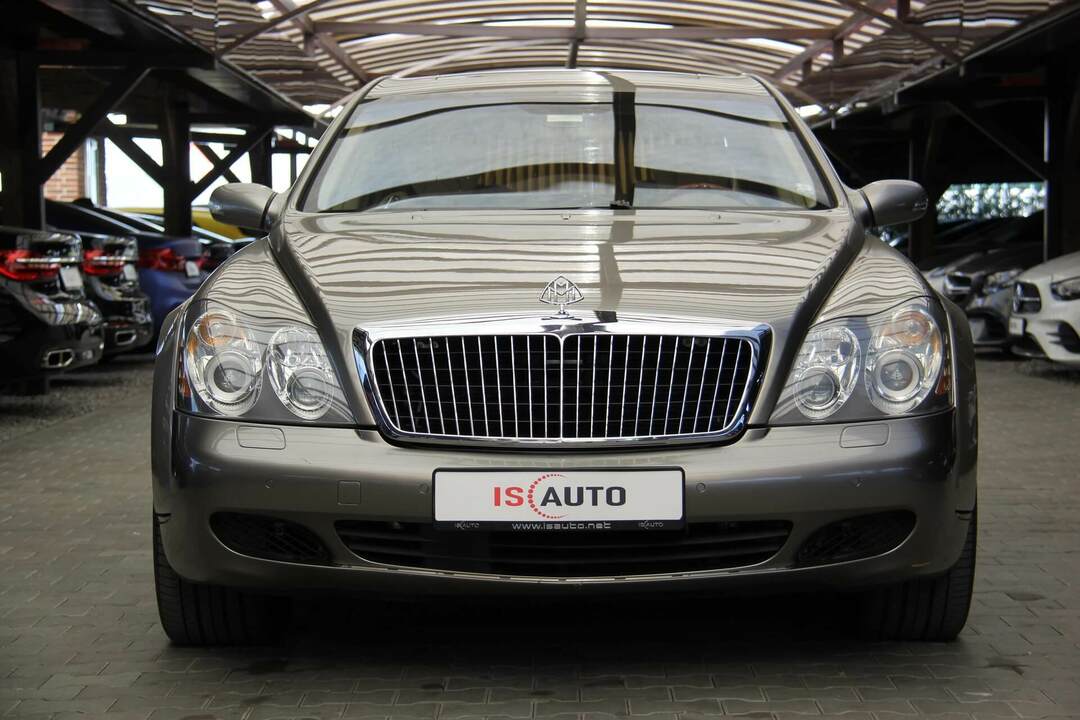
2004, gasoline, automatic, 121K km, sedan, 551 hp, Used condition, In stock

isAUTO.net
 Bulgaria, Varna
 Bulgaria, Varna
If you are shopping for a Maybach, the main challenge is usually not sorting through endless similar ads. It is judging whether a rare-looking listing is genuinely worth your time. A Maybach can tempt buyers into skipping the usual discipline because the badge, photos, or specification feel special. That is exactly when you should slow down. Before you arrange a viewing, compare the basics with unusual care: how complete the description is, whether the seller explains ownership and service history clearly, and whether the car is presented as a serious long-term vehicle rather than just an expensive object with polished images.
A strong Maybach offer normally feels calm and well documented. You should expect clear photos, readable equipment details, consistent mileage reporting, and some explanation of maintenance history. Even when an ad is short, the important points should line up: registration documents, service invoices if available, recent work, number of keys, and a believable story about how the car was used. If the listing leans heavily on luxury language but avoids ordinary details, treat that as a warning. Prestige does not replace paperwork.
This matters even more in the eu market, where a Maybach for sale may have crossed borders, changed dealers, or spent time in more than one ownership context. None of that is automatically bad. It just means you should ask more careful questions earlier. Was the car imported recently? Are the service records easy to verify? Does the seller have documents in order, or are they promising to "sort everything out later"? With a brand like Maybach, loose answers are more meaningful than they would be on an ordinary commuter car.
Buyers often make the mistake of comparing Maybach offers as if the cheapest similar-looking car is the smart buy. In reality, the better comparison is total confidence. One listing may ask more, but offer cleaner history, more transparent ownership, better photos of wear areas, and a seller who answers direct questions without drama. Another may look like a bargain until you notice missing interior close-ups, vague service claims, or a description that avoids saying who actually owns the car.
When you compare used Maybach cars for sale, look at how much uncertainty is built into each ad. A lower price can simply mean more unanswered questions waiting for you at the viewing. If you need to travel across Europe to see the car, that uncertainty matters even more. Ask for a cold-start video, dashboard photos with the engine running, and close images of wheels, trim, seat bolsters, and any known cosmetic defects. Serious sellers of high-end cars usually understand why a distant buyer asks for specific evidence.
Maybach is one of those brands where impatience can become expensive. When the shortlist is short, buyers start rationalizing weaknesses: incomplete history, suspiciously fresh detailing, long gaps between services, or a seller who keeps changing details on the phone. The badge can make people forgive too much. Try not to let the emotional side of the search take over the factual side.
A less obvious point: niche luxury listings often reveal more through the seller's attitude than through the specification itself. With Maybach, a careful seller will usually speak in specifics. They can explain what has been maintained, what still needs attention, and why the car is being sold. A weak seller often hides behind general phrases like "top condition" or "fully loaded" while avoiding anything that could be checked later. That difference is small in text, but huge in practice.
Keep your first contact simple and direct. Ask who is selling the Maybach, how long they have had it, whether the title and registration documents are ready, and whether the service history is complete, partial, or unknown. Ask if there are any warning lights, unresolved faults, paintwork repairs, or equipment features that do not work as intended. If the answer to every question is "perfect," be a little cautious; experienced private sellers and proper dealers usually mention at least some honest imperfection.
Then move to verification. Ask for the VIN if it is not already provided, but do not treat a VIN alone as proof that everything is fine. Match it with invoices, stamped records, inspection reports, and the condition shown in photos. Check whether the wear you see matches the mileage claimed. On a Maybach, small inconsistencies stand out quickly because buyers expect a higher standard of care. Even simple things like uneven tire brands, missing accessories, damaged trim, or non-matching story lines between the ad and the call can help you decide whether the trip is worthwhile.
One of the smartest ways to shop Maybach listings is to evaluate the listing as a reflection of ownership. A well-kept car is often advertised by someone who communicates well, responds clearly, and does not resist reasonable checks. A messy ad does not always mean a bad car, but with premium brands it often means you will need extra patience and extra verification. If the seller cannot present a coherent offer, assume you may need to uncover the missing structure yourself.
That is why Maybach works best on a shortlist for buyers who are comfortable being selective. If a car seems promising, verify it properly and move with intent. If an offer feels theatrical, incomplete, or oddly defensive, let it go. In this part of the market, saying no at the right moment is often the move that leads you to the better car a little later.
 Add as preferred sourceSee more from zvelta in Google Search Add as preferred source