 EN
ENDEALER
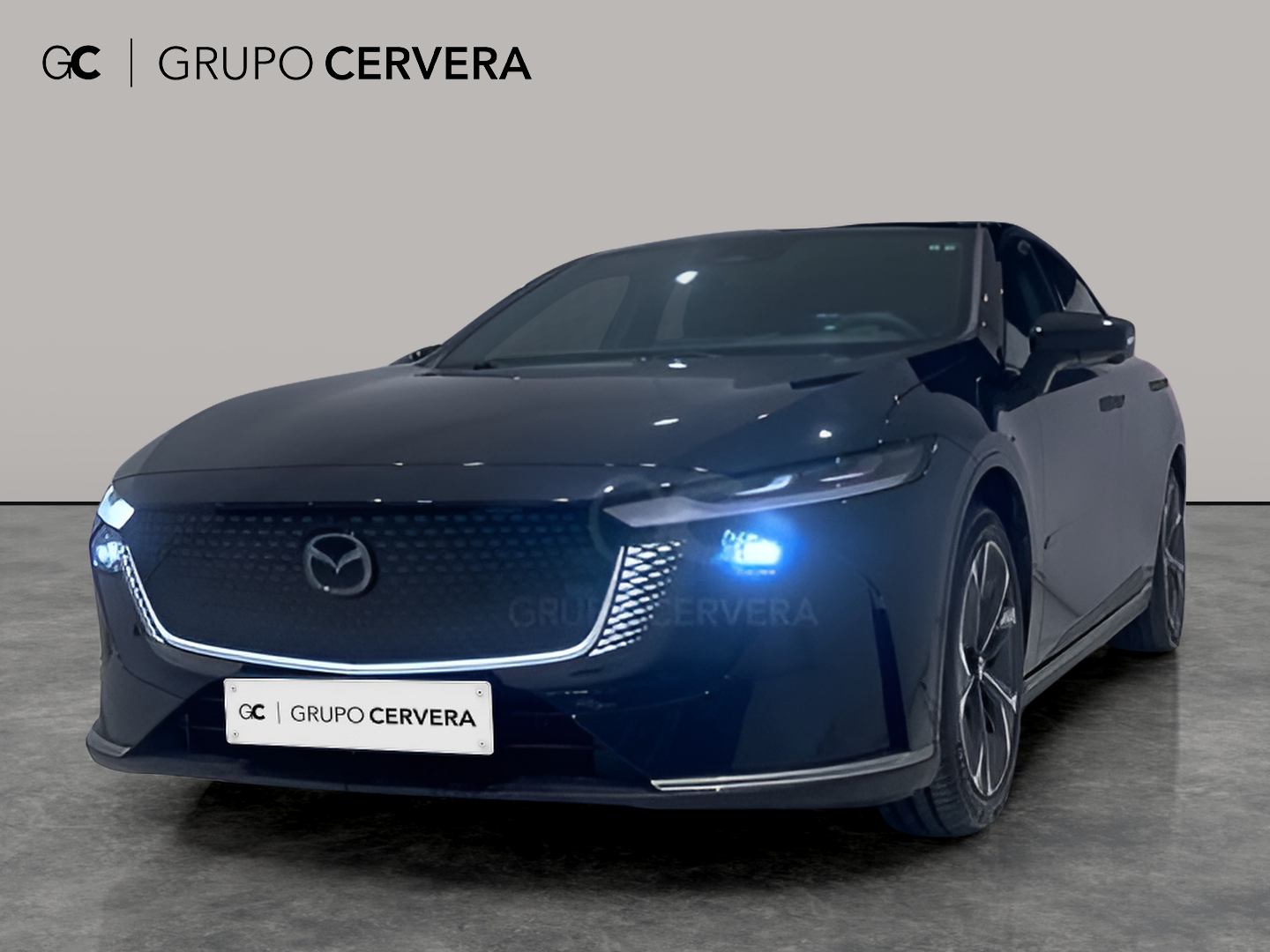
€39,990DEALER
2026, electric, automatic, 4 km, sedan, Rear Wheels Drive, 245 hp, ZEV, black, EV Gran Autonomía RWD Takumi 180 kW (245 CV), New condition, In stock

GrupoCervera.com
 Spain, Castille and León
 Spain, Castille and LeónSpain, Castille and León
 NetherlandsNetherlandsNetherlands
 Germany, Lower Saxony
 Estonia, HarjumaaEstonia, HarjumaaEstonia, HarjumaaEstonia, HarjumaaEstonia, HarjumaaEstonia, HarjumaaEstonia, HarjumaaEstonia, HarjumaaEstonia, HarjumaaEstonia, Harjumaa
 Panevėžys City, LithuaniaMiškiniai, Lithuania
 Poland, Lesser PolandPoland, Lesser PolandPoland, Lesser Poland
 Livada de Bihor, Romania
 Romania, Arad CountyRomania, Bihor County
 Romania, Timiș County
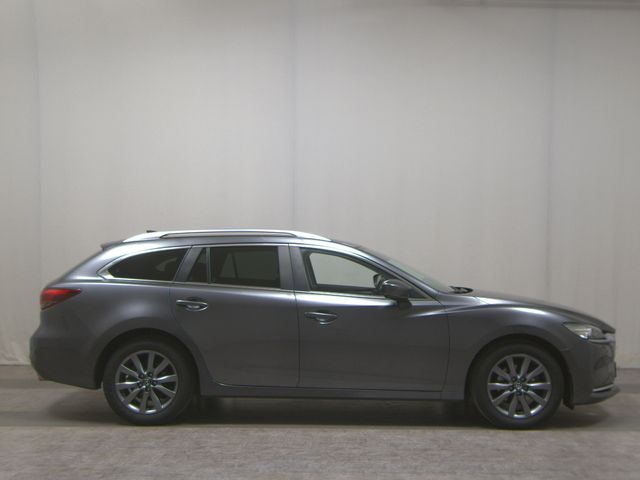
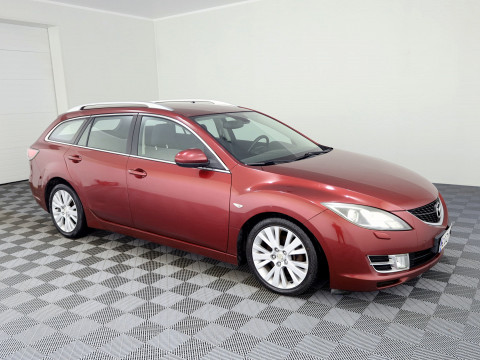
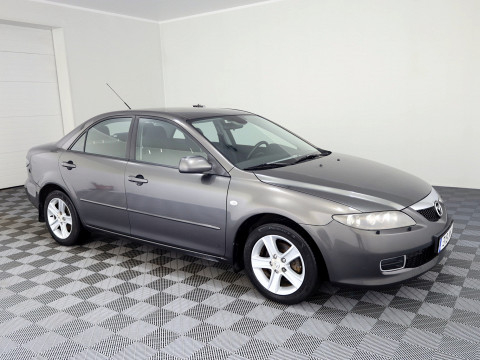
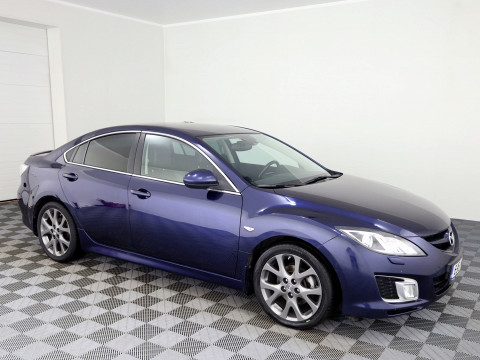
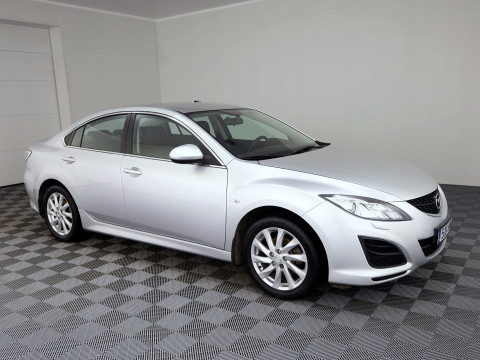
If you are looking at a Mazda 6, the smartest move is not to ask first whether it is cheap, fast, or well equipped. Ask whether this exact listing deserves a call, a visit, or a quick skip. That approach saves time, especially in the EU used car market, where the same Mazda 6 can appear in listings that look similar on paper but feel completely different once you inspect the details. A tidy ad with clear history, believable mileage, and honest photos is often worth more than a lower asking price attached to vague wording and missing information.
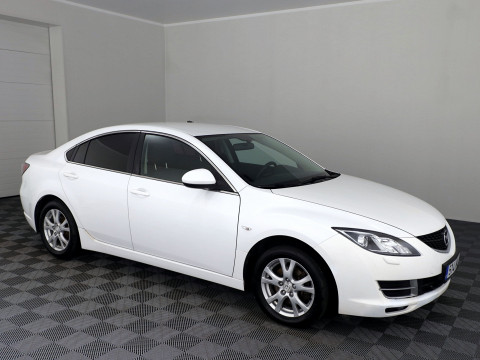
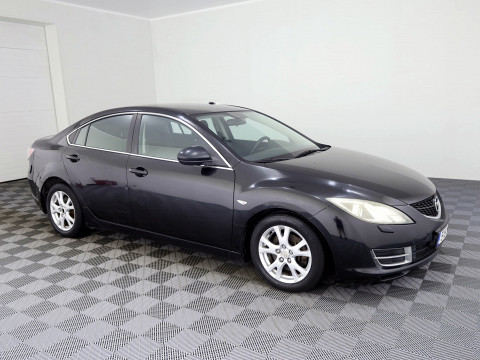
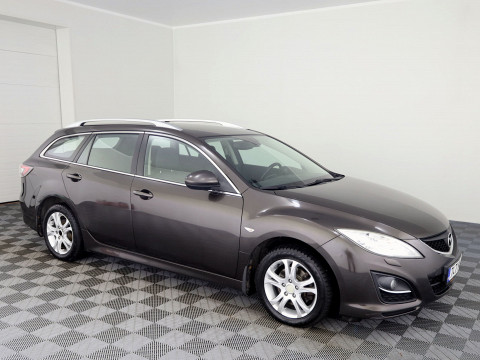
A strong Mazda 6 for sale listing usually gives you enough material to build confidence before you contact the seller. Look for a complete photo set, not just hero shots from flattering angles. You want to see the body closely, the interior in normal light, the wheels, the load area, and the engine bay if available. Read the wording carefully. A seller who mentions maintenance history, recent work, ownership length, and a straightforward reason for selling is already easier to trust than one who hides behind short phrases and buzzwords.
When comparing used Mazda 6 offers, try grouping them into three piles. Call now: listings with clear photos, readable equipment details, service records, and sensible mileage for the age. Possible visit later: listings that look decent but leave important gaps, such as incomplete history or too few photos. Skip unless proven otherwise: ads with blurry images, inconsistent trim details, suspiciously fresh cosmetic presentation without supporting maintenance information, or a description that says almost nothing beyond “good condition.” The price can be tempting, but weak listings often become expensive once you add delayed repairs, missing documents, or a wasted trip.
This model often attracts practical buyers who want something more involving than a plain family car without moving into a costly premium badge. That creates an interesting market effect: some sellers know a well-presented Mazda 6 can sell on style and reputation alone, so they put effort into making the ad look sharp while avoiding the boring but crucial details. If a Mazda 6 listing spends more time showing polished paint and less time explaining maintenance, that is not automatically a red flag, but it should slow you down.
A useful trick with the Mazda 6 shortlist is to compare not only price and mileage, but also how much uncertainty each seller leaves you with. Two cars can sit close together in price, yet one includes clear ownership history, tire condition, service invoices, and recent inspection notes, while the other offers only attractive photos and a one-line promise that everything works. In real buying terms, the first car is often the cheaper one, even before you negotiate.
Before you get lost in trim names and equipment lists, assess the seller. Ask a few direct questions and pay attention to the quality of the answers rather than only the answers themselves. Good starting questions for a used Mazda 6 include: How long have you owned it? What maintenance was done recently? Is there service documentation? Are there any warning lights, known faults, or items that will need attention soon? Has the car had paintwork or body repairs? If the seller becomes evasive, defensive, or oddly rushed, that is information.
This matters with the Mazda 6 because many buyers search with a ready-made assumption that it will be the “safe sensible choice” in the shortlist. That assumption can make people less critical than they would be with a more obviously risky car. Don’t let the model’s strong everyday appeal do the thinking for you. A neglected Mazda 6 is still a neglected car. The best listings usually feel calm and specific; the weaker ones often rely on urgency, low-detail claims, or phrases designed to stop further questions.
If a Mazda 6 has survived your first screening, use the next step to decide whether it deserves a visit. Ask for the VIN if the seller has not already provided it, photos of service records, and extra images of any area that seems underrepresented in the ad. Confirm the basics: number of keys, registration documents, current faults, previous accidents if any, and whether the mileage history can be followed through invoices or inspections. You are not accusing the seller of anything; you are filtering efficiently.
At viewing time, keep your attention on consistency. Does the cabin wear match the claimed mileage? Do the tires suggest careful ownership or delayed spending? Does the engine start cleanly from cold? Does the gearbox behave smoothly? Are the panel gaps, paint finish, and glass markings consistent from one side of the car to the other? On a Mazda 6, a convincing overall picture matters more than one impressive feature. Heated seats, larger wheels, or a nicer screen should not distract you from signs of incomplete care.
A Mazda 6 deserves a physical inspection when the listing gives you enough confidence that you are likely to confirm the story rather than uncover it from scratch. That usually means clear history, coherent answers, realistic presentation, and no obvious contradiction between age, mileage, condition, and seller behavior. If the ad leaves you doing detective work just to understand what is being sold, keep scrolling.
In the EU market, that practical mindset is especially useful because buyers often compare listings from several countries and sellers with very different habits of documentation and presentation. The strongest Mazda 6 offers usually make the car easy to understand before you ever arrive. That is the kind of listing worth your time. Build your shortlist around transparency, not just the headline price, and the right Mazda 6 will usually reveal itself faster than expected.
 Add as preferred sourceSee more from zvelta in Google Search Add as preferred source