 EN
ENDEALER

€18,208DEALER
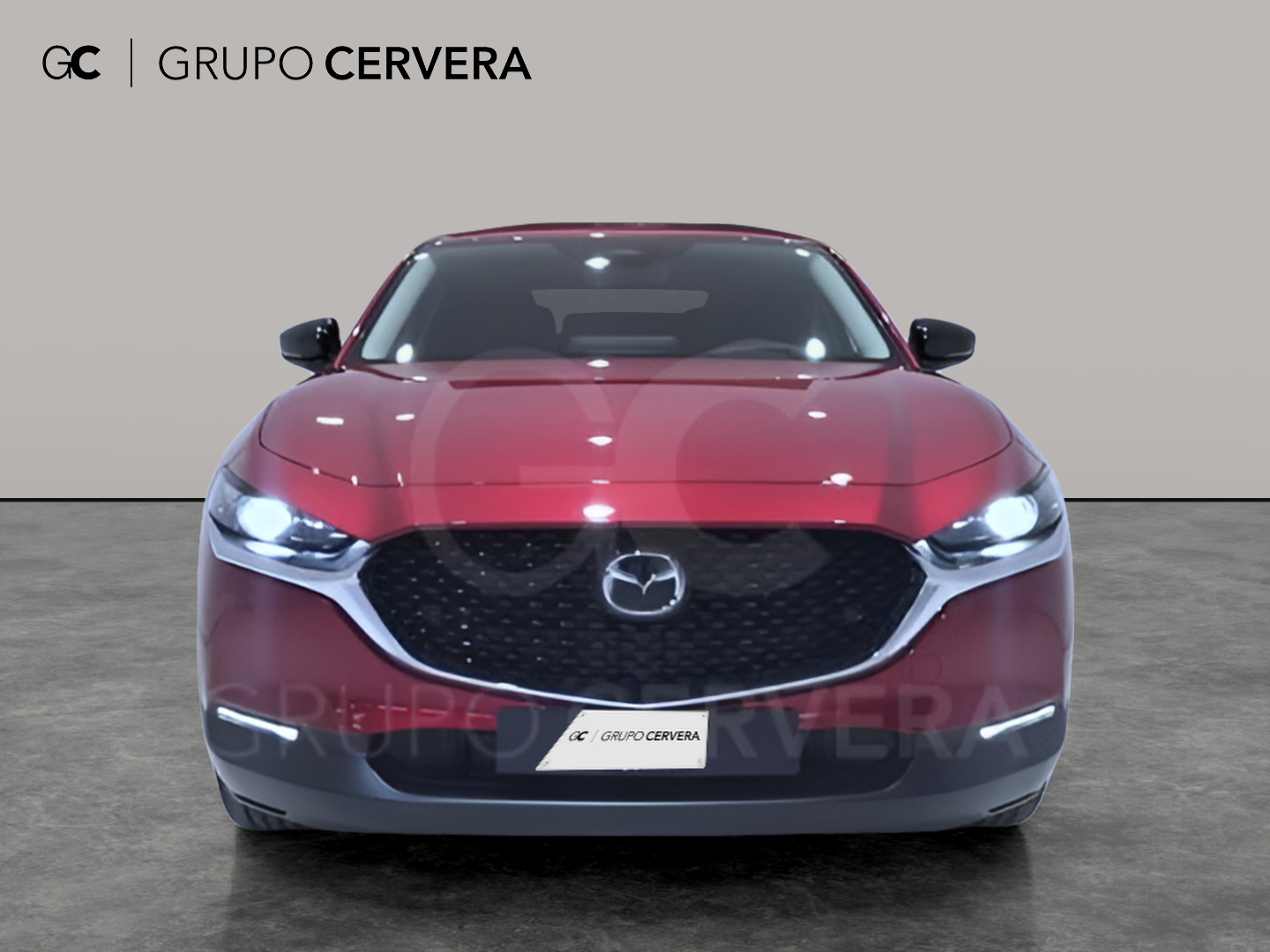
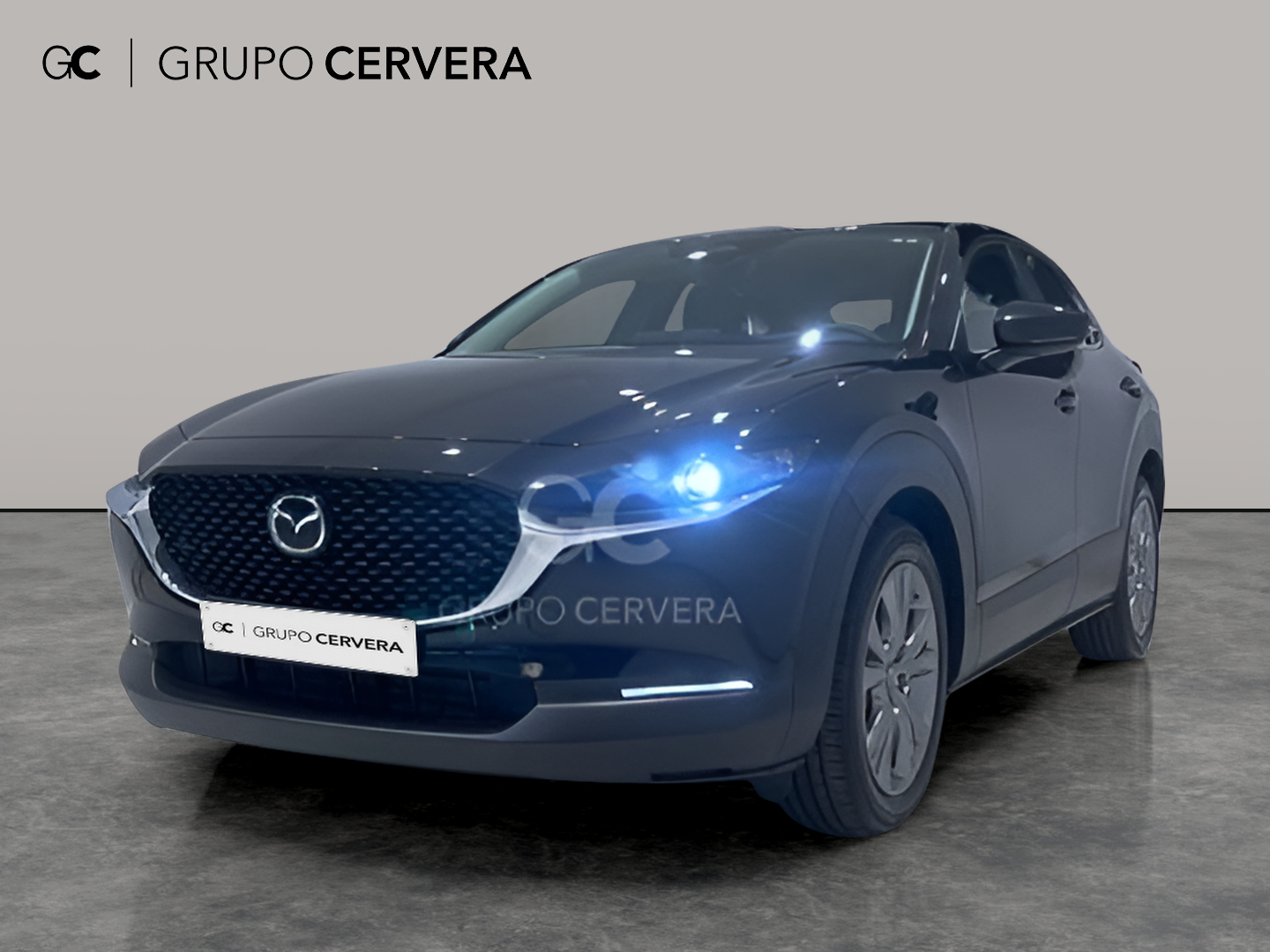
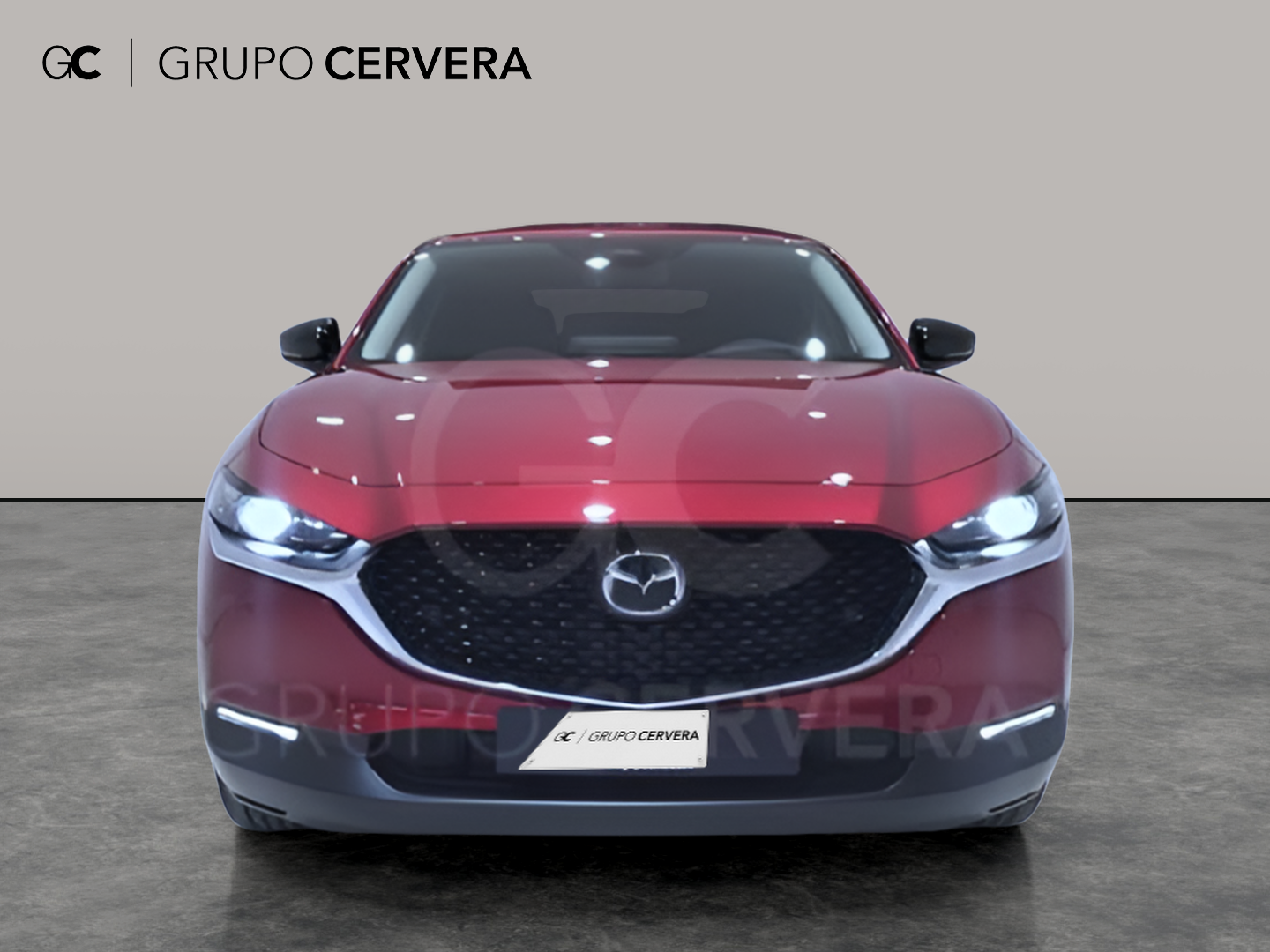
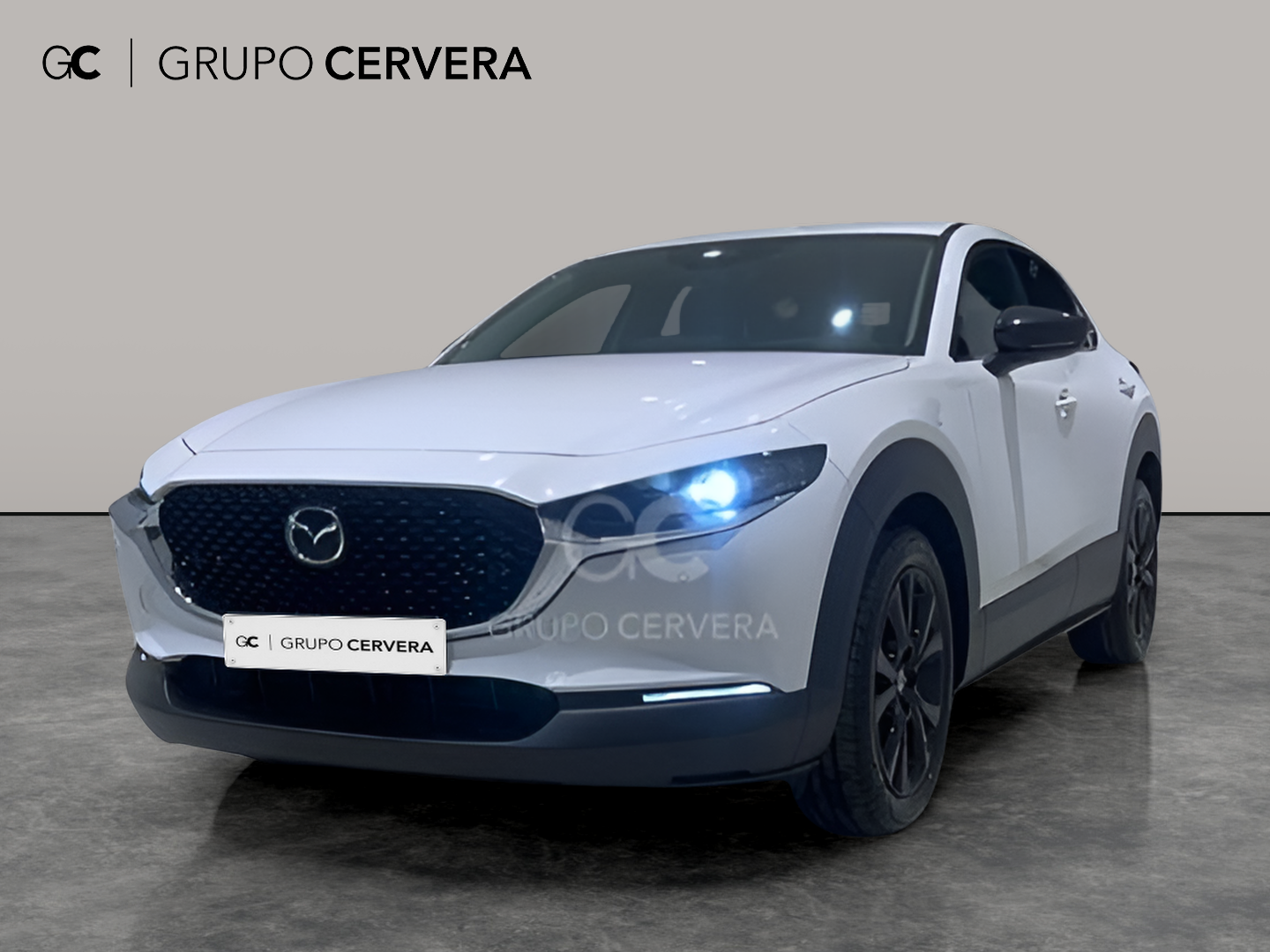
2021, gasoline, automatic, 170K km, Front Wheels Drive, 150 hp

notadir.benni.is
 Iceland
 Iceland
 Spain, Castille and LeónSpain, Castille and LeónSpain, Castille and LeónSpain, Castille and LeónSpain, Castille and LeónSpain, Castille and LeónSpain, Castille and LeónSpain, Castille and LeónSpain, Castille and LeónSpain, Castille and LeónSpain, Castille and LeónSpain, Castille and LeónSpain, Castille and LeónSpain, Castille and LeónSpain, Castille and LeónSpain, Castille and LeónSpain, Castille and LeónSpain, Castille and LeónSpain, Castille and LeónSpain, Castille and LeónSpain, Castille and LeónSpain, Castille and LeónSpain, Castille and LeónSpain, Castille and León
If you are shopping for a Mazda CX-30, the smartest move is not to fall for the first tidy photos or the lowest price. On a model page with a relatively small pool of used listings, your edge comes from building a short, disciplined shortlist fast: which Mazda CX-30 offers deserve a call, which deserve an in-person visit, and which should be skipped before they waste your time.
A good Mazda CX-30 listing usually tells you enough to make an early decision. You want clear exterior photos in daylight, a cabin shown from more than one angle, readable mileage, and at least some maintenance context. If the seller gives you only glamour shots, one-line text, and no useful ownership details, treat that as a weak offer until proven otherwise.
A practical first pass is simple:
That last category matters more than buyers admit. A cheap Mazda CX-30 can still become an expensive mistake if the seller is hiding repair quality, patchy maintenance, warning lights, or document issues behind a low-effort ad.
When several Mazda CX-30 cars for sale look similar on screen, the real difference is often not the mileage figure itself but how well the whole story fits together. Compare mileage with steering wheel wear, seat bolsters, pedal rubber, boot trim, and the general feel of the cabin in photos. A clean listing is not proof of a clean car, but obvious mismatch is a reason to slow down.
Also compare how the seller talks about ownership. A strong private seller often knows when routine work was done, what tires are on the car, whether there are cosmetic flaws, and why the car is being sold. A stronger dealer listing usually includes better image coverage, clearer specification notes, and fewer evasive phrases. If the answer to every question is "come see it" or "everything is fine," move the Mazda CX-30 lower on your shortlist.
One less obvious point in the eu market: buyers often get distracted by equipment names and overlook listing quality. With the Mazda CX-30, trim and options do matter, but only after the fundamentals make sense. A better-kept car with ordinary equipment is often the better buy than a more impressive-looking one with thin history and sloppy presentation.
A phone call is not just for booking a visit. It is where weak Mazda CX-30 offers often reveal themselves. Ask the seller to describe the car without reading the ad back to you. Then ask a few precise follow-ups:
You are not only collecting facts. You are measuring how direct the answers are. Good sellers do not need perfect memories, but they usually speak in a calm, specific way. Hesitation, changing details, or irritation at basic questions can be more useful than any polished photo set.
A Mazda CX-30 is worth seeing when the listing and the conversation support each other. The seller should be able to explain the condition in a way that matches the photos. If there is minor damage, repainting, wheel rash, or a missing service stamp, that does not automatically kill the deal. It just needs to be disclosed clearly and reflected in the overall value of the offer.
At the viewing, avoid the classic mistake of inspecting only the bodywork and then taking a very short drive. Spend time on the basics buyers often rush through: cold start behavior, dashboard lights, infotainment response, air conditioning, gearbox smoothness, brake feel, steering straightness, and any noises over poor surfaces. If possible, let the car idle for a moment after the test drive and look again for warnings, smells, or anything the seller hoped would stay hidden during a quick loop around the block.
A useful editorial rule here: the best Mazda CX-30 to buy is often not the one that feels newest in photos, but the one that feels most coherent in person. Coherent means the documents, the wear, the seller's story, and the driving impression all line up. That is what turns a listing into a proper candidate.
Some used Mazda CX-30 listings are attractive only because buyers imagine they are spotting a bargain before everyone else. Usually, the market has already seen the same weaknesses. Be careful with ads that show fresh cosmetic shine but avoid close interior shots, mention recent import without useful paperwork context, or use language that is broad and defensive rather than informative.
Skip faster when several warning signs stack up: inconsistent mileage story, poor-quality repair hints, missing service evidence, seller unwilling to share the VIN or document details before the visit, or pressure to leave a deposit quickly. None of these alone proves the car is bad, but together they often signal a viewing that will end in wasted time.
Another subtle trap on the Mazda CX-30 page is comparison fatigue. Because the number of available offers may not be huge, buyers can start rationalizing a weak car just to keep the search moving. Resist that urge. A smaller selection does not mean lowering your standards; it means being sharper about what actually earns a place on the shortlist.
When comparing Mazda CX-30 used listings, think in stages. First, eliminate ads that do not tell a believable story. Second, call the sellers who present the car clearly and answer directly. Third, visit only the examples that still make sense after that call. This sounds simple, but it is exactly how you avoid spending weekends driving across the region to inspect cars you should have rejected in five minutes.
The right Mazda CX-30 offer is rarely the one shouting loudest. It is usually the one with enough detail, enough transparency, and enough consistency to make the next step feel easy. If a listing forces you to fill in too many blanks yourself, let it go and compare the next one. That is how a practical shortlist becomes a good purchase decision.
 Add as preferred sourceSee more from zvelta in Google Search Add as preferred source