 EN
DEALER

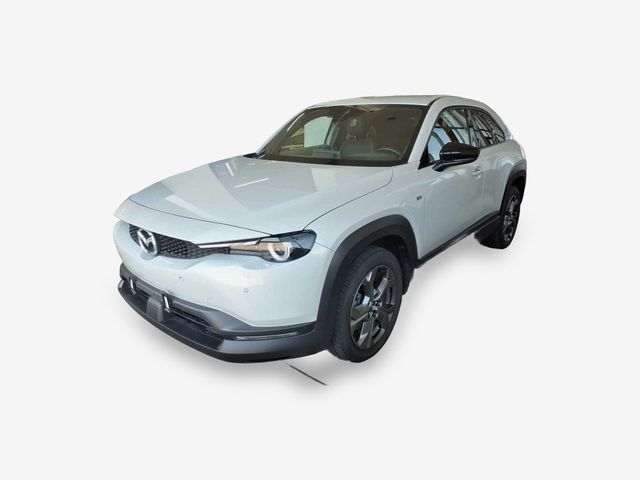
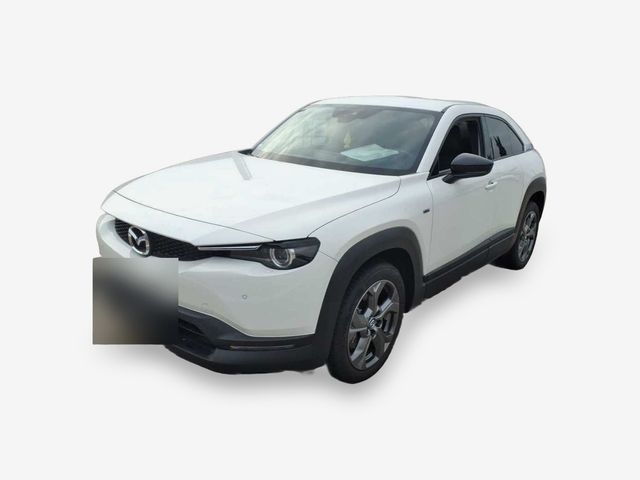
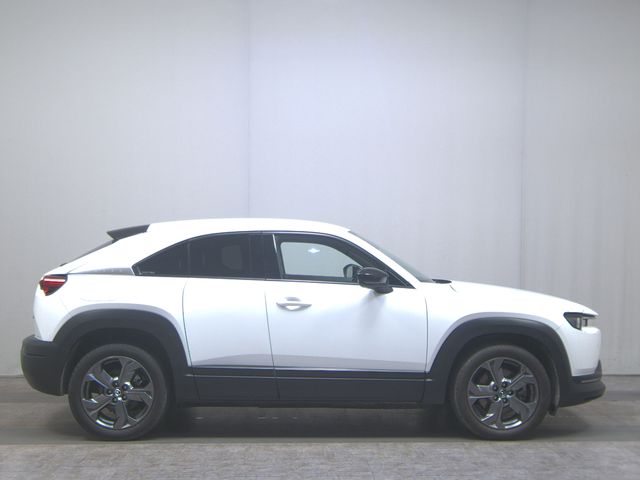
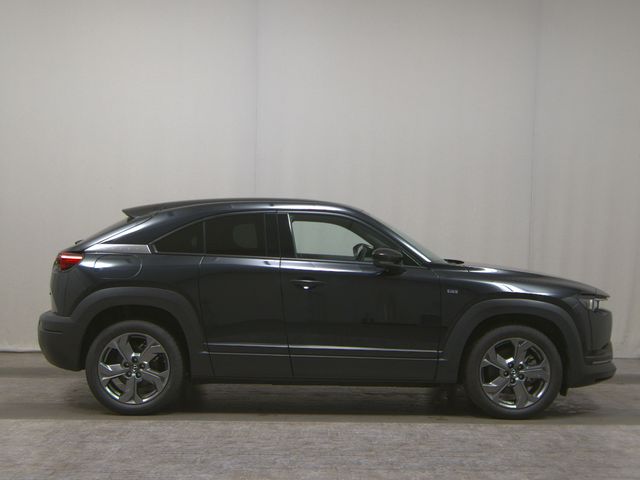
2021, electric, automatic, 72K km, SUV, 145 hp, e-SkyActiv 145 Comf., Used condition, Europa, In stock, sale date 21.10.2026 04:00

CarOutlet.eu
 Netherlands
Auction starts
21 Oct, 04:00
 NetherlandsNetherlandsNetherlandsNetherlandsNetherlandsNetherlandsNetherlandsNetherlandsNetherlandsNetherlandsNetherlandsNetherlandsNetherlandsNetherlandsNetherlandsNetherlandsNetherlandsNetherlands

 Germany, Lower SaxonyGermany, Lower SaxonyGermany, Lower SaxonyGermany, Lower SaxonyGermany, Lower SaxonyGermany, Lower SaxonyGermany, Lower Saxony
If you are looking at a Mazda MX-30, the first useful thing to know is that this is not a model to buy just because one listing happens to be available. On the EU market, limited choice can tempt buyers into relaxing their standards too early. Resist that. A scarce Mazda MX-30 offer can still be a weak offer, and the smartest move is often to compare it against nearby alternatives, ask sharper questions, and be ready to wait if the listing does not make sense.
A Mazda MX-30 can look appealing in photos simply because it is different from the usual shortlist. That is exactly why comparison matters here. When you review a used Mazda MX-30 listing, do not only compare it with another Mazda MX-30. Compare it with other compact crossovers or electrified urban cars in the same price neighborhood, similar age range, and similar mileage band. That helps you judge whether the seller is asking for the model’s appeal, or for real condition, equipment, and ownership quality.
A practical trick: make three columns in your head. In the first, put the exact Mazda MX-30 you found. In the second, place direct alternatives you would honestly buy instead. In the third, place cars you do not love but would accept if the deal were much stronger. This quickly reveals your real compromise line. If the Mazda MX-30 is asking you to accept unclear history, weak photos, or vague answers while alternatives look cleaner, that is your signal to slow down.
On a thin market, weak listings often survive longer because there are fewer direct comparisons. That makes seller discipline even more important. With a Mazda MX-30 for sale, pay attention to how complete the ad feels. Are there clear photos of the exterior from multiple angles, the cabin, the cargo area, wheels, charging-related accessories if included, and the instrument display? Does the description explain ownership history, servicing, recent work, or any damage honestly? Or does it hide behind short phrases and polished pictures?
The less obvious signal is consistency. A careful seller usually presents a car in a way that matches the mileage, wear, and story. If the Mazda MX-30 looks tidy but the text is lazy, or if the claimed condition sounds excellent while the images avoid common wear areas, do not treat that as a minor issue. Thin-detail ads are often where buyers lose time. Before arranging a visit, ask for additional photos in daylight, a cold-start video if relevant to the version, and close-ups of any area you already suspect has been repaired or neglected.
A good phone call should help you decide whether the Mazda MX-30 is worth seeing in person. Keep the questions practical. Ask how long the seller has owned it, whether the car was bought new or imported, whether servicing can be documented, and whether there are any warning lights, cosmetic defects, or pending maintenance items. Ask what is included with the car: keys, manuals, charging equipment where applicable, seasonal wheels or tires if offered, and any recent invoices.
Then ask one question that many buyers skip: why is this specific Mazda MX-30 priced where it is? A serious seller usually has a coherent answer. Maybe the car has strong equipment, exceptionally clean history, or recent maintenance. A vague seller will often repeat the ad back to you. That is useful information. You are not trying to interrogate them; you are checking whether the offer has a real logic behind it.
Not every higher-priced listing is overpriced. Sometimes the better Mazda MX-30 is the one with fuller history, cleaner presentation, more complete equipment, and a seller who answers directly without drama. Buyers often focus too hard on headline price and forget the cost of uncertainty. If one example has transparent paperwork, believable mileage, matching wear, and a seller who is prepared for inspection, paying more can be the cheaper decision.
This is where the model becomes interesting in the EU market. Cars like the Mazda MX-30 often attract buyers who want something a little more distinctive, which means emotional preference can creep into the decision faster than with a generic commuter car. That is fine, but only if you notice it happening. If you find yourself defending a weak listing because you like the design, the badge, or the idea of the car, step back and compare again. The right Mazda MX-30 should still win on evidence, not mood.
With only a small number of available listings, patience becomes part of the buying strategy. Wait if the ad has poor documentation, if the seller avoids direct answers, if the visible condition does not match the asking price, or if you are making excuses for missing information. Also wait if the car is close enough to what you want that you are tempted to ignore a wrong powertrain version, missing equipment, or inconvenient ownership history. Those compromises usually feel larger after purchase than they do during the search.
There is another subtle reason to wait: a lone Mazda MX-30 can distort your sense of market value. When there is only one nearby option, buyers start negotiating with scarcity instead of quality. That is backwards. Scarcity should make you more selective, not less. If the current offer does not pass your basic standards, let it go and keep the model on your shortlist rather than forcing the deal.
Before you commit to any Mazda MX-30, review the listing one last time as if you were advising a friend. Would you tell them the history is clear? The mileage believable? The condition well documented? The seller straightforward? The alternatives honestly beaten? If the answer is yes, the car is probably worth the visit and possibly the purchase. If several of those answers are “maybe,” you do not have a buying opportunity yet — you have a gamble.
The best Mazda MX-30 listing is not automatically the cheapest or the nearest. It is the one that stays convincing after comparison, after questions, and after your initial excitement wears off. That is the standard worth keeping.
 Add as preferred sourceSee more from zvelta in Google Search Add as preferred source