 EN
ENDEALER


CarOutlet.eu
 Belgium
Auction starts
12 Oct, 02:45
 BelgiumBelgiumBelgiumBelgiumBelgiumBelgiumBelgiumBelgiumBelgium
 NetherlandsNetherlandsNetherlandsNetherlandsNetherlandsNetherlands
 FranceFranceFranceFranceFrance

 Germany, Lower SaxonyGermany, Lower SaxonyGermany, Lower SaxonyGermany, Lower SaxonyGermany, Lower Saxony
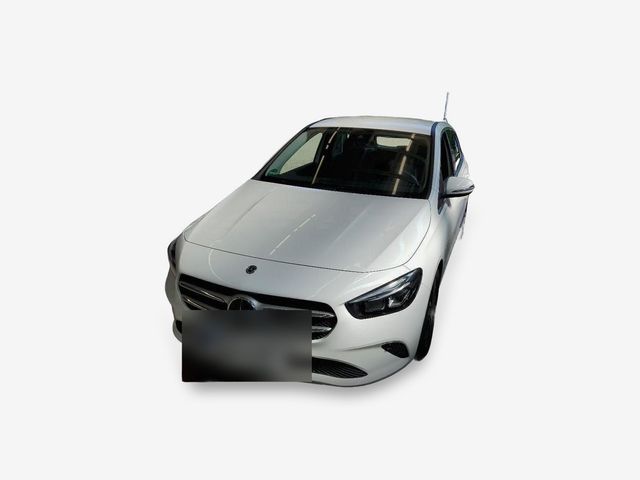
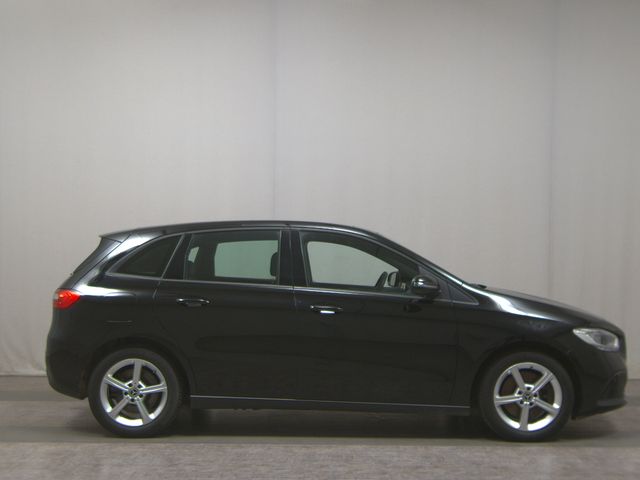
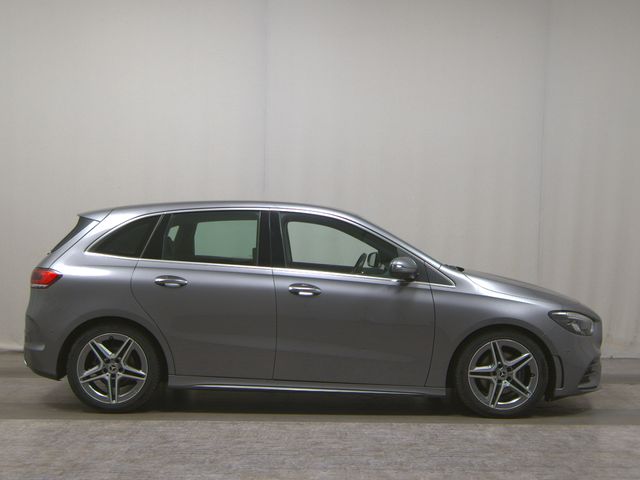
If you are looking at a Mercedes-Benz B-klasse, the smartest move is not to start with the cheapest listing. Start by deciding which ads deserve your time. On this model, a tidy, well-explained car with believable mileage, clear photos, and a seller who answers directly is usually worth more attention than a bargain offer with missing details. In the EU market, where listings can vary a lot in history, equipment, and presentation, the real skill is building a shortlist fast: which Mercedes-Benz B-klasse cars are worth calling about, which are worth seeing in person, and which should be skipped before you get emotionally attached to the price.
A good Mercedes-Benz B-klasse listing should make the next step easy. You want enough information to judge whether the seller understands the car and whether the ownership story makes sense. Look for a consistent description, not just polished photos. A useful ad usually mentions service history, recent maintenance, transmission type, major equipment, and anything imperfect that the seller is willing to admit. That last part matters more than many buyers think. A seller who openly mentions cosmetic wear, a missing second key, or a small interior flaw often feels more trustworthy than one who writes almost nothing and expects the badge to do the work.
Before calling, compare the basics side by side: mileage, registration year, body condition, wheel and tire condition visible in photos, dashboard warning lights, seat wear, and whether the interior matches the claimed use. With the Mercedes-Benz B-klasse, practical family use is common, so some wear is normal. What should make you cautious is mismatch: low claimed mileage with a tired steering wheel, fresh seat covers hiding heavy use, or photos that avoid close-ups of the driver area.
This is where buyers often lose discipline. A lower-priced Mercedes-Benz B-klasse can look like an easy win because the model itself sits in a sensible, practical corner of the premium market. But that same logic attracts weak ads: cars priced to trigger a quick message before you notice the gaps. If the listing is vague about maintenance, shows poor-quality photos, or uses generic phrases without specifics, treat the price as an invitation to investigate, not a reason to rush.
A less obvious clue is how the seller talks about ownership costs. The strongest listings usually do not oversell the car as “perfect.” Instead, they sound matter-of-fact. On a Mercedes-Benz B-klasse, that tone is valuable because many buyers are not chasing excitement here; they are looking for a compact Mercedes-Benz that is easy to live with, easy to park, and still pleasant for daily use. Sellers who understand that tend to present the car like a real household decision, not a fantasy purchase. That usually leads to better conversations and fewer surprises.
A Mercedes-Benz B-klasse deserves an in-person visit when three things line up: the documents appear coherent, the condition looks honest, and the seller communicates clearly. Ask for a photo of the service book or maintenance invoices if they are not already shown. Ask whether there are any current faults, warning lights, gearbox issues, uneven tire wear, or recent repairs that changed how the car drives. You are not only checking the answers; you are checking whether the seller answers like an owner who knows the car.
For the visit itself, keep the inspection practical. Does the cabin feel cared for or merely cleaned for sale? Do panel gaps, paint finish, and glass markings look consistent? Does the engine start cleanly from cold? On the test drive, pay attention to visibility, seating comfort, steering feel at city speeds, braking straightness, and how calmly the car behaves over rough urban surfaces. The Mercedes-Benz B-klasse is often shortlisted by buyers who value everyday usability, so minor annoyances matter. A fiddly control, a noisy suspension, a hesitant transmission response, or neglected climate control may be more important here than they would be on a weekend car.
Try questions that are hard to dodge with generic answers. Why is this Mercedes-Benz B-klasse being sold now? How long has the seller owned it? What has been done in the last 12 months? Are there two keys? Are all functions working, including infotainment, parking aids, air conditioning, seat adjustments, and folding mechanisms? Has the car spent long periods unused? Is there finance to clear, or any registration issue that could delay transfer?
If the answers are quick, specific, and consistent with the listing, that is a good sign. If every question gets a vague “all good, come see,” the car may still be fine, but it has not earned priority. When there are only a limited number of Mercedes-Benz B-klasse cars for sale across the EU market, buyers sometimes start excusing weak ads because the choice feels narrow. That is exactly when discipline helps most. A small pool should make you compare more carefully, not compromise faster.
The interesting thing about the Mercedes-Benz B-klasse is that people rarely search for it by pure desire alone. They usually arrive here after comparing hatchbacks, compact MPVs, or other practical premium-leaning options and deciding they want space, easier entry, and a more upright everyday driving position without moving into a larger vehicle. That search behavior matters because it changes what a good listing looks like. On this page, the best offer is not automatically the most eye-catching one. It is the one that makes sense for normal life: clear history, believable use, decent care, and equipment that matches how you will actually drive.
So build your shortlist in layers. Call first on the Mercedes-Benz B-klasse listings with complete descriptions, honest photos, and a seller who sounds organized. Visit next the cars whose service story and visible condition support the asking price. Skip early any offer that relies only on a low number, avoids document questions, hides the interior, or seems allergic to detail. That approach may feel less exciting than chasing the cheapest ad, but it is usually how buyers end up with the better car.
 Add as preferred source