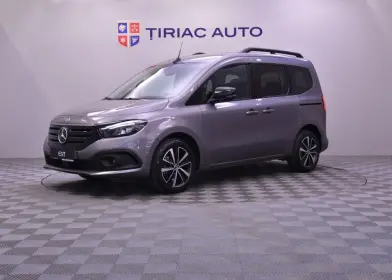
 EN
ENDEALER
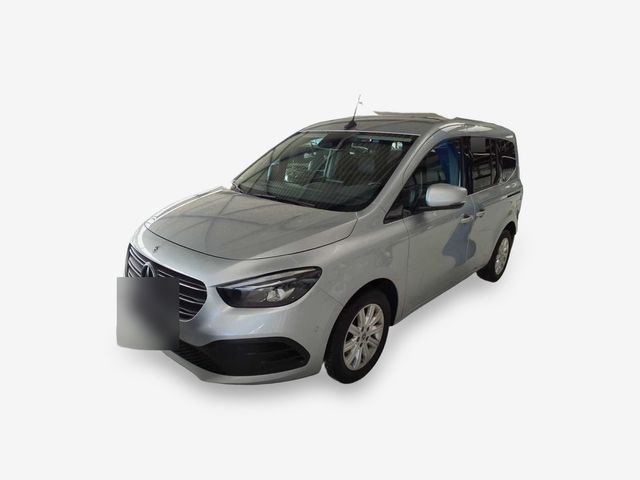
€19,880DEALER
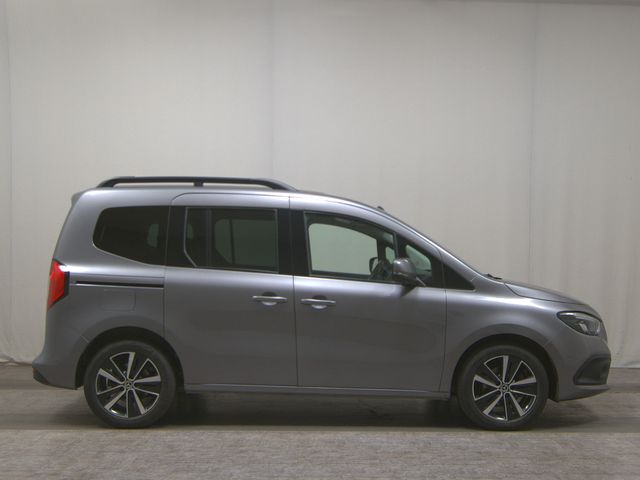
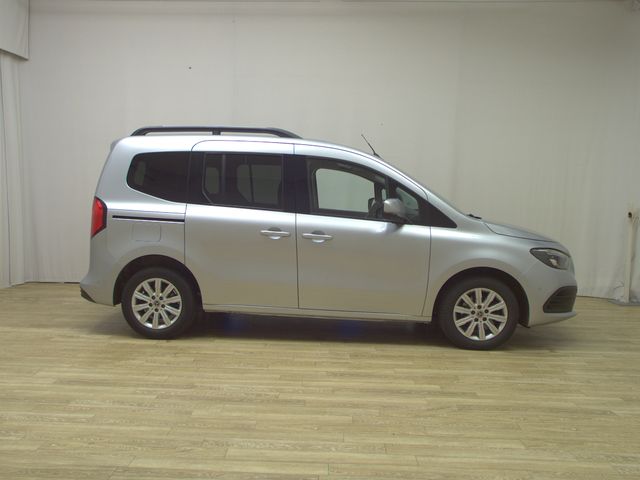
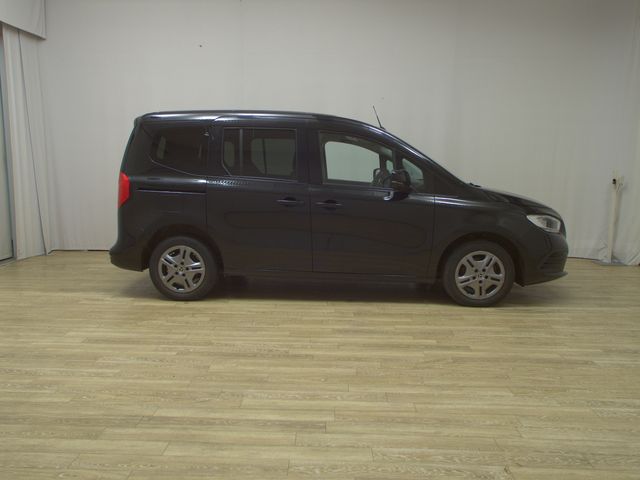
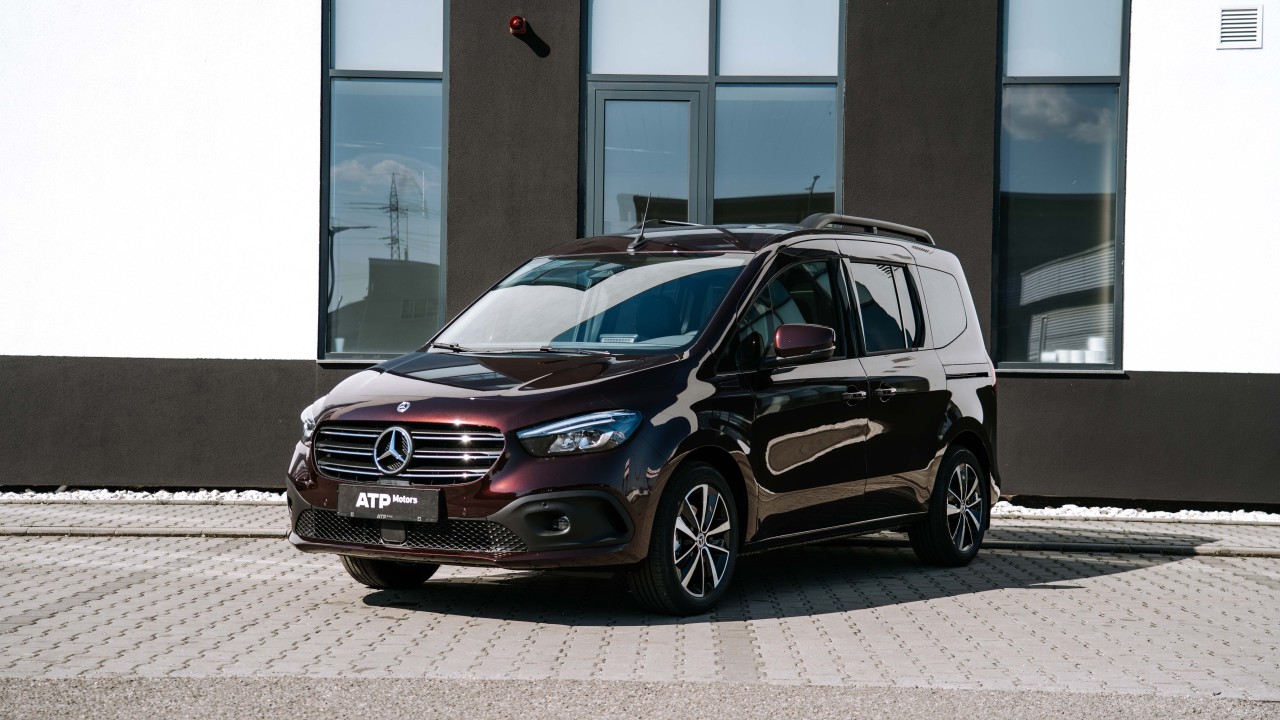
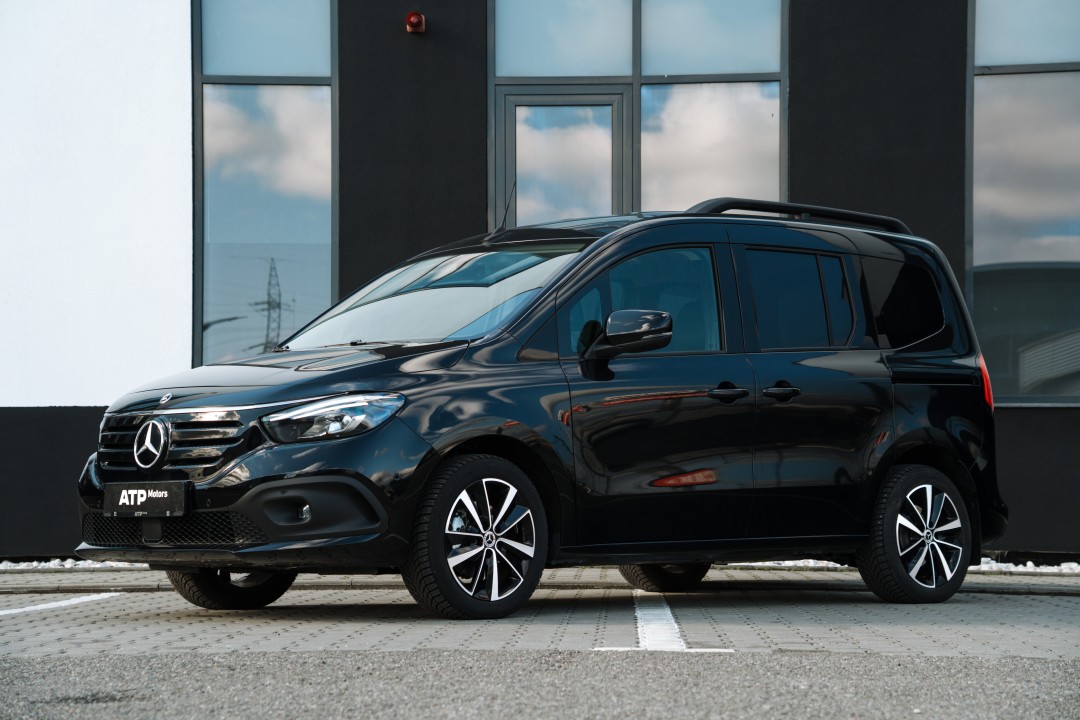
2022, diesel, automatic, 59K km, VAN, 116 hp, silver, T 180 d, Used condition, In transit

AutoHus.de
 Germany, Lower Saxony
 Germany, Lower SaxonyGermany, Lower SaxonyGermany, Lower SaxonyGermany, Lower Saxony
 Romania, MaramureşRomania, Maramureş
 Romania, ClujRomania, Cluj
 RomaniaRomaniaRomania
The smart way to shop for a Mercedes-Benz T-Klasse is to treat it less like a badge purchase and more like a packaging decision. On paper, this model can look straightforward: practical shape, family-friendly access, and a premium name. In real listings, though, the gap between a well-kept Mercedes-Benz T-Klasse and a lazy offer can be wider than expected. That is why your first job is not to fall for the nicest exterior photo, but to compare how each seller presents the car, what they choose to mention, and what they quietly leave out.
A Mercedes-Benz T-Klasse usually attracts buyers who want usable space without stepping into a much larger vehicle. That changes how you should read the market. You are not only comparing mileage, year, and price. You are also comparing use history. Was the car mainly a family shuttle, a light business tool, or simply chosen because sliding doors made everyday life easier? The answer can influence wear in ways a listing title never will.
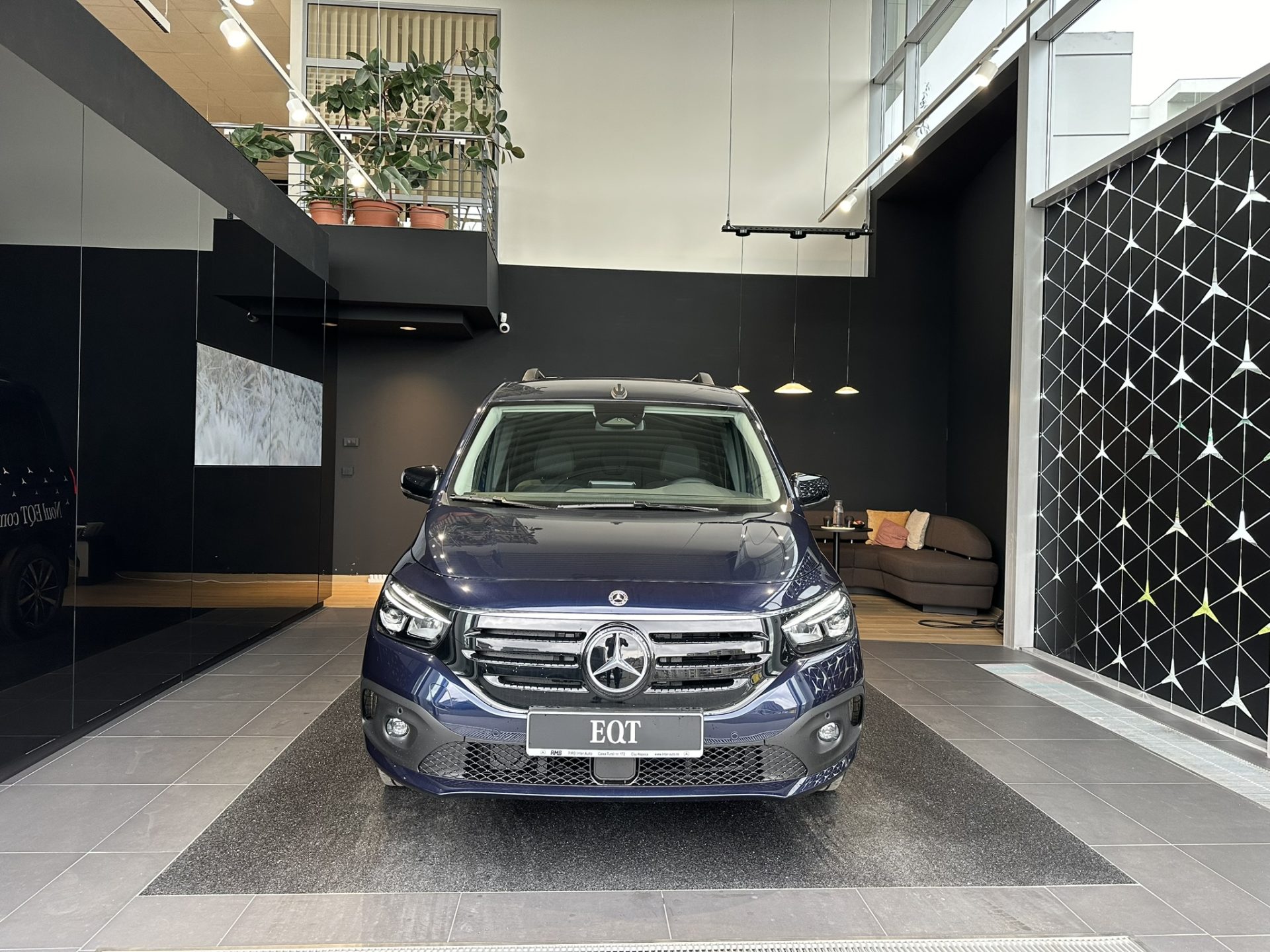
When you scan used Mercedes-Benz T-Klasse cars for sale in the EU market, focus on the practical details first. Look at seat condition, luggage area trim, door tracks, loading lip wear, and whether the interior looks evenly used or oddly tired for the claimed mileage. A model like this can age honestly, but it also shows careless ownership quickly. If one car has modest mileage yet heavily marked rear plastics and tired upholstery, ask yourself whether the odometer story and the visible story match.
This is where seller signals matter more than many buyers admit. A serious Mercedes-Benz T-Klasse listing often has clear daylight photos, simple wording, and enough documentation references to make you feel the seller expects real questions. A weak listing usually tries to replace substance with noise: dramatic claims, blurry angles, cropped interior shots, or phrases that sound polished until you notice they say almost nothing.
Look for small clues. Do the photos show both sides, the wheels, the tailgate opening, rear seats, dashboard, and the load area? Are there close-ups of wear points rather than only flattering three-quarter shots? Does the text mention service history in a usable way, or only vague reassurance? “Maintained” is less helpful than “last service noted at X mileage” or “invoices available.” If the seller mentions recent work, ask what exactly was done and whether paperwork matches it.
Response style matters too. A good seller usually answers directly: ownership length, reason for sale, last maintenance, number of keys, and whether any cosmetic or functional issues should be expected. A poor seller often dodges with “everything is fine” or keeps repeating the ad. With a Mercedes-Benz T-Klasse, that difference is valuable, because buyers often assume the premium badge guarantees careful ownership. It does not. The listing behavior is sometimes a better preview of the viewing than the badge on the grille.
One easy mistake with the Mercedes-Benz T-Klasse is overvaluing trim language and undervaluing real-world fit. Before you contact anyone, decide what matters in your daily use: easy child-seat loading, flexible rear space, visibility, comfort features, parking convenience, or long-trip calm. Then compare listings around those priorities.
A cleaner, better-documented Mercedes-Benz T-Klasse with sensible equipment can be the stronger buy than a higher-specced one with patchy history and rushed presentation. If you are browsing multiple EU offers, try to group them into three buckets: cars that seem ready to inspect, cars that need more explanation, and cars that already feel defensive or incomplete. This helps you avoid wasting time on listings that are unlikely to improve once you call.
There is also a subtle market behavior worth noting. Practical Mercedes models can attract two different shoppers at once: people who genuinely need the layout, and people who mostly want the badge in a cheaper format. That mix sometimes creates odd pricing logic in used listings. When a Mercedes-Benz T-Klasse is advertised with strong confidence but thin evidence, be careful. The seller may be leaning on the emblem more than on the car’s actual condition, history, or equipment.
A short call can save a long trip. Ask whether the service history is stamped, invoiced, digital, or partial. Ask if both keys are present. Ask whether the sliding doors, infotainment, climate functions, parking aids, and folding seat mechanisms all work as expected. Ask whether any body panels have been repainted, not because repainting automatically kills a deal, but because the answer tells you a lot about the seller’s honesty.
If the seller says the Mercedes-Benz T-Klasse is “like new,” ask what signs of use are actually visible. If they say “full history,” ask where it can be seen. If they mention recent import or registration details, ask which documents will be handed over at sale and whether there are any pending administrative steps. For a practical family-oriented model, these questions are not fussy; they are basic filtering.
Another useful test is to ask the seller to send one or two extra photos: cargo area floor, rear seat backs, wheel close-ups, or the driver’s seat bolster. A cooperative seller usually sends them quickly. A reluctant one may reveal more through delay and excuses than through the original listing itself.
The best Mercedes-Benz T-Klasse offer is rarely the one that tries hardest to impress you. It is the one where the condition, description, and seller behavior line up. You want a car that makes sense as a whole: believable mileage, normal wear, coherent maintenance story, and equipment that fits the asking position in the market.
Before you commit to a viewing, compare at least a few listings side by side and write down what each one proves rather than what it claims. Proven: visible condition, document references, detailed answers, consistent photos. Claimed: excellent condition, perfect car, top maintained, no issues. That simple distinction can sharpen your judgment fast.
In the EU market, where used Mercedes-Benz T-Klasse listings may vary a lot in presentation and ownership history, patience helps more than speed. A careful buyer usually wins by rejecting vague offers early, then spending time on the one seller who is open, specific, and easy to verify. When that happens, the Mercedes-Benz T-Klasse becomes exactly what it should be: a practical choice that feels considered, not compromised.
 Add as preferred sourceSee more from zvelta in Google Search Add as preferred source