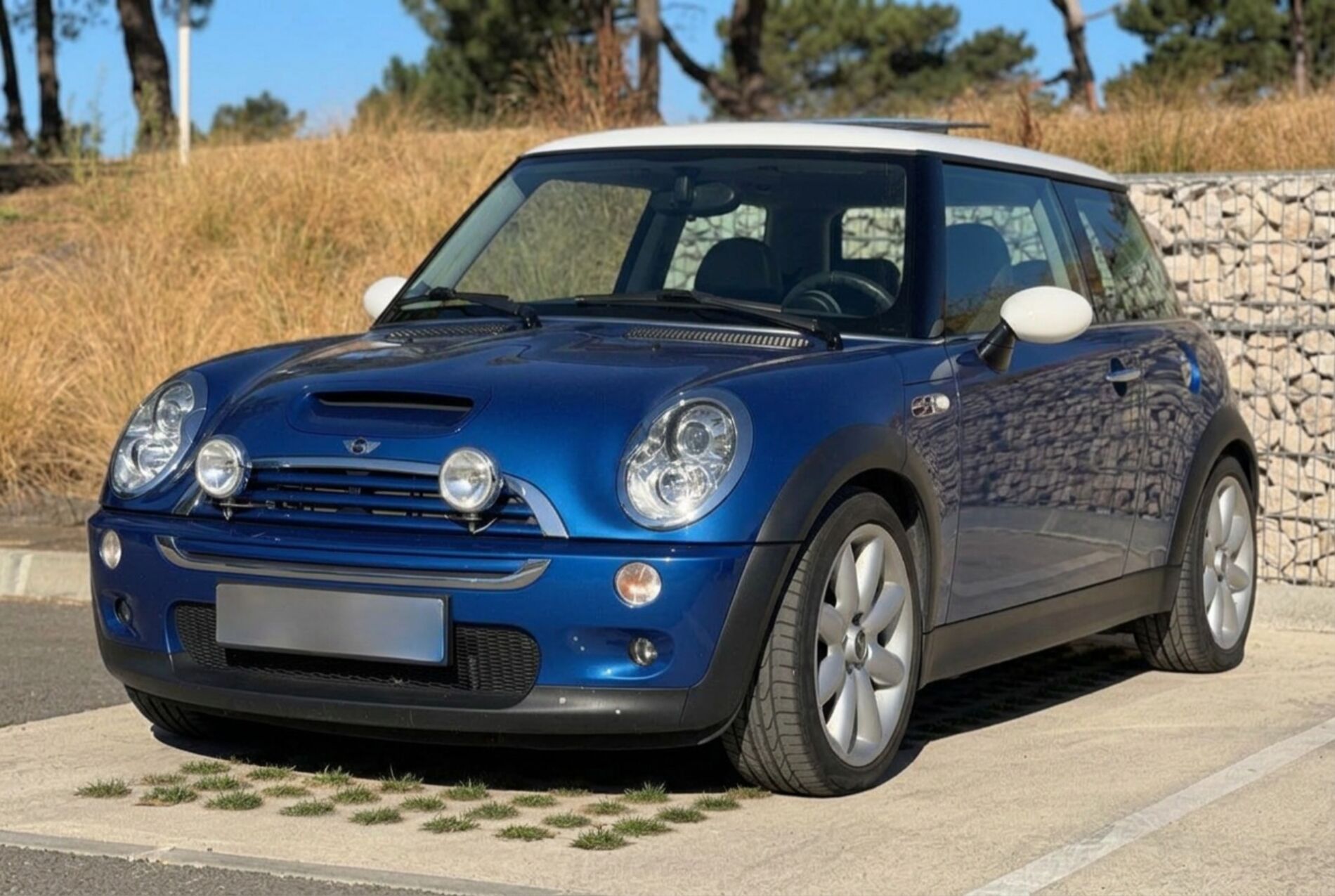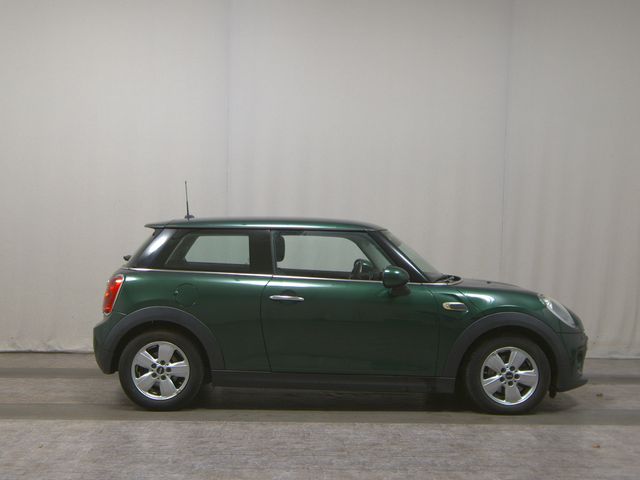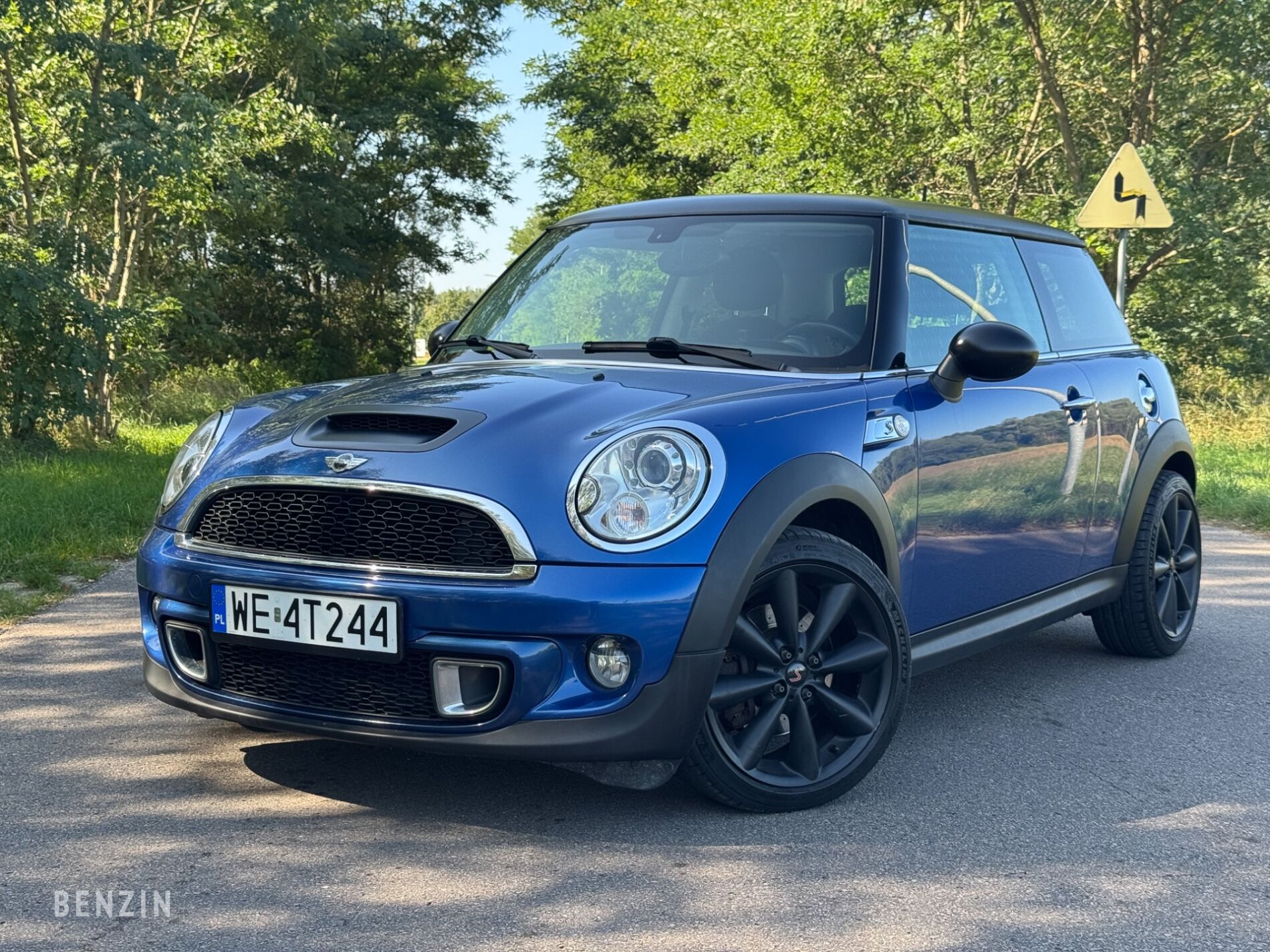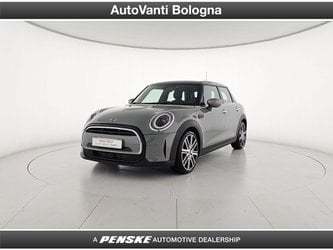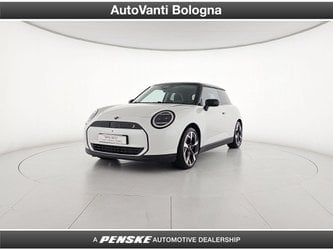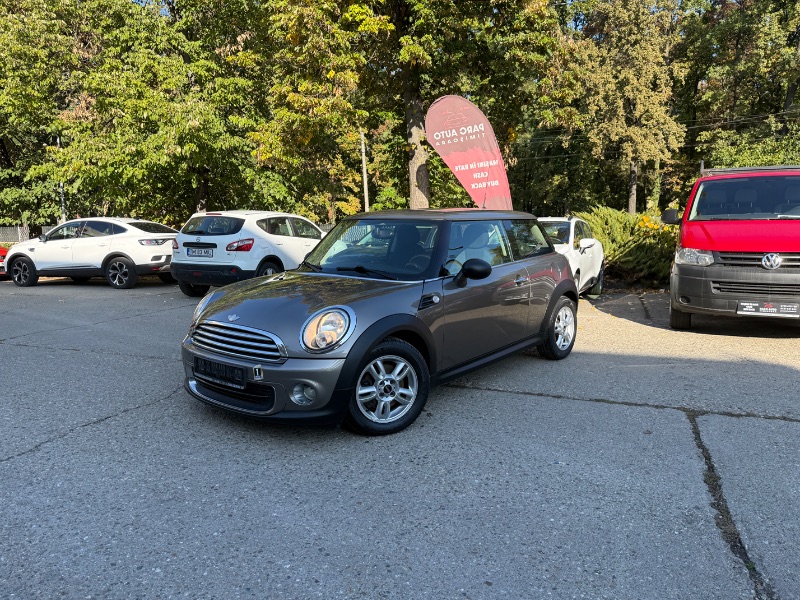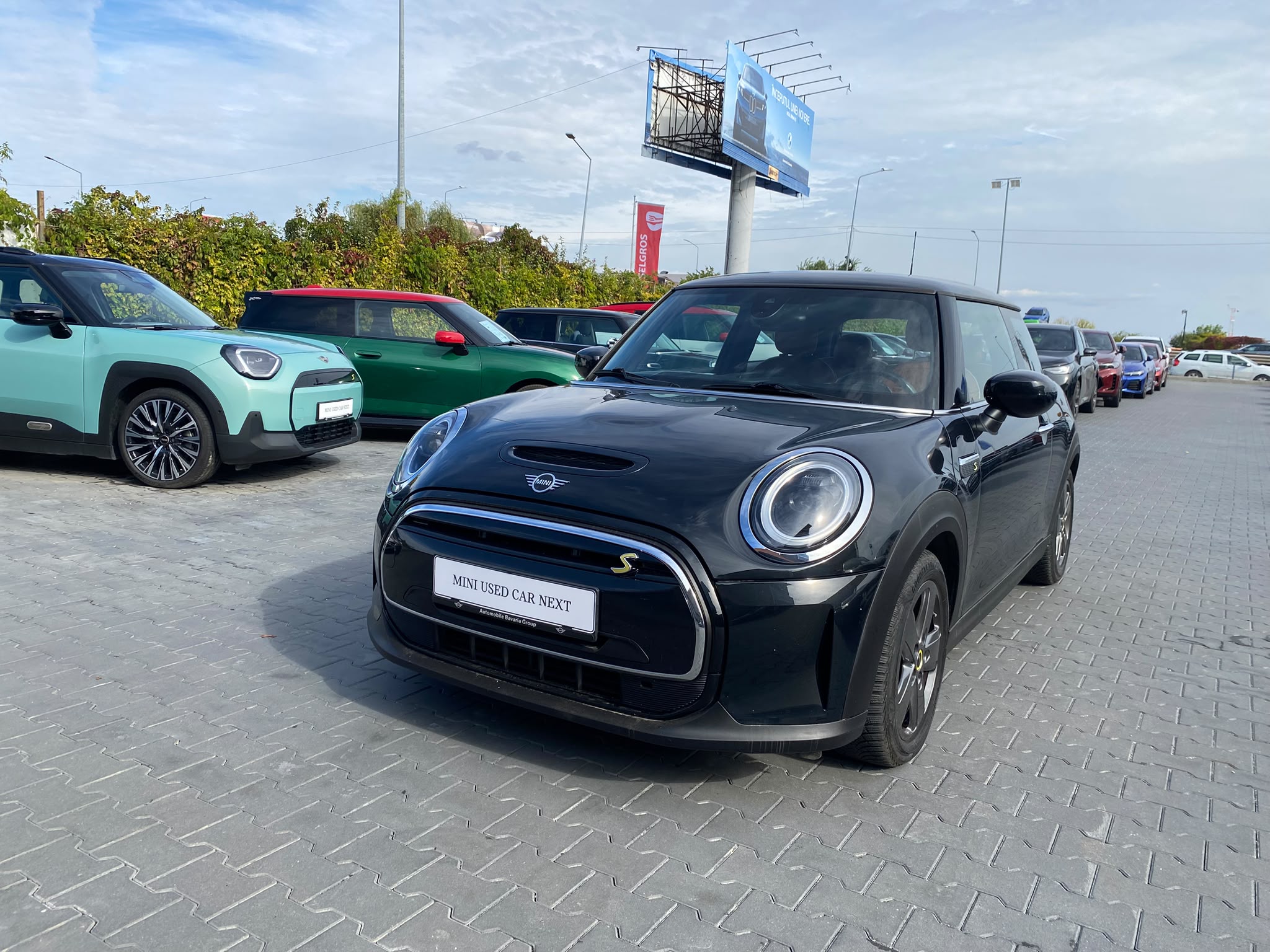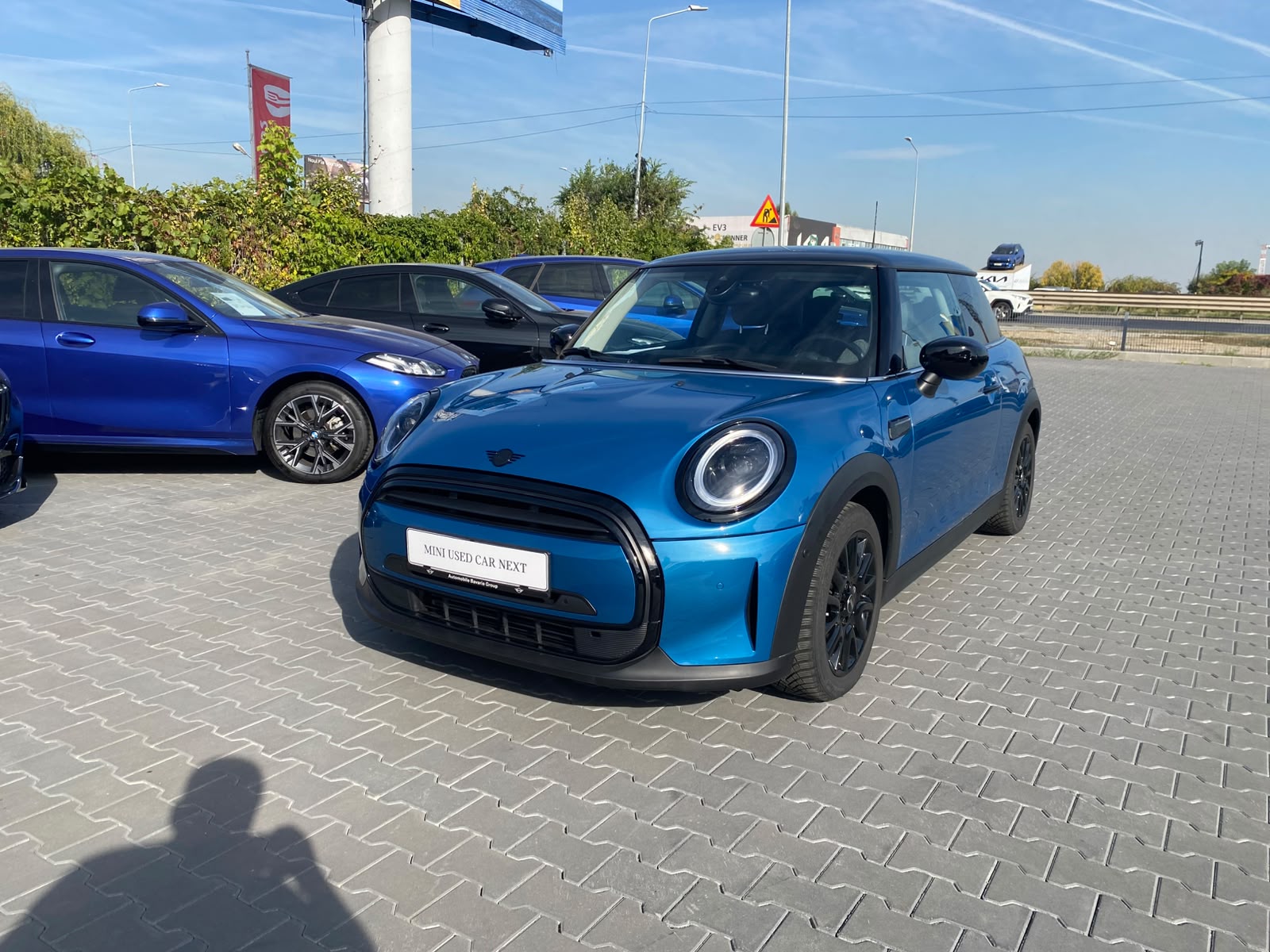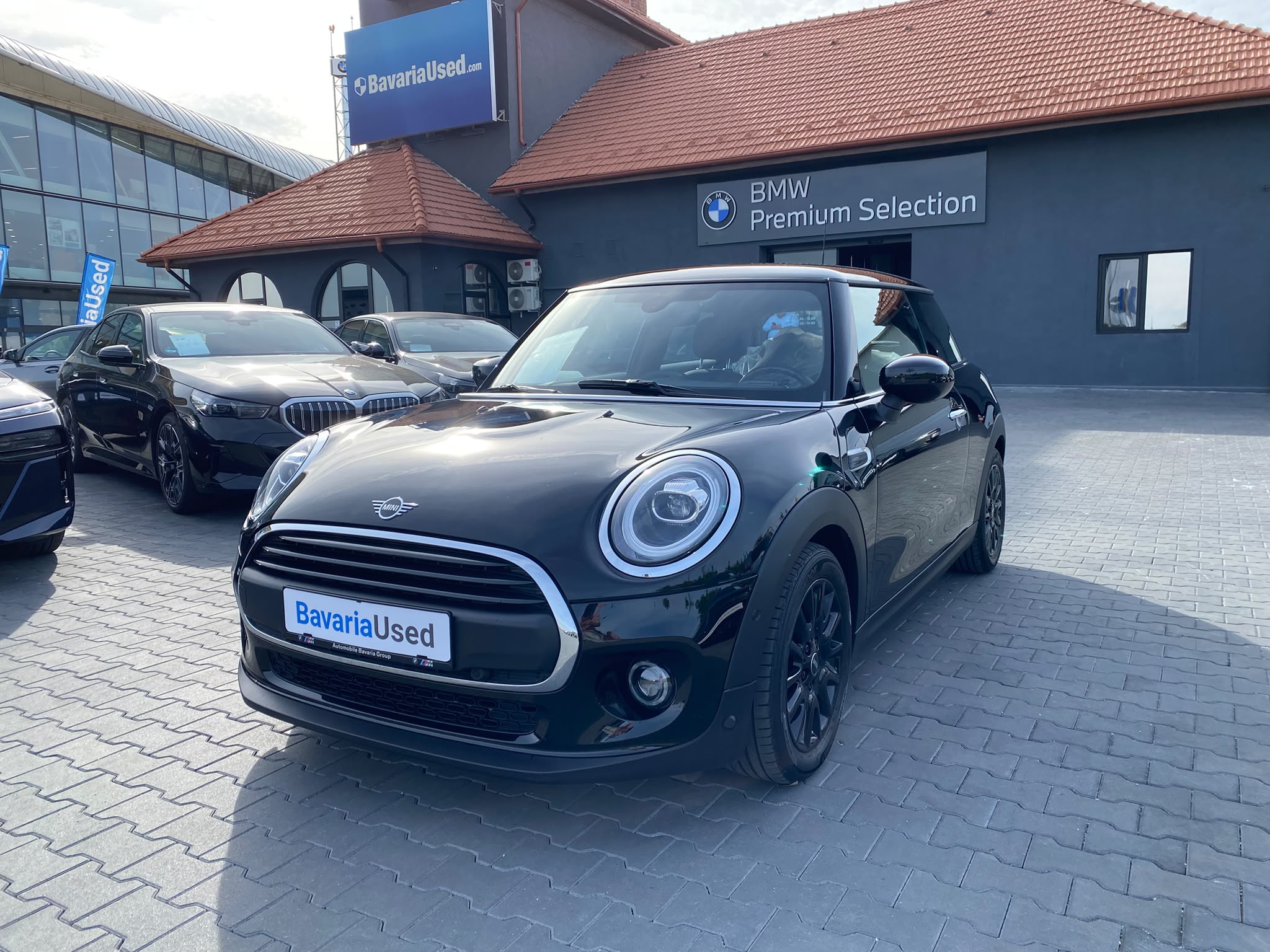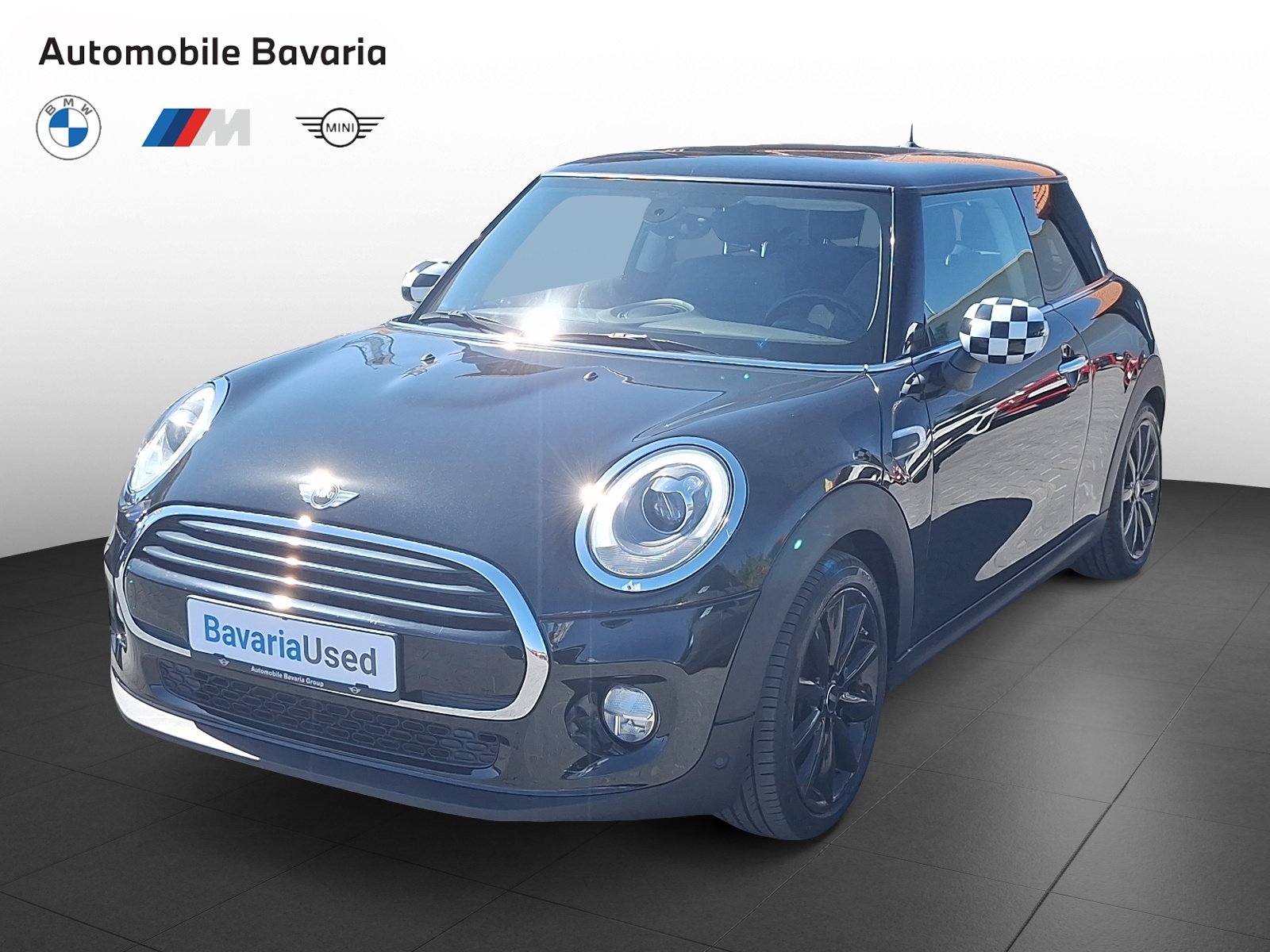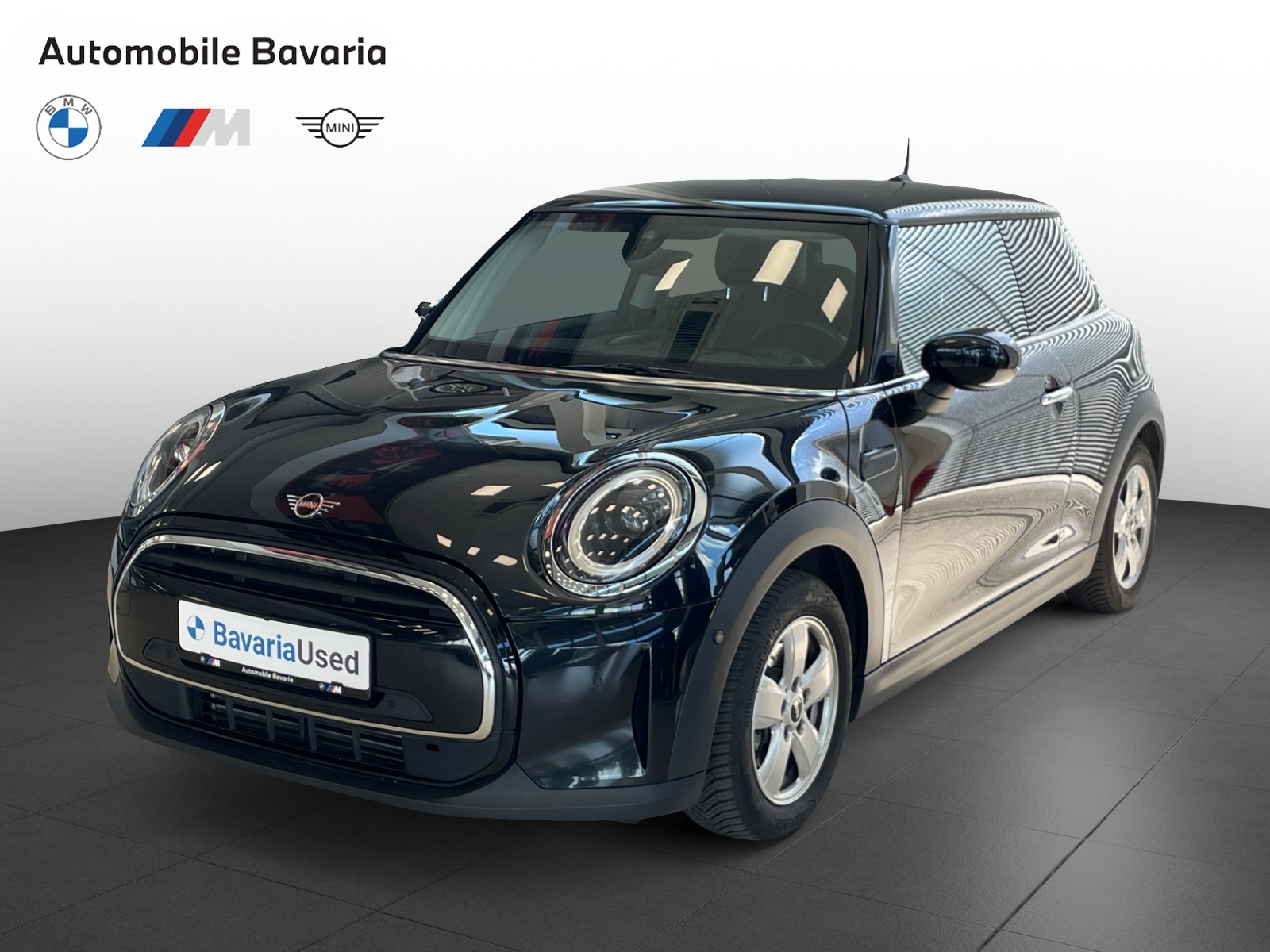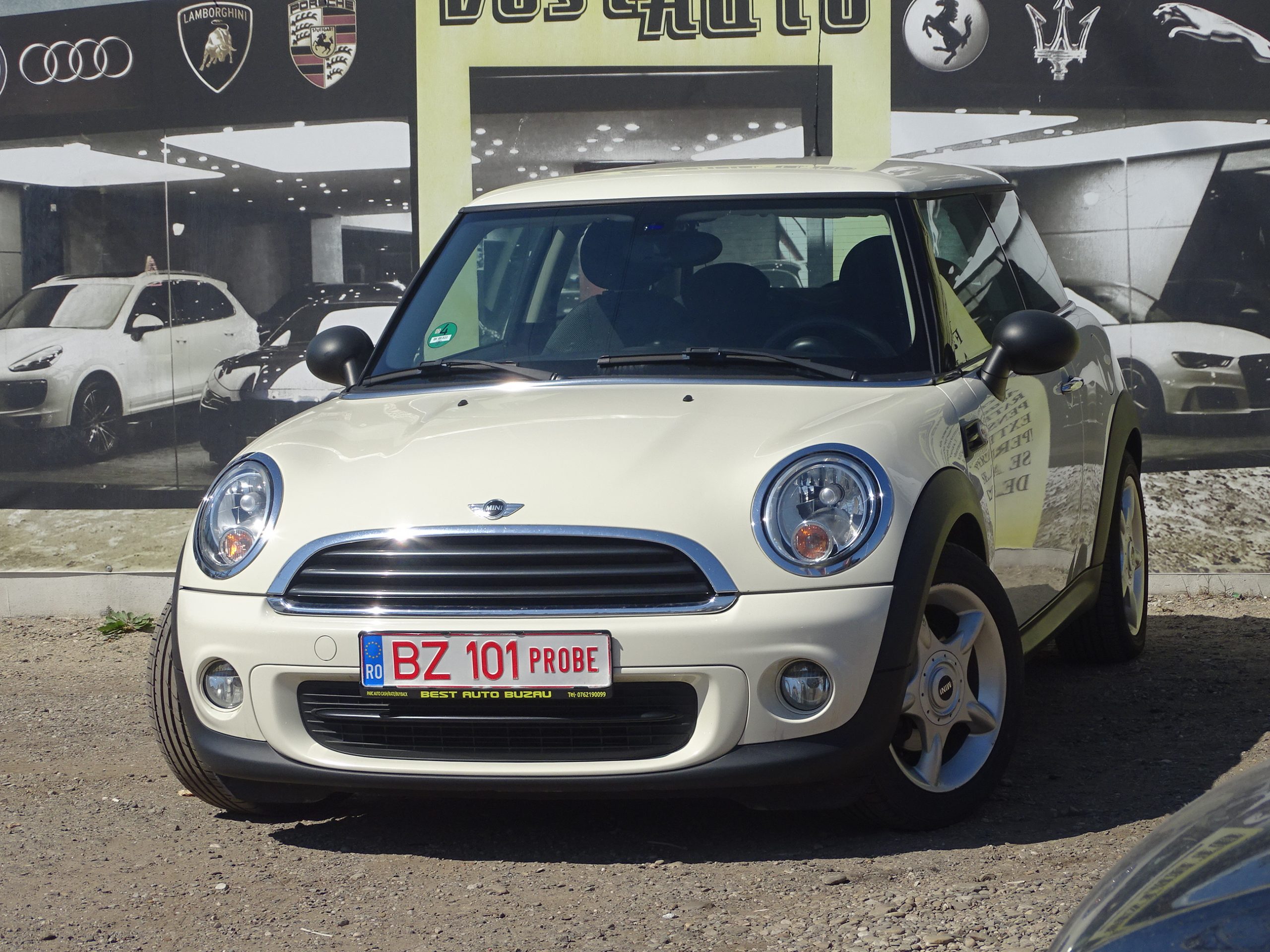


A MINI Hatch can look like an easy yes: stylish photos, tidy mileage, a tempting price, and a seller who says it has been “well maintained.” In the European market, that first good-looking listing is often exactly where buyers get rushed into a weak decision. Supply can be limited, the best and worst cars may sit far apart, and a polished ad does not always mean a transparent seller. With only a small number of active offers at a time, the right approach is not to fall in love with one car too early. It is to compare the shape of the market before you compare paint colors.
That matters even more with the MINI Hatch because people rarely shop for it as a purely rational appliance. They want the look, the feel, the compact size, and a bit of personality. That emotional pull is real, but it should make you slower, not faster. A charming MINI Hatch with patchy history, vague ownership details, or suspiciously selective photos can cost far more than a slightly less photogenic example with clearer paperwork and better evidence of care.
Read the listing like a buyer, not a fan
Start by comparing several MINI Hatch listings side by side before contacting anyone. Look for how the seller describes ownership, maintenance, and everyday condition. Strong listings usually mention recent work in plain language, show the cabin as well as the exterior, and include enough detail that you can imagine the car being inspected without surprises. Weak listings often hide behind short phrases like “runs perfect” or “no investment needed” while avoiding the actual history.
Photos tell you a lot. If a MINI Hatch is shown beautifully from three exterior angles but there are no close shots of the seats, steering wheel, boot, tires, or dashboard, ask yourself what is being skipped. If the mileage seems modest, interior wear should make sense alongside it. If the car is presented as carefully owned, check whether the small details support that story: matching tires, clean trim, consistent panel gaps in photos, and an engine bay that looks used but not freshly dressed for sale.
The questions that separate good offers from pretty ones
Before arranging a viewing, send a short message or call with specific questions. Ask how long the seller has owned the MINI Hatch, why it is being sold, whether there is service documentation, and what work was done recently. Ask whether any warning lights appear, whether there are known faults the next owner should budget for, and whether the car has had accident repairs or repainting. You are not trying to interrogate the seller; you are testing clarity.
A useful trick with a MINI Hatch is to ask the seller what, in their view, makes this example better than other MINI Hatch listings. Honest private sellers often answer naturally and reveal a lot. Weak sellers tend to become evasive or repeat the ad. If someone cannot explain the car beyond “come see it,” there is a fair chance the listing is stronger than the car.
Why distance changes the buying logic
Across the eu market, distance can distort judgment. A buyer may see one appealing MINI Hatch a few hours away and start justifying small concerns because the trip feels like an investment already. Try to resist that. Travel time should never upgrade a mediocre car into a good one. If documents are unclear, photos are outdated, or service history is described vaguely, keep comparing listings rather than convincing yourself the journey means the car must work out.
This is one of those models where search behavior can mislead buyers. People often narrow their shortlist too early by color, wheels, or trim details, then overlook the boring factors that decide ownership quality. With a MINI Hatch, the less glamorous listing with a calmer seller and a fuller maintenance story can easily be the smarter buy than the more fashionable car with better photos and less substance. In a thin market, patience often beats excitement.
What to inspect when you finally go see one
When you view a MINI Hatch, pay attention to consistency. Does the condition match the story in the ad? Do the keys, documents, service records, and visible wear all point in the same direction? Check the bodywork in natural light, look for signs of uneven repair, inspect wheels and tires, and spend real time inside the cabin. Test every everyday function you care about rather than assuming it works because the car starts and drives.
On the test drive, focus less on whether the MINI Hatch feels fun for five minutes and more on whether it feels coherent. Listen for noises that appear over rough surfaces, pay attention to steering feel, braking behavior, and gearbox response, and see whether the engine pulls cleanly without drama. A short enthusiastic drive can hide a lot; a calm, observant drive usually reveals more.
Compare the seller as much as the car
A good MINI Hatch offer is often attached to a good seller. That sounds obvious, but many buyers still evaluate only mileage, year, and price. Seller behavior matters. Clear answers, willingness to share the VIN or registration details for checking, realistic discussion of flaws, and flexibility about an independent inspection are all positive signals. Pressure, selective memory, or irritation at normal questions are not.
If you are comparing used MINI Hatch cars for sale and two examples seem close on paper, the tie-breaker should often be documentation and seller transparency, not cosmetic appeal. The right car is the one you can understand. The wrong one is usually the one you have to rationalize.
When to walk away and keep searching
Walk away from a MINI Hatch if the story keeps changing, the service history cannot be explained, visible wear conflicts with the stated mileage, or the seller wants commitment before basic checks are done. Also be careful with listings that look aggressively priced but offer little proof of condition. Cheap can be fair, but cheap and vague together usually deserve distance.
The best way to buy a MINI Hatch in Europe is to stay practical while enjoying what makes the model appealing in the first place. Compare several listings, ask sharper questions, and let transparency win over charm. When a MINI Hatch is right, it usually feels convincing not because the ad is exciting, but because the whole offer holds together.