 EN
ENDEALER
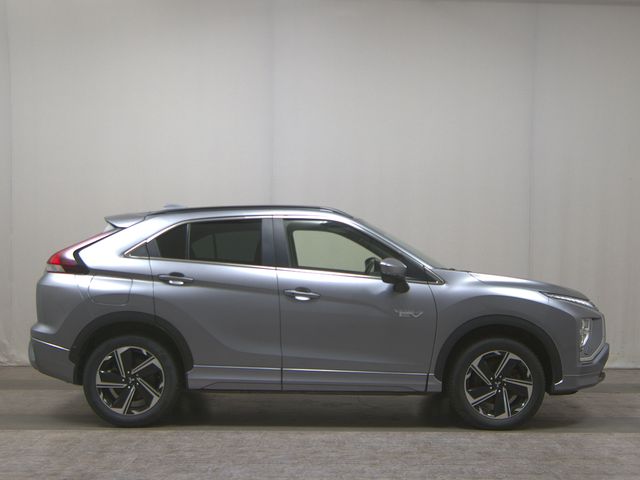
€15,980DEALER
€16,480
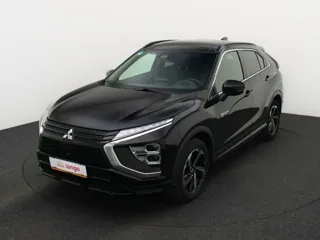
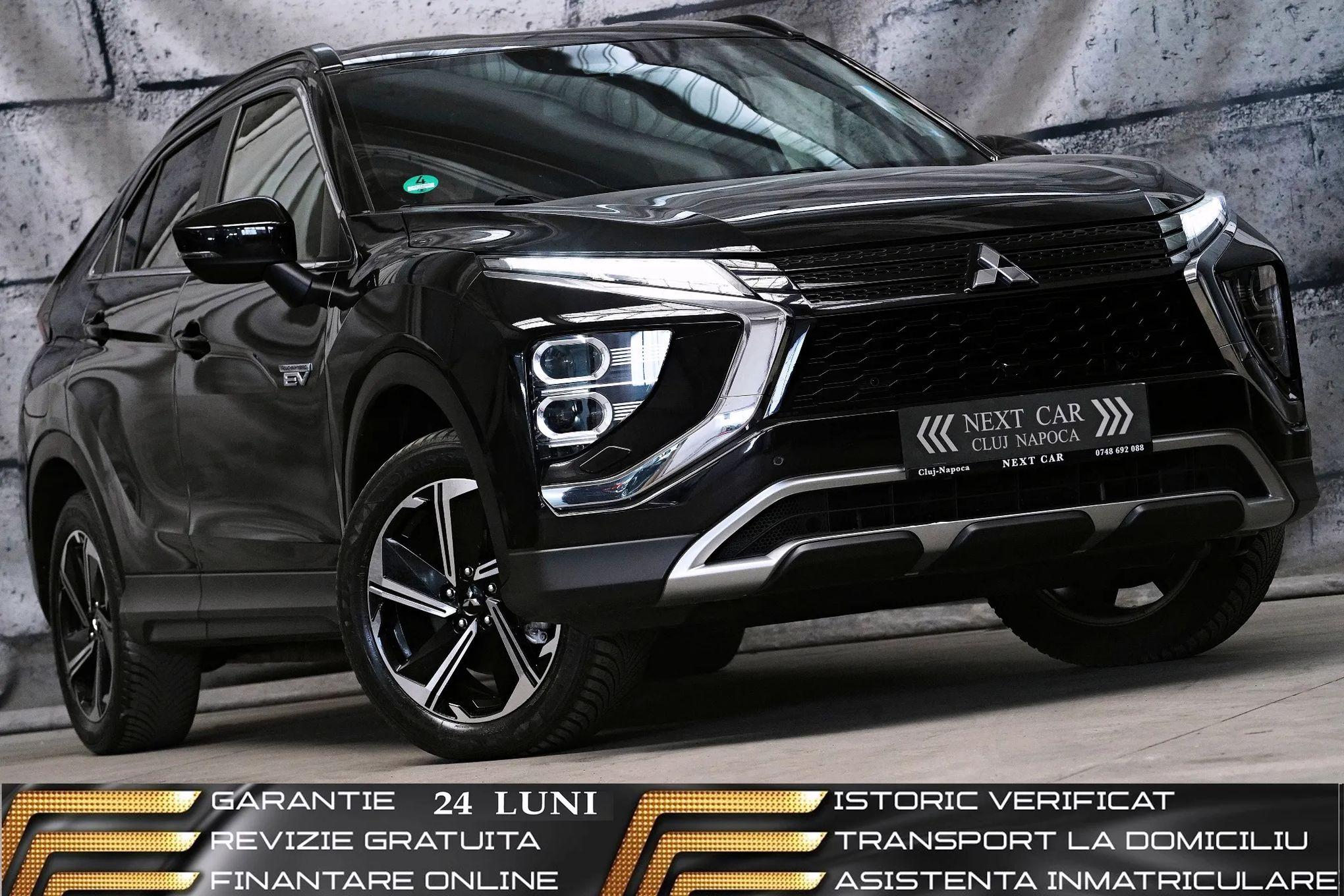
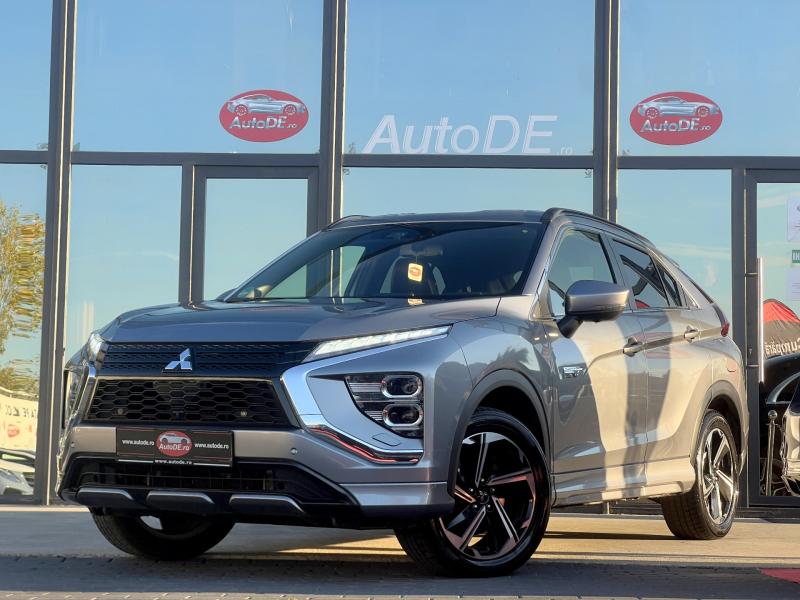
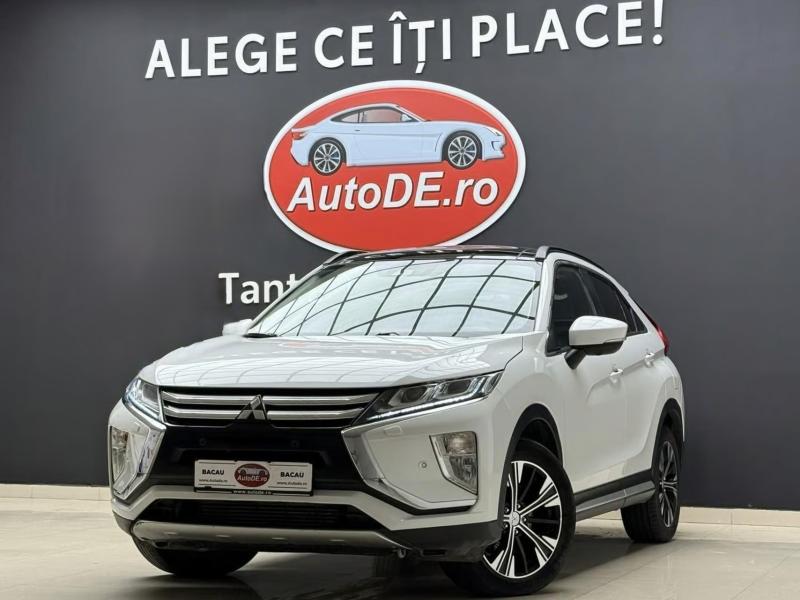
2023, hybrid, automatic, 95K km, pickup, 188 hp, grey, Eclipse Cross 2.4 MIVEC, Used condition, Japan, In stock

AutoHus.de
 Germany, Lower Saxony
 Germany, Lower Saxony
 Naujasodis (Kaunas), Lithuania
 Romania, Cluj
 Romania
 Municipiul Iaşi, RomaniaRomania
If you are shopping for a Mitsubishi Eclipse Cross, the smartest move is not to start with mileage alone. Start by asking a simpler question: what kind of offer is this supposed to be? On the used market, the Mitsubishi Eclipse Cross often appears in small numbers, which means each listing can look more tempting than it really is. That is exactly why careful comparison matters here. When only a handful of cars for sale are visible across the EU market, weak ads can survive longer, and buyers can talk themselves into viewing a car that was never a strong option.
A good Mitsubishi Eclipse Cross listing should help you place the car among nearby alternatives, not just show a clean front-three-quarter photo and a short equipment line. Compare the basics first: registration year, mileage, powertrain description, gearbox, service history, accident notes, and the quality of interior photos. If one seller gives clear details and another hides behind vague phrases like “excellent condition” or “drives perfect,” treat the better-described car as the stronger starting point even before you call.
This is one of those models where presentation can distort value. A shiny exterior and big wheels can distract from more important differences such as maintenance records, tire condition, warning lights, or signs of uneven panel fit. When comparing used Mitsubishi Eclipse Cross offers, the best listing is often not the cheapest one and not the best-looking one in the thumbnail. It is the one that reduces uncertainty.
A seller earns your time by answering ordinary questions directly. Ask when the car was last serviced, whether there are invoices or stamped history, what tires are fitted, whether any body panels were repainted, and if all driver-assistance or infotainment features work as expected. If the response becomes slippery on basic ownership facts, that matters more than polished ad copy.
Also check whether the listing itself feels internally consistent. Does the mileage match the wear on the steering wheel, seats, and driver’s door area? Do exterior photos show all corners of the car? Is the engine bay missing from the ad for no clear reason? Are there only wet-car photos or low-light pictures that hide paint condition? With the Mitsubishi Eclipse Cross, a thin listing is not automatically a bad car, but it is often a sign that you should slow down rather than rush in because supply looks limited.
The right way to shop a Mitsubishi Eclipse Cross in the EU market is to compare it against the next few realistic alternatives on your shortlist, not against some perfect example that may never appear. Maybe one car has lower mileage but weaker history. Another has stronger documentation but less appealing trim. A third looks honest but needs tires soon. Those are normal trade-offs.
What is usually acceptable? Cosmetic wear that matches age and mileage can be fine. A seller who openly explains previous paintwork and has photos or invoices may still be offering a good car. A higher-mileage Mitsubishi Eclipse Cross with transparent servicing can be safer than a lower-mileage one with gaps in its story. What is less acceptable is a car that asks you to ignore missing records, strange warning messages, or a seller who says, “I’m not sure, I’m selling it for someone else.” In a small pool of listings, buyers often forgive too much. That is when waiting is better.
Here is the less obvious point: scarcity changes buyer behavior more than it changes the car. When only a few Mitsubishi Eclipse Cross listings are available, people start comparing each car to nothing instead of to a standard. That is how average offers begin to feel rare. Resist that. If a listing creates more questions than confidence, let it sit. Another benefit of waiting is that you learn the pattern of the market: which ads keep returning, which sellers refresh photos without adding details, and which cars disappear quickly because they were priced and presented honestly.
Once a Mitsubishi Eclipse Cross passes the first ad check, ask better questions than most buyers do. Try these themes:
These questions are useful because they test both the car and the seller. A serious seller usually answers in full sentences and adds context. A weak seller often answers only the easiest part.
A Mitsubishi Eclipse Cross can be a sensible choice when the listing is clear, the ownership story holds together, and the seller treats your questions like normal due diligence rather than suspicion. But this is not a model to buy just because it happens to be nearby or uncommon in current listings. If photos are incomplete, the service history is fuzzy, or the seller avoids simple verification, walking away is not losing the car — it is protecting your shortlist.
The strongest buyers on this page are not the fastest. They are the ones who compare calmly, ask specific questions, and accept reasonable compromises while refusing lazy offers. Shop the Mitsubishi Eclipse Cross that way, and even a small selection of new and used listings becomes easier to judge. You stop chasing the idea of availability and start choosing the car that actually deserves a viewing.
 Add as preferred sourceSee more from zvelta in Google Search Add as preferred source