 EN
ENDEALER
€11,950DEALER
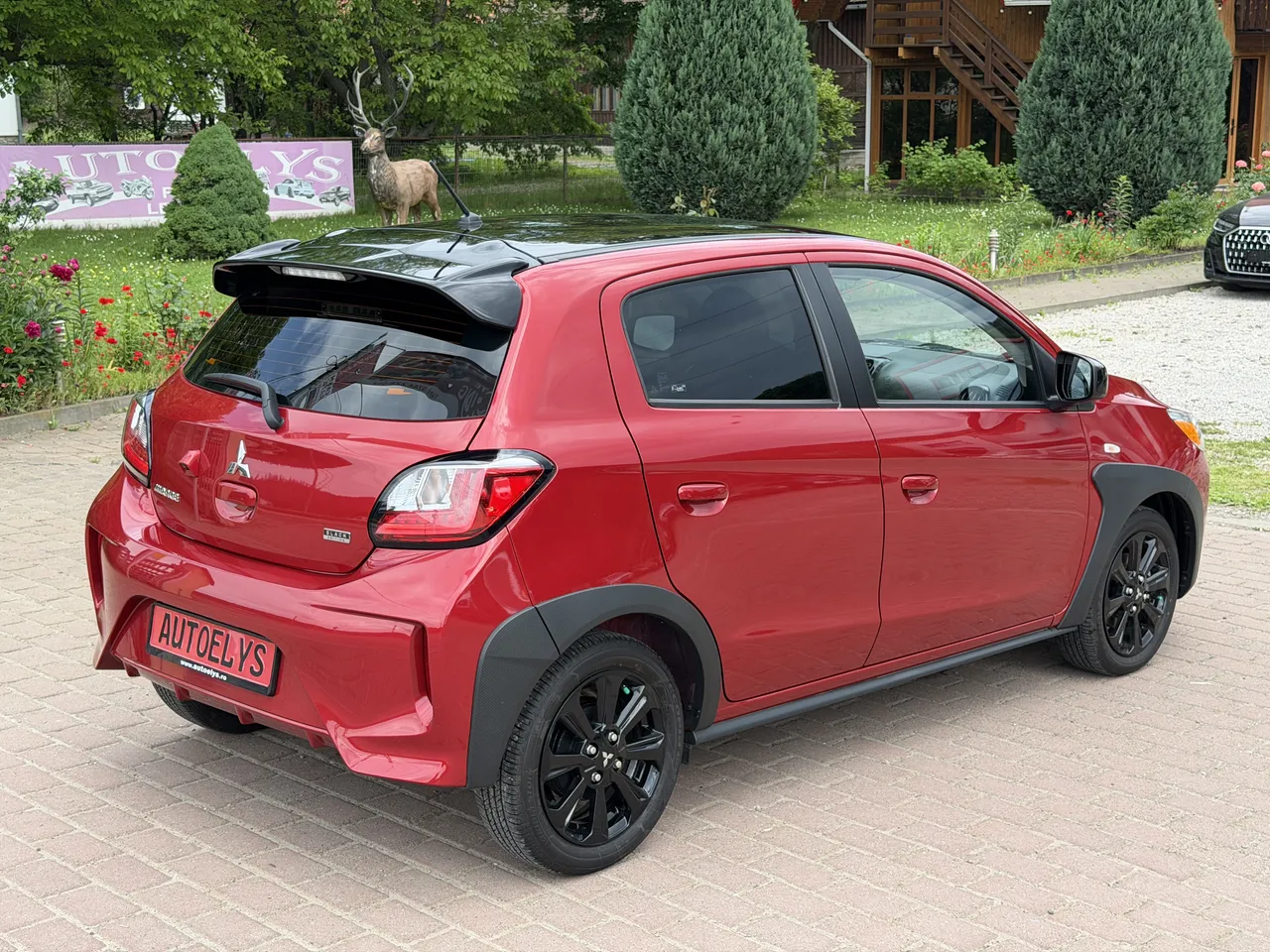
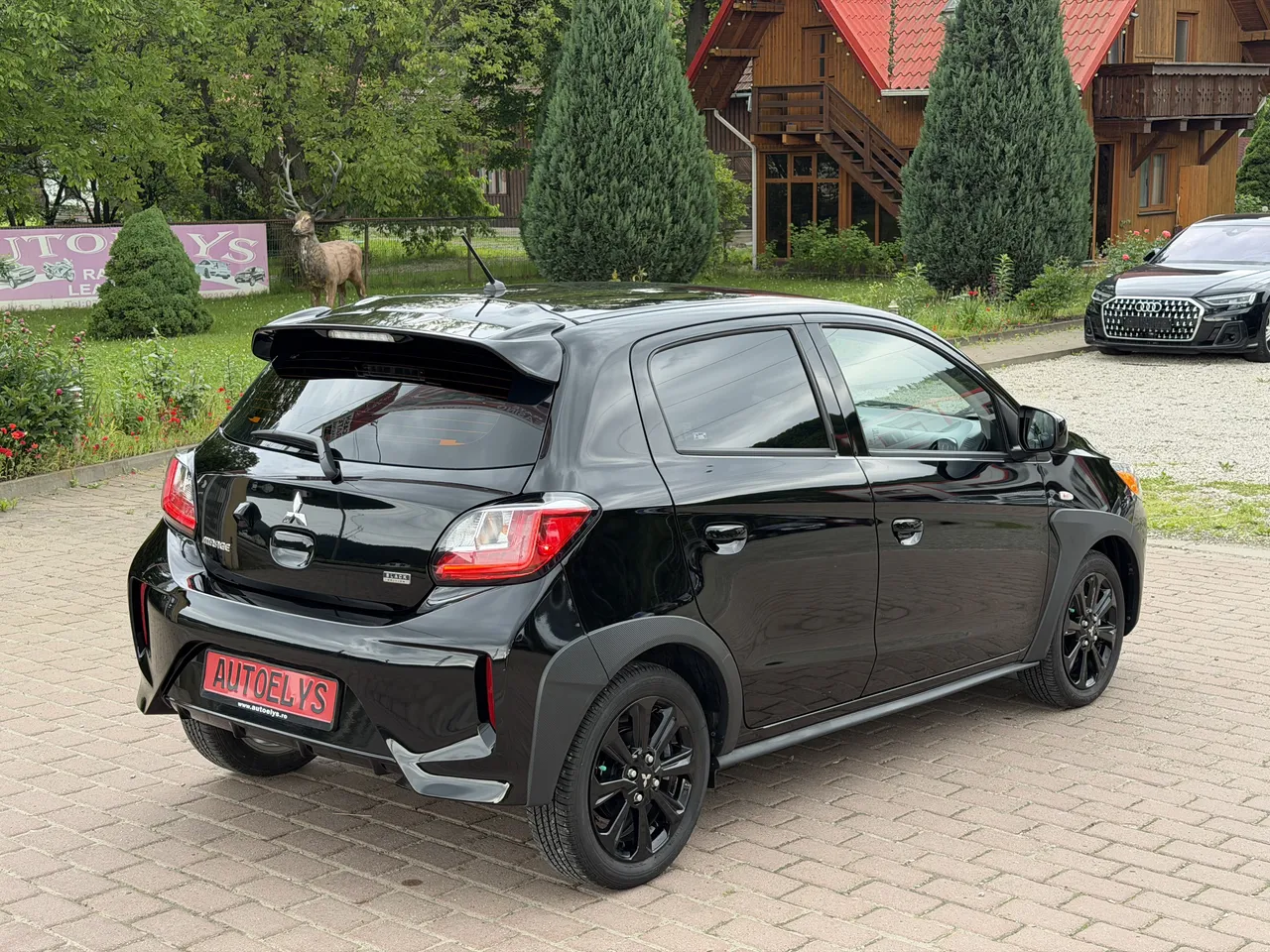
gasoline, automatic, 197 km, hatchback, 1,193 cm3, 80 hp, New condition, Thailand, In stock, left steering wheel

AutoElys.ro
 Romania, Suceava
 Romania, SuceavaRomania, Suceava
If you are looking at a Mitsubishi Mirage in the European market, the first thing to understand is that this is usually a buy-the-example, not buy-the-badge, decision. You may only see a small number of Mitsubishi Mirage cars for sale at a given moment, and that changes how you should shop. Instead of waiting for a perfect spec to appear, compare each listing closely for honesty, condition, history, and how easy the seller makes basic verification. With a rarer model page like this, a clean, well-documented car is often more valuable than chasing one extra feature.
A used Mitsubishi Mirage can look appealing simply because it is uncommon in many EU searches. That is exactly why it helps to slow down. Before you contact anyone, compare the basics: registration details, mileage consistency, number of photos, tyre condition, dashboard warning lights, visible wear on the steering wheel and seats, and whether the seller shows the car from all sides instead of only the flattering angles. If one Mirage listing gives you clear information in the first minute and another makes you guess everything, the better offer is already revealing itself.
This is also where the European market context matters. With a model that is not everywhere, buyers sometimes become too forgiving. They excuse weak photos, vague descriptions, or missing service notes because there are not many alternatives. That is how people end up driving across the country for a disappointing viewing. A scarce listing is not automatically a good listing. Treat the Mitsubishi Mirage the same way you would any other used car: if the seller cannot present it properly online, inspect the rest twice as carefully.
One of the best shortcuts when comparing a Mitsubishi Mirage is to study seller behaviour. Good listings usually have a calm, specific tone. The seller mentions what has been serviced, what still needs attention, and whether documents are ready to check. The photos tend to include the body in daylight, interior, luggage area, wheels, odometer, and engine bay. That does not guarantee a perfect car, but it often signals a serious owner or dealer.
Weak offers leave small clues everywhere. The description says only “good car” or “drives well” but avoids mileage history, ownership background, or recent maintenance. Photos are taken at a fuel station at night, or the car is half wet, half dirty, as if nobody wanted you to inspect the paint. Sometimes the wording tries too hard: “first to see will buy” is less useful than “last service at this mileage, here is what was replaced.” Pay attention to response style too. If you ask for the VIN, service records, cold-start video, or a photo of a document and the seller becomes evasive, that matters. A decent Mitsubishi Mirage listing does not need theatrical confidence; it needs ordinary transparency.
There is another subtle signal buyers often miss. On less common cars, the strongest sellers do not oversell rarity. They understand that you are not buying a collector’s item; you are buying transport. If the seller keeps talking about how hard a Mitsubishi Mirage is to find in Europe but says little about maintenance history, tyres, brakes, or what works and what does not, the rarity pitch may be covering ordinary weaknesses.
When two Mitsubishi Mirage offers seem similar, the deciding factors are usually not glamorous. Check whether the panel gaps look even in the photos, whether the headlights match in age and clarity, and whether interior wear fits the stated mileage. Ask if there are invoices or stamped service records, when basic maintenance was last done, and whether any warning lights appear after startup. If the listing mentions recent work, ask exactly what was changed and why.
For a viewing, it helps to be methodical. Start the Mitsubishi Mirage from cold if possible, not pre-warmed. Listen for unusual sounds at idle, watch for smoke that lingers, and check whether the gearbox engages smoothly and predictably. During a short drive, notice whether the car tracks straight, brakes cleanly, and feels consistent over rougher roads. None of this requires model-specific mythology. You are simply checking whether this particular car has been kept up or merely kept running.
A five-minute message exchange can save a wasted journey. Ask the seller of the Mitsubishi Mirage:
The answers matter almost as much as the content. A direct, normal reply usually beats a polished but slippery one. If the seller dodges simple questions, delays every photo, or keeps changing the story, that is useful information. With a Mitsubishi Mirage, where listings may be limited, discipline matters more than urgency.
The best Mitsubishi Mirage offer is rarely the one that shouts the loudest. It is usually the listing that feels coherent: photos match the description, wear matches mileage, service notes make sense, and the seller behaves like someone who expects sensible questions. If you are comparing new and used car listings across the EU market, remember that availability alone should not force a rushed decision. A weaker car does not become stronger just because there are only a couple of alternatives.
Think in layers. First, eliminate listings with poor transparency. Second, compare condition and history, not just appearance. Third, decide whether the seller seems prepared for an inspection. Do that, and the Mitsubishi Mirage becomes easier to judge than many buyers expect. On a model page with limited market availability, patience is not passive; it is your biggest advantage.
 Add as preferred sourceSee more from zvelta in Google Search Add as preferred source