 EN
ENDEALER

€29,296DEALER
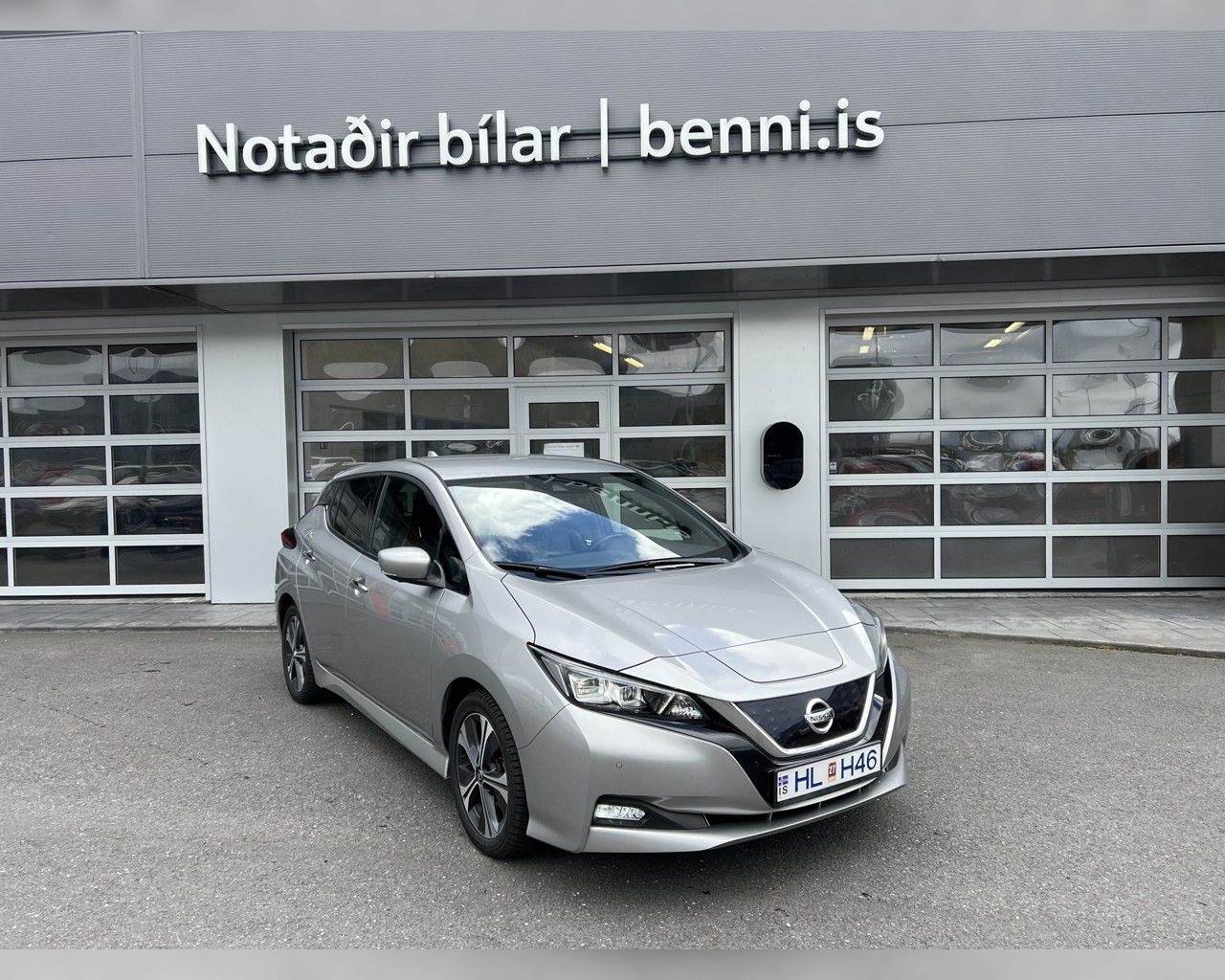
2025, gasoline, automatic, 54K km, Front Wheels Drive, 94 hp

notadir.benni.is
 Iceland
 IcelandIcelandReykjavík, IcelandIceland
 SpainSpainSpainSpainSpainSpainSpainSpainSpainSpainSpainSpainSpainSpainSpainSpainSpainSpainSpainSpainSpain
If you are shopping Nissan in Europe, the quickest way to save time is to split the listings into three groups before you fall for the photos: everyday sensible buys, older bargains that need proof of care, and tempting “cheap” cars that may become travel-and-repair projects. Nissan can look straightforward in a catalog because the brand covers so many familiar needs, from city cars to family crossovers and work-friendly SUVs. In real listings, though, the difference between a good Nissan and a draining one is usually not the badge or the trim level. It is how honestly the seller presents the car, how complete the history feels, and whether the location makes inspection realistic instead of rushed.
A lot of buyers start with model names, but with Nissan it often helps to start with your week. Are you buying for short urban trips, mixed family use, motorway commuting, or occasional heavy-duty use? That question immediately changes how you read Nissan cars for sale. A small hatchback with modest equipment may be a smarter buy than a larger, shinier alternative if the condition is easier to verify and the ownership story makes sense. On the other hand, if you are browsing used Nissan listings for longer-distance comfort or family practicality, you should compare cargo space, rear-seat condition, tire wear, and maintenance records more carefully than cosmetic extras.
One useful trick: compare three offers that are not identical. Put one lower-priced Nissan next to one mid-market example and one car that looks unusually clean or unusually expensive. This shows you what the seller is asking you to pay for: mileage, service history, body condition, equipment, or simply optimism. Weak offers often reveal themselves when the description stays vague about maintenance, the photos avoid wear areas, or the seller talks more about “urgent sale” than about the car.
With a Europe-wide Nissan search, location changes the whole buying decision. A car that looks great on screen can become a poor choice if it is far enough away that you are tempted to skip checks just to justify the trip. That is where many buyers make a bad decision: they travel for a “promising” Nissan, arrive committed, and start forgiving missing paperwork, unclear service intervals, or warning lights that “just appeared.” If the listing is in another country or several hours away, ask for more before you go, not less.
Request a cold-start video, close photos of common wear points, a dashboard photo with the engine running, and clear document images where appropriate. Ask how long the current owner has had the car, where it was maintained, and what has been done recently rather than vaguely “serviced.” If the seller becomes impatient when you ask normal questions, that is useful information. A solid Nissan offer usually survives scrutiny. A weak one often tries to rush you into viewing before the details are clear.
That search journey across the EU also changes your comparison logic. A nearby Nissan with average spec but transparent history can be a better buy than a better-looking car in another market that requires extra transport, unfamiliar paperwork, or a tight same-day decision. Buyers often underestimate the value of inspection convenience. If you can see the car calmly, return with another person, or arrange an independent check without turning the process into a mini expedition, you are already in a stronger position.
The good Nissan ads tend to feel calm. The seller gives you enough photos to understand the car without theatrical angles. The mileage appears consistently in the listing, service documents, and instrument cluster photos. The interior wear roughly matches the claimed use. Equipment is described specifically instead of through generic praise. You can tell whether you are looking at a genuinely cared-for car or just a freshly cleaned one.
Pay attention to small signals. If a Nissan is presented with clean but realistic photos, visible imperfections, readable paperwork, and a coherent maintenance timeline, that is often worth more than polished language. By contrast, be careful with listings that hide the steering wheel, seat bolsters, cargo area, or close body-panel gaps. Those missing details are not proof of a problem, but they are exactly where condition starts to separate strong used Nissan offers from forgettable ones.
A less obvious point: with Nissan, some buyers get distracted by the brand’s broad appeal and assume comparison will be easy. In practice, broad appeal creates messy search behavior. People cross-shop Nissan against several completely different ideas at once: a practical commuter car, a family crossover, even a sturdier weekend vehicle. That means some listings are priced by real market logic, while others are priced by seller emotion. When you feel a Nissan offer is “not bad, but not quite right,” do not talk yourself into it just because the brand sits comfortably in your shortlist. That mild hesitation often means the history, configuration, or ownership story is not strong enough.
Before you arrange a viewing, ask questions that force a concrete answer. How long has the seller owned this Nissan? Why is it being sold now? What maintenance was done in the last 12 months? Are there any warning lights, intermittent faults, leaks, or electrical issues? Has anything major been replaced, repaired, or postponed? Which keys, manuals, invoices, and registration documents are included?
Then match the answers to the listing. If the seller says “full history,” ask what that means in practice. Dealer stamps only? Independent garage invoices? Digital record? If they say the car needs nothing, that should not stop you from checking tires, brakes, suspension feel, air conditioning, and all main electronics. A used Nissan can look tidy and still hide deferred maintenance that only becomes visible when you inspect it methodically.
A Nissan is worth viewing when the offer is clear before you leave home. Not perfect, clear. You should know the basic ownership story, see enough of the condition to avoid obvious surprises, and understand whether the asking price reflects something real such as better history, better upkeep, or better specification. If those pieces are missing, distance makes the risk worse.
For buyers browsing Europe-wide listings, patience is an advantage. Nissan is not usually a brand you need to panic-buy. Another sensible offer often appears, and the next one may be closer, easier to inspect, or simply better documented. That is the calm way to shop this brand: compare purpose first, question the history, respect the logistics, and do not let one attractive listing turn a rational search into a rushed trip.
 Add as preferred sourceSee more from zvelta in Google Search Add as preferred source