 EN
ENDEALER
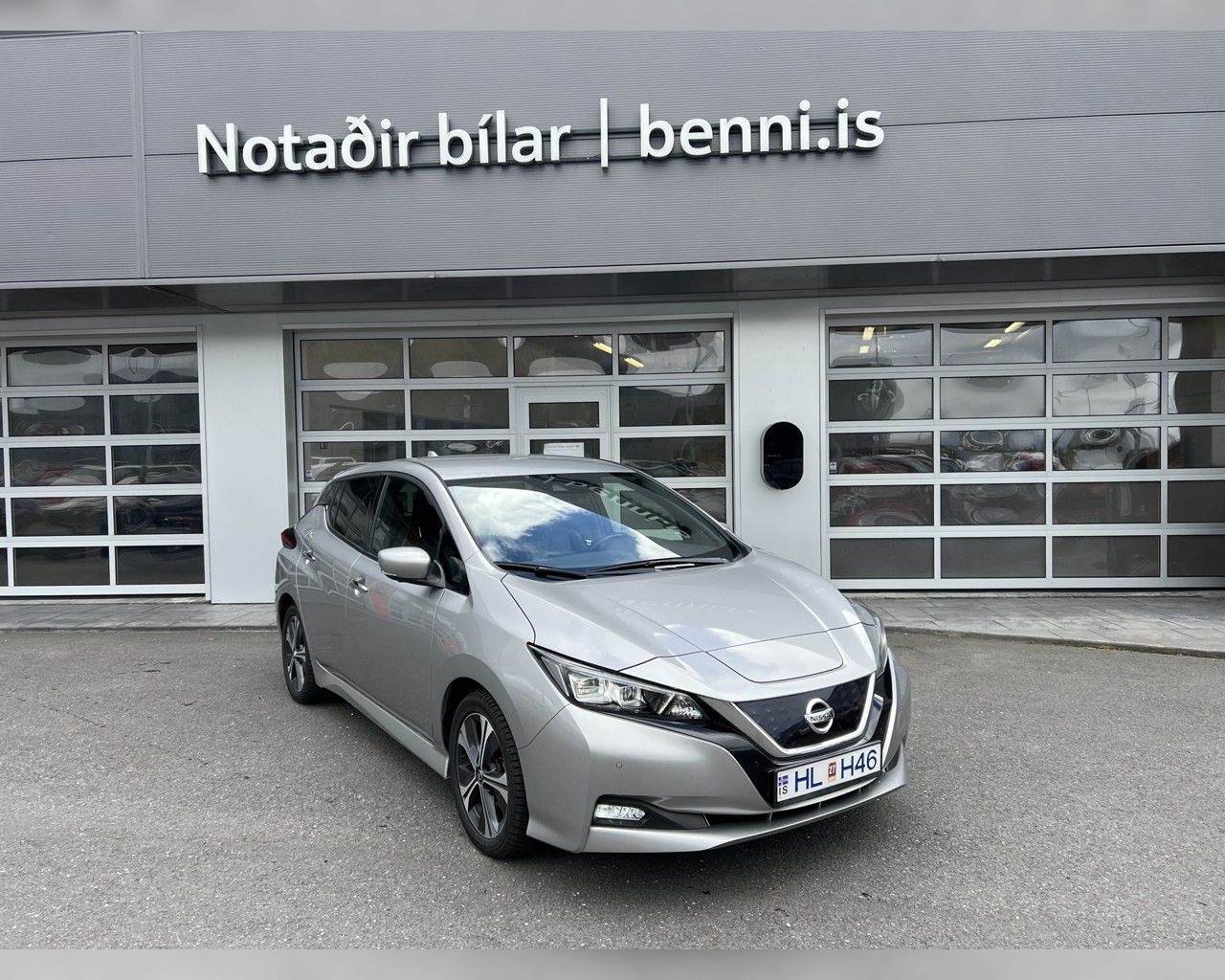
€19,751DEALER
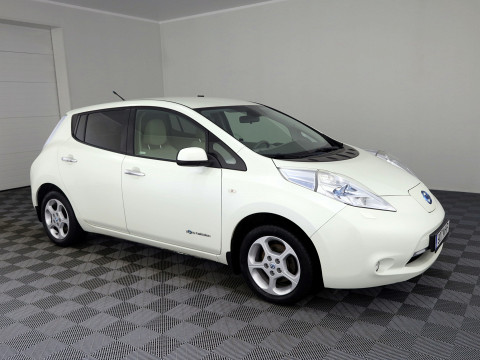
2021, electric, automatic, 71K km, Front Wheels Drive, 150 hp

notadir.benni.is
 Iceland
 IcelandReykjavík, Iceland
 Netherlands
 SwedenSweden
 Estonia, Harjumaa
 Poland
 Miškiniai, Lithuania
 Romania, Prahova
 Bulgaria, Varna
If you are comparing Nissan Leaf listings, the smartest move is not to start with price. Start with whether the ad gives you enough confidence to make a shortlist. A cheap Nissan Leaf with vague battery information, blurry photos, and no charging history can waste more time than a slightly pricier car with clear documentation and a seller who answers real questions. On this page, think in three groups: offers worth a call, offers worth a visit, and offers to skip even when the number in the ad looks attractive.
A promising Nissan Leaf listing usually feels complete before you speak to anyone. You want clear photos of the exterior, cabin, wheels, charging port area, and instrument display. You also want a seller who says something useful about ownership, service records, charging cables, battery condition, and how the car was used. Even in a broad EU market, the better offers tend to explain whether the car was mostly a city commuter, a second household car, or a daily longer-distance vehicle. That context matters because a Nissan Leaf is often bought for a specific routine, and the best used examples are usually still being sold with that routine in mind.
When deciding who to call, prioritize listings that show the seller understands what a buyer worries about. Ask for the battery health information shown in the car, recent charging behavior, and realistic range expectations in normal use rather than ideal conditions. You are not looking for perfect answers; you are looking for honest, specific ones. A seller who can calmly explain charging at home, winter use, and what comes with the car is usually easier to deal with than someone who keeps repeating that "everything works" without details.
A visit makes sense when the listing already passes the basic trust test. The ad should match the car: trim details should be consistent with the photos, the interior wear should look believable for the mileage shown, and the equipment description should not feel copied from a brochure. With a Nissan Leaf, small signs of care matter. A tidy charging area, intact interior plastics, matching tires, and a clean luggage compartment often tell you more about ownership than polished bodywork does.
During the viewing, focus on the parts of the car that shape daily use. Check how the battery information is presented in the display, how the car starts and drives, and whether warning lights appear at startup or remain on. Listen for suspension noises over rough surfaces, test the climate system properly, and make sure the charging equipment included in the ad is actually present. Because many buyers shop for a Nissan Leaf as a practical household car rather than a hobby purchase, convenience details matter more than they do on some petrol alternatives. Two similar listings can feel very different once you sit in them, especially if one has clearly been lived with carefully and the other has just been cleaned for sale.
There is a particular kind of weak Nissan Leaf listing that catches people who are trying to be efficient. The price is low enough to feel urgent, but the ad avoids the exact questions that matter. No battery photos. No mention of charging cable availability. No explanation for warning lights, cosmetic damage, or gaps in service history. Sometimes the seller leans on general phrases like "drives well" or "great electric car" while saying almost nothing about battery condition or ownership story. That is usually your signal to move on unless the seller becomes much more transparent when contacted.
Another useful clue in the EU market: some Nissan Leaf offers are written for a wide audience but reveal very little about the car's actual life. That is not automatically bad, yet it should slow you down. Electric cars attract both informed sellers and sellers who assume buyers will focus only on savings and low running costs. A good Nissan Leaf seller knows that serious buyers compare condition, charging setup, included accessories, and how honestly the range conversation is handled. If the listing seems to dodge those points, it may still be cheap for a reason.
When you contact the seller, keep the conversation practical. Ask how long they have owned the Nissan Leaf, why they are selling it, whether the battery information can be photographed clearly, and what charging cables or adapters are included. Ask if the car has been used mainly in town or for mixed driving, and whether there are any current faults, warning messages, or charging issues. If the answers are short but direct, that is fine. If every answer becomes vague, defensive, or contradictory, remove that car from your shortlist.
Also ask for the documents you would want to verify before travel: registration details, service records, inspection history where relevant, and confirmation that the mileage shown matches the paperwork. For any used Nissan Leaf, paperwork quality is part of the offer. A well-presented ad with weak documents is not a strong candidate. On the other hand, a plain-looking listing with coherent records and a cooperative seller can easily deserve a visit.
Because available listings can be limited, buyers sometimes compare cars that are not truly comparable. Try not to reduce the decision to year and mileage alone. Compare battery transparency, seller attitude, overall wear, equipment you will actually use, and whether the car fits your charging routine. A Nissan Leaf for mostly local commuting may still be the right buy even if another example looks better on paper but raises doubts about battery condition or ownership history.
This is where being selective helps. The best Nissan Leaf to pursue is often not the cheapest or the newest-looking one, but the one that answers your likely ownership questions before you have to fight for the truth. Build your shortlist around trust, clarity, and daily usability. Call the listings that explain the car well, visit the ones that hold up under questions, and skip the ads that try to sell urgency instead of information. That approach usually leads to a better Nissan Leaf and a much calmer buying decision.
 Add as preferred sourceSee more from zvelta in Google Search Add as preferred source