 EN
ENDEALER
€21,990DEALER
€22,500
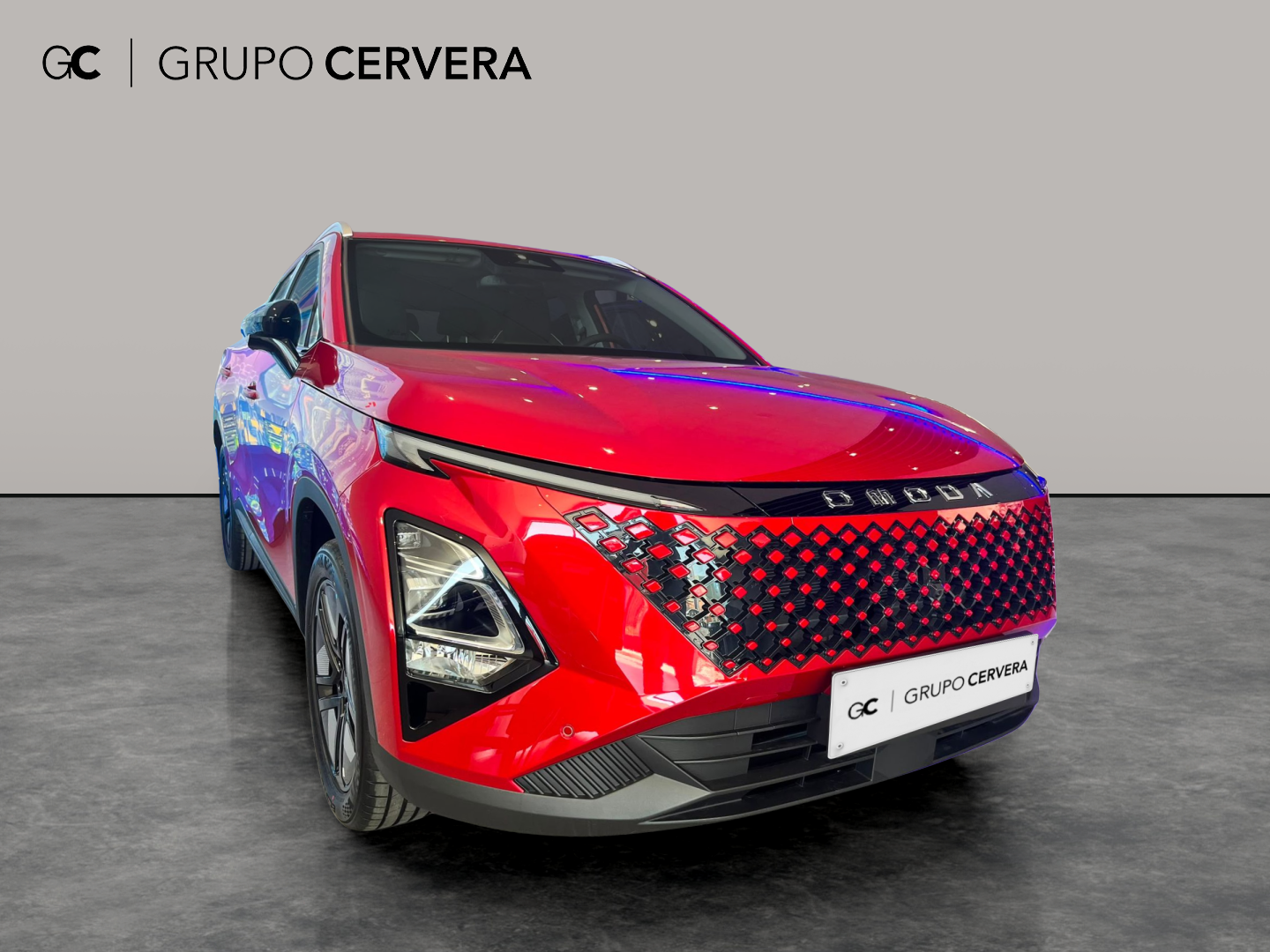
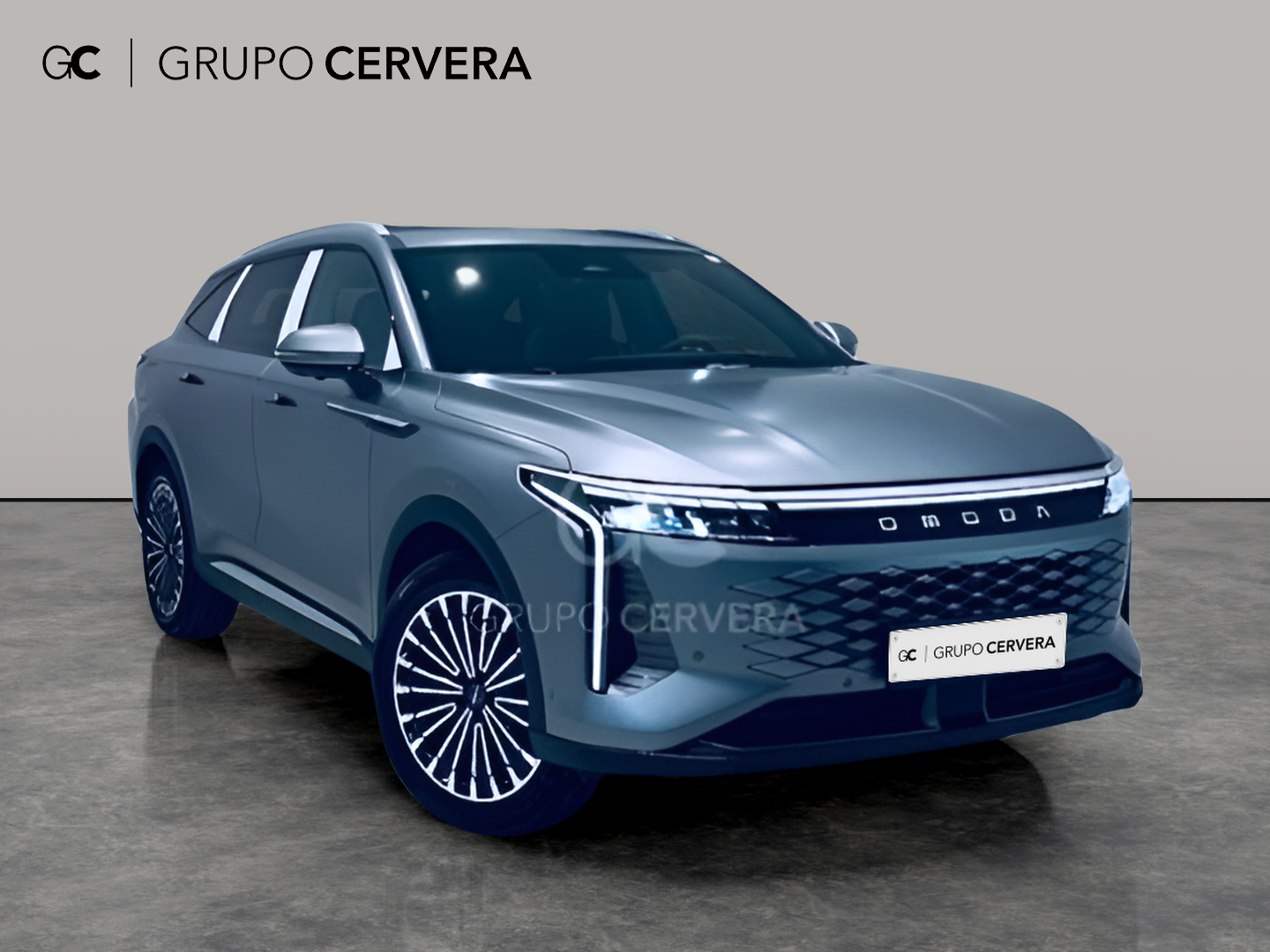
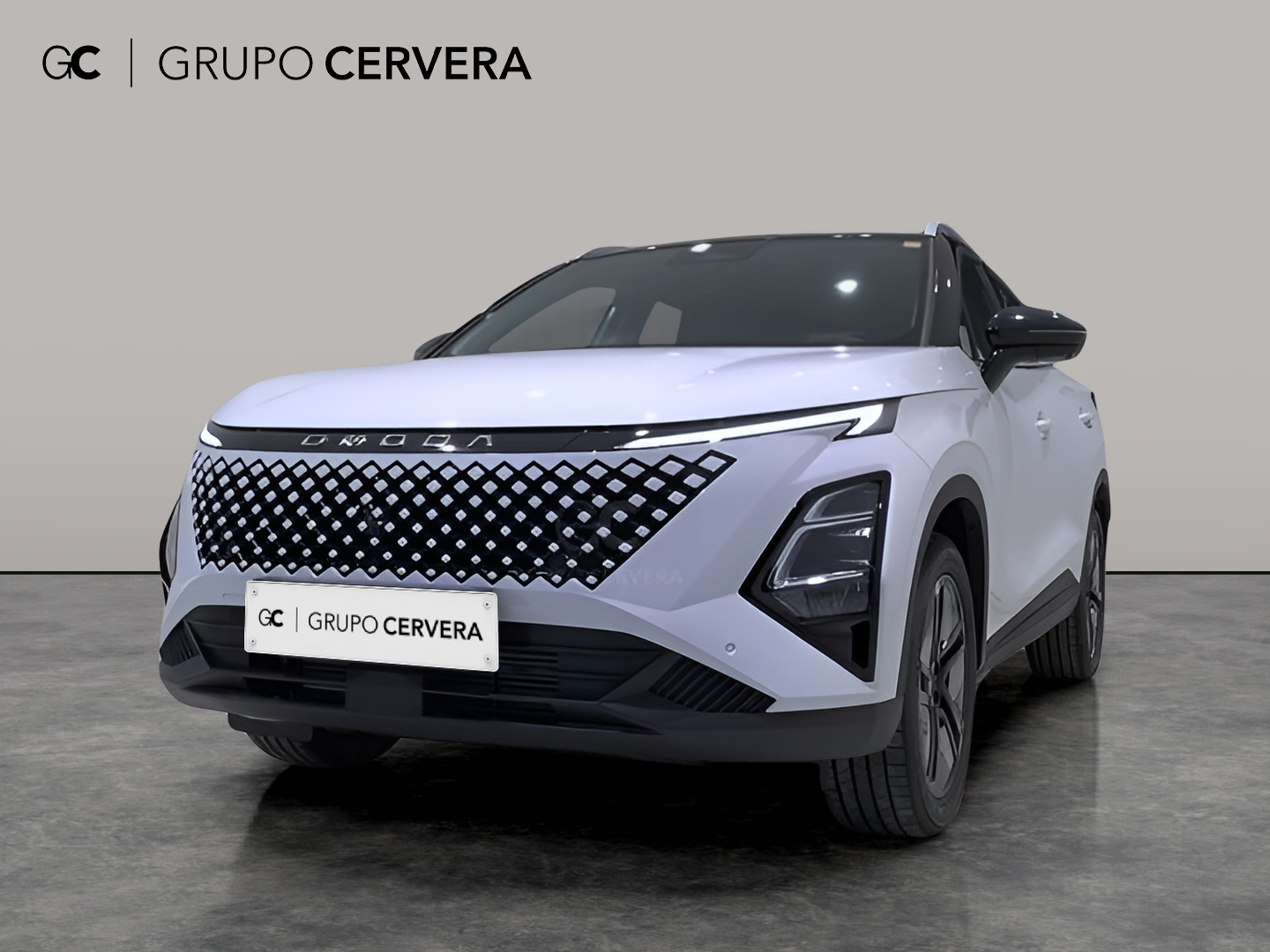
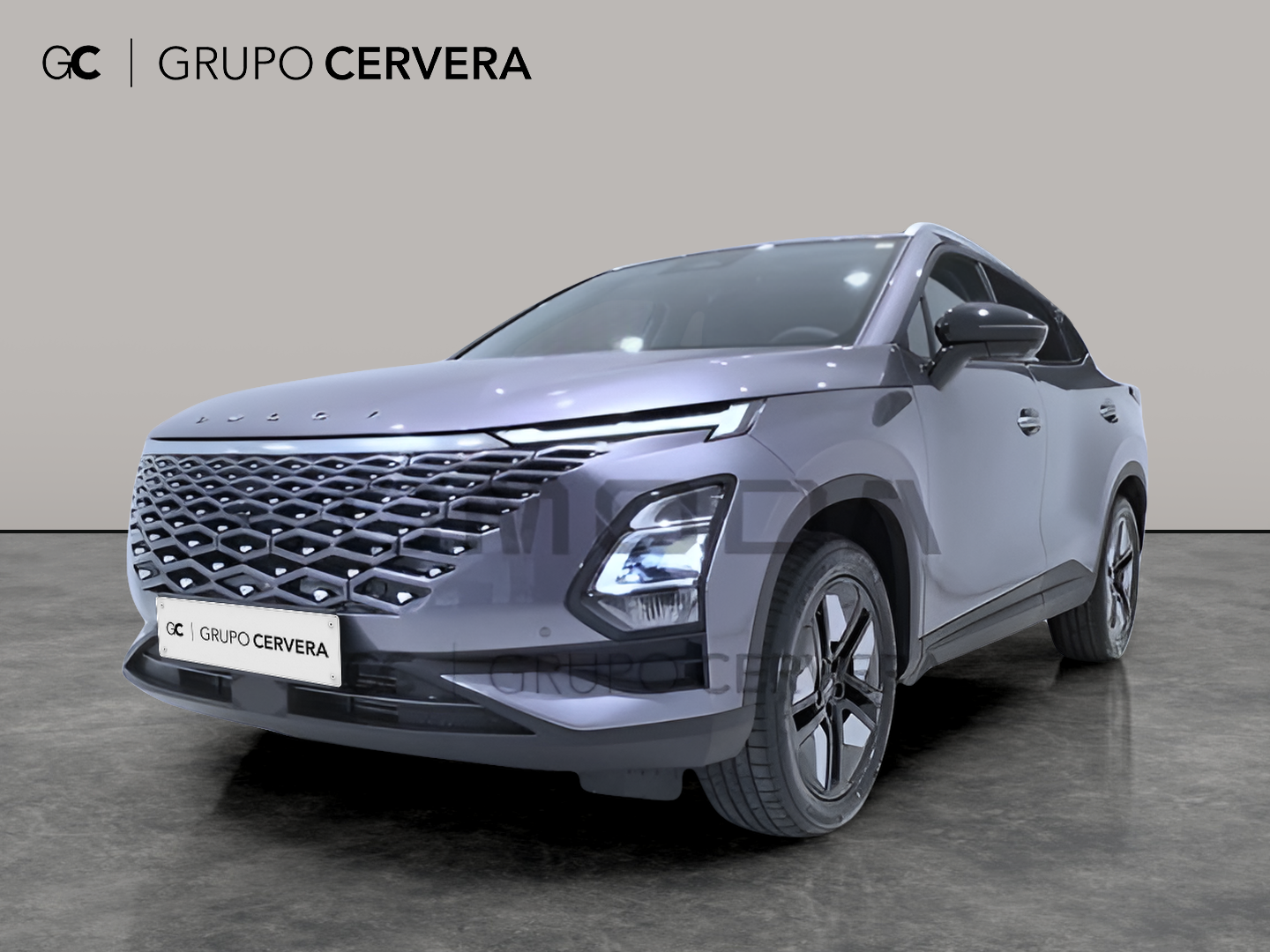
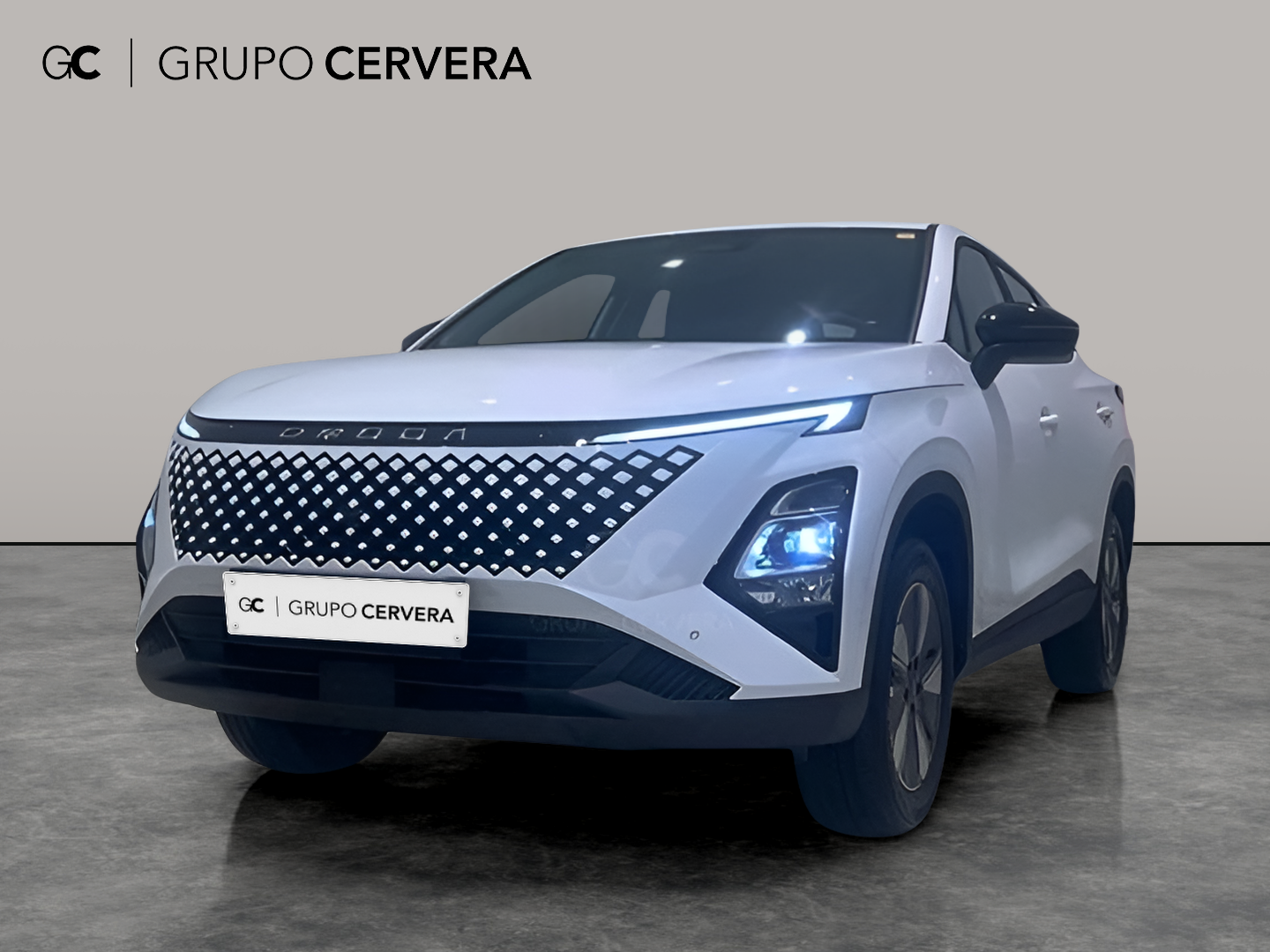
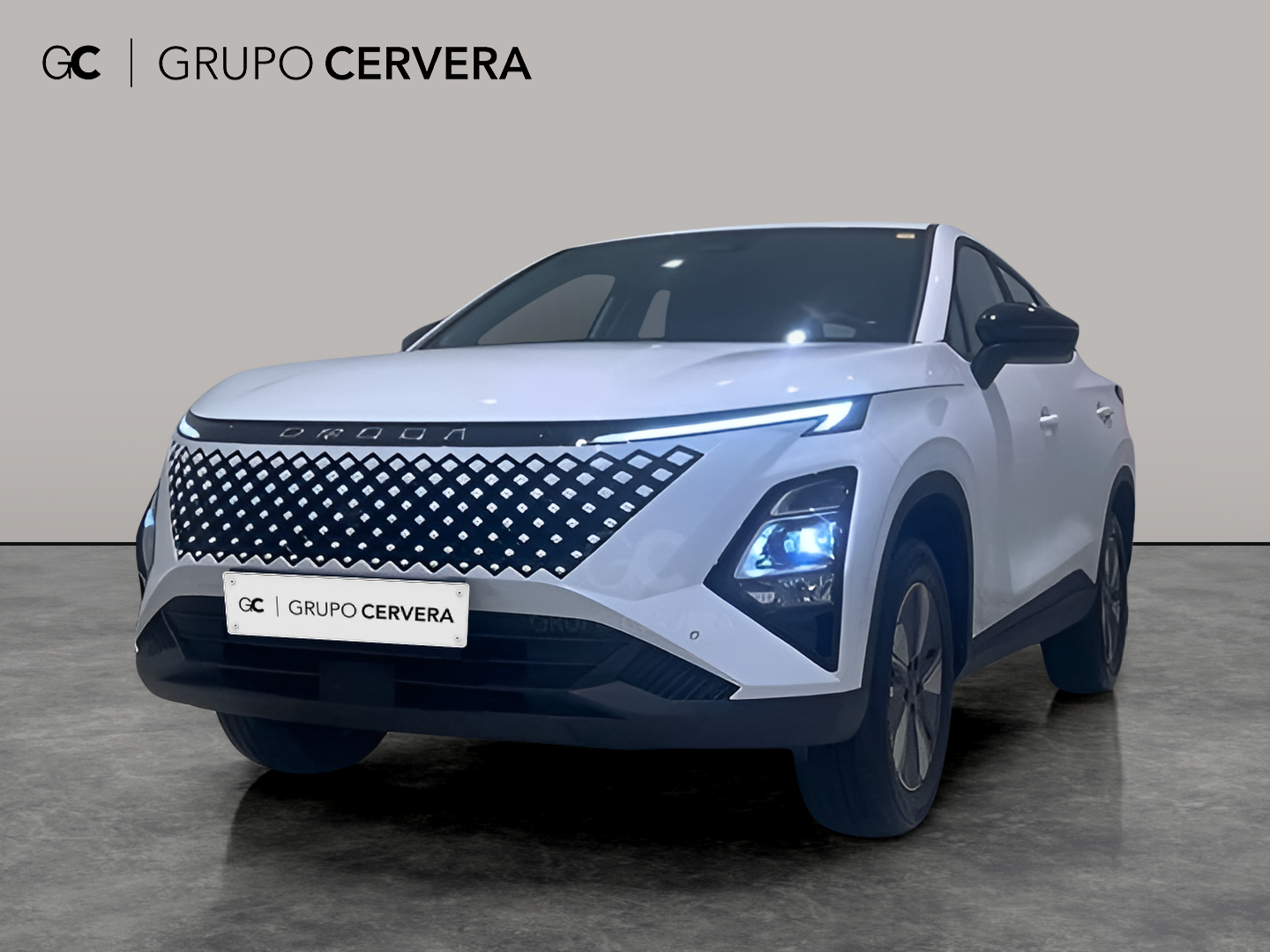
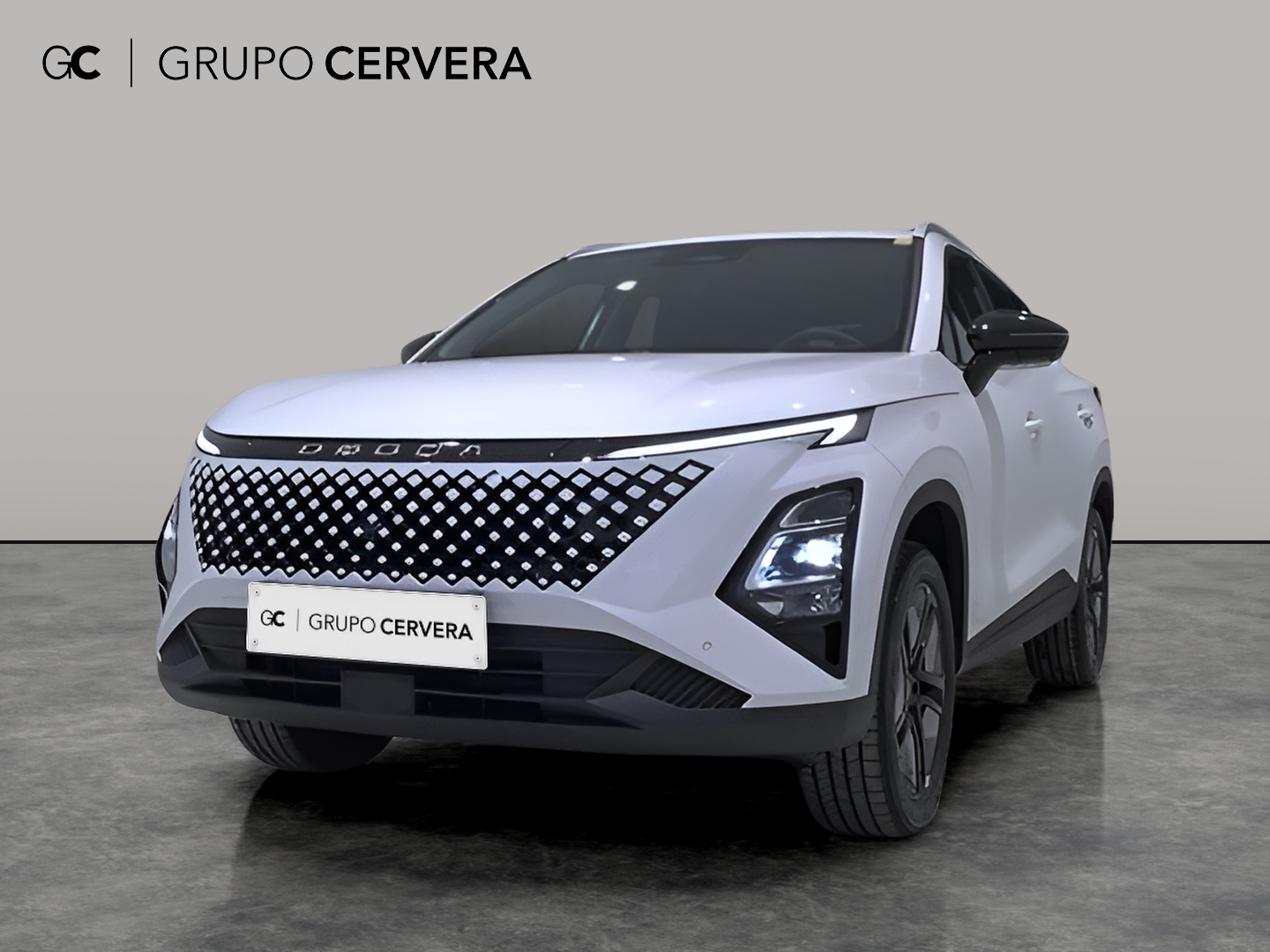
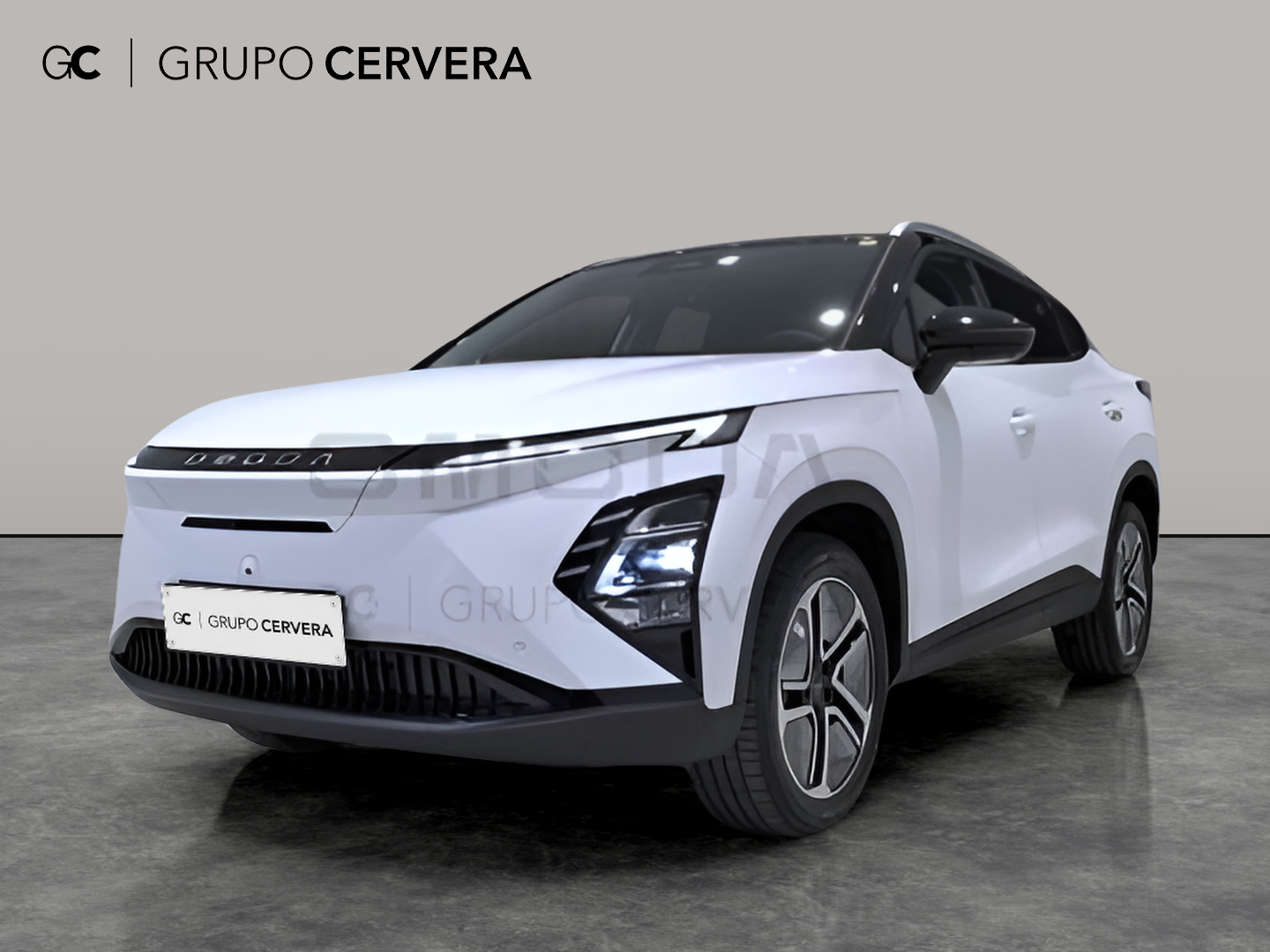
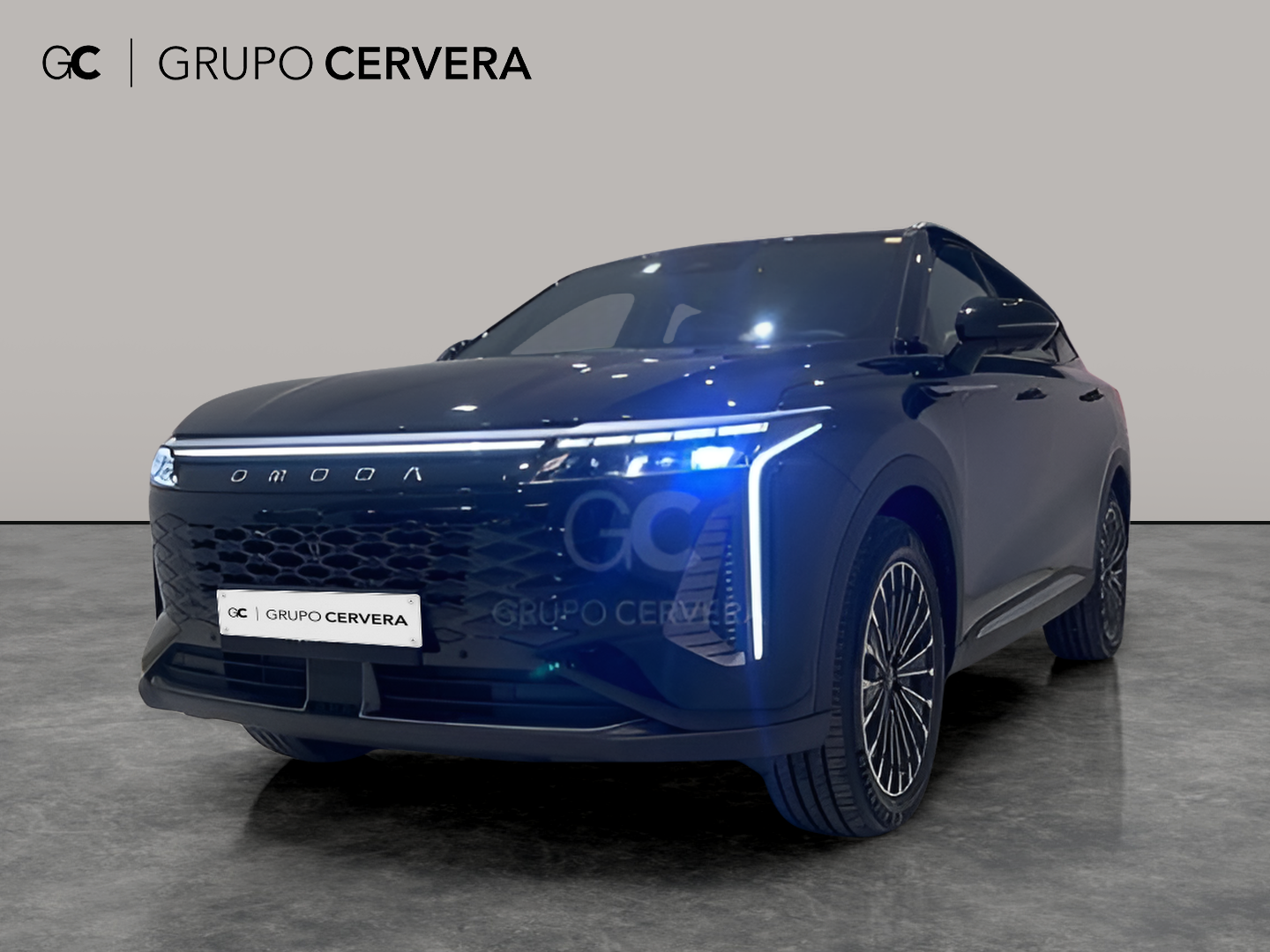
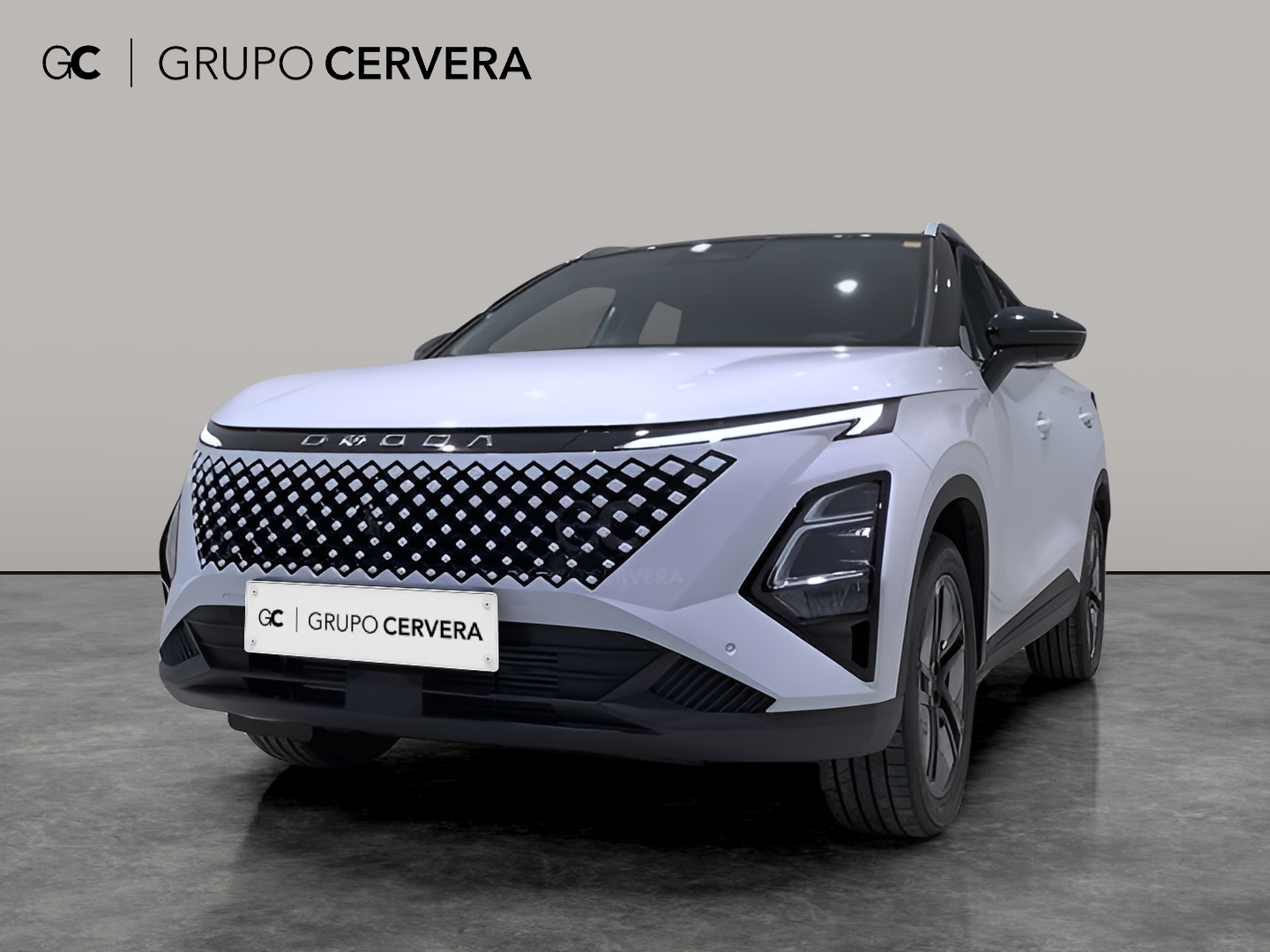
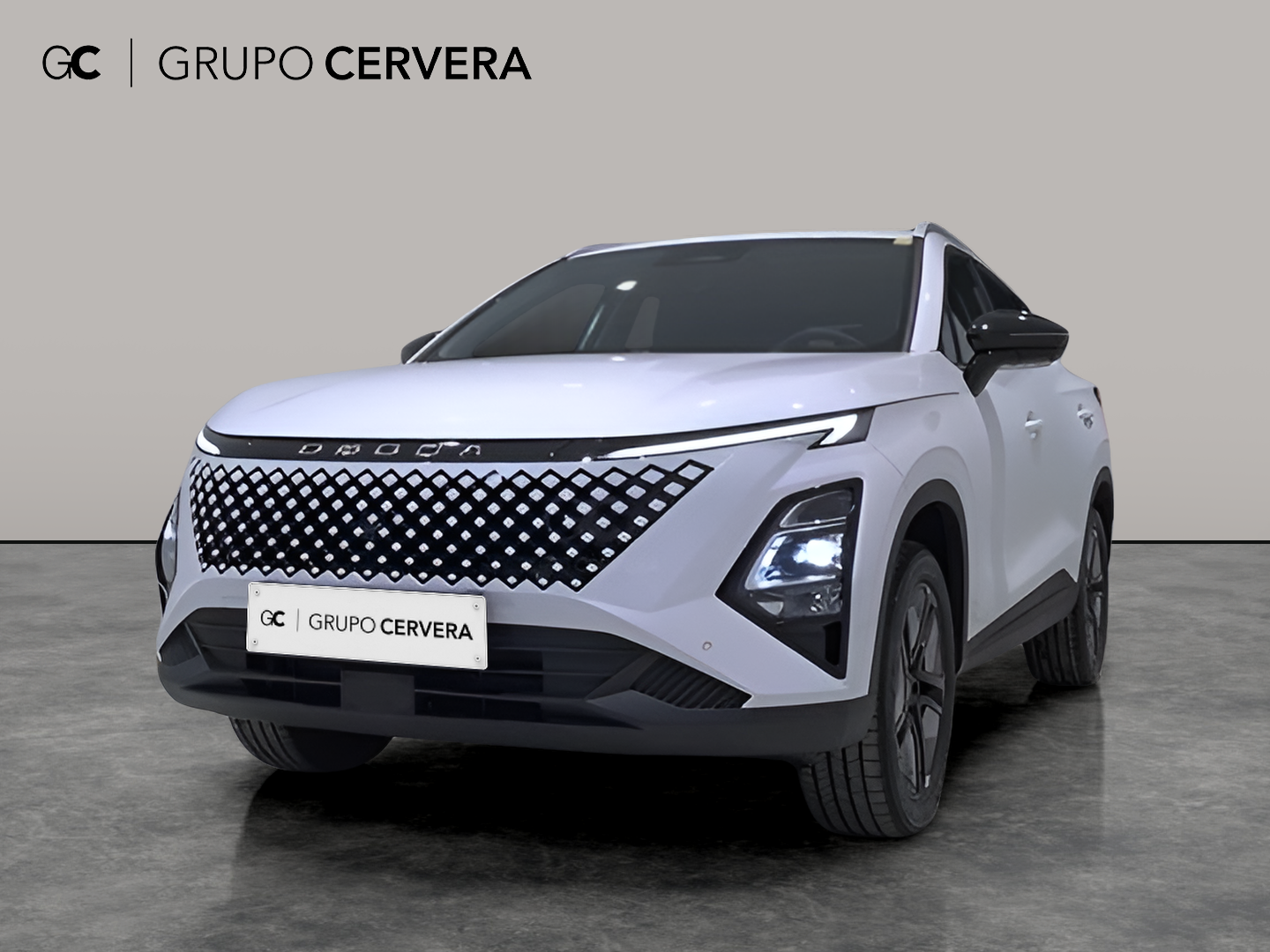
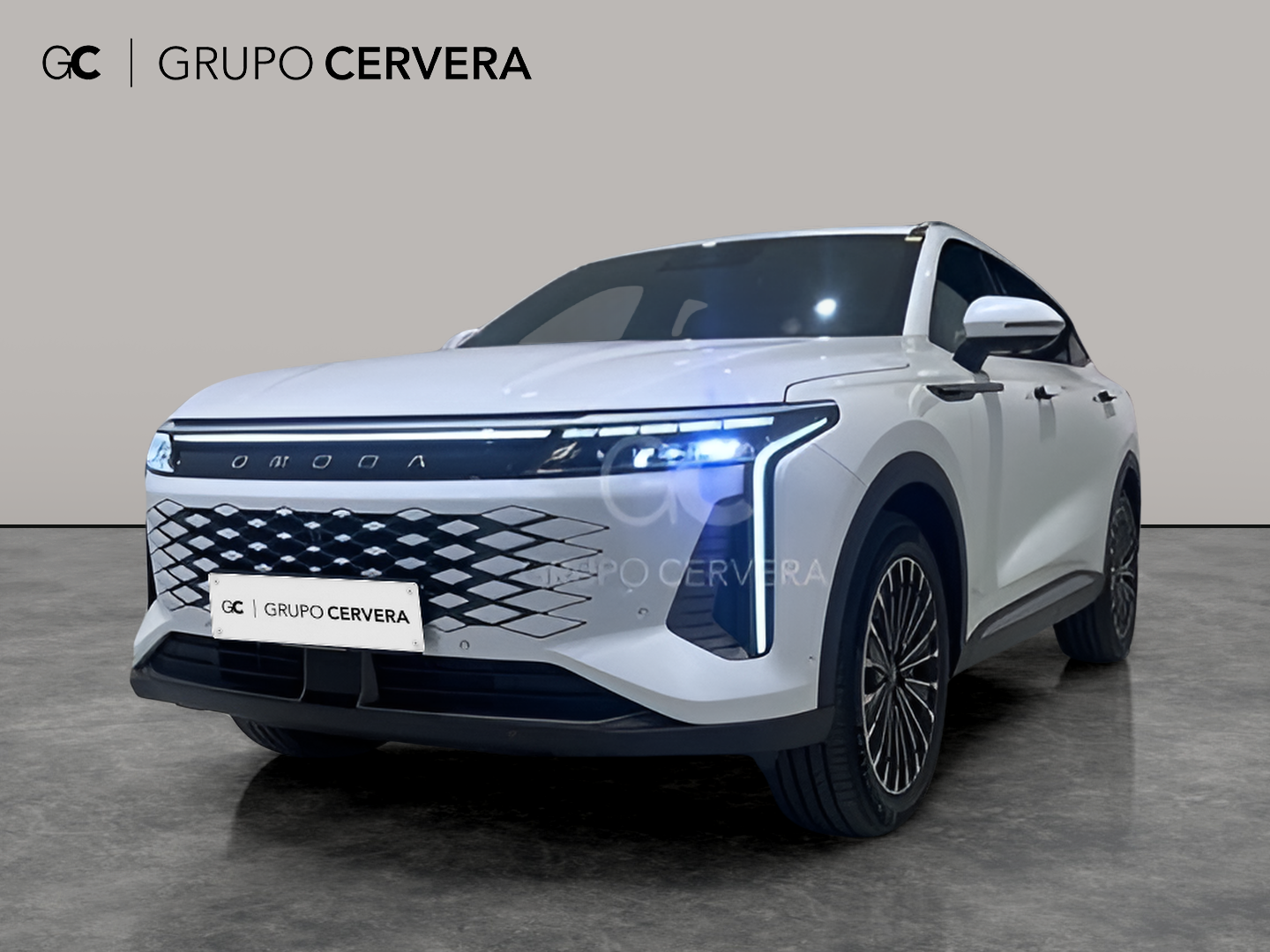
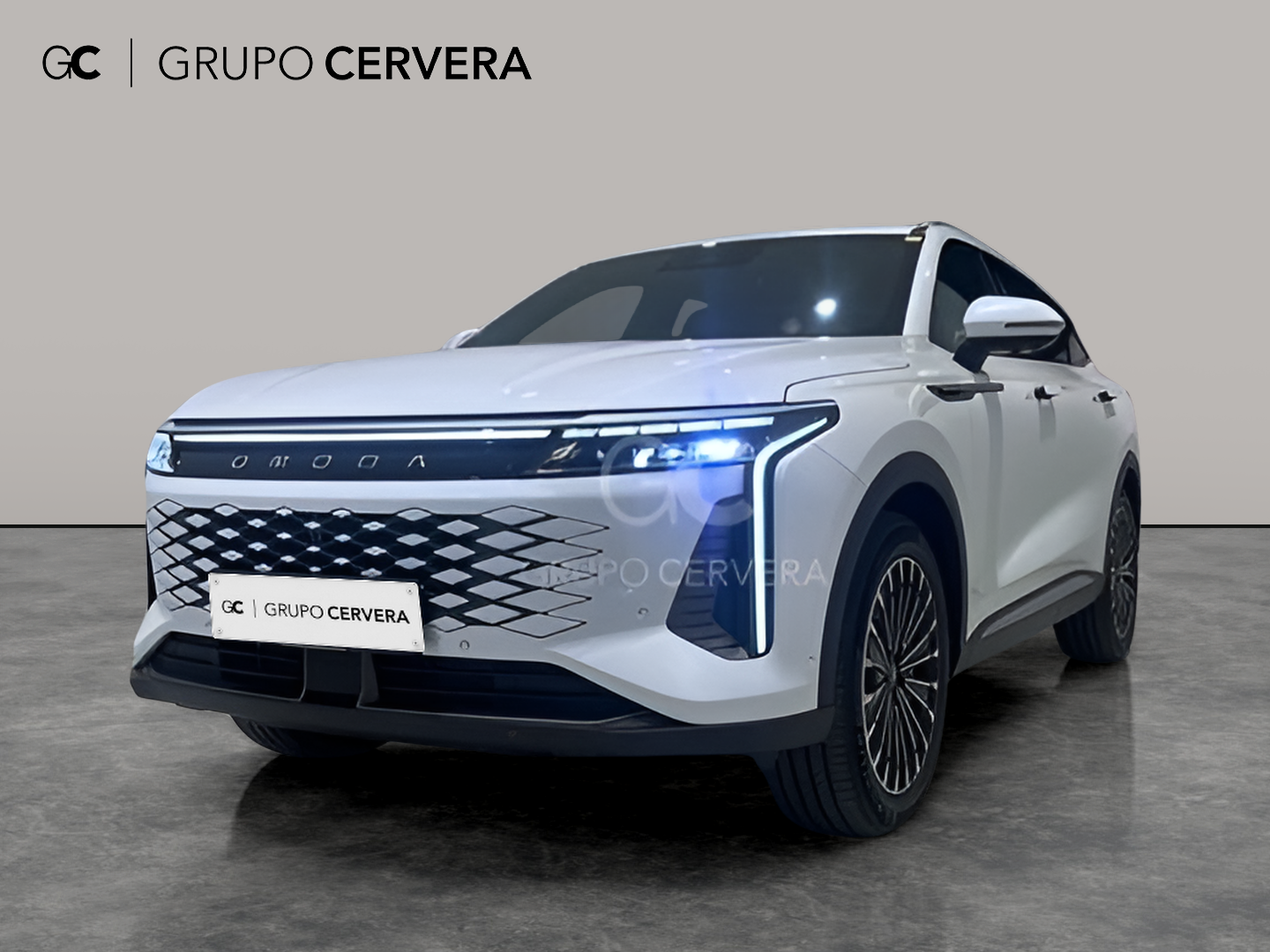
2024, gasoline, automatic, 21K km, SUV, Front Wheels Drive, 1,598 cm3, 147 hp, Euro 6, white, 1.6 TGDI Premium 108 kW (145 CV), Used condition, In stock

GrupoCervera.com
 Spain, Castille and León
 Spain, Castille and LeónSpain, Castille and LeónSpain, Castille and LeónSpain, Castille and LeónSpain, Castille and LeónSpain, Castille and LeónSpain, Castille and LeónSpain, Castille and LeónSpain, Castille and LeónSpain, Castille and LeónSpain, Castille and LeónSpain, Castille and LeónSpain, Castille and LeónSpain, Castille and LeónSpain, Castille and LeónSpain, Castille and LeónSpain, Castille and LeónSpain, Castille and LeónSpain, Castille and LeónSpain, Castille and LeónSpain, Castille and LeónSpain, Castille and LeónSpain, Castille and LeónSpain, Castille and LeónSpain, Castille and León
If you are shopping Omoda in Europe, the smartest first step is not to ask whether the brand is good or bad in the abstract. Ask whether the specific listing in front of you makes sense against the next two or three alternatives. With only a small pool of Omoda cars for sale in the EU market at any given moment, buyers can get pulled into weak offers too quickly. The better approach is simple: compare condition, history, equipment, seller clarity, and the basic plausibility of the ad before you get emotionally attached to one car.
Omoda can attract buyers who want something newer-looking and less predictable than the usual shortlist. That can be a perfectly reasonable starting point, but it also means listings often get attention from people who are still deciding what kind of car they actually want. When you open an Omoda offer, compare it with nearby alternatives in the same price and age band, not only with other Omoda cars. If the ad gives less information than competing listings from other brands, treat that as a real disadvantage.
A strong Omoda listing usually feels complete. The photos are consistent, the trim and equipment described in the text match what you can see, mileage is presented clearly, and the seller does not dodge the ownership story. A weak listing often tries to sell mood instead of facts: stylish angles, very short text, no useful service details, and vague phrases about perfect condition without anything specific behind them. When the market is thin, buyers sometimes excuse this. You should not.
This is where many buyers either save money or waste time. Compare the Omoda you like with two kinds of alternatives: another modern crossover or hatchback from a more familiar brand, and one slightly older but better-documented car at a similar budget. That tells you what compromise you are really making. If the Omoda offer is newer but has incomplete maintenance history, patchy photos, or unclear import background, it may not actually be the stronger buy.
On the other hand, a less common brand can still be the sensible choice when the individual car is well presented and honestly described. Acceptable compromises are usually things like a smaller choice of listings or a longer search for the right specification. Less acceptable compromises are missing paperwork, unexplained gaps in servicing, inconsistent odometer stories, or a seller who cannot answer basic questions about ownership and use.
One useful, less obvious clue with Omoda is seller confidence. Because the brand is still unfamiliar to many shoppers, serious sellers often over-explain in a helpful way: when the car was bought, where it was serviced, what equipment it has, and why it is being sold. That is usually better than a generic ad copied from a template. If the listing relies on buzzwords and never gets concrete, ask yourself whether the seller expects interest based only on novelty.
Another subtle point: with a newer-feeling brand, some buyers focus heavily on the design and screen-rich interior, then become strangely casual about the boring parts of ownership. Do not do that. Before you contact the seller, check whether the ad gives any sign of routine maintenance records, tyre condition, warning lights, keys included, document completeness, and whether the visible wear matches the stated mileage. A modern-looking cabin does not replace a clean ownership story.
You do not need an interrogation, but you do need clarity. Ask how long the seller has owned the car, whether servicing can be shown with invoices or a digital history, whether any body panels have been repainted, and whether all main functions work as expected. If the listing mentions driver-assistance features, cameras, sensors, or infotainment options, ask whether everything is operating normally rather than assuming it does.
It is also worth asking what kind of use the car had. A calm private-use story with matching wear often feels very different from a vague answer that never quite explains where the car spent most of its life. If the seller says the car is "like new," ask for specific evidence: last service date, tyre age, brake condition, and any cosmetic defects. Honest sellers usually answer directly. Evasive sellers usually create more work for you later.
Go to view the car when the listing is coherent and the seller is consistent. That means the photos, mileage, service story, equipment list, and general condition all point in the same direction. During the viewing, pay attention to small mismatches. Do the seats, steering wheel, pedals, and door handles show wear that fits the mileage? Does the exterior finish look evenly maintained? Are panel gaps, lights, glass, and tyres consistent from corner to corner? Even on newer used cars, little inconsistencies can tell you more than the headline description.
If a test drive is possible, keep your expectations practical. You are not only looking for dramatic faults. You are checking whether the car behaves like a cared-for example: smooth starts, predictable transmission behavior, no distracting noises, and no obvious conflict between what the seller claimed and what the car does. If anything feels unclear, it is usually smarter to pause than to rationalize.
Because Omoda availability in Europe can be limited, there will be moments when the right answer is simply not to force the purchase. This matters more than many buyers admit. A thin market can create false urgency, especially when a car looks fresh in photos. But if the offer is incomplete, the seller is vague, or the comparison against nearby alternatives is not convincing, waiting is often the most disciplined move you can make.
That is the real advantage of approaching Omoda with a comparison mindset. You stop asking whether you should buy the brand, and start asking whether this exact Omoda is better than the other realistic options available now. If the answer is yes on condition, history, seller quality, and overall honesty, it can be worth your time. If not, move on without regret. Good used-car decisions usually feel less exciting than impulsive ones, but they are almost always cheaper in the long run.
 Add as preferred sourceSee more from zvelta in Google Search Add as preferred source