 EN
ENDEALER
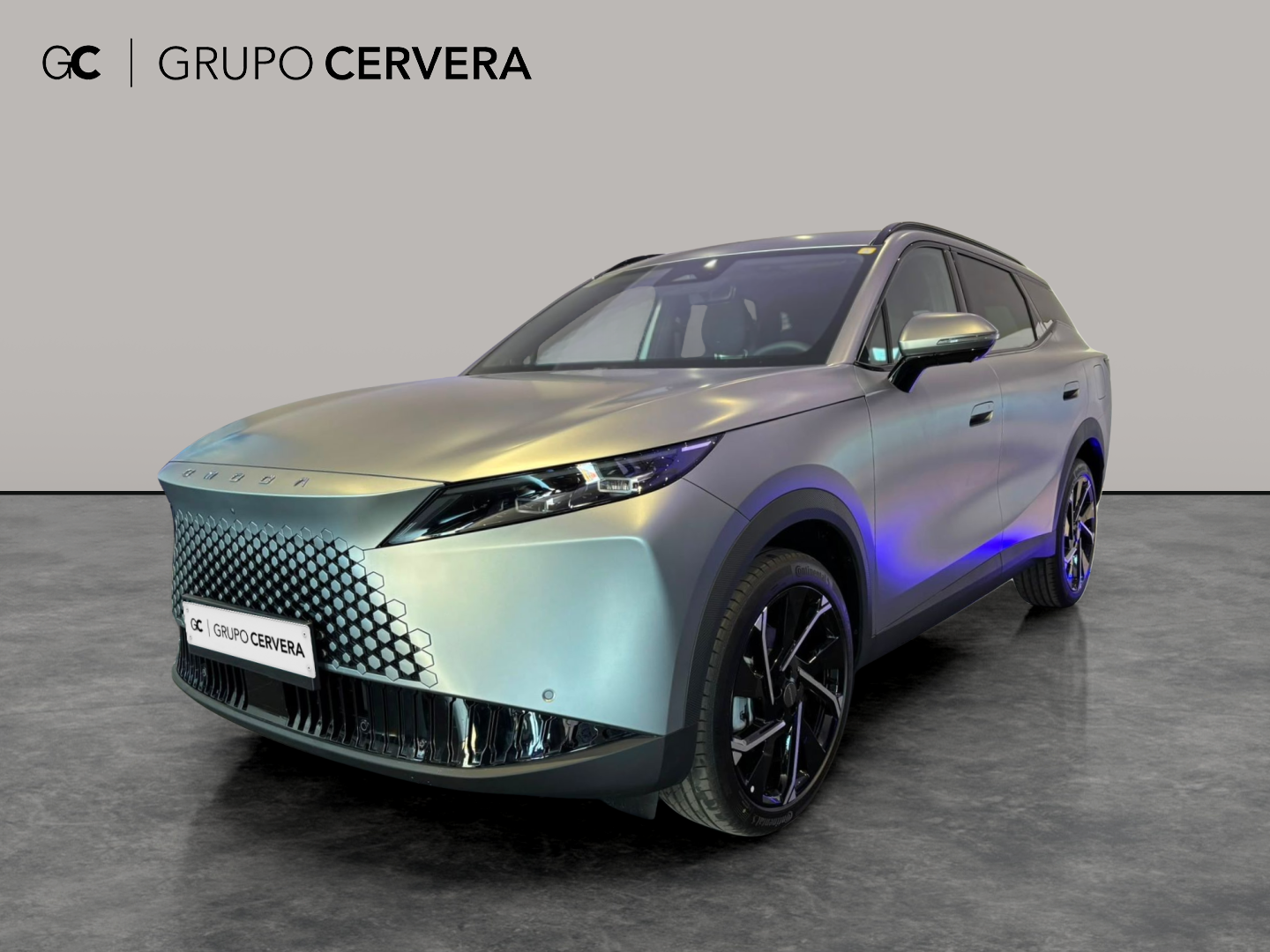
€40,300DEALER
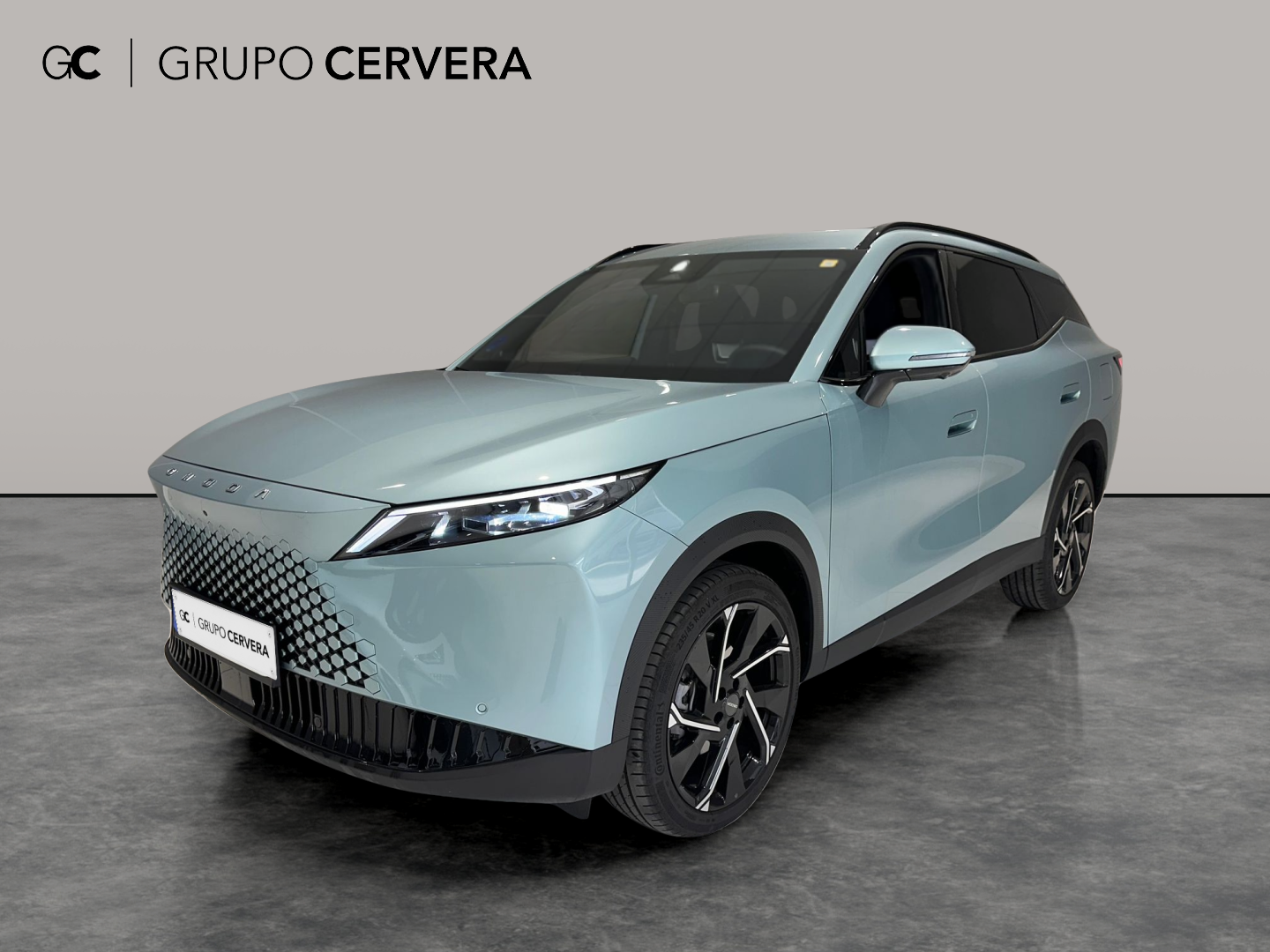
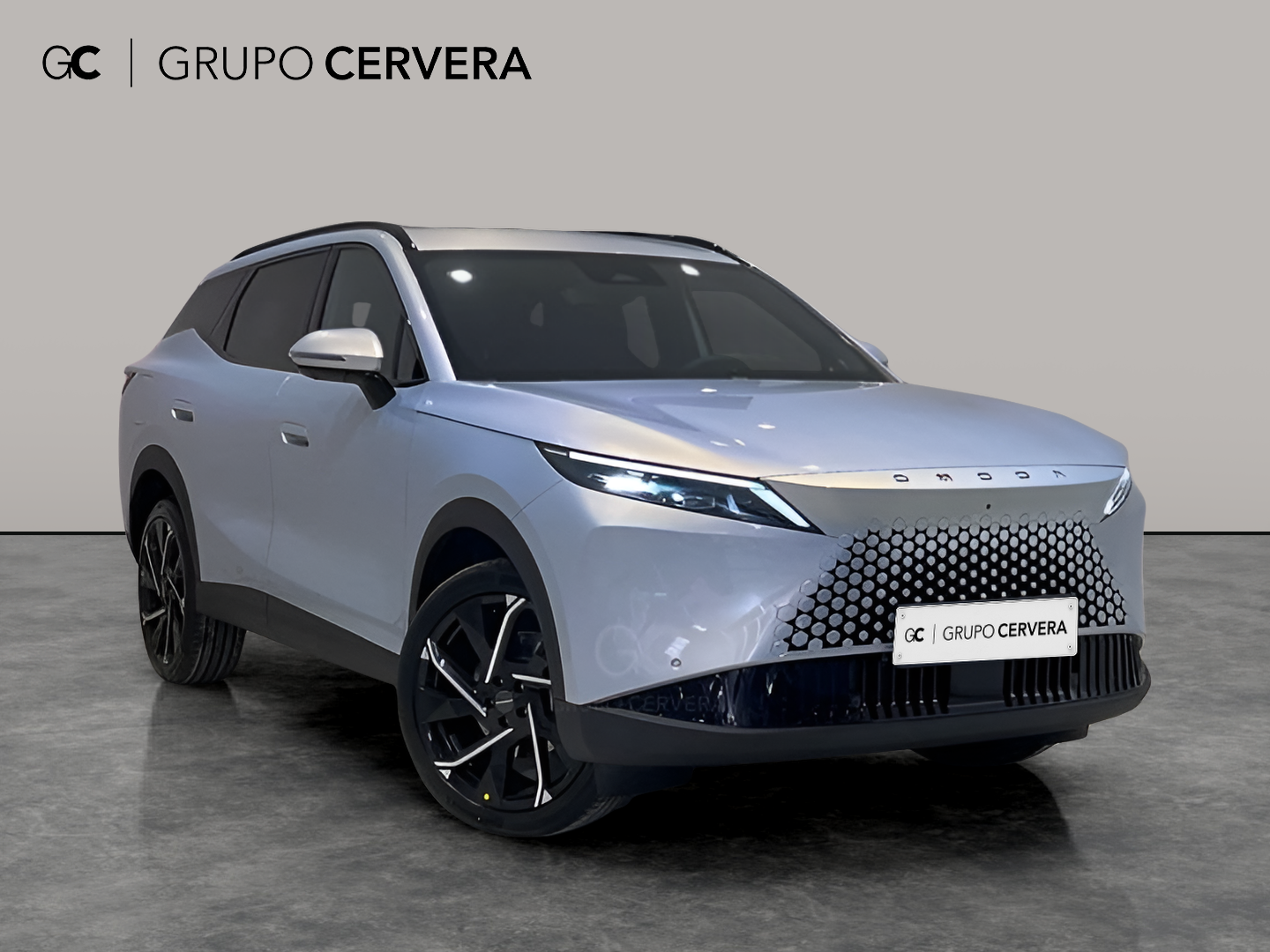
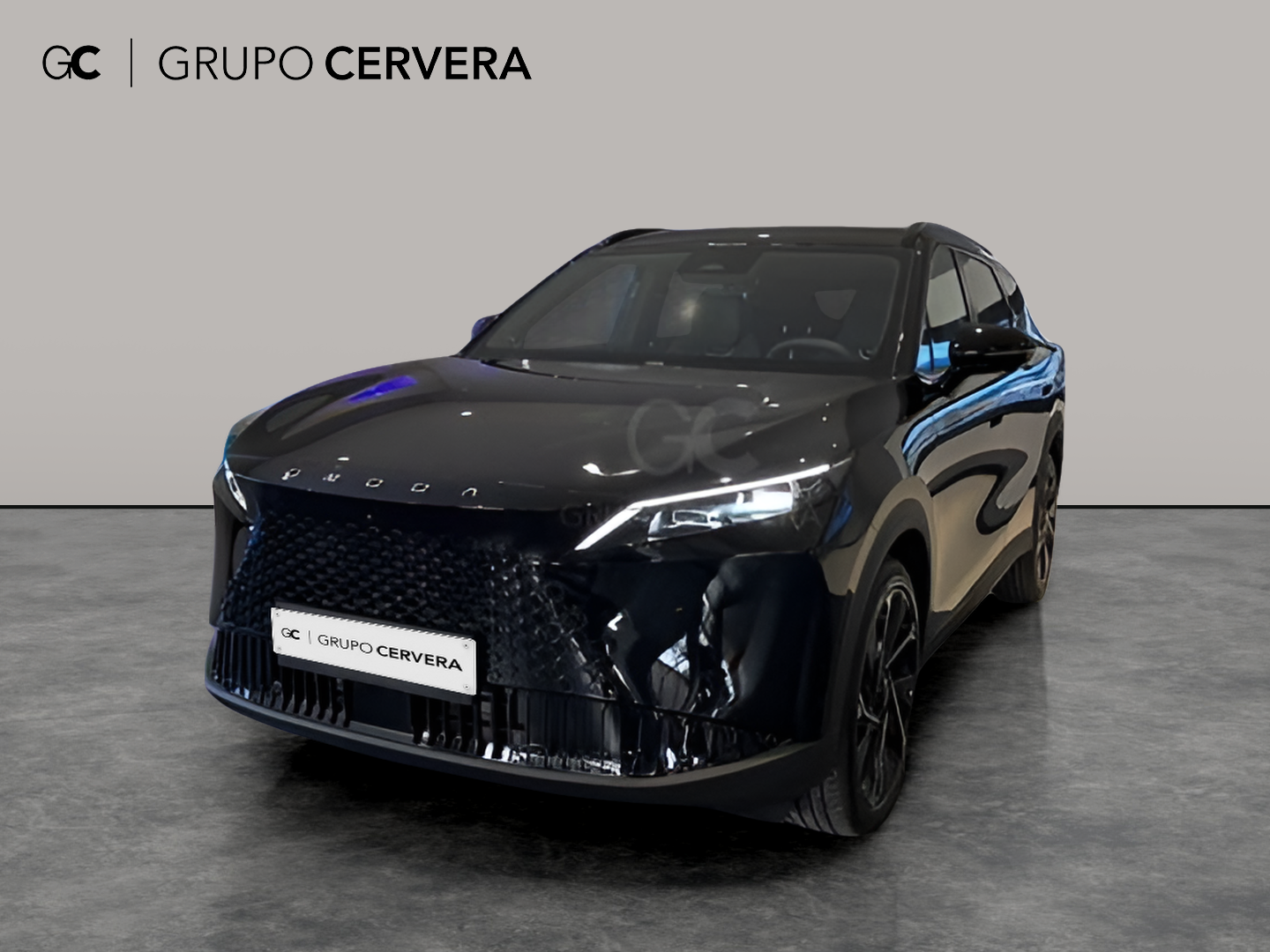
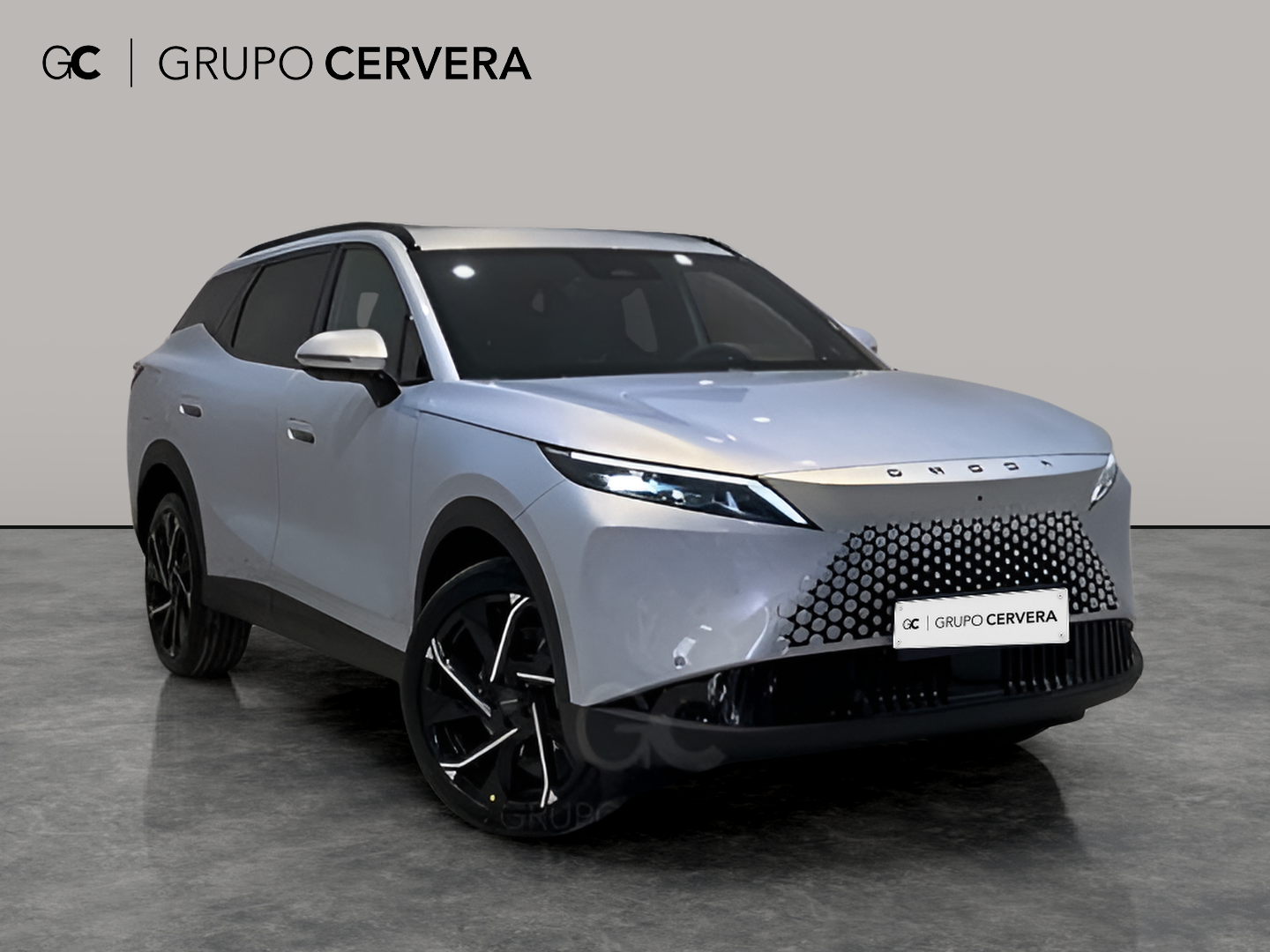
2026, hybrid, automatic, 10 km, SUV, Front Wheels Drive, 1,499 cm3, 279 hp, Euro 6, grey, 1.5 TGDI SHS-P Premium FWD 205 kW (279 CV), New condition, In stock

GrupoCervera.com
 Spain, Castille and León
 Spain, Castille and LeónSpain, Castille and LeónSpain, Castille and LeónSpain, Castille and LeónSpain, Castille and LeónSpain, Castille and LeónSpain, Castille and LeónSpain, Castille and LeónSpain, Castille and LeónSpain, Castille and León
 Poland, Lesser PolandPoland, Lesser Poland
 RomaniaGalati, Romania
If you are looking at an Omoda C7/7, the smart move is not to chase the first attractive photos. This is the kind of model where the quality of the listing matters almost as much as the car itself. In the EU market, where availability can still feel limited, a tidy ad with clear documents, believable mileage, and honest detail is usually worth more than a flashy post that says very little. Before you even message a seller, compare how each Omoda C7/7 is presented: are there enough exterior and interior photos, is the trim or equipment described in a useful way, and does the seller sound like someone who actually knows the car?
The Omoda C7/7 will usually attract a buyer who wants something newer-feeling, less predictable than the usual mainstream shortlist, but not so obscure that ownership becomes a constant gamble. That matters when you compare offers. People shopping this model are often balancing design, perceived freshness, and equipment appeal against a very practical question: is this exact car easy to trust? On a model like this, weak ads stand out fast. If the seller leans heavily on style but avoids basic ownership information, service records, software history, registration details, or how long they have had the car, slow down.
A useful little test: imagine you had to explain why this exact Omoda C7/7 is worth a viewing in one sentence. If the answer is only "it looks nice," keep scrolling. The stronger listings usually give you a second reason: clean history, careful ownership, transparent maintenance, or a spec level that genuinely changes daily use.
When listings are still relatively few, buyers can become too forgiving. That is how weak offers survive. With an Omoda C7/7, pay attention to what is missing. Missing cold-start video, missing dashboard photos, missing close-ups of wear areas, missing registration context, missing service evidence, missing explanation for very low mileage or very quick resale — those gaps matter.
You do not need every seller to be perfect, but you should want the basics answered before arranging a trip. Ask for:
That last point matters more than many buyers expect. On a newer-looking model, people often assume all cars are similarly equipped. They are not. One Omoda C7/7 can feel like a strong value because of the specification and presentation, while another looks similar in photos but may be much less convincing once you check comfort, assistance, or convenience features.
Here is where the Omoda brand context becomes interesting. With emerging or less-established nameplates in parts of Europe, the car is only half the story; the seller's understanding of it is the other half. A confident seller can explain where the car was maintained, what updates or checks were done, why they chose this brand, and what ownership has actually been like. A vague seller often reveals more by accident than by intention.
That is especially useful on the Omoda C7/7 page because buyers are often still forming their opinion of the model. If the owner speaks clearly about everyday use, charging or fuel routine if relevant to the listing, cabin quality over time, dealer contact, and any small annoyances, that honesty is valuable. It does not make the car perfect; it makes the offer easier to trust. In contrast, a seller who only repeats brochure language is giving you marketing, not ownership evidence.
Start with the listings that make comparison easy. A good Omoda C7/7 ad usually has consistent photos, readable condition notes, and enough detail that you can picture the ownership story. Prioritize cars where mileage, age, visible wear, and asking price all feel like they belong together. If one example looks dramatically cheaper than the rest, do not treat that as a win until you understand why. Limited-market models can produce strange pricing because sellers test the market, underestimate a flaw, or simply hope a buyer will overlook missing history.
A worthwhile viewing candidate is often not the cheapest one. It is the one with fewer unanswered questions. The real cost of a weak offer is not just money; it is time, travel, and the risk of buying into uncertainty. On a brand-model pair like Omoda C7/7, where some buyers are still learning the market, clarity itself has value.
When you call or message, skip generic "is it still available?" talk and go straight to the substance. Ask what the seller has repaired, replaced, or updated during ownership. Ask whether the car has had any warranty work, any paintwork, or any recurring electronic issue. Ask what they would fix next if they kept it for another year. That last question is underrated: sincere sellers often answer it well, while weaker sellers suddenly become evasive.
Also ask why they are selling the Omoda C7/7 now. There is no single correct answer, but the tone matters. A calm, specific reason sounds different from a rushed, slippery one. If the seller struggles with basic facts about purchase date, maintenance timing, or equipment, be careful.
The easiest mistake with the Omoda C7/7 is to shop it as a novelty first and a used-car listing second. Reverse that. Treat it like any other purchase where condition, paperwork, maintenance proof, and seller transparency come before styling or rarity. If an offer still looks good after that, then the model's character becomes a bonus rather than a distraction.
That is really the appeal of the Omoda C7/7 in Europe: it may suit buyers who want something fresh in the driveway without automatically following the same old shortlist. But that only works when the individual car is strong. Compare listings patiently, reward sellers who provide substance, and do not be afraid to pass on a photogenic but thin ad. On a page like this, the best buy is usually the Omoda C7/7 that feels easiest to verify, not the one trying hardest to impress.
 Add as preferred sourceSee more from zvelta in Google Search Add as preferred source