 EN
ENDEALER
€16,680DEALER
€15,780
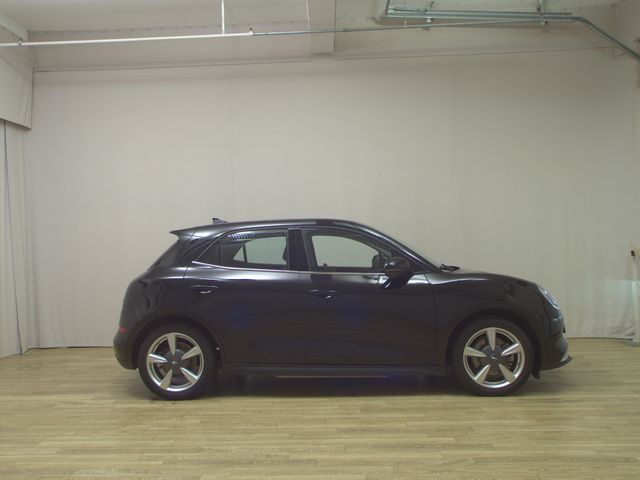
2023, electric, automatic, 8K km, hatchback, 171 hp, black, ORA 03, Used condition, China, In stock

AutoHus.de
 Germany, Lower Saxony
 Germany, Lower Saxony
The hard part with Ora in Europe is not building a shortlist. It is staying patient when the shortlist is tiny. With limited supply, cars can be far apart, seller quality can vary a lot, and the first neat-looking listing is not always the one worth a long trip. That changes the buying logic. With Ora, you should do more homework before you ever set a viewing time: read the ad closely, compare photos for consistency, ask for document details early, and make sure the seller can answer simple ownership questions without hesitation.
A small market also creates a familiar trap. Buyers start excusing weak listings because there are only a few Ora cars for sale at any given moment. That is exactly when you should slow down. If one car looks attractive but the ad is thin, the equipment description is vague, or the history is strangely incomplete, scarcity does not make it better. It only makes mistakes easier to justify. A good Ora offer should still stand up to normal used-car scrutiny: clear identity, believable mileage, usable photos, sensible maintenance story, and a seller who sounds prepared rather than defensive.
When supply is limited, small differences in listing quality matter more. Start with the basics, but read them like a buyer rather than a browser. Does the ad explain where the car has been used, how long the seller has owned it, and whether servicing records are available? If the photos avoid common wear areas, charging-related details, or the interior controls, ask for more before you travel. With Ora, that simple step can save a wasted day.
Also compare how specific the seller is. A strong listing usually gives enough detail to make the car feel real: condition, mileage, registration status, visible cosmetic issues, included cables or accessories if relevant, and recent maintenance or inspection notes if available. Weak ads often hide behind broad phrases like "excellent condition" or "full options" without supporting evidence. If two Ora cars seem similar, the better-documented one is often the safer first call, even if it is not the cheapest.
On smaller brand pages, buyers often focus too much on finding the perfect spec and not enough on finding the best-kept car. That is backwards. With Ora, the cleaner ownership story can matter more than chasing one exact color or feature combination. If one listing has better photos, clearer paperwork, and a seller who willingly shares extra information, that may be the smarter buy than a more tempting ad that leaves every practical question unanswered.
Your first message or call should do more than ask, "Is it still available?" Ask questions that force clarity. Is the car registered now, and in whose name? Are there service records, invoices, or inspection documents available to review? Has the car had paintwork, body repairs, or any warning lights recently? Are all keys, charging accessories, and manuals present if they originally came with the car? If the seller hesitates on basic ownership and document questions, that is already useful information.
Then ask for proof, not just reassurance. Request photos of the service book or invoices, the tire condition, close-ups of any body damage, and dashboard images with the current mileage visible. If the listing mentions low mileage or excellent condition, the seller should be comfortable backing that up. With Ora, where many buyers may be shopping across borders within the EU market, document clarity becomes even more important. You do not want the whole deal to depend on vague promises made in messages.
A less obvious point: with niche or less common brands, you are often evaluating the seller as much as the vehicle. A polished ad can still belong to someone who knows very little about the car. On the other hand, a modest listing can hide a careful owner who kept everything in order. That is why the tone of the conversation matters. Good sellers tend to answer directly, volunteer useful details, and acknowledge imperfections without drama. Weak sellers often dodge timelines, repeat marketing phrases from the ad, or act annoyed when asked for normal verification.
This matters especially with Ora because shoppers may travel a long distance for a viewing. If a seller is already evasive before the trip, do not expect the inspection to become clearer in person. The sensible move is to narrow the field from your phone first. Ask enough questions that the viewing becomes a confirmation step, not an expedition to discover basics that should have been in the listing from the start.
Most real buyers do not shop Ora in isolation. They compare it with other compact urban-friendly cars, newer used electric options, or simply better-known brands with more listings nearby. That is a healthy way to buy. The useful comparison is not only model versus model, but offer versus offer. A rarer Ora may still be the right pick if the individual car is well presented, honestly described, and supported by proper history. A more familiar alternative may be safer if the Ora listing leaves too many gaps.
Try comparing three things side by side: condition evidence, seller transparency, and ownership confidence. Condition evidence means photos, visible wear, and whether the ad matches the reality shown. Seller transparency means fast, direct answers and no strange avoidance around documents or past use. Ownership confidence means you can imagine living with the specific car after purchase, not just admiring it in the ad. If one Ora checks those boxes better than nearby alternatives, it deserves serious attention.
A viewing is justified when the listing is specific, the seller has already answered your practical questions, and the documents sound straightforward. At that point, inspect calmly. Check exterior panel consistency, tire condition, interior wear against the stated mileage, warning lights, and how the car feels during a proper drive if one is possible. Look for signs that the photos flattered the car more than reality does. That mismatch is common enough to keep in mind with any used listing.
The best approach to Ora in Europe is simple: be open-minded about the brand, but strict about the individual car. Limited choice should make you more selective, not less. If an Ora seller gives clear answers, presents the car honestly, and provides a believable ownership story, that listing can be worth your time. If the ad looks good but the details stay foggy, let it go and wait for the next serious offer. Patience usually costs less than fixing a rushed decision later.
 Add as preferred sourceSee more from zvelta in Google Search Add as preferred source