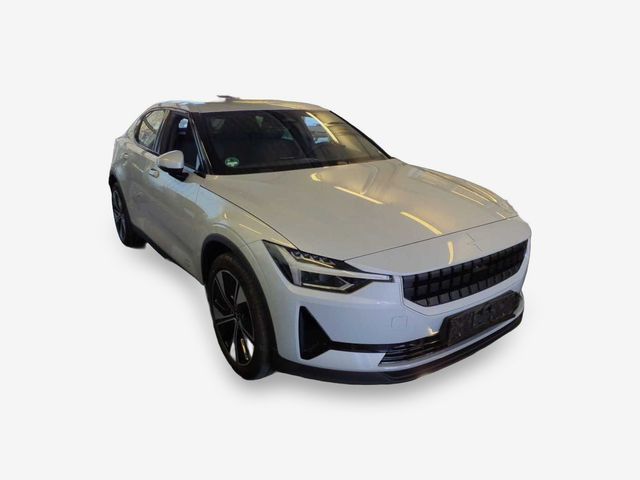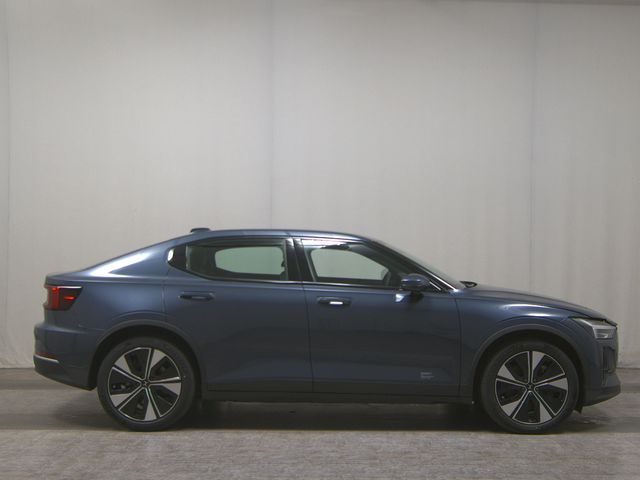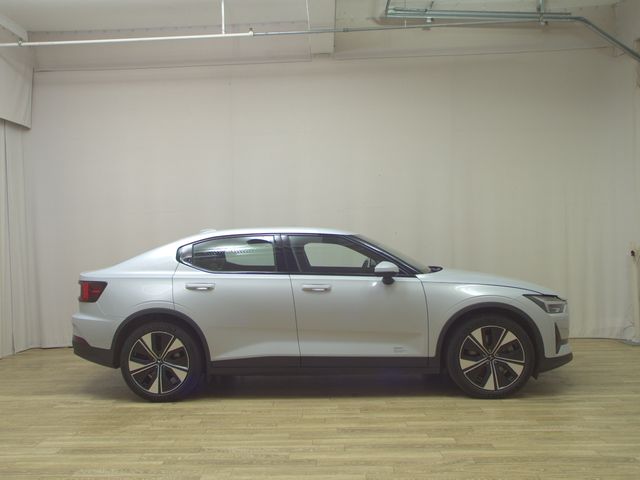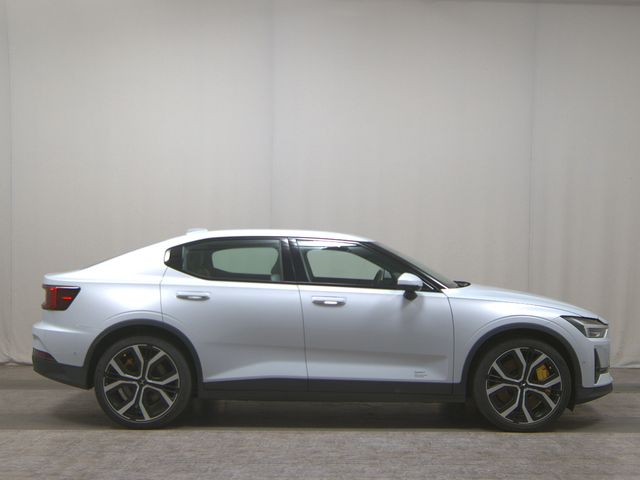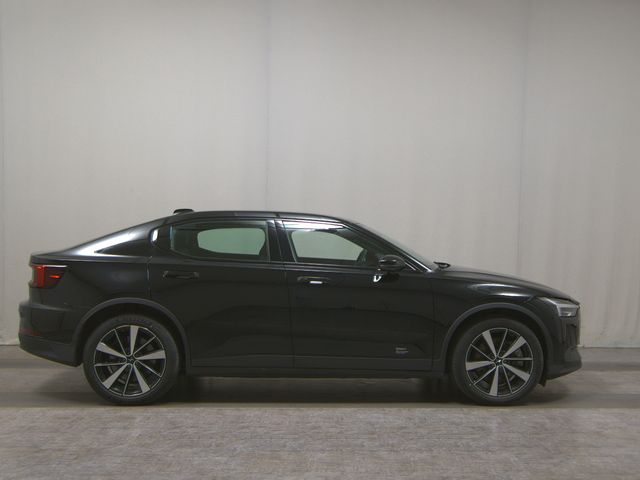
If you are shopping for a Polestar in Europe, the smartest first step is not falling in love with the photos. With this brand, a clean listing can still hide the real questions: where the car is located, how easy it is to inspect across borders, whether the equipment matches your daily use, and whether the seller understands the car well enough to answer practical ownership questions. That matters even more when the available Polestar cars for sale pool is not huge and one tempting offer can make buyers rush too early.
Start with the offer, not the badge
A Polestar usually enters a shortlist because the buyer wants something modern, design-led, and different from the usual premium electric choices. That is fine, but when you compare used listings, treat the brand as the beginning of the conversation, not the conclusion. Look at the basics first: registration documents, mileage consistency, visible condition, battery-related information if provided, service history, wheel and tire condition, charging cables included, and whether the seller shows the interior and software screens clearly rather than relying on three polished exterior photos.
A weak Polestar listing often reveals itself by what it avoids. If the ad praises style but says little about maintenance history, charging habits, accident repairs, or recent work, slow down. If the seller cannot explain where the car was serviced, when tires or brakes were changed, or which options are actually fitted, assume you will need more verification before arranging a viewing. For a cross-border buyer in the EU market, unclear paperwork is not a small annoyance; it changes the whole cost and hassle of ownership.
Why location matters more with Polestar than some buyers expect
This is where many people make the expensive mistake. A Polestar that looks perfect online may be located in a different country from the one where you plan to register and use it. That affects inspection logistics, transport, timing, document checks, and your willingness to walk away if the car disappoints in person. A two-hour local detour is one thing. Flights, border paperwork, and schedule pressure are something else entirely.
The practical move is to build a search path before you contact sellers. Decide which countries you are genuinely ready to buy from, how far you are willing to travel for a viewing, and whether you need an independent inspection before committing. Buyers often become less critical once they have already arranged transport or taken time off. That is exactly when weak offers win. With Polestar listings, especially in a scattered European market, the best protection is emotional distance: ask for the VIN, service evidence, detailed photos of wear areas, close shots of wheels, and confirmation of both charging accessories before you book anything.
Read the seller, not just the specification sheet
One useful trick with Polestar ads is to judge how specifically the seller talks about everyday use. A serious owner or informed dealer can usually describe charging routine, winter range expectations in normal language, software update history if relevant, and why the car is being sold. A vague seller tends to hide behind generic phrases like “full option” or “excellent condition” without proving either one.
That is also where comparison shopping becomes more interesting. Two Polestar offers can look similar in year, mileage, and photos, but one may be far better value because the seller documents ownership properly and shows the car honestly. A small stone-chip area, worn seat bolster, or scuffed wheel is not automatically a problem. In fact, minor visible wear paired with transparent history can be a better sign than a heavily polished listing that says almost nothing useful. Buyers browsing premium EV listings sometimes forget that honesty is equipment too.
What to ask before you decide a viewing is worth it
Before you travel to see a Polestar, ask questions that force concrete answers. Has the car had paintwork or accident repair? Are there invoices or digital service records? Which charging cable(s) are included? Are there warning lights, known faults, or cosmetic issues not visible in the ad? Is the title or registration status straightforward for export or transfer? If the seller responds clearly and quickly, that is a good sign. If every answer becomes “come and see,” be careful, especially if the car is far away.
There is another less obvious point here. Buyers often compare Polestar only against direct premium EV rivals, but the real decision in classifieds can be between a better-documented alternative and a more fashionable but thinner listing. If one Polestar offer requires faith and another car in the same budget offers cleaner history, easier inspection, and lower logistical risk, that is not betraying the shortlist. That is buying well.
How to avoid rushing when the selection is thin
Because Polestar is still a more selective search than broader mass-market brands, you may feel pressure when a decent-looking example appears. Resist that urge. Thin supply is exactly when sellers benefit from buyer impatience. Save the listing, compare it with other electric and premium used cars in the same budget, and check whether the apparent rarity is real value or just limited choice.
A sensible Polestar buyer in Europe stays calm, compares the full ownership picture, and treats distance as part of the price. The right car is not just the one with the best photos or the strongest spec list. It is the one with believable history, manageable logistics, and a seller who makes verification easy instead of awkward. That is how you avoid weak offers and end up with a Polestar you will still feel good about after the first excitement wears off.